 Marcelo Oliveira
Madrid has an image problem among Brazilian travelers: it becomes a layover, an “oh, I’ll just spend two days here before heading to Barcelona.” And it loses out in that comparison. The Spanish capital is home to three of the world’s most important art museums, the largest royal palace in Western Europe, and a historic center you can cross on foot in any direction—all without the price tag of Paris or London. It’s no exaggeration to say it’s one of the most underrated cities in Europe for first-time visitors to the continent.
Hotels in Madridfree cancellation options onlySee hotels ›Booking.com partner (advertising): we may earn a commission at no extra cost to you.
 Partner · Civitatissee all activities in Madrid ›
- Toledo & Segovia TourRating 9.2 · 7,242 reviews on Civitatisfrom€69per personSee ›
- Royal Palace of Madrid Guided TourRating 9.5 · 7,856 reviews on Civitatisfrom€41.93per personSee ›
- Madrid Royal Palace TicketsRating 8.3 · 843 reviews on Civitatisfrom€22per personSee ›
- Segovia & Ávila Day TripRating 9 · 3,209 reviews on Civitatisfrom€55.80per personSee ›
Civitatis prices on 28/09/2026, from, per person. They may change. Want to compare? Activities in Madrid on GetYourGuide ›
Activities provided by Civitatis (our affiliate partner)—prices and availability updated in real time. If you book through this link, we may earn a small commission at no extra cost to you.
This guide covers what to decide before you board: when to go, how to get from the airport, where to stay, what’s actually worth your time, and what to eat along the way.
When to Visit Madrid
Spring (March to May) and fall (September to November) are the most balanced seasons: temperatures between 59°F and 77°F, few rainy days, and the city still moving at its normal pace, without the crowds or the summer heat. Madrid sits in the center of the Iberian Peninsula, far from the sea—which means dry summers that run much hotter than Spain’s “Mediterranean” reputation suggests. July and August regularly top 95°F, and a good chunk of locals flee the city during that exact period, emptying out some residential neighborhoods even while the tourist center stays packed.
Winter, meanwhile, has a trump card few consider: lower hotel rates, cheaper flights, and museums with shorter lines. Yes, it’s cold—but nothing a good coat can’t handle, and December still brings the Christmas lights to the central streets.
How to Get to Madrid
Adolfo Suárez Madrid-Barajas Airport has two metro stations (Terminals 2 and 4), connected to the center by the Line 8, which takes 15 to 20 minutes to reach Nuevos Ministerios station—from there, you’ll usually need one or two transfers to your final stop, depending on your hotel. The fare runs between €4.50 and €6, and requires the rechargeable Tarjeta Transporte Público Multi card (€2.50, available from machines right at the station).
There’s also the Cercanías commuter train (lines C1 and C10), which departs from Terminal 4 and stops at central stations like Atocha and Chamartín. The ticket costs €2.60 and the ride takes between 11 and 40 minutes, depending on where you get off—a direct option for anyone already catching a connecting train.
For those who’d rather skip public transit after a long flight, taxis and ride-hailing apps cover the trip in 20–30 minutes, usually with a flat rate to the center—worth confirming the current fare before you fly, since these prices are adjusted periodically.
Where to Stay in Madrid
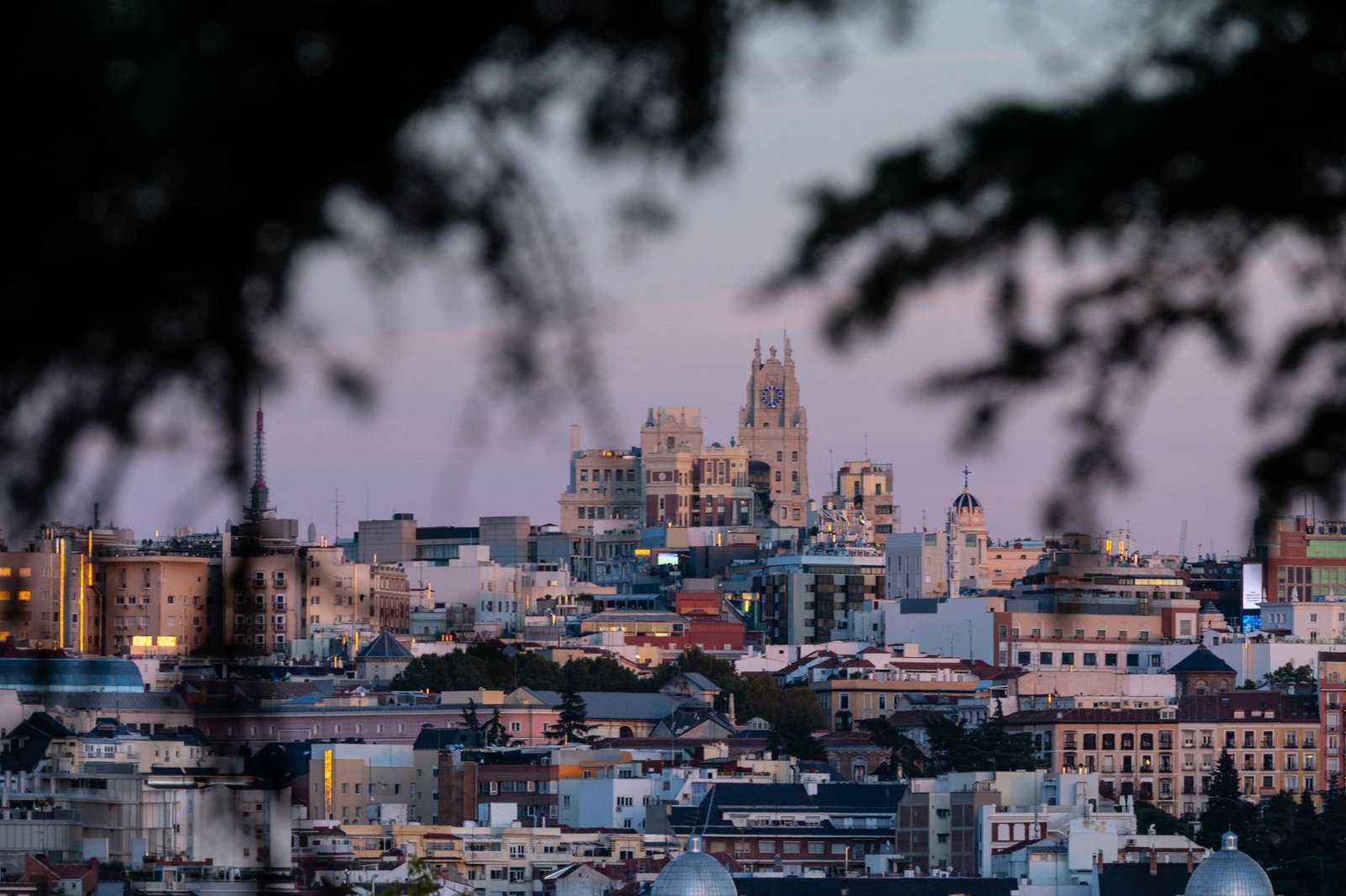
Madrid’s historic center is compact enough that you can stay in practically any central neighborhood and walk to most attractions. The choice changes the “vibe” of your stay more than the logistics themselves—here’s the breakdown:
| Neighborhood | Vibe | Price | Best for |
|---|---|---|---|
| Centro / Sol / Gran Vía | Touristy, lively | High | First-timers, short stays |
| Malasaña | Trendy, alternative | Mid-range | Those looking to go off the beaten path |
| La Latina | Traditional, tapas neighborhood | Mid-range | Food lovers |
| Chueca | Lively, nightlife | Mid-high | Those chasing nightlife |
Booking your stay in advance helps you dodge the highest rates, especially between May and September, when demand climbs right along with the temperature.
Where to stay in Madrid
| Hotel | Rating | |
|---|---|---|
| Hotel CortezoSol / Centre · 350 m from the centre, per the search | 8,48.529 reviews | See prices |
| Hotel Moderno Puerta del SolSol / Centre · 150 m from the centre, per the search; the room does not include access to the square | 8,97.231 reviews | See prices |
| II Castillas MadridSol / Centre · 300 m from the centre, per the search; rate checked with breakfast | 8,89.129 reviews | See prices |
| URBANSEA Atocha 113Atocha / Centre · 1 km from the centre, per the search; an alternative to the area right around Sol | 8,44.032 reviews | See prices |
| Hotel MexicoAtocha / Centre · 1 km from the centre, per the search; compare the walking route | 8,35.584 reviews | See prices |
| Exe Suites 33Gran Vía / City centre · 0.9 km from the centre, per the search | 8,62.106 reviews | See prices |
| One Shot PradoPrado / Centre · 500 m from the centre, per the search; rate checked with free cancellation | 8,01.635 reviews | See prices |
| DormirdcineSalamanca / B12 · Príncipe de Vergara, 87; alternative near the B12 nightclub area | 8,92.144 reviews | See prices |
| Ibis Madrid Centro las VentasSalamanca / Leaves · Las Ventas area; check the walk to Manuel Becerra | 8,53.355 reviews | See prices |
| Hotel Pax AtochaArganzuela / Atocha · 2.1 km from the centre, per the search; plan your way back from Sol | 9,0722 reviews | See prices |
Booking.com rating on 30/09/2026
Top Sights in the Historic Center
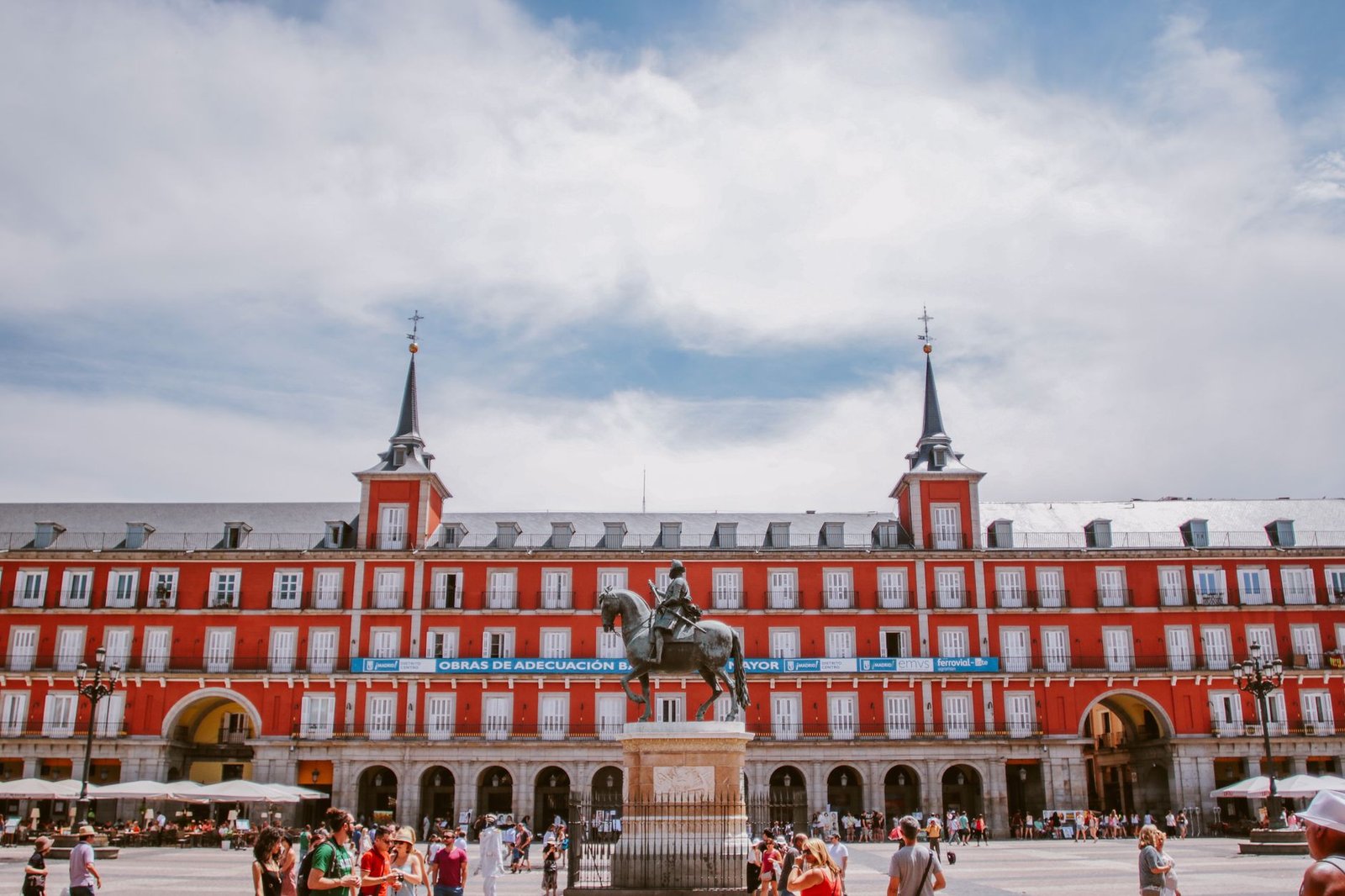
Before you hit the museums and the palace, it’s worth getting to know the landmarks that set the tone for central Madrid. Puerta del Sol is Spain’s “Kilometer Zero”—all national roads are measured from this point, and it’s also where locals gather for New Year’s Eve. A few minutes’ walk away is Plaza Mayor, a square enclosed by arcades that has hosted coronations, bullfights, and even Inquisition trials, now filled with cafés and stamp-and-coin vendors on weekends.
Gran Vía is Madrid’s Broadway: theaters, historic cinemas, and early-20th-century buildings in an eclectic style, perfect for an evening stroll when everything lights up. Near the Royal Palace, Almudena Cathedral was the first Spanish cathedral consecrated by a Pope outside of Rome, and Puerta de Alcalá, close to Retiro Park, is a neoclassical arch inspired by Roman triumphal arches—less photographed than Paris’s Arc de Triomphe, but just as imposing.
The Royal Palace of Madrid
Few people arrive prepared for the Royal Palace’s actual scale. It’s twice the size of Buckingham and twice the size of Versailles—over 135,000 square meters and 3,418 rooms, making it the largest palace in Western Europe still in official use. Built on the ruins of an old fortress destroyed by a fire in 1734, the current palace began construction in 1738 and was only completed thirteen years later, by order of Philip V.
The tour takes you through the Gasparini Room, the Porcelain Room, the Royal Chapel, and the Throne Room—and it’s a real treat for music lovers: the palace holds Europe’s most important collection of Stradivarius instruments. From Monday to Thursday, 5 PM to 7 PM (4 PM to 6 PM in winter), entry is free at the ticket office—just bring a photo ID and be patient with the line.
The Golden Triangle: Prado, Reina Sofía, and Thyssen
Madrid packs three of the world’s most important museums into a stretch of less than a kilometer—dubbed the “Paseo del Arte” by locals. The Museo del Prado is the most famous: over 7,600 paintings and a thousand sculptures, with works by Velázquez, Goya, El Greco, and Rubens. Las Meninas and The Nude Maja are both here, and it’s worth setting aside at least three hours so you don’t leave feeling like you rushed through everything.
The Reina Sofía picks up where the Prado leaves off: Spanish art from 1881 onward (the year Picasso was born), including Guernica, the iconic work depicting the bombing of the Basque town during the Spanish Civil War. The third point of the triangle, the Thyssen-Bornemisza, is the least visited of the three and also the easiest to fit in—a private collection spanning eight centuries of European painting without the overwhelming scale of the Prado.
If you’re planning to hit two or three museums in a single day, consider the Paseo del Arte Card, sold at the ticket offices and cheaper than buying separate admission for each one. The Prado also offers free entry Monday through Saturday from 6 PM to 8 PM, and Sundays and holidays from 5 PM to 7 PM—a tip worth saving if you’re traveling on a tighter budget.
Parque del Retiro
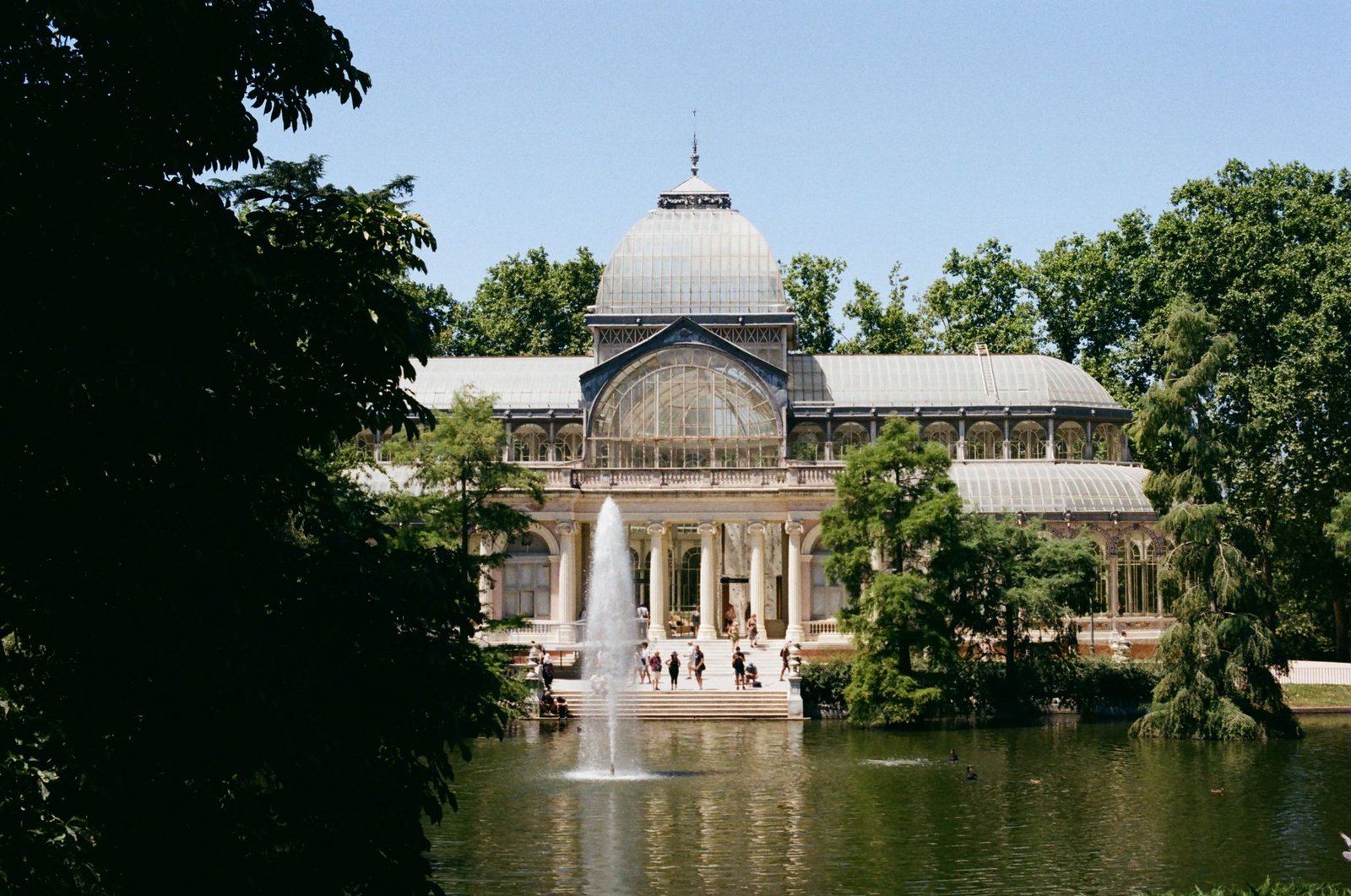
The Retiro is where Madrid breathes. Free entry every day, including for its main attractions—the Palacio de Cristal, originally built as a winter garden for an exhibition of Philippine flora, now hosts contemporary art shows from the Reina Sofía, also at no cost.
Renting a rowboat on the central lake (Estanque Grande) costs between €6 and €8, depending on the day, and the ride lasts 45 minutes—a nice breather in the middle of a packed itinerary of museums and walking. If you only have one free afternoon, this is the place to slow down before moving on to the next stop.
Where to eat: tapas, markets, and Madrid’s cuisine
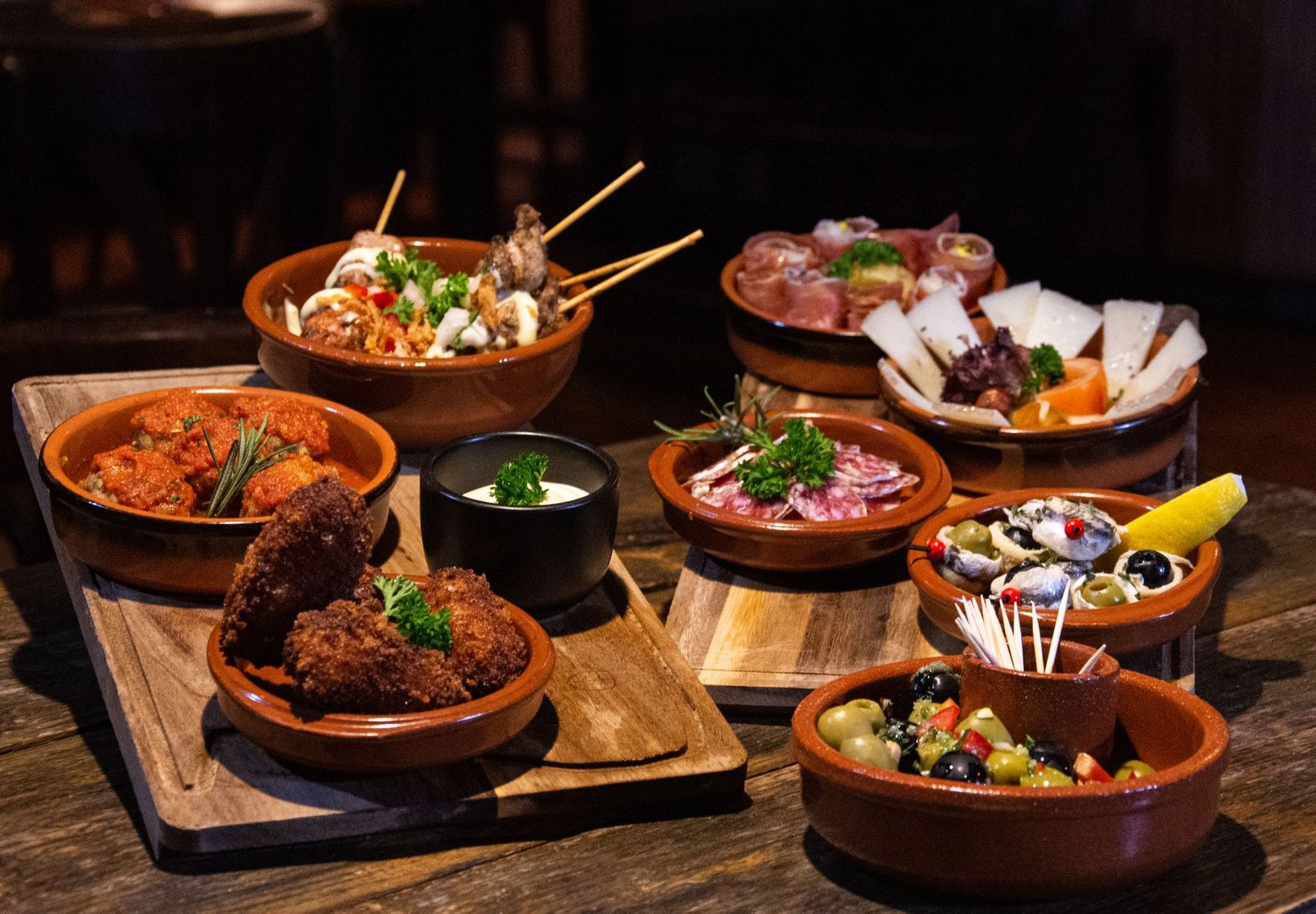
Eating in Madrid is, for the most part, a matter of hopping between small bars and ordering small portions. La Latina is the neighborhood most associated with this ritual—the Cava Baja area is packed with dozens of tapas bars just steps from each other, making it easy to string together three or four stops in a single night without ever repeating a dish.
Mercado de San Miguel, near Plaza Mayor, works as a more tourist-friendly, organized showcase of local gastronomy—a great entry point if you’re short on time and want to sample a variety of things without committing to a single restaurant. For something more traditional, cocido madrileño (a chickpea, meat, and vegetable stew served in stages) is the dish that best represents the city in winter, while churros con chocolate work in any season, whether in the morning or late at night after a bar crawl.
Day trips from Madrid: Toledo and Segovia
Madrid works great as a base for visiting two UNESCO World Heritage cities in a single day. Toledo, the “City of Three Cultures,” bears physical traces of centuries of coexistence between Christians, Jews, and Muslims—synagogues, converted mosques, and a Gothic cathedral that ranks among Spain’s most important. Segovia, about an hour from Madrid, is dominated by a Roman stone aqueduct that’s been standing since the 1st century, plus an alcázar that supposedly inspired fairy-tale castles.
You can visit both cities in one day, but it’s a logistics puzzle that’s worth solving with an organized tour—it saves travel time and comes with a guide explaining what you’re seeing, instead of rushing to read signs.
Before you go: quick checklist
- ✓ Best time to visit: March–May or September–November (milder weather, fewer crowds)
- ✓ Plan at least 3–4 full days to cover the palace, museums, and a day trip
- ✓ Language: Spanish—basic English helps, but simple Spanish phrases go a long way
- ✓ Currency: euro—cards are widely accepted, but it’s worth carrying some cash for small bars
- ✓ Safety: Madrid is relatively safe by European standards, but Sol and Gran Vía have a history of pickpocketing during peak hours
- ✓ Getting around: the rechargeable Multi card is worth it for any stay longer than 2–3 days
Quick questions
Do I need a visa to visit Spain? Brazilians don’t need a visa for tourist stays of up to 90 days.
Is it worth buying museum tickets in advance? Yes, especially for the Prado and the Royal Palace—it skips the physical ticket line, which can take over an hour in peak season.
How many days do I need to see Madrid? Three days cover the essentials (palace, one Golden Triangle museum, Retiro, and the historic center); four or five let you add Toledo or Segovia without rushing.
Is Madrid worth visiting?
If you love art, yes, without a doubt—few cities Madrid’s size pack so much relevant stuff into so little space. For families, the Retiro and the open spaces of the center make up for the lack of “made-for-kids” attractions in the classic sense. For solo travelers or groups of friends, the bar scene and the ease of tacking Toledo or Segovia onto a day trip make Madrid a solid base for seeing far more than just the capital.
Madrid doesn’t try to be charming the obvious way Paris or Rome do—it delivers that almost effortlessly, at the pace of someone who stops for tapas at 11 PM and sees absolutely nothing wrong with it. People who arrive thinking they’ll stay two days usually leave wondering when they can come back.
 HotelAs soon as you have datesCompare neighbourhoods and guest ratings.See hotels ↑
- ActivitiesBefore you travelBook ahead the ones with limited spots.Civitatis ›
 More activitiesTo compareTickets, day trips and tours with flexible cancellation.GetYourGuide ›