 Marcelo Oliveira
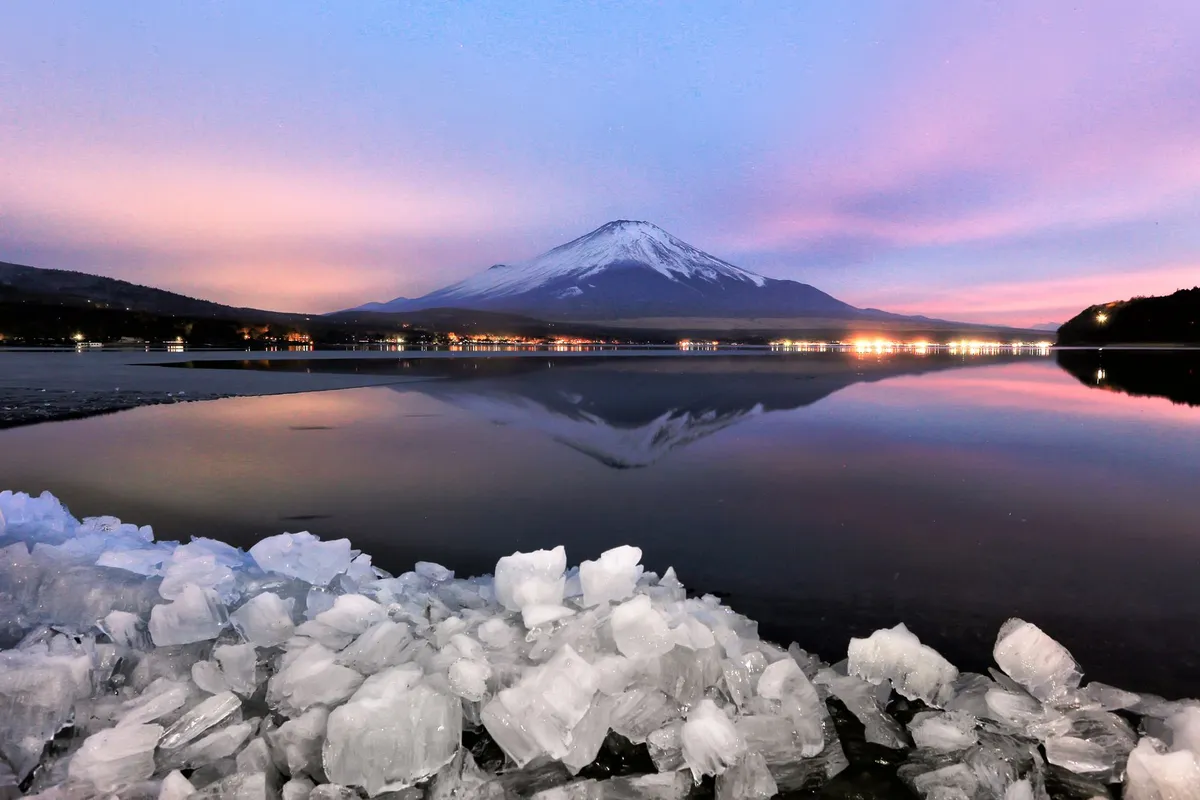
Updated August 20, 2026. Kawaguchiko in 1 day starts with an early departure from Tokyo: arrive around 8:30 a.m., prioritize the north shore and Oishi Park while Fuji is most visible, then do the ropeway and wrap up near the station. On a day trip, fewer well-connected stops work better than trying to cover all the Five Lakes.
The short version: leave Tokyo by bus (about 2 hours) or by train via Otsuki, a segment the standard JR Pass doesn’t cover. In Kawaguchiko, prioritize the north shore and Oishi Park in the morning, when your chances of seeing Fuji are highest, ride the Panoramic Ropeway in the afternoon, and head back with plenty of time for your transport.
Hotels in Kawaguchikofree cancellation options onlySee hotels ›Booking.com partner (advertising): we may earn a commission at no extra cost to you.
| Duration | 1 day (day trip from Tokyo) |
|---|---|
| How to get there | Direct bus from Shinjuku (~2h) or train via Otsuki + Fujikyu Railway |
| JR Pass | Does not cover the Fujikyu Railway segment between Otsuki and Kawaguchiko |
| Best time for Fuji | Morning, before clouds cover the mountain |
| Best season | Winter, for drier air and better visibility |
| Tickets / tours | check the official website |
Kawaguchiko in 1 day: an efficient order
| Time | Stop | Goal |
|---|---|---|
| 8:30 a.m. | Kawaguchiko Station | Tickets and forecast |
| 9:00 a.m. | Oishi Park / north shore | Best chance to see Fuji |
| 11:00 a.m. | Museum or lakeside stroll | Activity based on interest |
| 1:00 p.m. | Lunch | Hoto, a regional dish |
| 2:00 p.m. | Panoramic Ropeway | Elevated view of the lake and mountain |
| 4:00 p.m. | South shore / station | Shopping and return |
If you haven’t picked your base yet, compare Hakone and Kawaguchiko before buying transport.
How to get there from Tokyo
The highway bus departs from terminals such as Shinjuku and arrives directly at Kawaguchiko Station in roughly two hours when traffic cooperates. It’s simple and avoids transfers, but road delays can eat into the end of your day.
By train, ride from Shinjuku to Otsuki and connect to the Fujikyu Railway; some services are direct. The Fujikyu segment is not covered by the standard JR Pass. Reserve a seat when possible and check the last return before you start sightseeing. The municipal portal lists the official bus lines to Kawaguchiko.
Morning: north shore and Oishi Park
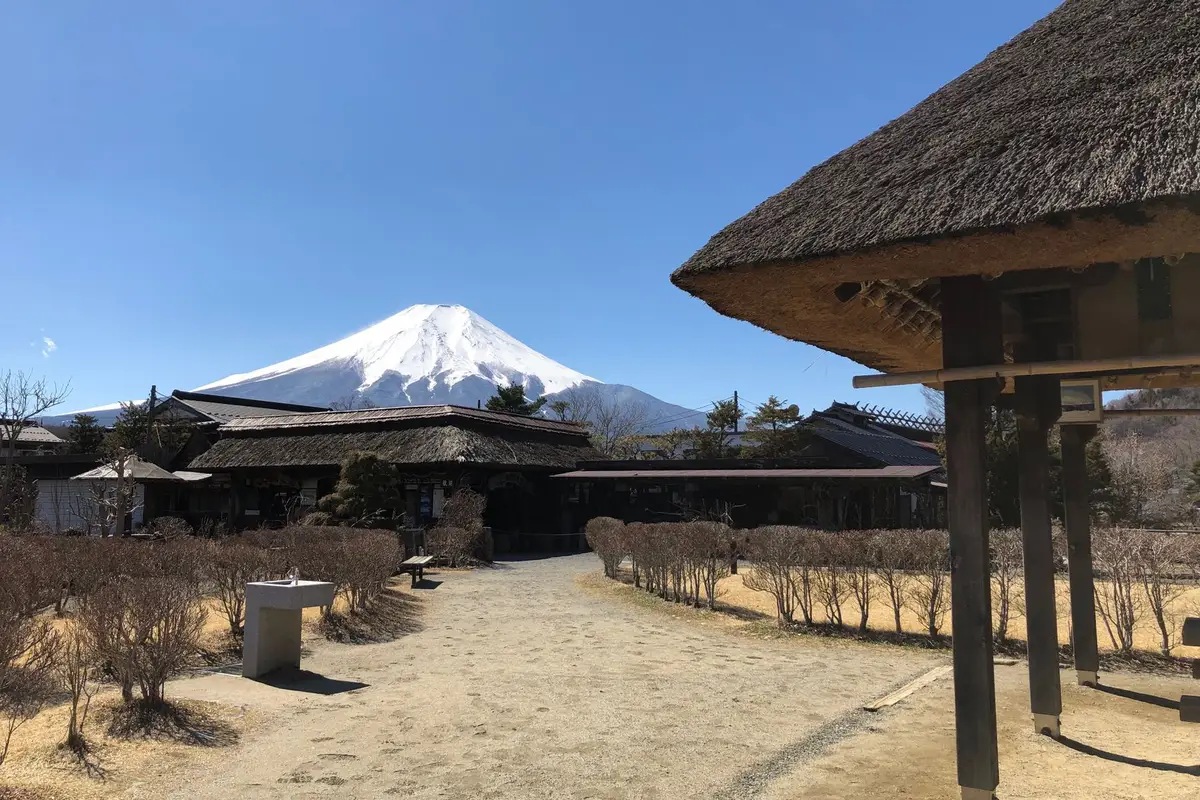
Japan’s national tourism organization recommends the morning because clouds and haze often cover Fuji throughout the day. Head to the north shore first. Oishi Park offers an open composition with the lake, seasonal flowers, and the mountain; in winter, visibility tends to be cleaner, but the cold is intense.
Avoid staking the whole trip on one photograph. Fuji can disappear even with a favorable forecast. Have a plan B: museums, onsen, cafés, and a lakeside stroll keep the day interesting.
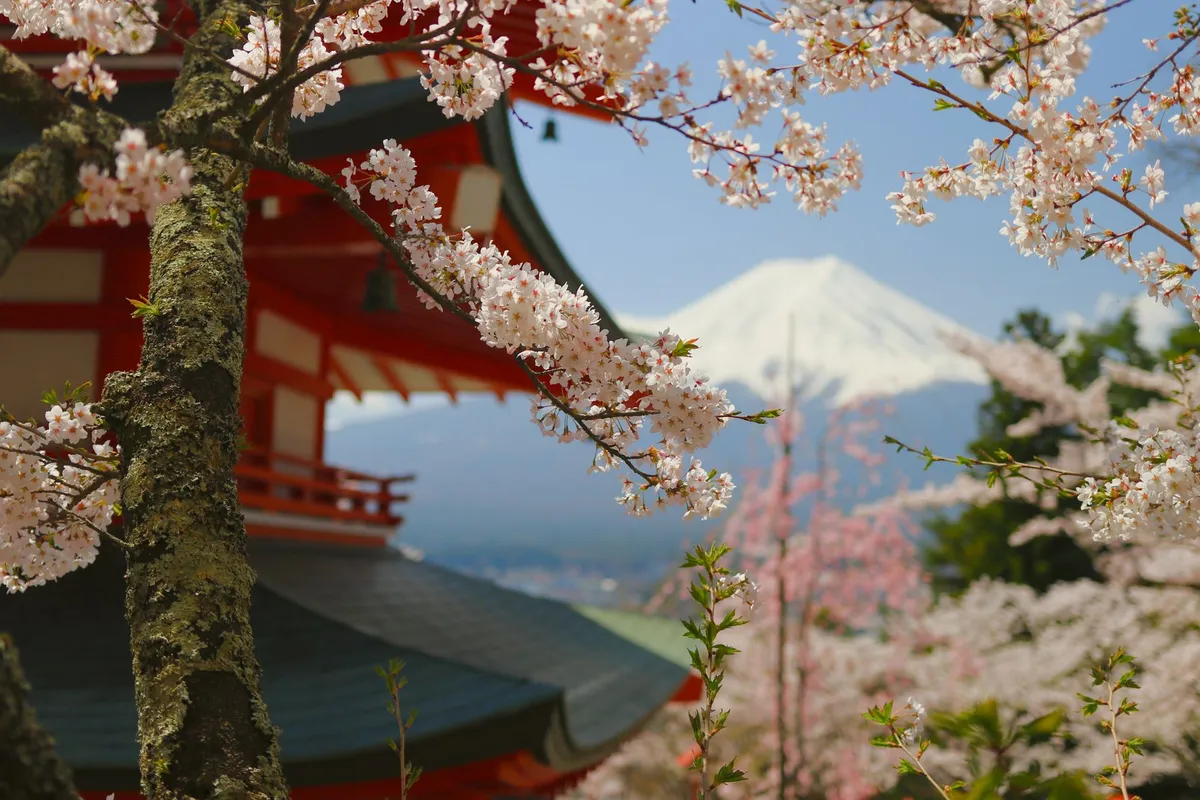
If you want to include Chureito Pagoda, treat it as an alternative to the full lake loop. It’s at a different station and requires climbing stairs; combining it with Oishi Park, the ropeway, and museums in just a few hours makes for a rushed day.
Afternoon: ropeway, lake, and a backup activity
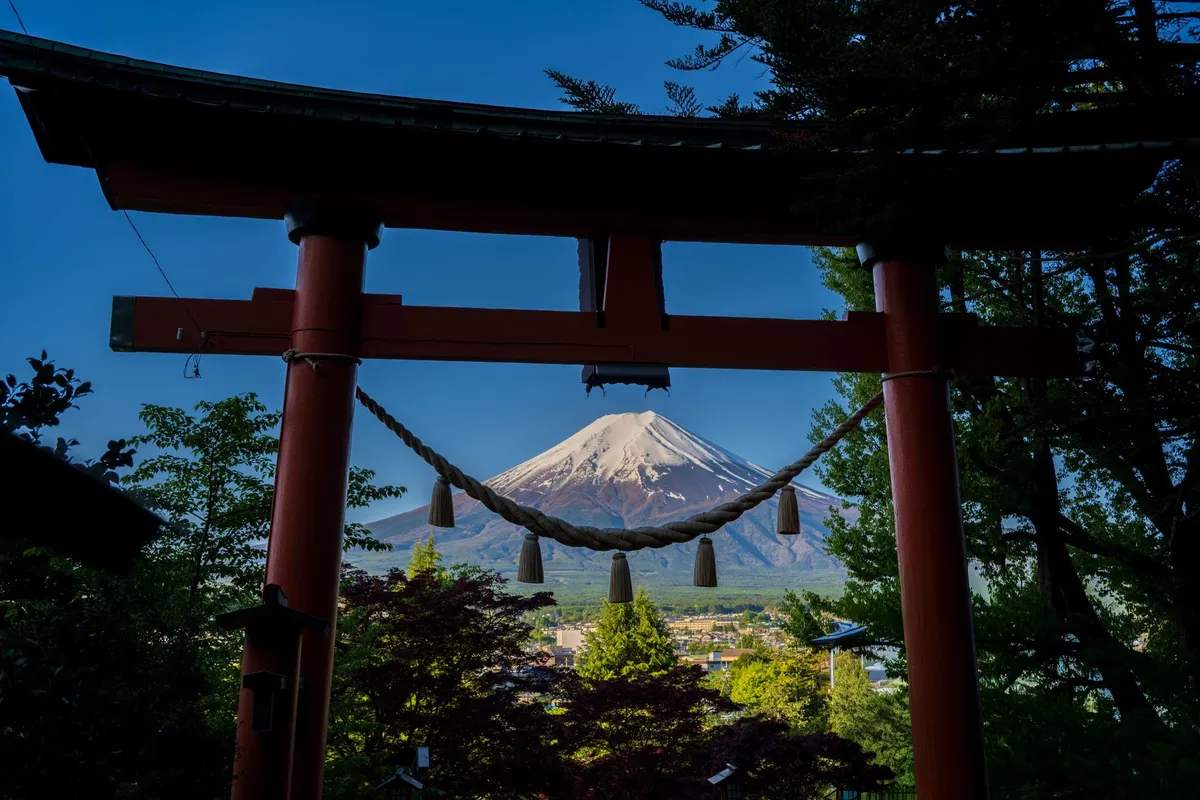
The Mt. Fuji Panoramic Ropeway is about a 15- to 20-minute walk from the station and climbs to Mount Tenjo, with a panorama of Lake Kawaguchi and Fuji when the weather allows. Lines grow on weekends and during fall foliage season; gauge the crowds before sacrificing your return time.
Afterward, pick just one activity: a short cruise, a museum, a day-use onsen, or a lakeside walk. The official Lake Kawaguchi guide highlights cycling, museums, boat rides, the ropeway, and hot springs.
Getting around: bus, bike, or car
Sightseeing lines depart from the station and connect the main spots. On busy days, buses can fill up and run late; photograph the stop’s timetable and leave a buffer for the return. A bike gives you freedom in fair weather, but the lake is bigger than it looks and wind or rain changes the experience.
- Bus: best for a first visit without driving.
- E-bike: great for the north shore and photo stops.
- Car: useful for multiple lakes, but requires parking and attention to traffic.
- On foot: only viable for the core between the station, south shore, and ropeway.
Best season and weather strategy
Winter usually offers drier air and a better chance of visibility. Spring brings flowers; early summer has hydrangeas and lavender; fall colors the north shore and raises demand. Check live cameras and the forecast on the morning of your trip, but accept that the mountain makes its own weather.
Bring an extra layer: the area is colder than Tokyo. In summer, sunscreen and water; in winter, shoes with good grip. For a day trip, buy your return with a buffer and don’t save the most important attraction for last.
 HotelAs soon as you have datesCompare neighbourhoods and guest ratings.Booking ›
 More activitiesTo compareTickets, day trips and tours with flexible cancellation.GetYourGuide ›
FAQ
Can you visit Kawaguchiko in one day?
Yes. Prioritize Oishi Park or the north shore in the morning and the ropeway in the afternoon. Don’t try to visit the Five Lakes on the same day trip.
Is bus or train better from Tokyo?
The bus is direct and simple; the train is less vulnerable to traffic but usually requires a transfer at Otsuki. Compare schedules and your starting point.
What’s the best time to see Mount Fuji?
The morning generally offers better visibility, though there’s no guarantee. Go to your top photo spot first.
Does the JR Pass cover the whole route?
No. The Fujikyu Railway segment between Otsuki and Kawaguchiko is not covered by the standard JR Pass.
How to protect your day trip
Leave Tokyo early, do the north shore first, choose either the ropeway or Chureito — not both out of obligation — and get back to the station with time to spare. The lake is bigger than it looks and buses can run late on weekends and holidays.
Use the official Japan tourism guide to check access, tours, and areas of interest. Also check the official sightseeing bus operator before buying a ticket. If your return transport has a fixed time, it’s the anchor of your itinerary.
Visibility and seasons
Fuji can vanish behind clouds even when it’s sunny in Tokyo. Winter tends to have drier air; spring, flowers; summer, lavender and longer days; fall, colorful leaves and high demand. Check the camera and forecast in the morning, but keep a museum, onsen, or café as your plan B.
Don’t treat a promotional photo as a guarantee of visibility. The trip is still worthwhile for the lake scenery, the hot springs, and the local experience, even when the cone doesn’t show. Bring an extra layer, sunscreen, and footwear suited to the season.
Connecting the dots
The station, Oishi Park, and the north shore form the simplest axis. The ropeway is near the south shore and may have a line. Chureito is in another direction and requires stairs; Oshino Hakkai is another detour. For one day, pick two hubs and save the third for another visit.
See also Hakone or Kawaguchiko, Mount Fuji itinerary, and Tokyo in three days to decide whether the day trip is really the best use of your time.
Verdict for one day
Kawaguchiko fits into a day trip when Oishi Park, one lakeside activity, and the return are your priorities. Don’t try to squeeze the Five Lakes, Chureito, Oshino Hakkai, and the ropeway into a rigid sequence.
Buy transport with a buffer, check conditions in the morning, and keep a Fuji-free alternative. The mountain is the highlight, but the itinerary should still work when visibility fails.