 Marcelo Oliveira
Foz do Iguaçu with kids or limited mobility works best when you focus each day on one main attraction, save your outings for the cooler hours, and treat travel time as part of the plan. Iguazu Falls, Parque das Aves, and Itaipu all have facilities that make the trip easier, but they require realistic choices.
Hotels in Foz de Iguazúfree cancellation options onlySee hotels ›Booking.com partner (advertising): we may earn a commission at no extra cost to you.
For a family or someone with limited mobility, two full days prevent a rushed pace: pair Iguazu Falls and Parque das Aves together, and save Itaipu for another block of time. Check rules, wheelchair availability, and walkway conditions directly with the attractions before you buy tickets.
Getting to Foz do Iguaçu and getting around
The airport is in the city, but the main attractions aren’t all on the same route. Staying near Avenida das Cataratas cuts down on back-and-forth trips if you use a wheelchair, travel with a stroller, or need breaks. Taxis, ride-hailing apps, and private transfers are usually the most direct option; confirm trunk space, car seats, and room for equipment when you book.

If your flight arrives late, don’t try to squeeze in an attraction the same day. Check in, stock up on water and snacks the kids already like, and save the main sightseeing for the next morning. Iguazu Falls park often gets tour groups and excursions; starting early helps you get through the busiest spots with less waiting and less sun.
Before you finalize your trip, compare this itinerary with our Iguazu Falls guide; it helps you decide on tickets and the order of your visit. For trips that include another border, also see how the experience works at Niagara Falls between the US and Canada. The comparison makes it clear why documents and travel time shouldn’t be treated as an afterthought.
How many days to plan without wearing everyone out
Two days is the comfortable minimum for Foz do Iguaçu with kids or limited mobility. With three days, you gain a buffer for rain, rest after a long walk, and a more relaxed visit to Itaipu. The trap is combining Iguazu Falls, Parque das Aves, and the dam on the same day: they look close on a tourist map, but the fatigue adds up.
Build the itinerary in short blocks. Head out after breakfast, plan a relaxed lunch, and get back to the hotel before everyone runs out of steam. Kids do better when they know what’s next; for limited mobility, the same logic lets you reroute a stretch, find a restroom, and keep the wheelchair or walker from turning into a race against the clock.
It’s also worth setting aside a block of time with no tickets booked. It covers a bad night’s sleep, heavy rain, or a kid who simply prefers the pool. That buffer costs less than losing prepaid tickets for times that no longer make sense.
Iguazu Falls and Parque das Aves: the easiest combination
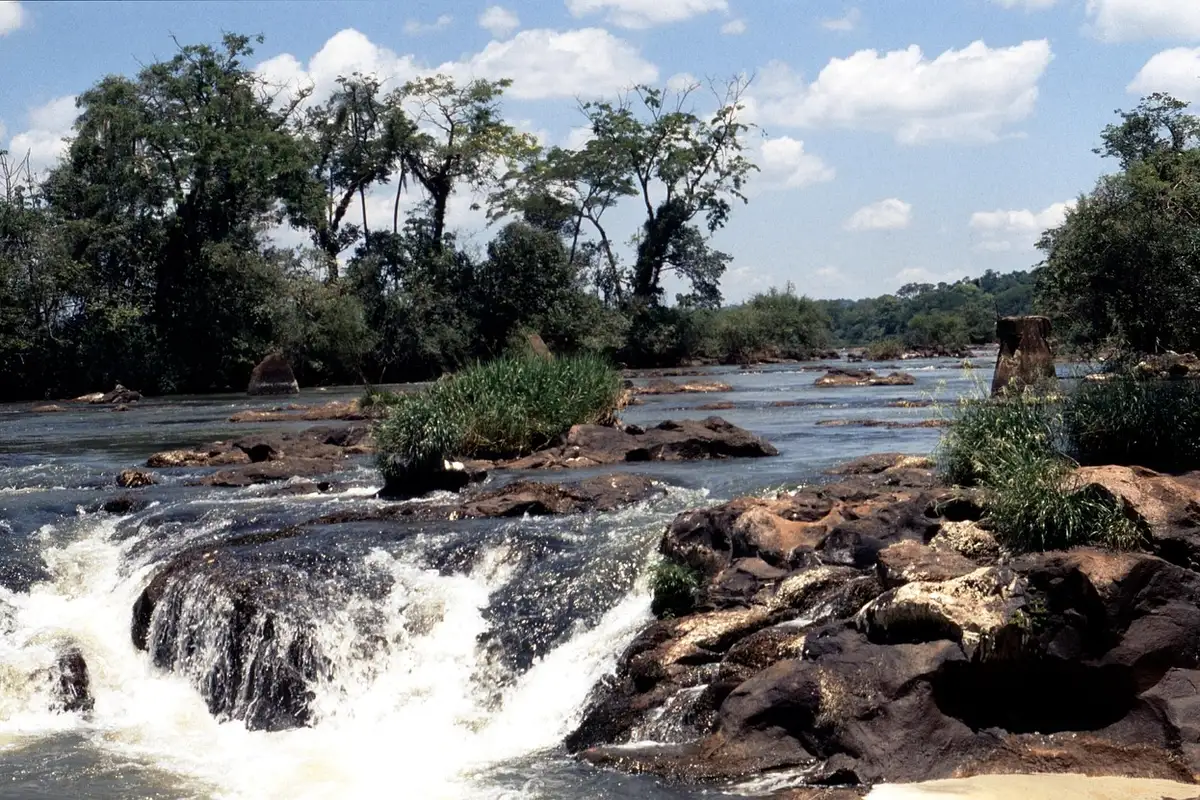
Iguazu Falls is the highlight of the trip, and the Brazilian side is the most practical for a panoramic visit. The Ministry of Tourism describes the route as inclusive; still, check the official Iguaçu National Park website for the status of the walkway, elevators, wheelchair loans, and the day’s forecast. High water flow can change sections and routines.

Bring a rain poncho, sunscreen, a change of shirt, and snacks. The mist near the Garganta do Diabo is no small detail: it soaks glasses, screens, and strollers. For young kids, choose footwear that stays on their feet; for wheelchair users, bring a simple cover for legs and anything stored on the chair.
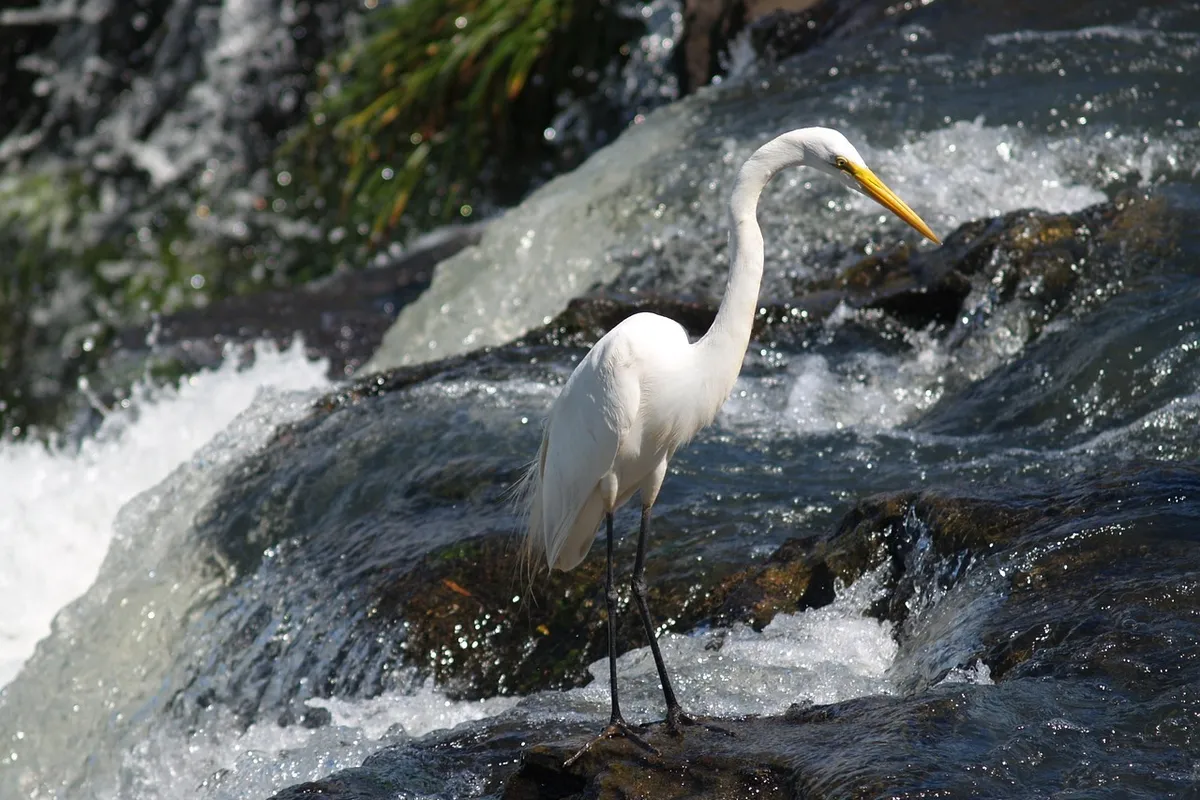
Parque das Aves is about 500 meters from the National Park entrance, according to Foz’s tourism office. It’s a good second stop on the same day if everyone is still feeling good. The trail is designed for birdwatching and conservation; lower your expectations of a “quick zoo visit” and let the kids watch the birds at their own pace.
If you want to lock in a time, you can book your Parque das Aves ticket. Check the park’s own site for updated rules on accessibility, companions, and kids’ items before your visit.
 See activities in Foz de Iguazú on GetYourGuide ›
Itaipu, Marco das Três Fronteiras, and what can wait
Itaipu is a strong choice if you want a tour that’s less exposed to water and has organized facilities. Turismo Itaipu says it offers inclusive and adapted tours; call or check the accessibility page when you’re picking a date and tour type. Don’t assume every circuit has the same physical demands.
Marco das Três Fronteiras works well in the late afternoon, especially if the group has rested beforehand. Boat rides, long trails, and the Argentine side of the falls can be great for those with the energy, but they shouldn’t be the main promise of an accessible itinerary: access, lines, and routes vary.
A useful approach is to prioritize what everyone can enjoy together and keep a more physical activity as an optional plan. That way, no one spends the day waiting at an exit area or feeling like they held the group back.
If the family is planning a long trip with very different legs, it’s worth learning from a car-free nature itinerary: reduce hotel changes and always leave a buffer between arrival and activities. In Foz, that decision usually pays off more than adding a fourth ticket.
Where to stay to walk less
Look for a hotel on Avenida das Cataratas or near the center, depending on your transportation. Before booking, don’t just pick the “accessible” filter: ask about door width, a step-free shower, grab bars, an elevator to your floor, and a drop-off spot. If you’re traveling with kids, confirm the crib, minibar, and on-site restaurant.
A functional room is worth more than a slightly cheaper rate far from everything. After a day at the falls, a short ride back for a shower and rest changes the whole group’s experience. Also ask the front desk for a reliable transport number so you’re not hunting for a car when everyone is already tired.
Where to stay in Foz de Iguazú
| Hotel | Rating | |
|---|---|---|
| Hotel das Cataratas, A Belmond Hotel, Iguassu FallsIguaçu National Park · BR 469 Km 32, Iguaçu National Park | 9,61.837 reviews | See prices |
| Sanma HotelRodovia das Cataratas · Rodovia das Cataratas Km 21, nº 12280 | 9,21.997 reviews | See prices |
| JL Hotel by BourbonFoz do Iguaçu city centre · Avenida Costa e Silva, 154 | 9,03.585 reviews | See prices |
| Wyndham Golden Foz SuítesFoz do Iguaçu city centre · Rua Rui Barbosa, 394 | 8,81.301 reviews | See prices |
| Nadai Confort Hotel e SpaFoz do Iguaçu city centre · Av. República Argentina, 1332 | 8,81.044 reviews | See prices |
| Foz Plaza HotelFoz do Iguaçu city centre · Rua Marechal Deodoro, 1819 | 8,71.666 reviews | See prices |
| Hotel Coroados Foz ExpressFoz do Iguaçu city centre · Rua Marechal Deodoro 886 | 8,81.216 reviews | See prices |
| LAS HOTEL BOUTIQUEFoz do Iguaçu · Rua Oscar Genehr, 425 | 9,7247 reviews | See prices |
Booking.com rating on 30/09/2026
Practical tips before you buy
Buy tickets and book transportation only after checking the official websites in July 2026, since prices, hours, and weather conditions change. Bring the kids’ documents, regular medication, a cover for the stroller or wheelchair, and a small bag of snacks. For people with sensory sensitivities, noise-canceling headphones and sunglasses can help in crowded areas and near the sound of the water.
There’s a difference between an “accessible” tour and a comfortable day. Before you head out, agree with everyone on a meeting point in case someone needs to turn back early; save the hotel address on your phone and on paper; and don’t let a hungry kid or a dead battery decide the itinerary. These details seem small until the moment the group is far from the front desk.
On hot days, aim for the earliest entry time available. The shade of the forest helps, but waiting for the bus, the viewpoints, and crossing open areas call for constant hydration. If it rains, don’t automatically cancel: the Falls are still stunning, but the walkways can get slippery and a rain poncho stops being optional. Ask at the entrance which sections have temporary changes.
The best money-saving move is not buying an itinerary that forces the group to give up halfway. Transfers with clear schedules, a well-located hotel, and lunch near the attractions cost planning, but they save energy that matters more when there’s a child, pain, heat, or a need for support.
When choosing the Argentine side, also check documents, border requirements, and the possibility of returning without rushing. Don’t book a flight, dinner, or any other important activity right after. The destination spans three countries, which is an advantage for those with time; on a short trip, it might be the reason to simplify and fully enjoy the Brazilian side.
To set kids’ expectations, show them real photos of the Falls before you leave and let them know there will be noise, mist, and walking. Breaking the route into small steps—bus, viewpoint, lunch, birds—helps more than promising everything will be quick. Those using a wheelchair or equipment also gain independence when they know in advance where there will be uneven ground or a longer stop.
Tell the attraction staff what would help: extra time to board, information about a stair-free route, or a place for a break. Asking isn’t embarrassing; it prevents improvisation. Foz do Iguaçu is big enough to offer alternatives, but the best trip is the one that fits the family’s real pace.
Also build in a 20- to 30-minute buffer for each transfer. The goal isn’t to fill the schedule: it’s to arrive calmly, find the bathroom before you need it, and keep the energy for what really matters. If you’re torn between one more activity and more rest, choose rest. It protects the rest of the itinerary.
Operating information is reviewed by the attractions themselves. Also check the Itaipu Tourism accessibility page and the Parque das Aves website before purchasing. Written confirmation about a wheelchair, seat, or companion avoids surprises at the gate.
 HotelAs soon as you have datesCompare neighbourhoods and guest ratings.See hotels ↑
- More activitiesTo compareTickets, day trips and tours with flexible cancellation.GetYourGuide ›
Frequently Asked Questions
Are Iguazu Falls accessible?
Iguazu National Park provides accessibility solutions, but the conditions of the walkway and available services should be confirmed for your visit date through the official channel.
Is it possible to visit the Falls and Parque das Aves on the same day?
Yes. Iguazu Falls and Parque das Aves are very close to each other; do the Falls early and only head to the bird park if the group still has energy.
How many days are ideal in Foz with kids?
Two full days allow you to see the Falls and Parque das Aves without mixing Itaipu into the same day. Three days give you room for breaks and rain.
Is the Argentine side worth including?
The Argentine side of Iguazu Falls expands the experience, but it requires documentation, travel time, and more walking. Include it only if the group has the energy and extra time.
Conclusion
Foz do Iguaçu rewards an itinerary that embraces breaks. At Voyage Voyage, use this as a base to choose two or three experiences everyone can truly enjoy, instead of trying to check off a long list.