 Marcelo Oliveira
The Mediterranean is the sea that washes three continents and packs in some of the most coveted destinations on the planet: historic cities, islands of whitewashed houses, medieval walls and blue villages, with great food and mild weather most of the year. This guide brings together the best Mediterranean destinations to visit, with what to see in each one, when to go and how to put your itinerary together.
The best Mediterranean destinations combine history, beaches and colorful villages: Rome, in Italy; Santorini, in Greece; Dubrovnik, in Croatia; and Tunisia, in North Africa. The best time is usually spring and fall, outside the peak summer heat and crowds.
| Destination | Country | Highlight |
| Rome | Italy | History and Roman ruins |
| Santorini | Greece | Volcanic island and sunsets |
| Dubrovnik | Croatia | Walled city on the Adriatic |
| Tunisia | North Africa | Medina, Carthage and blue villages |
Reference snapshot from August 2026; confirm prices and opening hours on official websites.
Rome, Italy
The capital of Italy and the heart of the ancient Roman Empire, Rome is the most complete Mediterranean destination for history lovers: the Colosseum, the Roman Forum, the Pantheon and the Trevi Fountain sit alongside the Vatican and unbeatable food. It’s a city made for walking, and every corner reveals ruins, churches and piazzas. The historic center is a UNESCO World Heritage Site, and it’s worth setting aside a full day just for the Colosseum, Forum and Palatine Hill combo, and another for the Vatican. Start with our complete guide to Rome and our Colosseum guide.
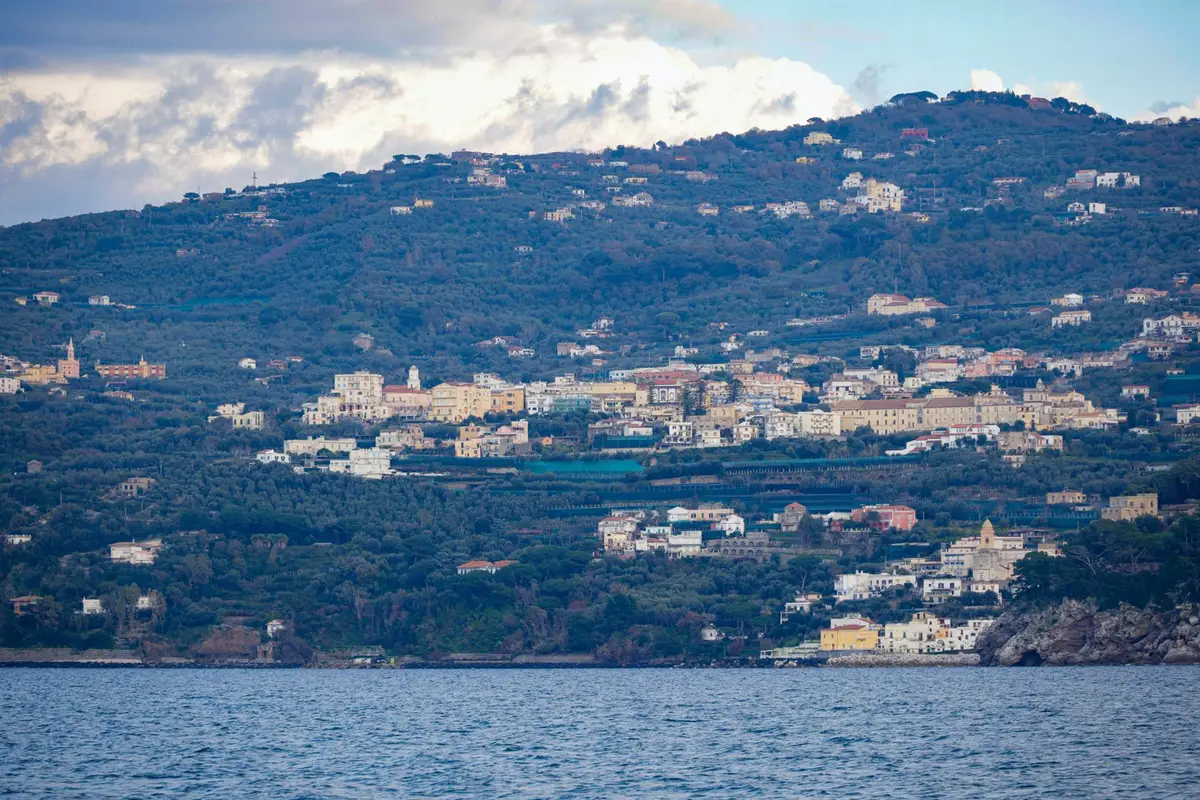
Book the Colosseum and the Vatican Museums in advance: they’re the tickets that sell out fastest in high season. Three to four days cover the main sights without rushing.
Santorini, Greece
Santorini is Greece’s postcard island: white houses with blue domes perched over the caldera of a volcano in the Aegean Sea. The villages of Oia and Fira have the most famous viewpoints, and the sunset is a show of its own. A boat trip around the caldera, with a stop at the hot springs, is also worth it. Check out the Santorini caldera guide to plan your day.
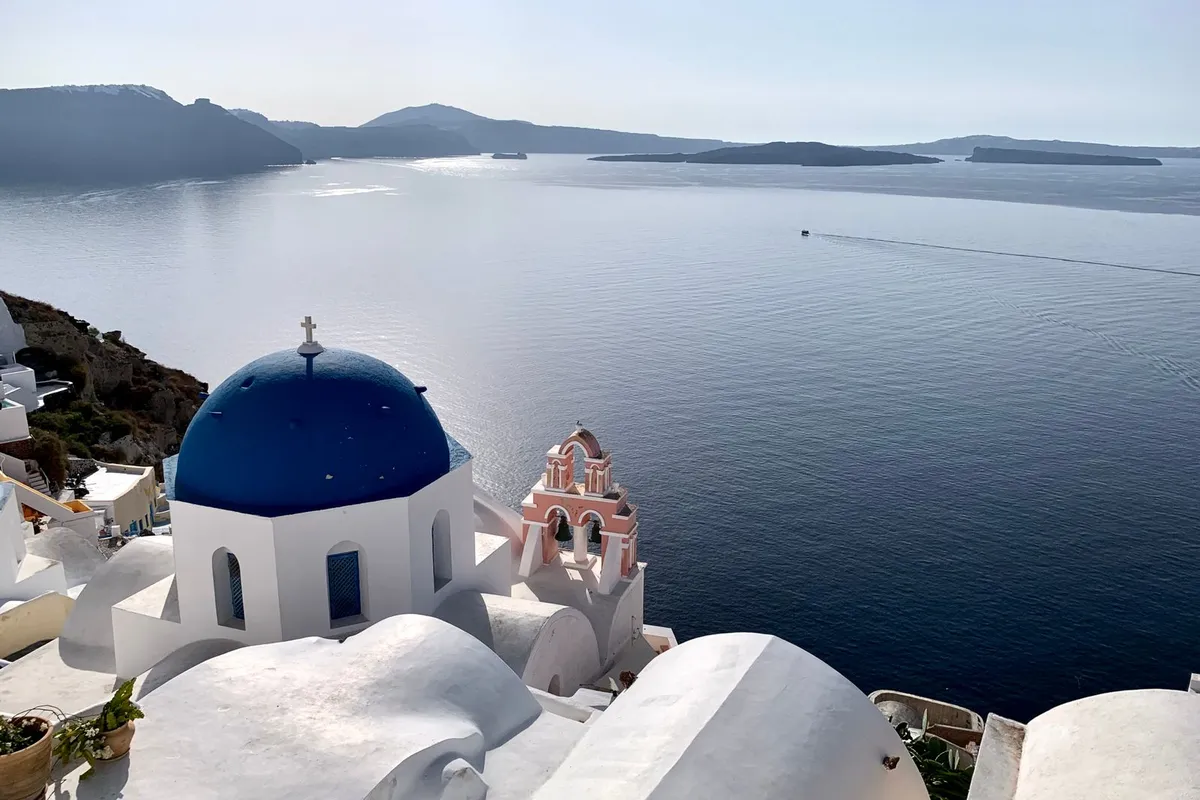
High season (July and August) fills the island; for photos with fewer people and better prices, go for May, June or September. Book caldera-view accommodations well in advance, since they’re the most sought-after. Beyond the viewpoints, it’s worth heading down to the old port, visiting the volcanic black- and red-sand beaches and trying the local wines grown in volcanic soil.
 Hotels in SantoriniBooking · ratings and neighbourhoodsSee ›
 Santorini Day Trip: Kamari, Oia, & Firadesde €60 · CivitatisSee ›
Dubrovnik, Croatia
On the Adriatic coast, Dubrovnik is one of Europe’s best-preserved walled cities and a backdrop for TV series and films. Walking the city walls, with the sea on one side and the orange rooftops on the other, is the must-do experience. The Old Town, closed to cars and also a UNESCO World Heritage Site, is packed with churches, squares and polished stone streets. Take the cable car up Mount Srđ to see the walled city from above, with the Elafiti islands in the background. Plan your visit with the 7-day Dubrovnik itinerary.
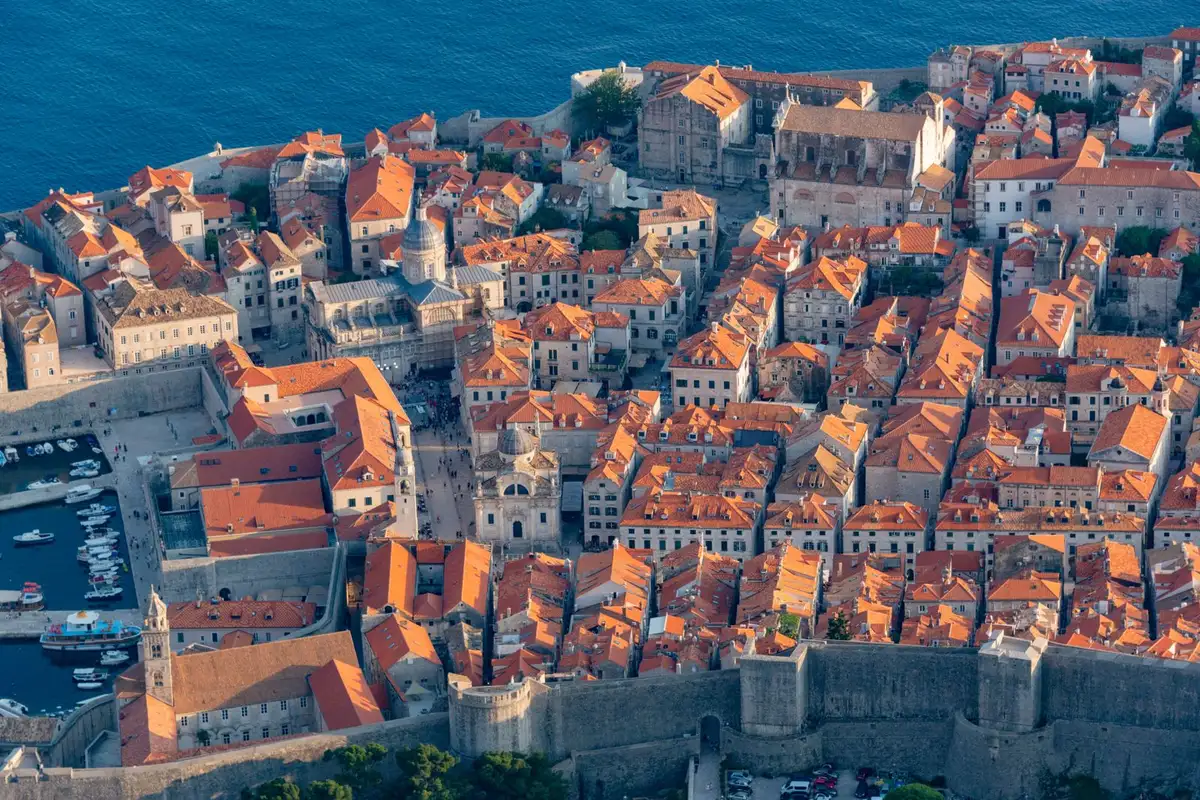
Walk the city walls early in the morning or late in the afternoon, when the heat and crowds ease up. The city is small and walkable, but the staircases require some stamina.
Hotels in DubrovnikBooking · ratings and neighbourhoodsSee ›Dubrovnik Free TourCivitatisSee ›Tunisia, North Africa
On the other side of the Mediterranean, Tunisia is the most accessible gateway to North Africa: medieval medinas, the ruins of Carthage, the blue-and-white village of Sidi Bou Said and the Sahara Desert, all in a small, affordable country. It’s a destination that speaks directly to Italy’s Roman heritage, since Carthage and Rome were rivals in antiquity. See what to do in Tunisia.
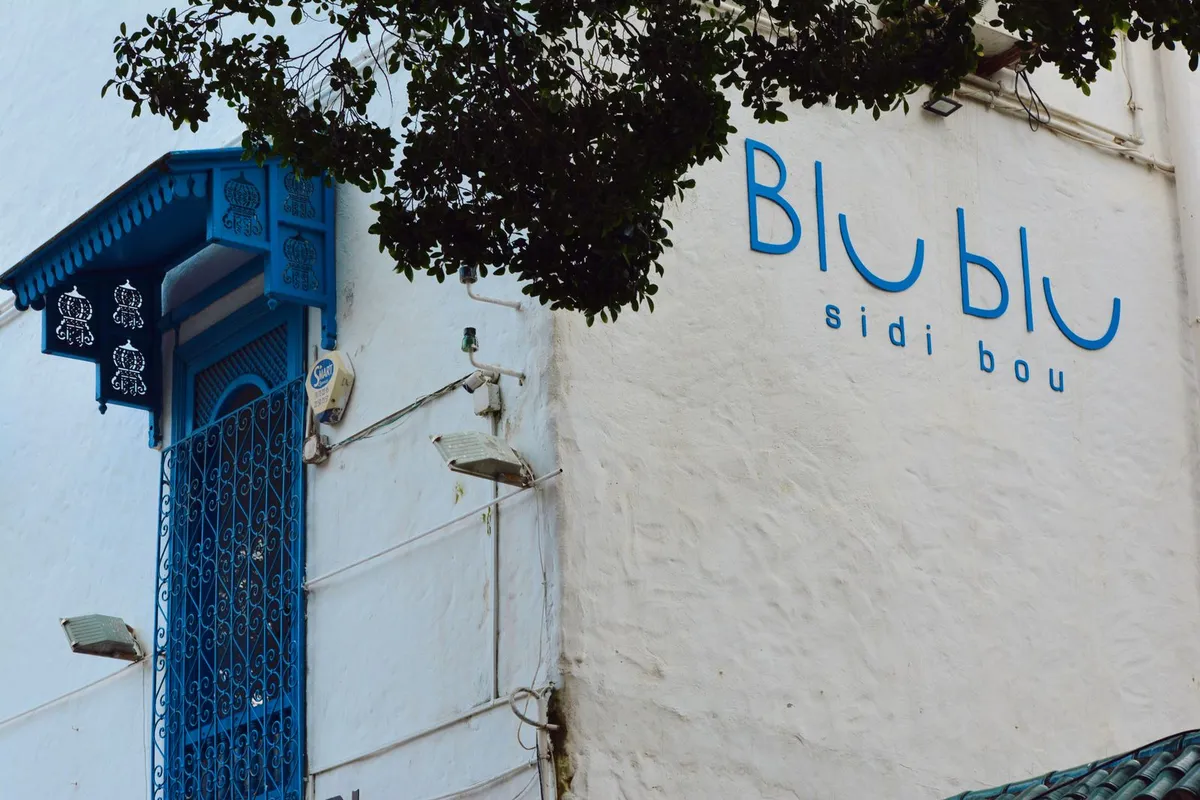
Brazilians don’t need a visa for short-term tourism in Tunisia, but confirm the updated rules before you travel. Spring and fall are the best times to walk through the medinas and ruins without the extreme summer heat.
How to plan your itinerary and the best time to go
You can combine several destinations on a single trip, taking advantage of flights and ferries between countries. Classic itineraries pair Italy and Greece, or Croatia and Italy; Tunisia is an easy add-on from Rome or other European cities. Set aside three to five days per destination so you’re not rushing.
The best time across most of the Mediterranean is spring (April to June) and early fall (September and October): mild weather, long days and fewer crowds than in July and August. To sort out tickets and tours in advance, check out the activities and tours in Rome, a great starting point for your itinerary.
A relaxed two-week itinerary could combine, for example, Rome, a flight to Santorini and the return through Italy; or Rome, Dubrovnik and an extension to Tunisia. The key is to respect the best season and leave some breathing room between transfers.
- HotelAs soon as you have datesCompare neighbourhoods and guest ratings.Booking ›
 More activitiesTo compareTickets, day trips and tours with flexible cancellation.GetYourGuide ›
Frequently asked questions
What are the best Mediterranean destinations?
Among the best Mediterranean destinations are Rome (Italy), for its history; Santorini (Greece), for its islands and sunsets; Dubrovnik (Croatia), for its walled city; and Tunisia (North Africa), for its medinas, Carthage and blue villages. All of them make for memorable trips.
What’s the best time to travel around the Mediterranean?
Spring (April to June) and early fall (September and October) are the best times: mild weather, long days and fewer crowds than in July and August, when the heat cranks up and prices rise.
Can you combine several Mediterranean countries in one trip?
Yes. Low-cost flights and ferries connect the destinations well. Classic itineraries pair Italy and Greece, or Croatia and Italy, and Tunisia is an easy add-on from Rome or other European cities.
Do you need a visa for these Mediterranean destinations?
For Italy, Greece and Croatia, Brazilians don’t need a visa for short-term tourism in the Schengen Area, but will need to use the ETIAS authorization once it takes effect. For Tunisia, no tourist visa is required either. Always confirm the updated rules.
Conclusion
The Mediterranean destinations combine ancient history, movie-star islands, city walls and colorful villages, all connected by the same sea. Start with Rome if you’re after history, Santorini if you want islands, Dubrovnik if you love walled cities and Tunisia if you want a taste of exotic North Africa — and travel in spring or fall to make the most of it. Happy travels with Voyage.