 Marcelo Oliveira
Mexico City rewards visitors who arrive with curiosity and a bit of strategy. Instead of trying to check off a list of attractions, it’s worth dividing your days by region: the Historic Center, Chapultepec, Coyoacán, and Xochimilco are all in different parts of this enormous metropolis. That way, you see more and spend less time stuck in traffic.
Hotels in Mexico Cityfree cancellation options onlySee hotels ›Booking.com partner (advertising): we may earn a commission at no extra cost to you.
Mexico City: The Essentials Before You Go
For a first trip to Mexico City, set aside at least four days, stay near a metro station, and group your outings by neighborhood. The capital sits at an altitude of about 2,240 meters, has long distances to cover, and blends pre-Hispanic history, excellent museums, and incredible street food.
Getting There and Adjusting to the Altitude
Benito Juárez International Airport (AICM) is the most practical gateway for travelers coming from Brazil, usually with a connection. Upon landing, opt for an authorized taxi, a pre-booked transfer, or a ride-hailing app; confirm the meeting point for your terminal before requesting a car. The city is also served by AIFA, which is farther from downtown, so check which airport is on your ticket before choosing your accommodation.
The altitude catches many people off guard: for the first couple of days, drink water frequently, keep meals light, and don’t schedule a marathon of museums and long walks right after your flight. Headaches and fatigue can happen; severe or persistent symptoms deserve medical attention. The city’s official tourism page has tips on adjusting to the altitude.
Best Time to Visit and How Many Days to Stay
Mexico City’s climate is milder than the “hot Mexico” stereotype suggests. Generally, November through April tends to bring less rain; between May and October, late-afternoon downpours are more likely. Pack layers no matter the season: mornings and evenings can be cool, even on sunny days.
Four full days give you a solid first impression without rushing from one place to another. With five or six, you can include Teotihuacán and Xochimilco at a relaxed pace. If you only have two days, pick the Historic Center for one and Chapultepec/Roma/Condesa for the other. The most expensive mistake is planning an itinerary by attractions instead of by region.
What to See on Your First Visit
Historic Center: Start at the Zócalo
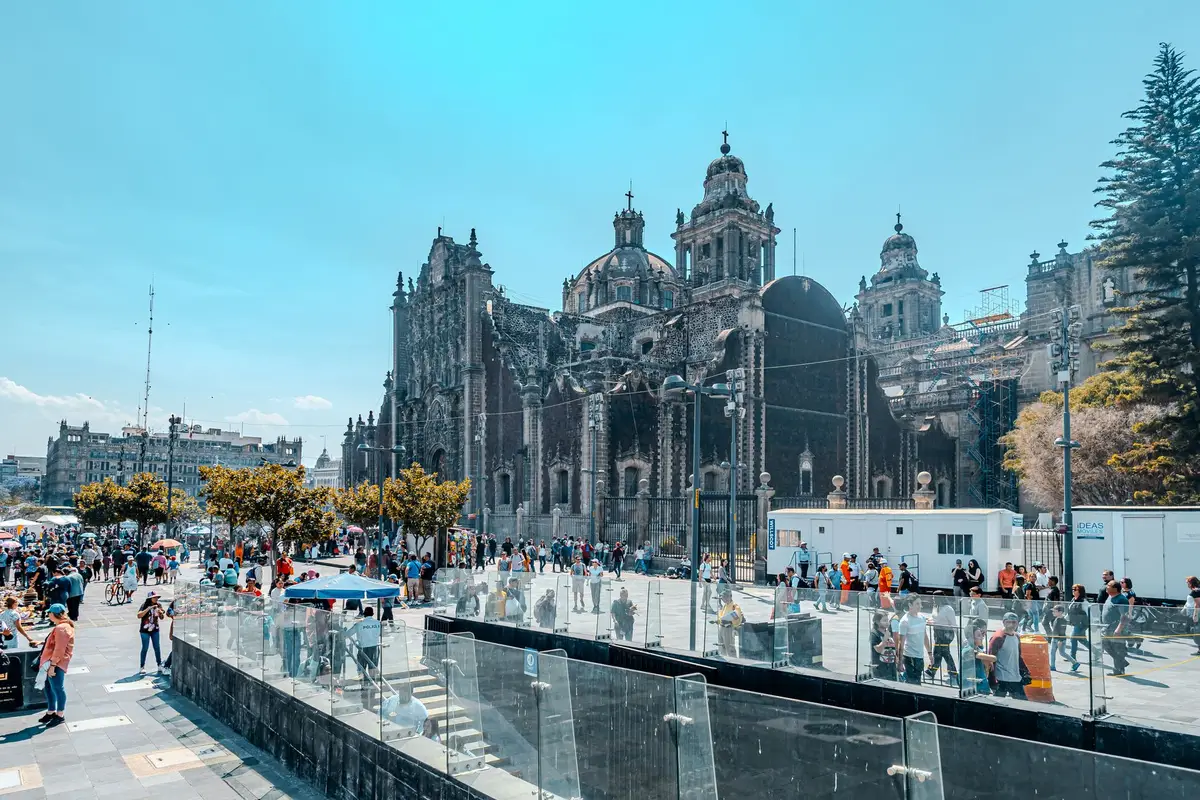
The Zócalo, or Plaza de la Constitución, captures the scale of the capital. Walk around the square, admire the Metropolitan Cathedral, and head to the Templo Mayor to understand that today’s city was built on top of ancient Tenochtitlán. Bellas Artes, Alameda Central, and the Torre Latinoamericana fit perfectly into the same walking tour, with coffee breaks and time to escape the sun.
It’s a great area during the day, but keep your phone and wallet in a closed pocket in the crowds. If you enjoy archaeological sites, you can continue exploring with this Chichén Itzá guide, which helps you compare two very different experiences of ancient Mexico.
Chapultepec and the National Museum of Anthropology
Set aside a morning or a long afternoon for Chapultepec Park and the National Museum of Anthropology. Don’t try to see every room in an hour: pick the Mexica and Maya halls and the pieces that catch your eye. The museum is one of the best starting points for understanding the peoples who shaped the country.
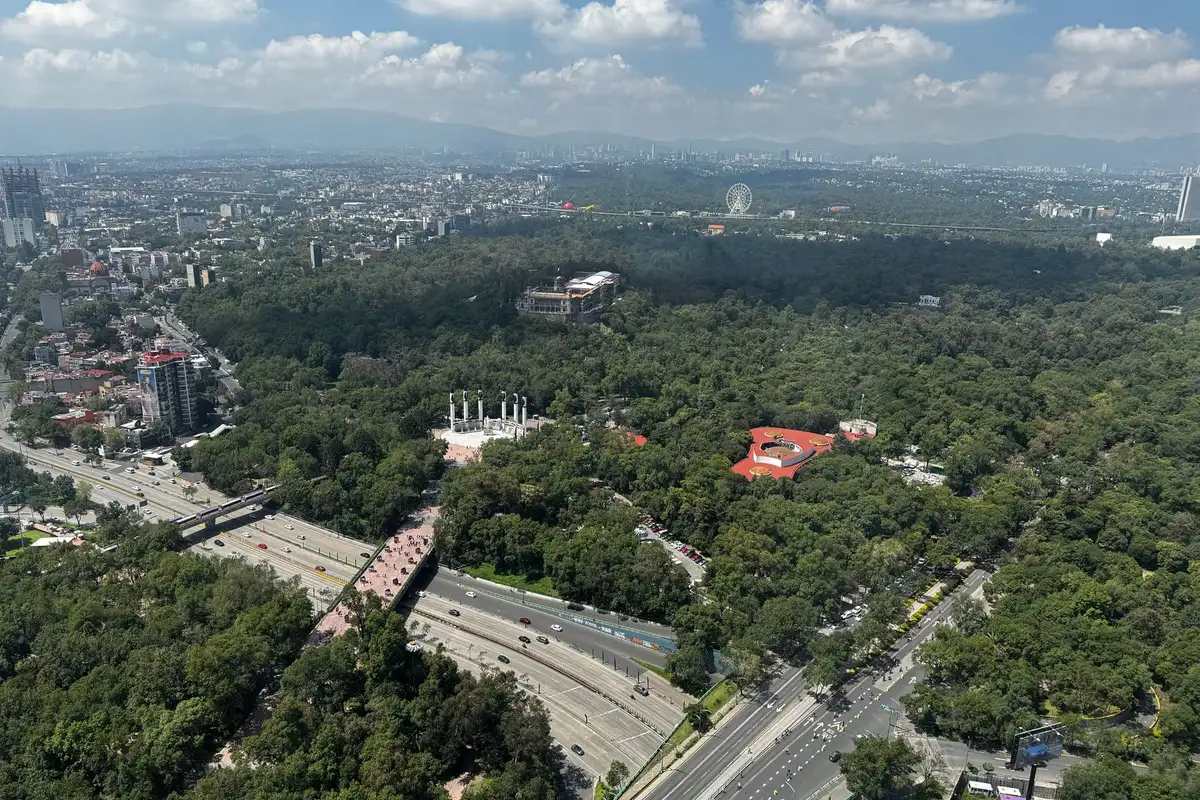
Nearby, you’ll find Chapultepec Castle and neighborhoods like Roma and Condesa, which are great for the late afternoon. If your trip also takes you to other big cities, check out how to enjoy an urban park in São Paulo without turning the outing into a race.
 See activities in Mexico City on GetYourGuide ›
Coyoacán, Frida Kahlo, and Xochimilco
Coyoacán has a slower pace, shaded plazas, and colonial houses. The Casa Azul, dedicated to Frida Kahlo, is very popular; buy your ticket on the official channel in advance once your date is set. Only combine Coyoacán with Xochimilco if you have the whole day: the canals are to the south, and the commute takes longer than the map suggests.
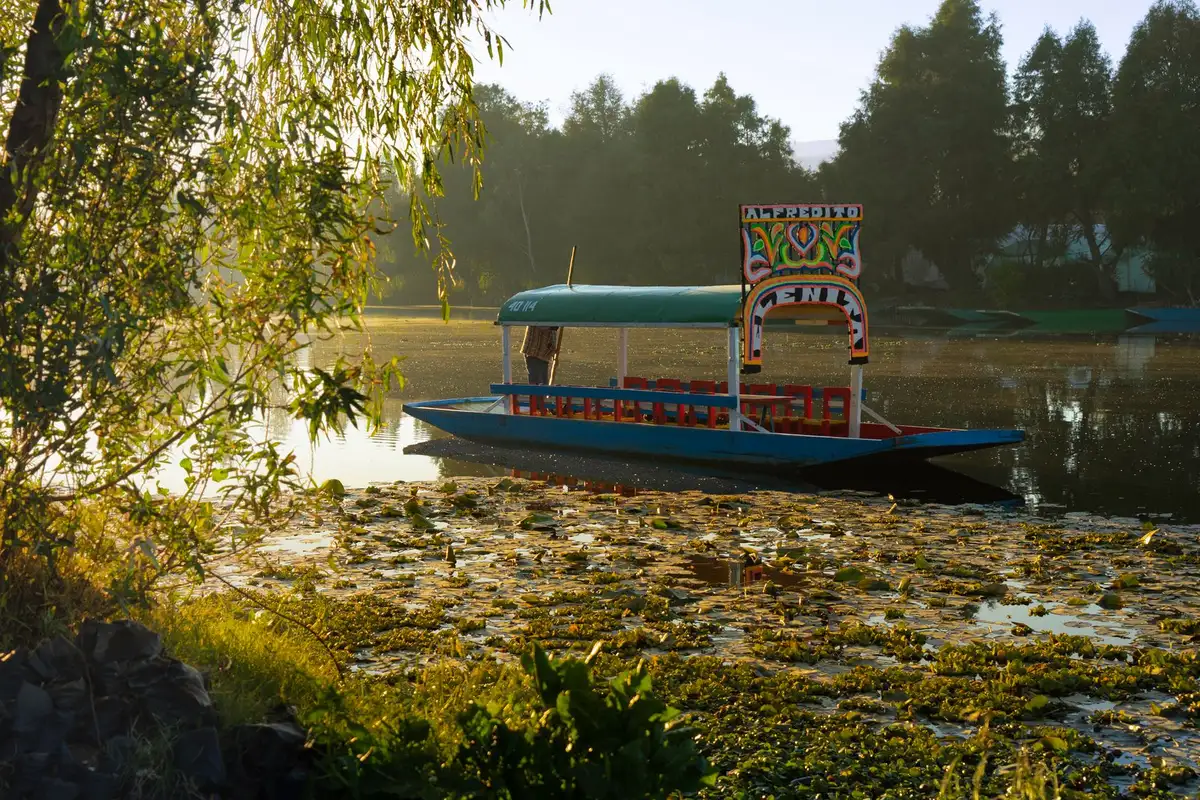
In Xochimilco, the experience is renting a trajinera and cruising the canals with food, drinks, and sometimes music all around. Agree on the price and duration before boarding, and prefer going during the day. It’s not a “quick stop” between two attractions: treat it as a half-day activity.
Teotihuacán and Other Day Trips to Combine
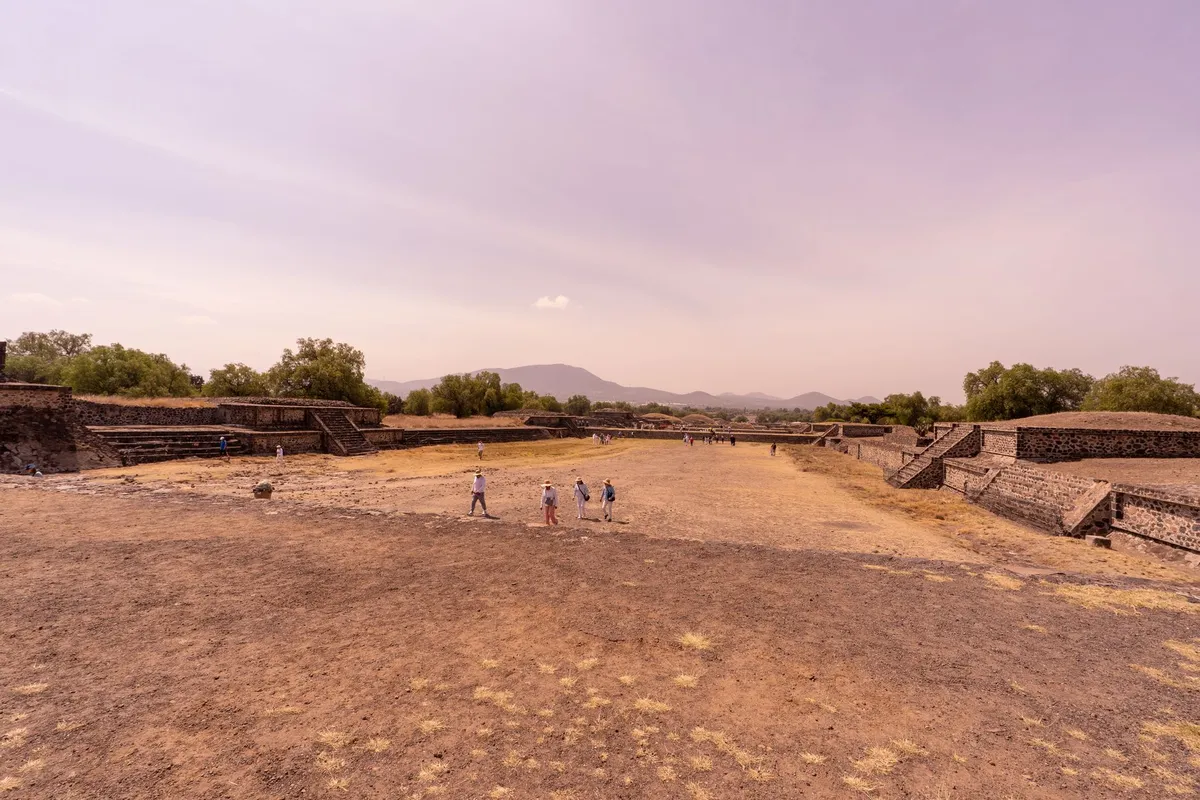
Teotihuacán is about 50 kilometers from the capital and deserves its own day. The ancient city predates the Aztecs by centuries; walking down the Avenue of the Dead, between the monumental complexes, gives you a real sense of the place. Check the latest rules and information on the INAH website, which manages the site.
You can go on your own, but for a first trip, an organized tour cuts down on the logistics of transport and historical context. The Teotihuacán tour with transportation from Mexico City is a practical option; read what’s included and the return time before booking.
It’s also worth setting aside time for a free walking tour of Mexico City’s Historic Center at the start of your stay. It helps you get your bearings downtown and leaves the museums and markets for you to explore later at your own pace.
If you have more days on your itinerary and want to get out of the capital, you can add a stopover in Guadalajara, Mexico — a completely different city with its own historic center, mariachi music, and the tequila route just a few miles away.
Where to Eat: Tacos, Markets, and One Simple Rule
Eating well is part of the itinerary. To start, look for tacos al pastor, quesadillas, chilaquiles, mole, and tamales — no pressure to try everything on day one. Markets and taquerias packed with locals are usually way more interesting than “Instagram-worthy” spots with no soul; check the hygiene, how fast the food is moving, and watch them cook it right in front of you.
Roma, Condesa, Centro, Coyoacán, and Juárez each offer a different dining vibe. Go easy on the sauces: the heat can be way more intense than it looks. Bottled water is the safest bet for travelers, especially when it comes to ice at no-frills spots. Don’t just snack on the go: plan a real meal break between neighborhoods.
Where to Stay Without Wasting Hours on Transit
For a first visit, Roma Norte and Condesa hit the sweet spot with restaurants, walkable streets, and easy access to other areas. Reforma/Juárez is convenient if you want bigger hotels and proximity to Chapultepec. The Historic Center puts you right next to the monuments, but it demands extra caution at night and a careful hotel pick. Coyoacán is charming, though less central for a packed itinerary.
Before booking, open the map and check the distance to the nearest metro or Metrobús station. Don’t choose based on price alone: a cheaper rate can cost you hours in traffic. It’s the same logic as planning a Porto itinerary by neighborhoods and transit: a smart location frees up more time for the actual trip.
Where to stay in Mexico City
| Hotel | Rating | |
|---|---|---|
| Hotel Flamencos Centro HistóricoHistoric centre · Flamencos 12 Bis | 9,12.307 reviews | See prices |
| VOS CondesaCondesa · Mutualismo 76 | 9,01.239 reviews | See prices |
| Hotel CatedralHistoric centre · Republica de Guatemala 16 | 9,24.469 reviews | See prices |
| Reforma Guest HouseReforma · Río Guadalquivir Número 84 | 9,11.166 reviews | See prices |
| Historico Central HotelHistoric centre · Bolivar 28 | 9,51.303 reviews | See prices |
| Zócalo CentralHistoric centre · Avenida 5 de Mayo 61 | 9,41.301 reviews | See prices |
| Stanza HotelRoma Norte · Avenida Alvaro Obregon 13 | 8,51.942 reviews | See prices |
| Gran Hotel Ciudad de México Zócalo ViewHistoric centre · Avenida 16 de Septiembre 82 | 9,31.115 reviews | See prices |
Booking.com rating on 30/09/2026
Practical Tips to Keep Your Trip Flowing
- Use ride-hailing apps at night or for long hauls; on the metro, skip peak hours and keep your belongings in front of your body.
- Carry small amounts of Mexican pesos for markets, tips, and street stalls; cards work in many places, but not everywhere.
- Avoid pulling out your phone on empty streets and don’t accept pushy help from strangers at ATMs.
- Plan each day by neighborhood and leave a realistic buffer for traffic, rain, and lines.
- Brazilians should double-check entry requirements before booking: the paperwork can vary depending on route, connection, and travel status.
The official Mexico City portal has guides, transit info, and useful contacts. Also save your hotel’s address offline before heading out for your first adventure.
 HotelAs soon as you have datesCompare neighbourhoods and guest ratings.See hotels ↑
- More activitiesTo compareTickets, day trips and tours with flexible cancellation.GetYourGuide ›
Frequently Asked Questions
How many days are enough for Mexico City?
Four full days are a solid base for the Historic Center, Chapultepec, Coyoacán, and Xochimilco. Add one more day if you want to visit Teotihuacán without rushing your itinerary.
What’s the best time to visit Mexico City?
From November to April, there’s usually less rain. The city sits at a high altitude, so mornings and evenings can be cool no matter the season.
Is it safe to visit Mexico City?
Tourist areas get plenty of visitors, but they still require the usual big-city awareness: use reliable transport at night, keep an eye on your belongings, and avoid deserted streets.
Is a day trip to Teotihuacán worth it?
Yes. Teotihuacán is one of the best add-ons to the capital and needs a full day — leave early, and bring sunscreen, water, and comfortable shoes.
Do Brazilians need a visa for Mexico?
Entry rules should be confirmed before your trip, as they can change and depend on your route, connection, and travel documents.
Conclusion
Mexico City can’t be squeezed into a short list — and that’s exactly the charm. Pick a few neighborhoods per day, leave room for a taqueria that catches your eye, and treat Teotihuacán as its own adventure. Over at Voyage Voyage, you’ll find more guides to keep planning your trip.