 Marcelo Oliveira
Benidorm, Spain, is worth the stop for anyone who wants a beach with urban infrastructure and easy-to-plan days. On the Costa Blanca, the city combines the sandy stretches of Levante and Poniente, the old town around the Balcón del Mediterráneo, and outings to Serra Gelada or the island facing the bay. In one day, you can get a good feel for the destination; with more time, it works as a base for exploring Alicante and neighboring villages.
Hotels in Benidormfree cancellation options onlySee hotels ›Booking.com partner (advertising): we may earn a commission at no extra cost to you.
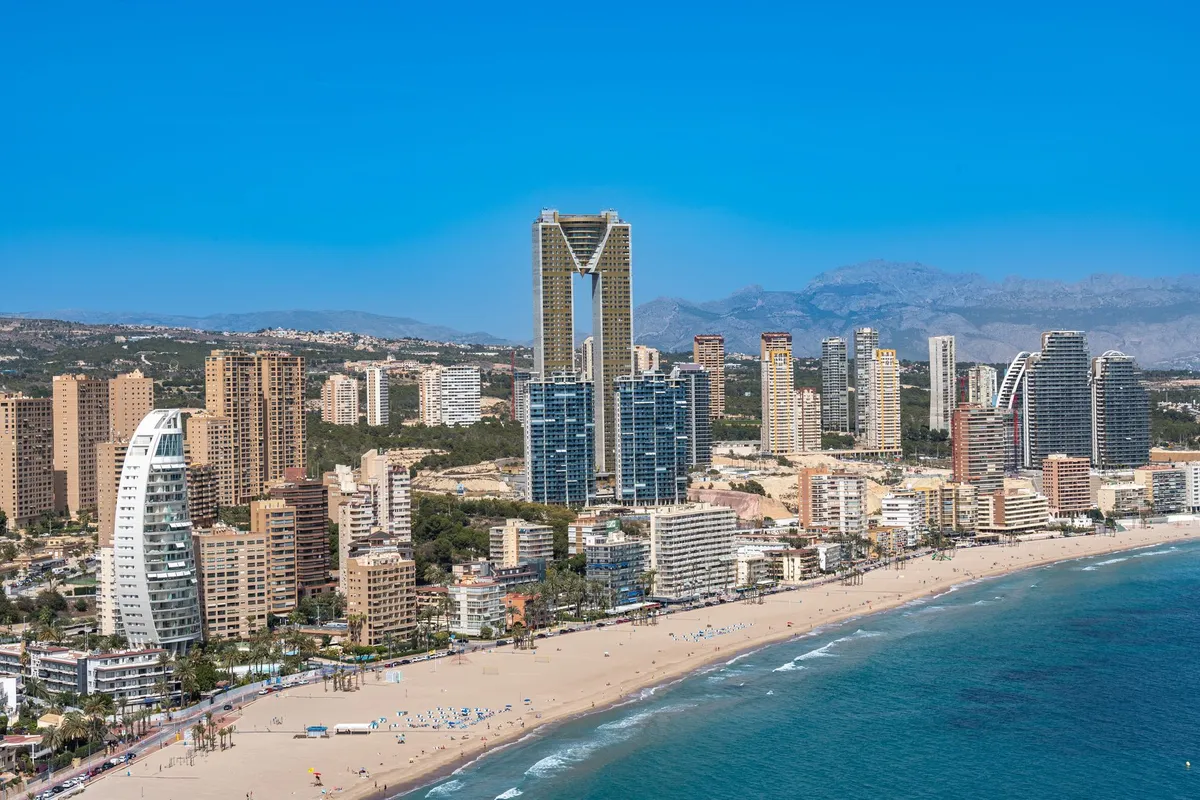
Where Benidorm is and why it’s different
Benidorm is in the province of Alicante, in the Valencian Community, on the Mediterranean coast known as the Costa Blanca. It isn’t an isolated beach: it’s a resort city built around a bay, with two large urban beaches, services within a short distance, and a historic center between them. The definitive figure from INE points to 77,327 inhabitants in 2025, a number that helps explain why there’s urban life and commerce beyond the summer season.
For those arriving by plane, Alicante-Elche airport is the most common gateway. Aena reports that bus C6 connects the airport to Luceros station in Alicante, and that the TRAM network links Alicante, Benidorm and Dénia. This combination is economical but involves a transfer; with large luggage or a tight schedule, it’s worth also comparing direct buses and transfers before deciding.
Benidorm beaches: Levante, Poniente and coves
The main choice is simple: Levante for those who want action and Poniente for those who prefer a roomier waterfront with a less concentrated pace. Both are urban sandy beaches connected to the center, and both received Blue Flag status in 2026 according to the Benidorm city council. Instead of trying to find “the best,” choose based on the experience you want that day.
Levante: to be in the center of the action
Levante stretches east of the Balcón del Mediterráneo and concentrates the classic landscape of hotels, promenade, restaurants and activities. It’s the logical option if you’re staying in Rincón de Loix, want to walk little between swimming and meals, or are traveling with a group that prefers plenty of choices around. In peak-demand months, arriving early makes a difference when choosing the most comfortable stretch of sand.
Poniente: to walk more and slow down
Poniente is on the west side of the Balcón and is the most interesting choice for a long beach morning followed by a walk along the waterfront. The seaside promenade helps spread people out and gives the beach a less compact feel. It’s a good bet for families and for those who want to fit in the old town without depending on transport.
Mal Pas, Tío Ximo and Almadrava: when to look for another scene
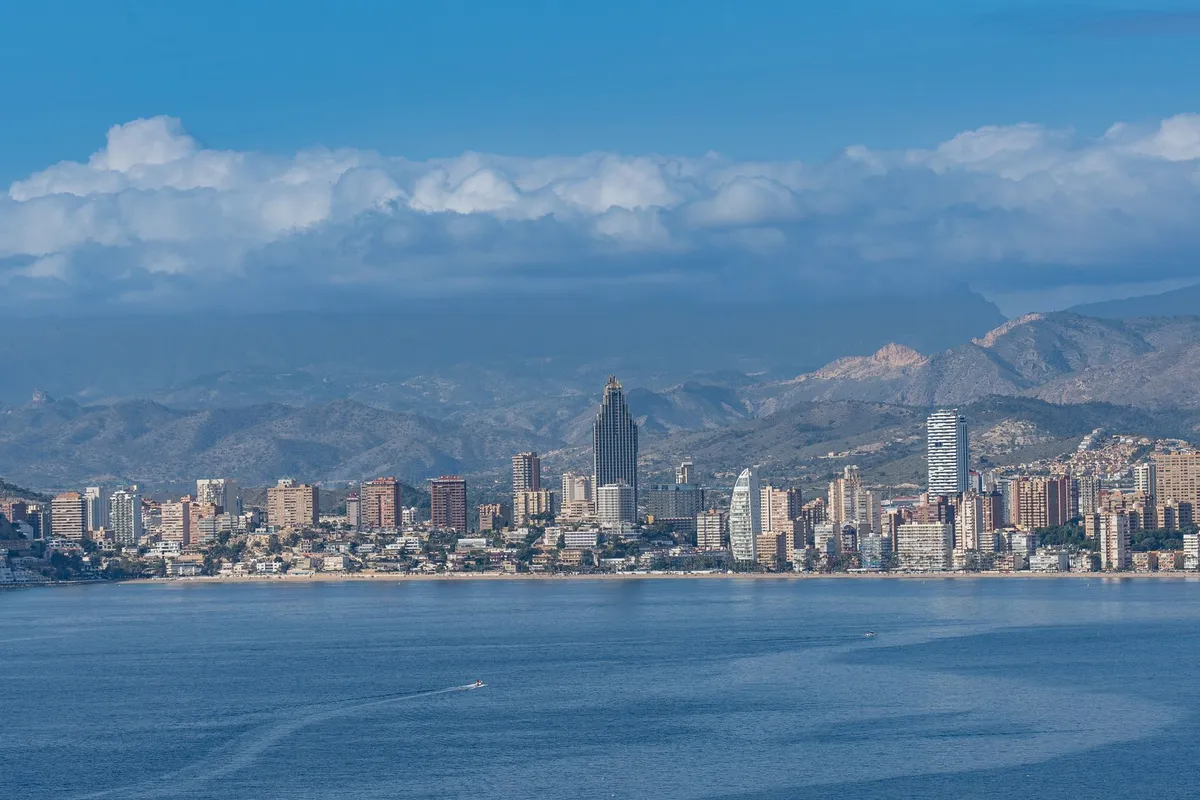
Between the two main beaches is Mal Pas, small and handy for a break near the port. Tío Ximo and Almadrava, meanwhile, are coves for those willing to leave the central axis in search of a more jagged landscape. Regional tourism also highlights these coves, Benidorm Island and Serra Gelada as a counterpoint to the image of a vertical city.
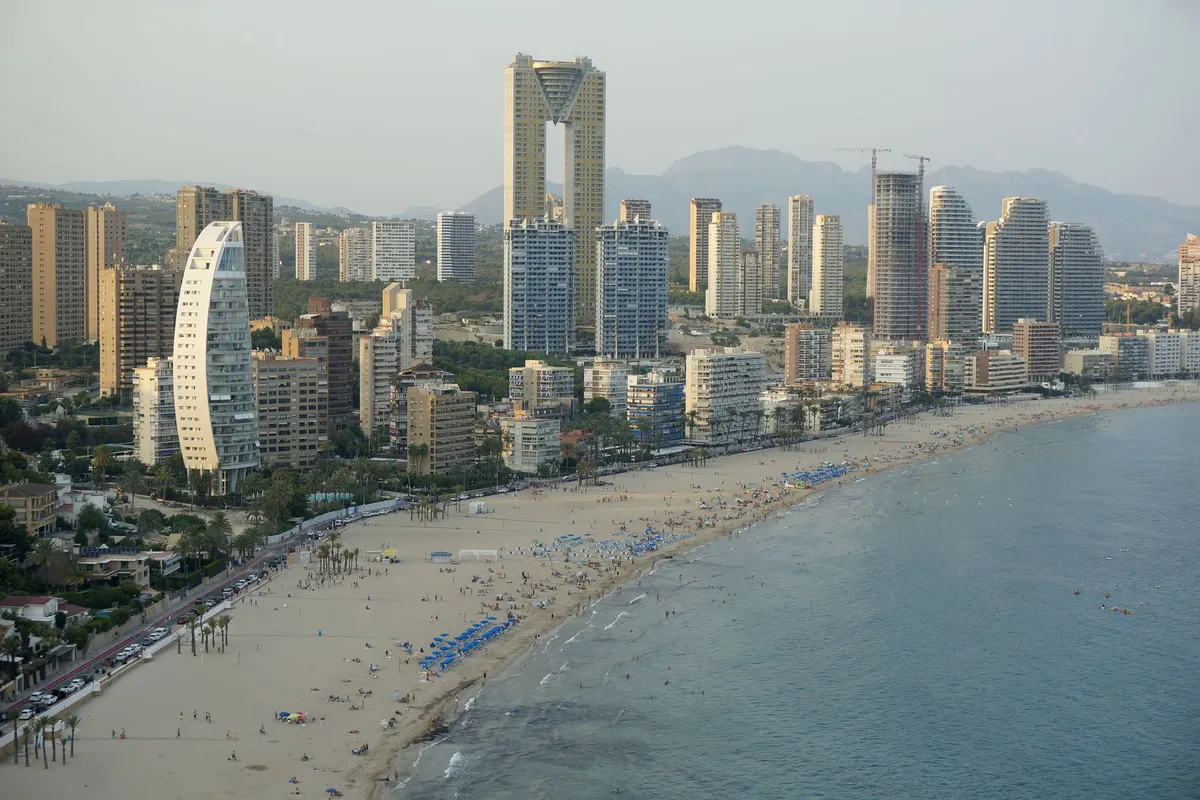
For people with reduced mobility, accessibility doesn’t need to be treated as a last-minute detail. Benidorm maintains three accessible beach points: one in Levante, on Calle Murcia, and two in Poniente, on Avenida Mont Benidorm and at Parque de Elche, according to the municipal page on accessible beaches. Confirm hours and services on your travel date.
What to do in Benidorm beyond stretching out your towel
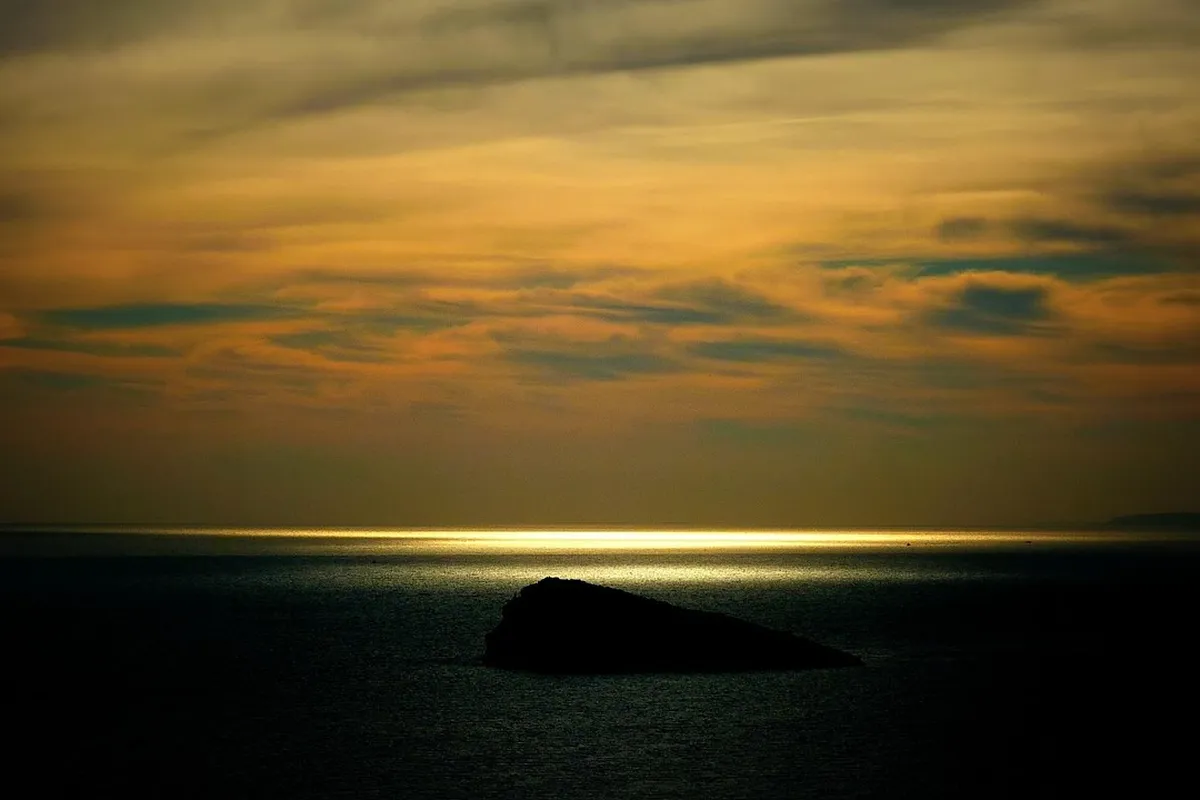
The spot that best organizes a first visit is the Balcón del Mediterráneo. The viewpoint occupies the site of an old fortress and divides the Levante and Poniente beaches; that’s why it’s both the best break between the two and the clearest reading of the city’s geography. The official Valencian Community page also recommends stopping by near sunset, when the bay and the island take on a different light.
After the viewpoint, wander the streets of the old town without a rigid list of attractions. This is the part that gives Benidorm its contrast: alleys, small squares and tapas bars momentarily replace the beach axis. Set aside time to walk to the port and, if you want a quick overview, cover a stretch of each waterfront instead of trying to walk the whole city.
Those who prefer to explore the center with historical explanations can fit in a guided tour right at the start of the day. It’s especially useful for travelers staying just one night who don’t want to choose between the viewpoint, the old streets and the beach.
Benidorm Island and Serra Gelada: when to include them
Benidorm Island sits in front of the bay and is a marine reserve; it makes more sense for those with at least a second day, who want a boat trip or diving and are willing to depend on the sea and boat schedules. Don’t try to squeeze it into a short urban itinerary just to “check a box.”
Serra Gelada is the alternative for swapping the promenade for cliffs and an open view of the Mediterranean. The recommendation here is conditional: include it if the group enjoys hiking, if the heat allows, and if you have a free half-day. If you just want a panoramic image, you can prioritize the viewpoints; if you want real nature, dedicate the whole morning or afternoon and check access conditions on the day.
Benidorm itinerary in 1 day
In one day, don’t try to choose between city and beach: use the Balcón as a transition point and build the day in blocks. The itinerary below favors walking and leaves room for a swim without turning the trip into a race.
- Morning: start with the beach that matches your pace. Levante is more practical for services; Poniente is better for walking before or after a swim.
- Late morning: head to the Balcón del Mediterráneo, go down to the port and wander the streets of the old town.
- Lunch: stay in the old town or on the edge of your chosen beach. That way, you avoid wasting time crossing the city.
- Afternoon: return to the beach, head to Mal Pas for a short break, or walk along Poniente. If context is the priority, swap part of this block for a guided tour.
- End of the day: return to the Balcón for the evening light and decide whether the destination deserves another night.
How many days to stay and how to fit in Alicante
A full day is enough for the beaches, the Balcón and the old town; two nights greatly improve the experience if you want to alternate a morning at the sea with Serra Gelada, the island or a guided activity. Benidorm doesn’t require a car for the core of the visit, but one becomes useful if the plan includes several Costa Blanca villages.
Staying longer only pays off if you love the beach or intend to use the city as a base. For an itinerary focused on heritage and museums, it might be better to sleep in Alicante and do Benidorm as a day trip; compare with the guide to Alicante beyond the beach before booking your accommodation.
Alicante and other detours: what’s worth combining
Alicante is the most logical urban complement. Santa Bárbara Castle dominates the city, has sea views and is presented by local tourism as its most important monument; see access details and hours on the official site. For context on language and daily life in the region, this content on Alicante and everyday life can help with planning.
Gibraltar doesn’t work as a reasonable extension from Benidorm: it’s at the other end of the Spanish coast and calls for its own itinerary. If the idea is to compare Spanish cities for a future trip, the guide to Tarragona in one day offers a better reference for another Mediterranean destination, but it shouldn’t be treated as a day trip.
 HotelAs soon as you have datesCompare neighbourhoods and guest ratings.Booking ›
 ActivitiesBefore you travelBook ahead the ones with limited spots.Civitatis ›
Quick questions about Benidorm
What does Benidorm mean?
The name has ancient origins and a debated etymology; for planning your trip, the useful point is that Benidorm is a city on the Costa Blanca, not the name of a single beach.
Is Benidorm a beach in Spain?
No. It’s a coastal city with several beaches; Levante and Poniente are the two main ones, separated by the Balcón del Mediterráneo.
What is the most visited tourist attraction in Alicante?
In Alicante, Santa Bárbara Castle is cited by municipal tourism as the most visited attraction and the city’s most important monument. In Benidorm, the most emblematic spot for a first visit is the Balcón del Mediterráneo.
If you only have one day, pick a beach, cross the old town and end at the Balcón; that’s the slice that explains Benidorm without overloading the itinerary. With a second morning available, that’s when Serra Gelada, the island or a guided activity become choices that deepen the trip instead of rushing it.