 Marcelo Oliveira
Zanzibar carries a reputation as a remote paradise that can feel a bit intimidating when you start planning: paid visa, mandatory insurance, long flights. But those who sort out the paperwork in advance discover one of the most complete archipelagos in the Indian Ocean — history in Stone Town, turquoise-water beaches, and boat trips you won’t find anywhere else on the continent. The island deserves at least five days: two in Stone Town and three on the northern or eastern beaches, with one day reserved just for the Safari Blue boat trip.
Hotels in Zanzibarfree cancellation options onlySee hotels ›Booking.com partner (advertising): we may earn a commission at no extra cost to you.
Since October 2024, Zanzibar has required an entry visa (US$ 50) as well as a mandatory travel insurance policy issued locally (US$ 44), even for travelers who already have international coverage. Taking care of both before you fly saves you from surprises when you land at Stone Town’s airport.
Getting there
There are no direct flights from Brazil to Zanzibar. The most common routes go through Doha, Addis Ababa, or Johannesburg, with the final leg landing directly at Abeid Amani Karume International Airport in Stone Town — which means you avoid an extra connection within mainland Tanzania.
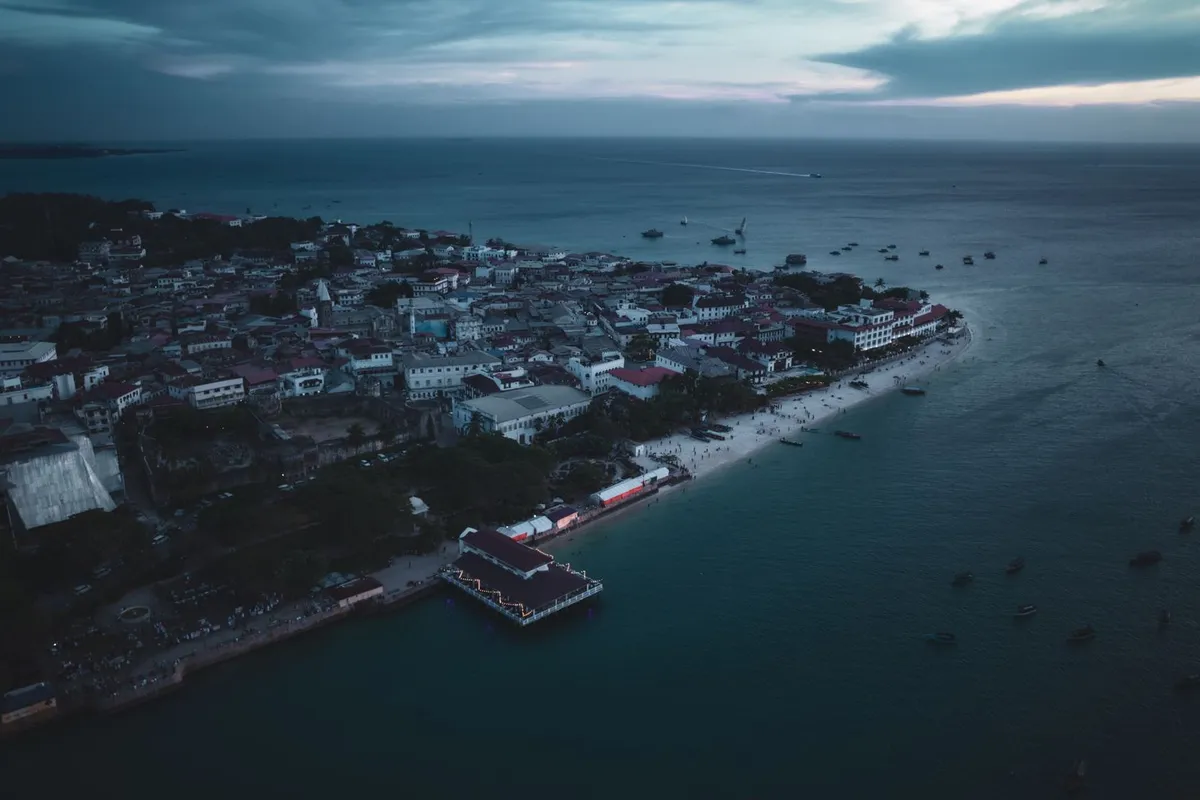
Brazilian passport holders need an entry visa, which can be applied for online before your trip or obtained on arrival, for US$ 50. Your passport must be valid for at least six months from your date of entry. Since October 2024, you’re also required to purchase a local travel insurance policy issued by the Zanzibar Insurance Corporation, costing US$ 44 for up to 92 days — even travelers with their own international insurance need this document.
Best time to visit and how long to stay
The dry season runs from June to October and December to February, with less rain and calmer seas for diving and boat trips. September and October stand out for combining pleasant weather, fewer crowds, and better prices. April and May bring the heaviest rains of the year, a period when many hotels close for renovations — worth avoiding when you plan.
Five days is the minimum to avoid feeling rushed: two dedicated to Stone Town and its architecture, and three on the beaches, mixing relaxation with at least one full-day boat trip.
What to see
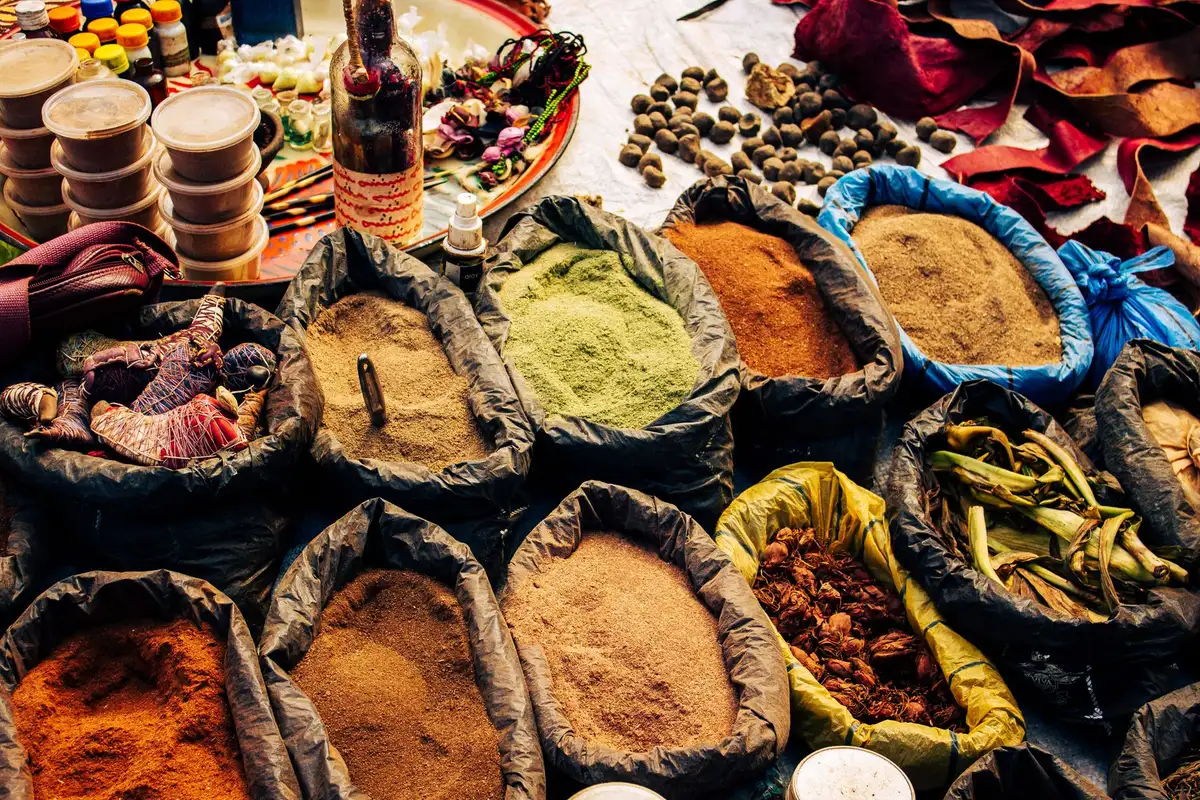
Stone Town is a UNESCO World Heritage Site and the kind of place that rewards two days of unhurried wandering through narrow alleyways. The Darajani Bazaar is the hub of local commerce for spices, fresh fish, and fabrics, while the Old Fort houses a repurposed ancient amphitheater used for cultural performances. For a great dinner out, the food stalls at Forodhani Gardens turn into an open-air food market at night, with skewers and seafood grilled right in front of you.
Northern beaches
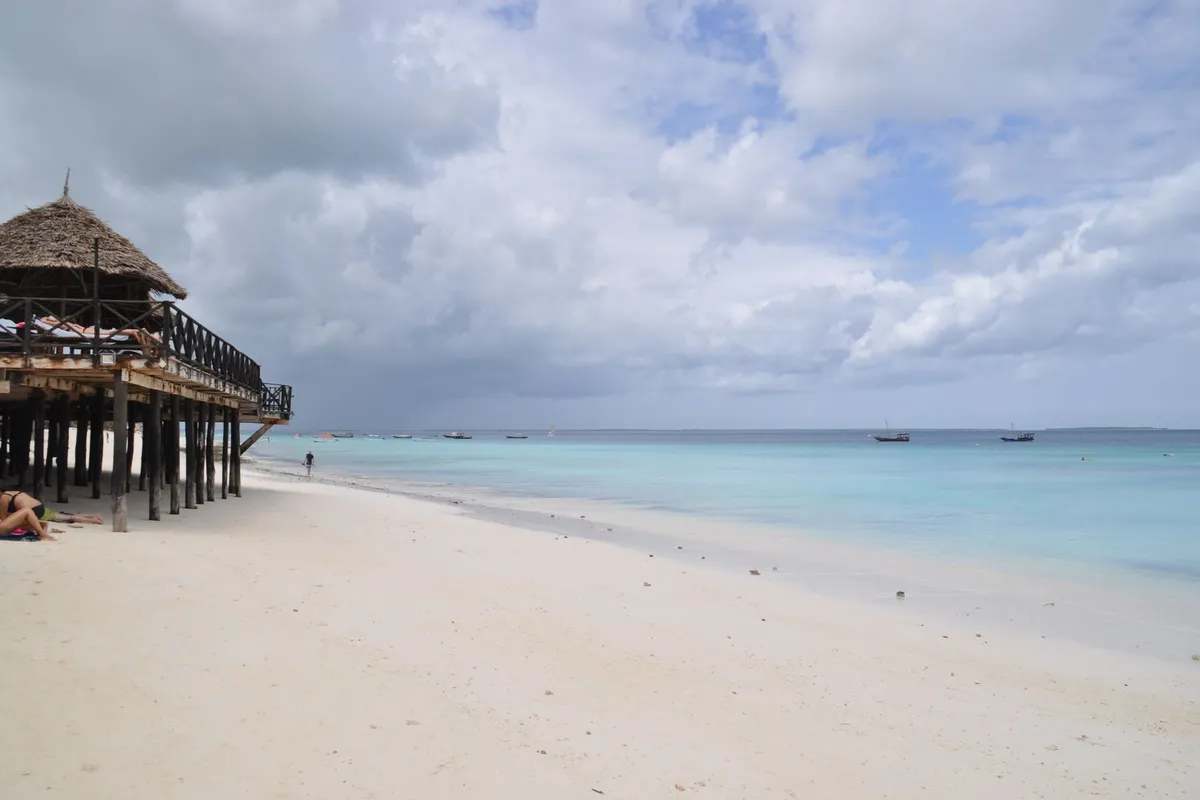
Nungwi, at the island’s northern tip, has the most intense blue water in Zanzibar and the biggest tourist infrastructure, with hotels and restaurants packed into a few kilometers of shoreline. It’s also where many diving and snorkeling trips to Mnemba Atoll depart from, one of the best reef spots in the region.
What to pair with your trip
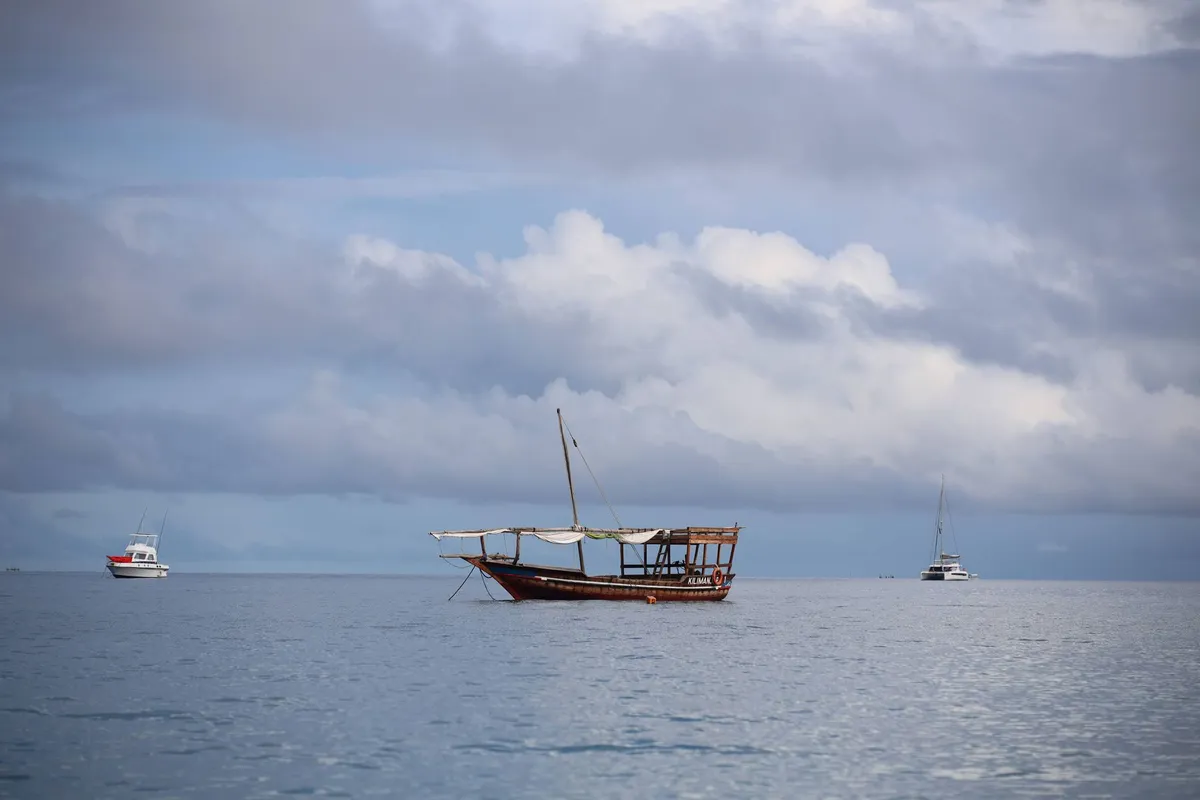
If you can only pick one boat trip on the island, Safari Blue is the most common recommendation: it leaves from the village of Fumba, passes by isolated sandbanks and mangrove lagoons, and includes a seafood lunch on a deserted island. To combine Stone Town with the historic prison island and spice farms in a single day, there’s also a guided tour that knocks out all three in one go:
For those prioritizing diving, the Mnemba Atoll snorkeling tour is often the most praised excursion on the island.
 Partner · Civitatissee all activities in Zanzibar ›
Stone Town & Prison Island Tour
- Stone Town Food Tourfrom€30.74per personSee ›
- Swimming with Dolphins in Zanzibarfrom€45.67per personSee ›
- Mnemba Atoll Snorkelling Tourfrom€34.25per personSee ›
- Maalum Cave Day Trip + transport to The Rock Restaurantfrom€90.68per personSee ›
Civitatis prices on 28/09/2026, from, per person. They may change. Want to compare? Activities in Zanzibar on GetYourGuide ›
Where to eat
Zanzibar’s cuisine blends Arab, Indian, and African influences — the most famous results are spiced pilau and grilled fish with coconut sauce. In Stone Town, restaurants like Emerson on Hurumzi serve dinner on a terrace overlooking the sea, while Forodhani Gardens is the cheapest, most casual option for sampling local street food at night.
Where to stay
Stone Town is the most practical base for those who want history and nightlife nearby, with a good selection of riads and boutique guesthouses in the historic center. Nungwi concentrates the most complete beach resorts and is ideal for those prioritizing sea and tourist infrastructure. The east coast, with beaches like Paje and Jambiani, attracts those seeking a slower pace and more affordable prices, and is also a prime spot for kitesurfing.
 See hotels in Zanzibar on Booking ›
Practical tips
Safety in Zanzibar is considered good by regional standards, but occasional muggings do happen, especially in dark alleys at night. The practical advice: don’t walk alone after dark, only use registered taxis or ones arranged by your hotel, and keep an eye on your belongings in busy areas of Stone Town, where pickpockets operate.
It’s recommended to bring US dollars in cash and small bills to speed up payment for the visa and mandatory insurance on arrival (October 2024 rates). Zanzibar is part of Tanzania but has its own entry rules — always check the latest requirements on the Ministry of Foreign Affairs website before you fly, since visa and insurance requirements change frequently.
If you’re also visiting South Africa on the same trip, check out our complete Cape Town guide—another destination that pairs beautifully with an African coastal itinerary.
- HotelAs soon as you have datesCompare neighbourhoods and guest ratings.See hotels ↑
- ActivitiesBefore you travelBook ahead the ones with limited spots.Civitatis ›
 More activitiesTo compareTickets, day trips and tours with flexible cancellation.GetYourGuide ›
Frequently Asked Questions
Do Brazilians need a visa for Zanzibar?
Yes. You’ll need to apply for an entry visa (US$ 50), either online or upon arrival, plus purchase the mandatory local travel insurance (US$ 44), required since October 2024 even if you already have international coverage.
What’s the best time to visit Zanzibar?
The dry season, from June to October and December to February, is the best bet. September and October offer the best value, with pleasant weather and fewer crowds.
Is Zanzibar safe for tourists?
Generally yes, but with basic precautions: avoid walking alone at night, use registered taxis, and keep an eye on your belongings in busy areas of Stone Town.
How many days do you need to explore Zanzibar?
At least five: two in Stone Town and three on the beaches, including a full day set aside for a boat trip like Safari Blue.
Conclusion
Zanzibar demands a bit more bureaucratic planning than your average beach destination, but it pays you back in experience: history in Stone Town, crystal-clear water on the northern beaches, and boat excursions you’ll be hard-pressed to find anywhere else in the world. It’s worth sorting out your visa and insurance in advance so you can arrive without any hiccups. For more itineraries to destinations like this, you’ll find them right here on voyagevoyage.