 Marcelo Oliveira
Arusha is the city in northern Tanzania where almost every Serengeti and Ngorongoro Crater safari begins, which is why it usually shows up on Brazilian travelers’ itineraries as a quick stopover before heading into the bush—but stick around for just an extra day and a half and the city takes on a whole new weight. It sits at the foot of Mount Meru, about 50 km from Kilimanjaro International Airport, and getting there from Brazil means at least two connections, usually via Doha, Addis Ababa, or Istanbul. The best time to visit runs from June to October, during the dry season, when the region’s dirt roads are easier to navigate and animals gather near water. A reasonable budget for two or three days in the city, not counting the safari itself, runs around US$ 60 to US$ 120 per day per person, depending on your type of accommodation. What few guidebooks mention is what to do in Arusha when the safari jeep hasn’t arrived yet—and that’s exactly what we’re covering here.
Hotels in Arushafree cancellation options onlySee hotels ›Booking.com partner (advertising): we may earn a commission at no extra cost to you.
How to get there
“Can I fly direct from Brazil to Arusha?” No, and it’s best to plan for that from the start. There are no direct flights from Brazil to Tanzania—you’ll need at least one connection, usually in Doha (Qatar Airways), Addis Ababa (Ethiopian Airlines), or Istanbul (Turkish Airlines), with the final leg landing at Kilimanjaro International Airport (JRO), the gateway to all of northern Tanzania. The total trip, including connections, usually tops 20 hours.
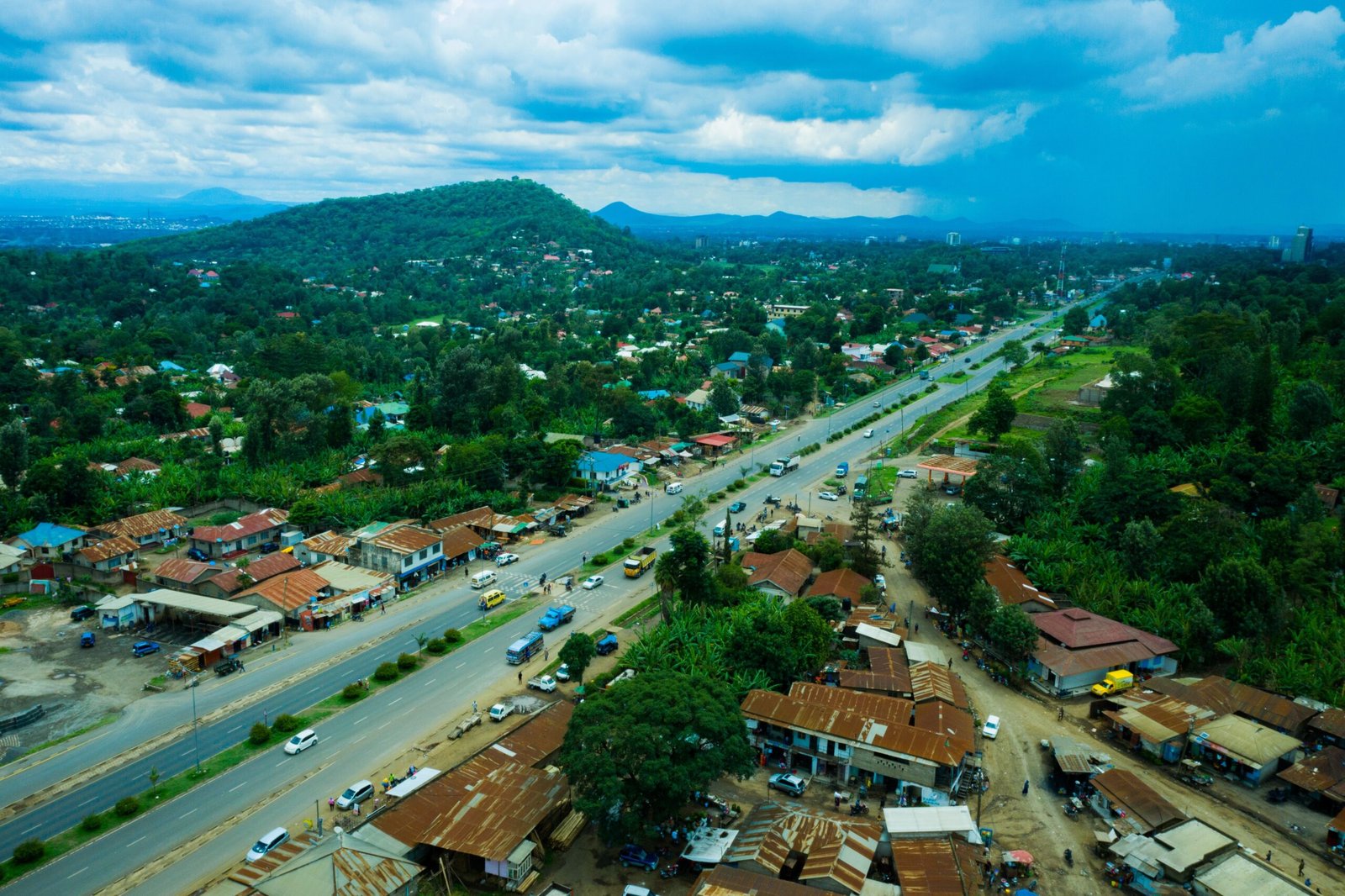
Kilimanjaro Airport is about 51 km from Arusha, and the drive takes around an hour, depending on traffic on the way out. There’s no ATM or currency exchange before immigration control at JRO—bring US dollars in cash for your visa and your first transfer. Your options for leaving the airport are a taxi or a private transfer booked through your safari company or hotel, with rates usually landing between US$ 50 and US$ 80 (confirm the current price before you fly, because transfer rates change easily). There are also shared shuttles, which are cheaper, leaving on demand and taking just under an hour. Once you’re inside Arusha itself, getting around is mostly by taxi or daladala—the local shared vans, cheap but chaotic when you’re hauling luggage—with taxis being the more relaxed option for a short stopover.
Best time to visit and how long to stay
“When should I go to avoid the rain?” The short answer: between June and October. That’s the dry season in northern Tanzania, when the dirt roads to the Serengeti and Ngorongoro are more passable and the sparse vegetation makes it easier to spot animals in the parks. January and February are also good, with drier weather between the two rainy seasons—the long one from March to May, and the short one in November. Arusha sits at altitude, over 1,400 meters, so nights stay cool year-round, even when the days heat up.
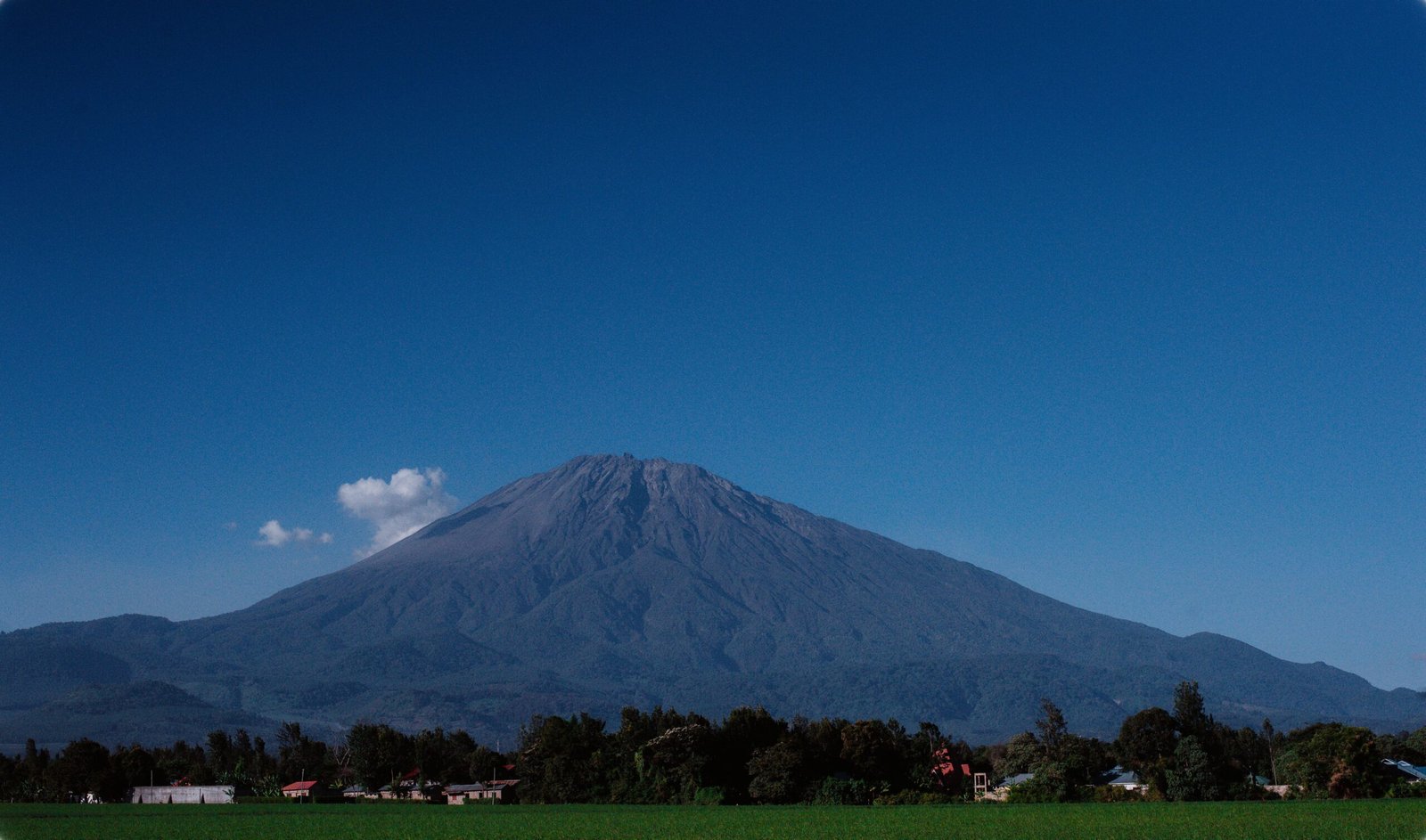
For the city itself, one full day is usually enough—time to visit the central market, stroll by the Clock Tower, and set aside an afternoon for the Cultural Museum. But if your safari has a free day between the Serengeti and heading back to the airport, it’s worth stretching to two days and adding a lighter hike on Mount Meru or a visit to a Maasai community on the outskirts.
What to see in Arusha
“Is Arusha just a place to pass through?” For most safaris, yes—but the city has a couple of worthwhile stops, even if you only have an afternoon free between landing and heading out to the bush.
Clock Tower and downtown
The clock in the middle of Arusha’s central roundabout is informally known as the “midpoint between Cairo and Cape Town”—more tour-guide folklore than exact geography, but it’s the city’s ground zero and an easy reference point to get your bearings. Around it you’ll find craft shops, safari agencies, and a solid concentration of banks and currency exchanges.
Arusha Central Market
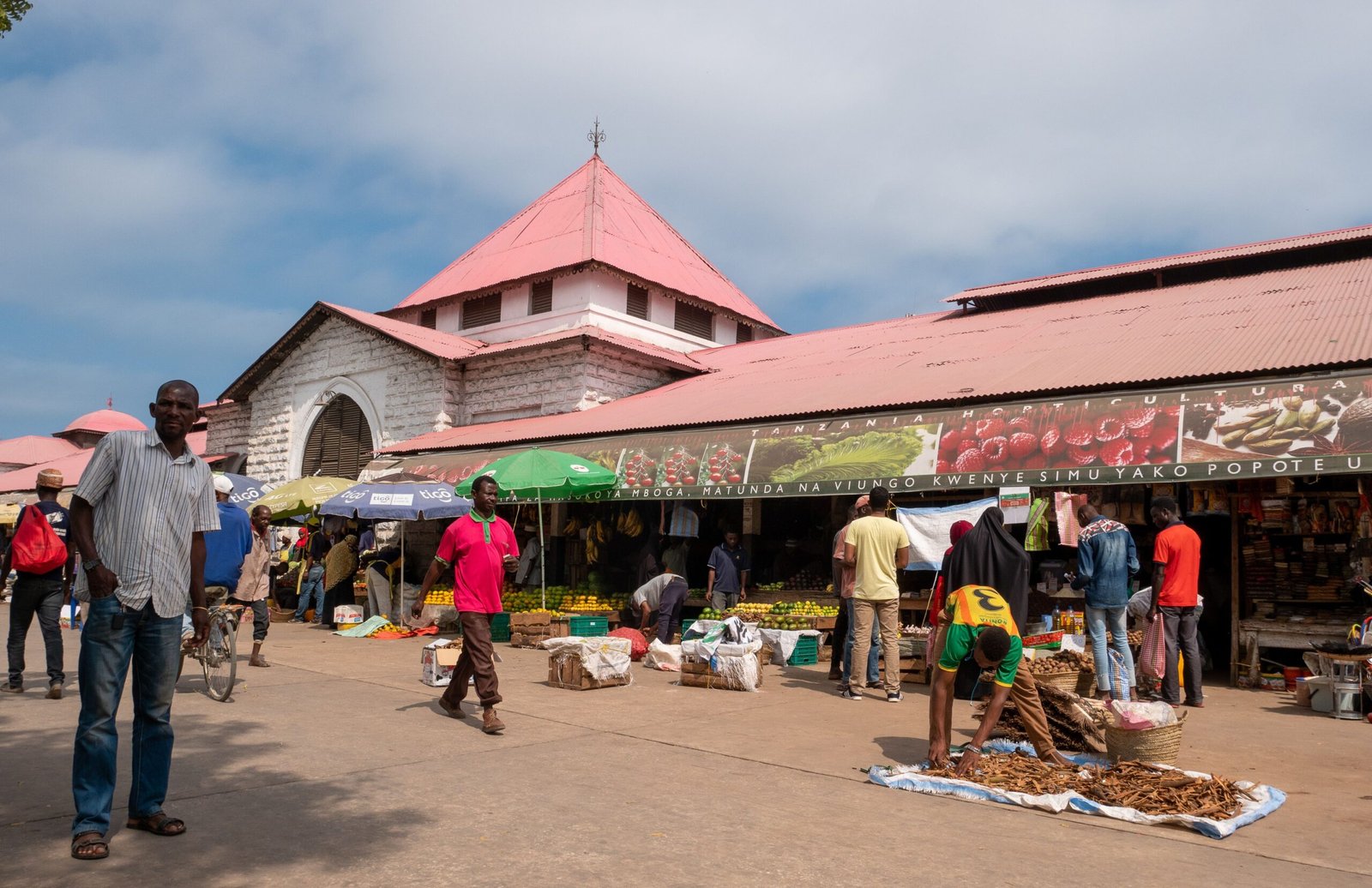
This is where the city really breathes. Stalls piled with spices, pyramids of fruit, colorful kitenge fabrics, and the constant hum of bargaining in Swahili. Go with a local guide or someone from your hotel on your first visit—not because of any real danger, but because the market is a maze and persistent vendors can wear you down if you’re on your own.
Arusha Cultural Museum
A private museum, less known than the country’s big safari museums, bringing together art, artifacts, and the story of human evolution tied to the discoveries at the Olduvai Gorge, not far from there. It’s a great way to understand the region’s context before you head into the parks.
Cultural Heritage Centre
A large-scale arts and crafts complex, with wood and stone sculptures, Tinga Tinga paintings, and Maasai beadwork jewelry. Prices run higher than at the central market, but the curation is better and there’s a real gallery space—worth it if you want to pick up a bigger piece without hunting through several small shops.
If you’d rather sort out the logistics in advance, you can book the guided Maasai Market tour with hotel pickup included.
What to combine / surroundings
“Is it worth staying in the city or heading straight to the park?” Head out, whenever you can. Arusha is, above all, the logistical base for three of Tanzania’s most sought-after nature destinations.
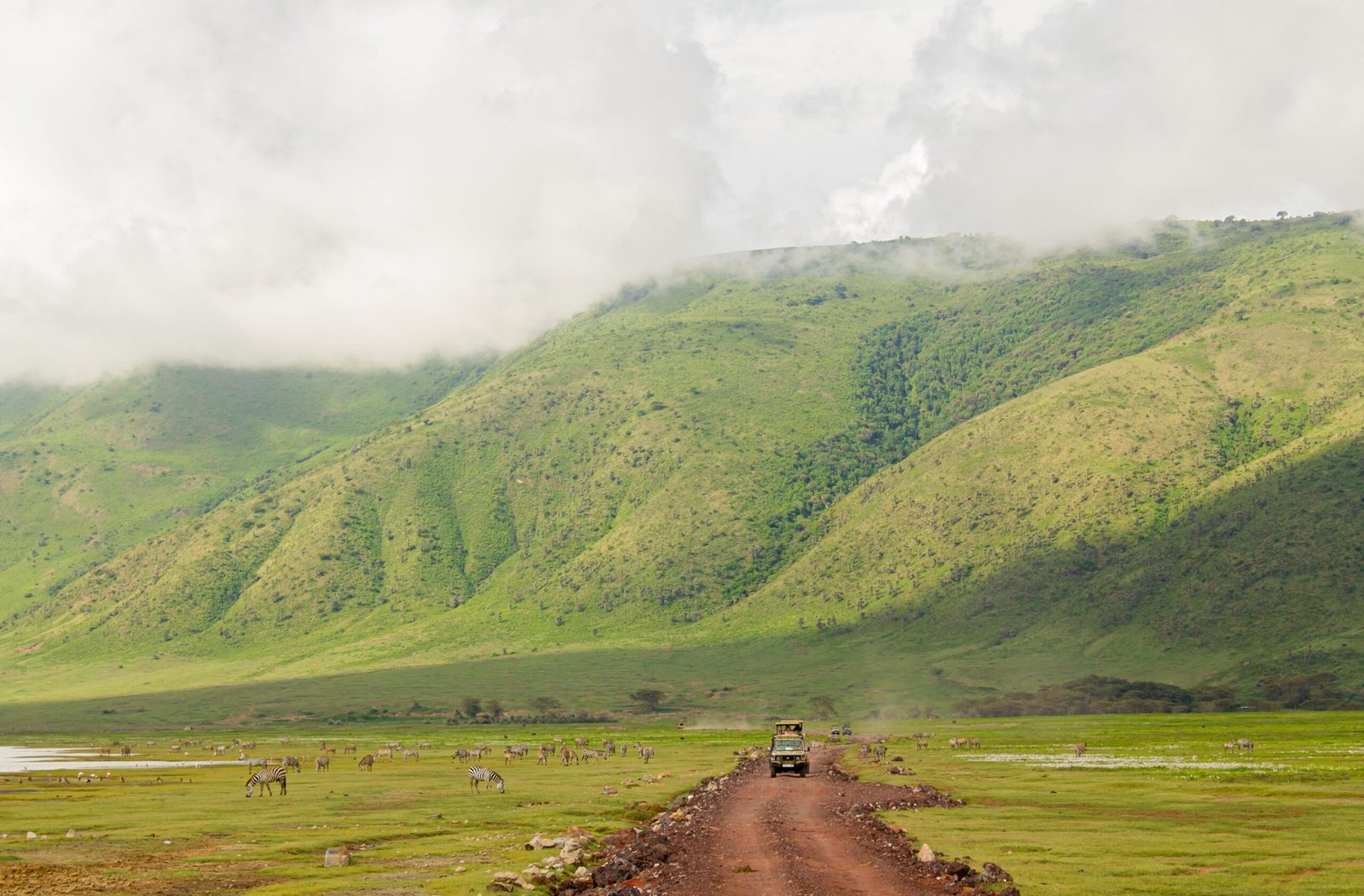
The Ngorongoro Crater is about three hours by road from Arusha and packs in a density of wildlife you’ll rarely find anywhere else on the continent—lions, elephants, black rhinos, and flamingos all coexist inside the extinct volcanic caldera. Serengeti National Park is farther, between four and six hours depending on the gate, and is the classic destination for following the great wildebeest migration, usually between July and September in the park’s northern section. Lake Manyara, closer by, is a half-day option if you’re short on time, famous for its tree-climbing lions—a rare behavior regularly spotted there.
If you want to lock in a safari leaving from Arusha, the Arusha National Park Safari is a full-day option that doesn’t take you too far from the city.
If your itinerary also includes Tanzania’s coast, check out our complete Zanzibar guide, which rounds up everything you need to know about visas, insurance, and beaches before swapping the safari for the sea — plenty of travelers combine both destinations on the same trip, wrapping up in Zanzibar after their days in the parks.
 Partner · Civitatissee all activities in Arusha ›
Day Trip to Mount Kilimanjaro
Rating 8 · 2 reviews on Civitatis
- Maasai Village of Olpopongi Day TripRating 9.5 · 4 reviews on Civitatisfrom€205per personSee ›
- Materuni Waterfalls TourRating 9.1 · 7 reviews on Civitatisfrom€131.74per personSee ›
- North Tanzania 6 Day SafariRating 10 · 5 reviews on Civitatisfrom€2,418.05per personSee ›
- Marangu Day Tripfrom€169.51per personSee ›
Civitatis prices on 28/09/2026, from, per person. They may change. Want to compare? Activities in Arusha on GetYourGuide ›
Where to Eat
“So, what do people actually eat in Arusha?” Nyama choma — grilled meat over coals, usually goat or chicken, served with ugali (a cornmeal polenta) or boiled green banana — is the most common dish and typically runs between 8,000 and 15,000 Tanzanian shillings (TZS) at simple local restaurants, the equivalent of just a few dollars. At the more touristy steakhouses downtown, the price goes up, but it’s still less than what you’d pay at comparable restaurants back in Brazil.
Another dish worth trying is pilau, a spiced rice that reached the East African coast via the trade route with the Persian Gulf, and mishkaki, marinated meat skewers sold from street stalls at night. If you want something lighter between safaris, the downtown cafés — the area around Arusha is a high-altitude arabica coffee producer — serve a strong espresso and simple pastries at very reasonable prices.
Where to Stay
“Where can I stay without blowing the budget, since the safari already eats up so much of it?” It depends on your style. If you’re after savings and convenience before or after the parks, the area near the Clock Tower and downtown is packed with simple guesthouses and safari agencies side by side — you can sort everything out on foot. For a more relaxed stay, the neighborhoods along the road to Arusha Airport (ARK, the domestic airport, not to be confused with JRO) are home to mid-range and upscale lodges with gardens and views of Mount Meru, farther from the downtown noise. And if you want to get into safari mode without leaving the city, there are also small lodges on the outskirts, at the base of the Mount Meru Forest Reserve, with their own trails and birdwatching.
Where to stay in Arusha
| Hotel | Rating | |
|---|---|---|
| Dan Stam HotelArusha · 3-star hotel with a garden and airport transfer | 9,3206 reviews | See prices |
| Gran Meliá ArushaArusha · On Simeon Road, with an outdoor pool and garden | 9,3306 reviews | See prices |
| Gold Crest Hotel - ArushaArusha · On Old Moshi Road, with an outdoor pool | 8,3243 reviews | See prices |
| Bright Star Hotel & SafarisSakina · In the Sakina district, with an African cuisine restaurant | 8,4419 reviews | See prices |
| Outpost LodgeArusha · On Serengeti Road, with an outdoor pool and garden | 8,3133 reviews | See prices |
| Kibo Palace Hotel ArushaArusha · 15 minutes on foot from the centre, with a pool and spa | 8,0179 reviews | See prices |
| The New Njiro LegacyNjiro · In Njiro, with an outdoor pool and free parking | 8,4467 reviews | See prices |
| Sanna Boutique HotelArusha · On Goliondoi Road, with a terrace and gym | 8,5696 reviews | See prices |
Practical Tips
It’s worth carving out time in Arusha if you want to get a better feel for northern Tanzania’s culture before the safari — not just if you’re stuck with a forced layover. The most common mistake visitors make is underestimating the traffic between the airport and the city and missing the safari jeep departure the next morning — always build in some buffer time on arrival.
Brazilians need a visa to enter Tanzania; the eVisa cost around US$ 50 at last check, but confirm the price and process on the official rules, which change frequently, and always carry US dollars in cash as a backup. The local currency is the Tanzanian shilling (TZS), but US dollars in good condition (recent bills, no marks) are widely accepted at hotels and safari agencies. Local SIM cards from carriers like Vodacom or Airtel are easy to pick up at the airport or downtown and are worth it to stay connected during the safari, where signal can be spotty. As for safety, Arusha is calm by regional standards, but like any big city, avoid flashing expensive cameras and phones while walking at night, especially near the central market.
 HotelAs soon as you have datesCompare neighbourhoods and guest ratings.See hotels ↑
- ActivitiesBefore you travelBook ahead the ones with limited spots.Civitatis ›
 More activitiesTo compareTickets, day trips and tours with flexible cancellation.GetYourGuide ›
Frequently Asked Questions
Do I need a visa to visit Arusha as a Brazilian?
Yes. Brazilians need a visa to enter Tanzania, usually through the eVisa applied for online before the trip. Always double-check fees and processing times on the official rules before you fly, because they change.
How many days is it worth spending in Arusha?
A full day is enough to see the city itself — the market, the Clock Tower, and a museum. Most travelers use Arusha as a base for a day or two before and after the actual safari.
Can I go to Arusha without doing a safari?
You can, but you’d be missing the whole point of the trip. The city has its own attractions, but its fame and infrastructure revolve around being the gateway to the Serengeti and Ngorongoro.
What’s the difference between Kilimanjaro Airport and Arusha Airport?
Kilimanjaro International Airport (JRO) handles international flights and sits about 51 km from the city. Arusha Airport (ARK) is smaller and domestic, used mainly for regional flights and safari charters.
Is it safe to walk around downtown Arusha?
During the day, yes, with the usual precautions you’d take in any big city. At night, stick to taxis, especially around market areas, and avoid flashing expensive electronics.
Conclusion
Arusha doesn’t have to be just the waiting room before the safari jeep shows up. With one extra day on the calendar, it delivers market life, history, and a calm base for organizing the rest of your trip through northern Tanzania. Explore the other destination guides here on Voyage Voyage.