 Marcelo Oliveira
Cape Town has an unusual problem for a tourist destination: it’s easy to mess up because there are too many options. Table Mountain, penguins, wineries, beaches with freezing water, and one of Africa’s most beautiful peninsulas—all of it less than an hour from the city center. The most common mistake visitors make is trying to see everything in two days and leaving without understanding why it’s considered one of the most beautiful cities in the world.
Hotels in Cape Townfree cancellation options onlySee hotels ›Booking.com partner (advertising): we may earn a commission at no extra cost to you.
Cape Town deserves at least four full days on your itinerary: one day for Table Mountain and the historic center, one for the Cape Peninsula, one for Robben Island and the Waterfront, and one for the wineries of Stellenbosch. Brazilians can enter without a visa, the cost of living in rand is low compared to the dollar, and there are good connections via Johannesburg—but some safety precautions make a real difference on your trip.
Getting There
There are no direct flights from Brazil to Cape Town. The most common connections leave from São Paulo with a stopover in Johannesburg (via South African Airways or Latam), or through Doha, Addis Ababa, and Istanbul. The Johannesburg–Cape Town leg takes about two hours and is operated by several local airlines with high frequency, which is worth it for those already planning to tack on another South African city.
Brazilians don’t need a visa to enter South Africa for tourist trips of up to 90 days—just a passport valid for at least 30 days after your return and two blank pages. One detail that catches many people off guard: you’re required to show the international yellow fever vaccination certificate at immigration, since Brazil is considered a risk country. Without the certificate, entry can be denied.
From the airport to the center (about 20 km), the most practical option is a private transfer or Uber, which works normally in the city. Public transport isn’t designed for tourists, and the general advice is to avoid it outside of very specific routes.
Best Time to Visit and How Long to Stay
The southern hemisphere flips the seasons: December to March is summer, with long days, crowded beaches, and temperatures around 77-82°F (25-28°C)—also high season, pricier and more crowded. June to August is a mild winter (50-64°F / 10-18°C), a period when whale watching on the coast (especially near Hermanus, two hours from the center) gets easier. Between these two windows, March-May and September-November offer stable weather with fewer tourists and lower prices—the most balanced choice for those who want Table Mountain without the lines and trails without extreme heat.
Four days is the minimum to avoid rushing around. With six to seven days, you can include a day trip to Hermanus or stretch the Cape Peninsula into two more relaxed stages, without piling everything into a single day of driving.
What to See
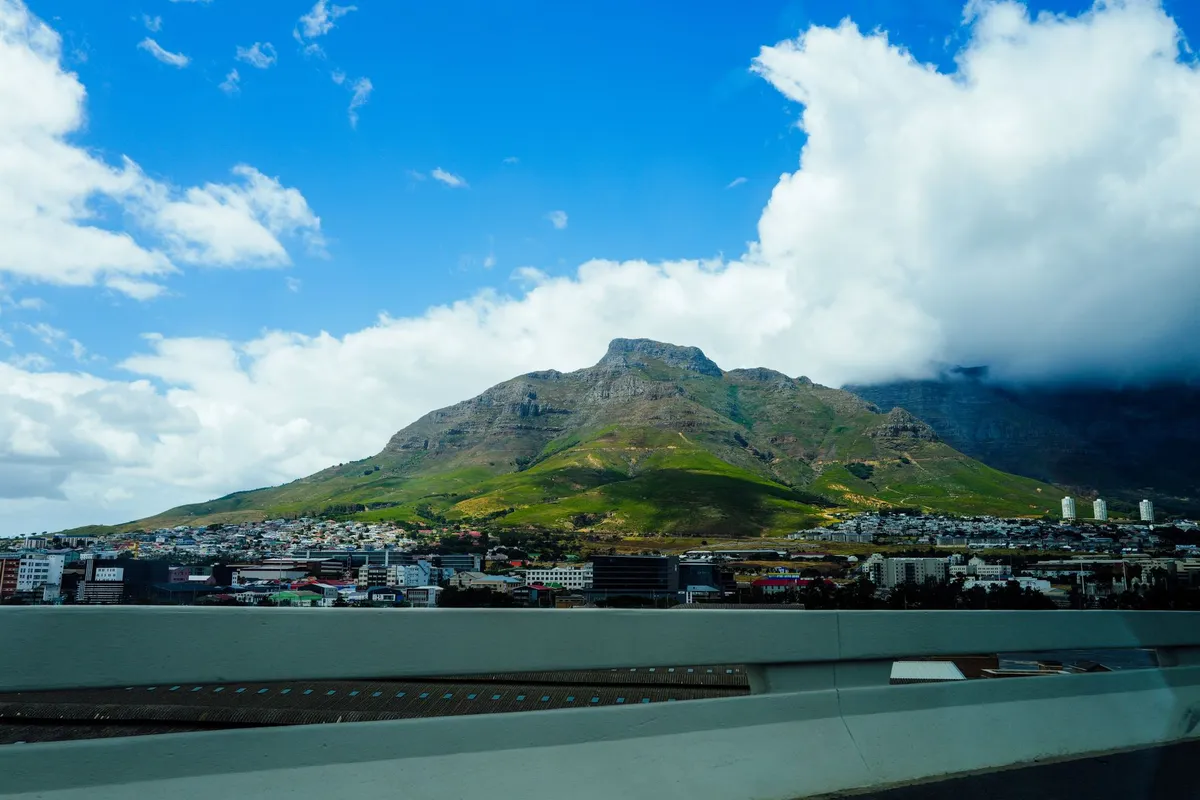
Table Mountain is the postcard sight and, also, the most unpredictable activity: the cable car closes in strong winds, something common even on sunny days. Buy your ticket online in advance and book the first slot in the morning—afternoon lines can exceed an hour. Those who prefer hiking have trails like Platteklip Gorge, steep but direct, with about two to three hours of climbing.
Robben Island
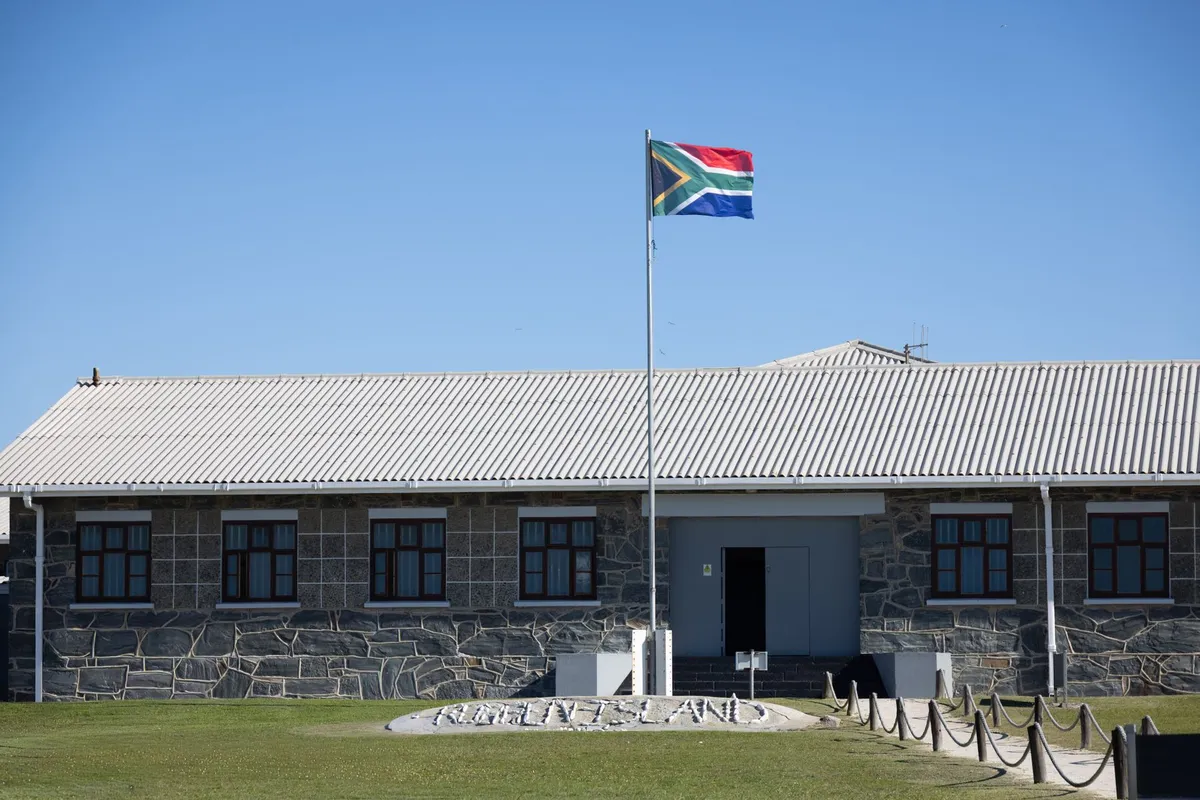
The prison island where Nelson Mandela spent 18 of his 27 years in detention is now a UNESCO World Heritage Site. Access is only by ferry departing from the V&A Waterfront, with a guided tour—often led by former political prisoners—included in the ticket. Book at least a few days in advance: morning departures sell out fast, and the sea can cancel trips on windy days.
Cape Peninsula and Cape of Good Hope
A full day by car (or tour) along the coastal road to the Cape of Good Hope, with stops at the penguin colony at Boulders Beach in Simon’s Town and the viewpoints of Chapman’s Peak Drive—one of the most beautiful coastal roads on the continent. Renting a car is only worth it if you’re already comfortable driving on the left side of the road; otherwise, an organized tour solves the problem without stress and without the risk of getting lost on unfamiliar roads.
What to Combine with Your Trip
If you want to save planning time, you can book a combined tour of Table Mountain and Robben Island in a single guided outing, which avoids two separate trips to the Waterfront:
 See activities in Cape Town on GetYourGuide ›
For those who prefer to do the Cape Peninsula with a driver and guide (without worrying about unfamiliar roads), there’s also the full-day Cape Peninsula tour, which already includes Boulders Beach and Chapman’s Peak Drive on the route.
Where to Eat
The Bo-Kaap neighborhood, with its colorful houses, is also where Cape Malay cuisine (a blend of Indonesian, Malay, and South African traditions brought by slaves in the 17th century) shines brightest—worth seeking out a cooking class or a neighborhood restaurant to try bobotie, a type of curried meat pie. At the Waterfront, seafood restaurants have touristy prices, but the quality of the fresh fish makes at least one meal there worthwhile.
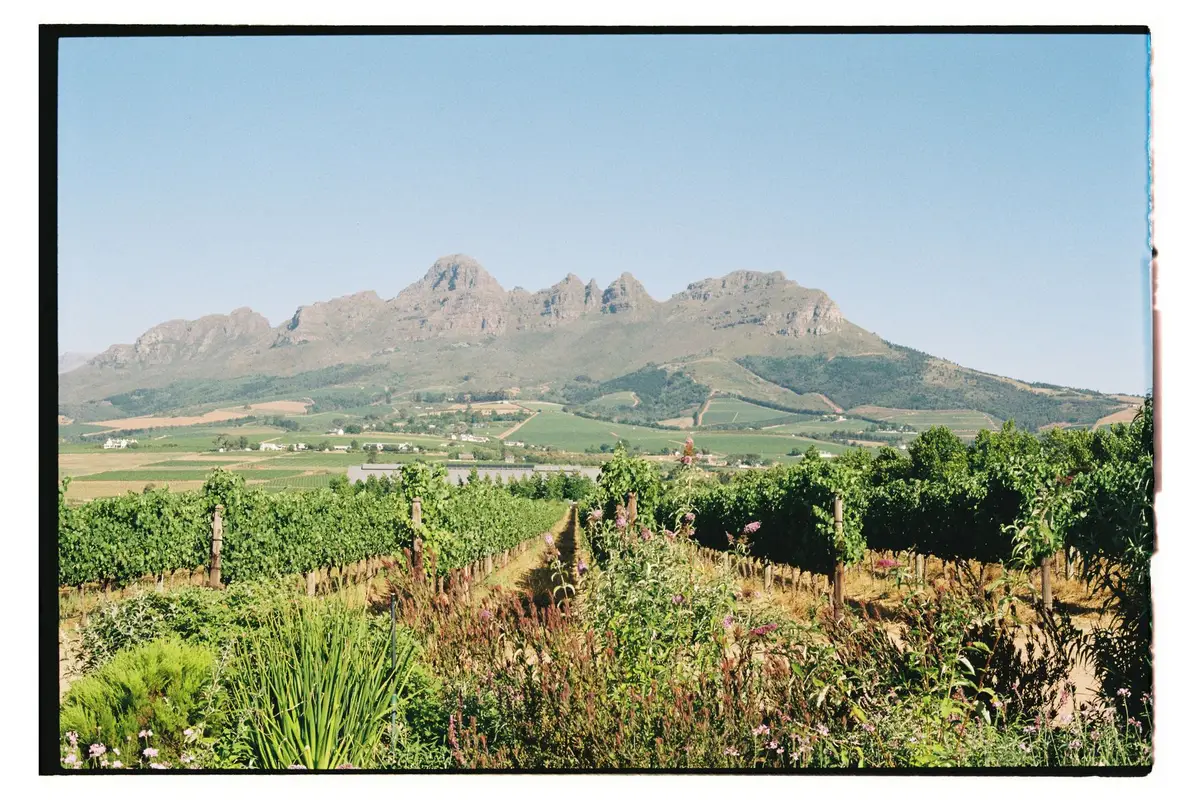
For wine lovers, a day in Stellenbosch, 45 minutes from the center, combines tastings with mountain scenery—many wineries offer lunch on the property itself, so you don’t need to leave to find a restaurant.
Where to Stay
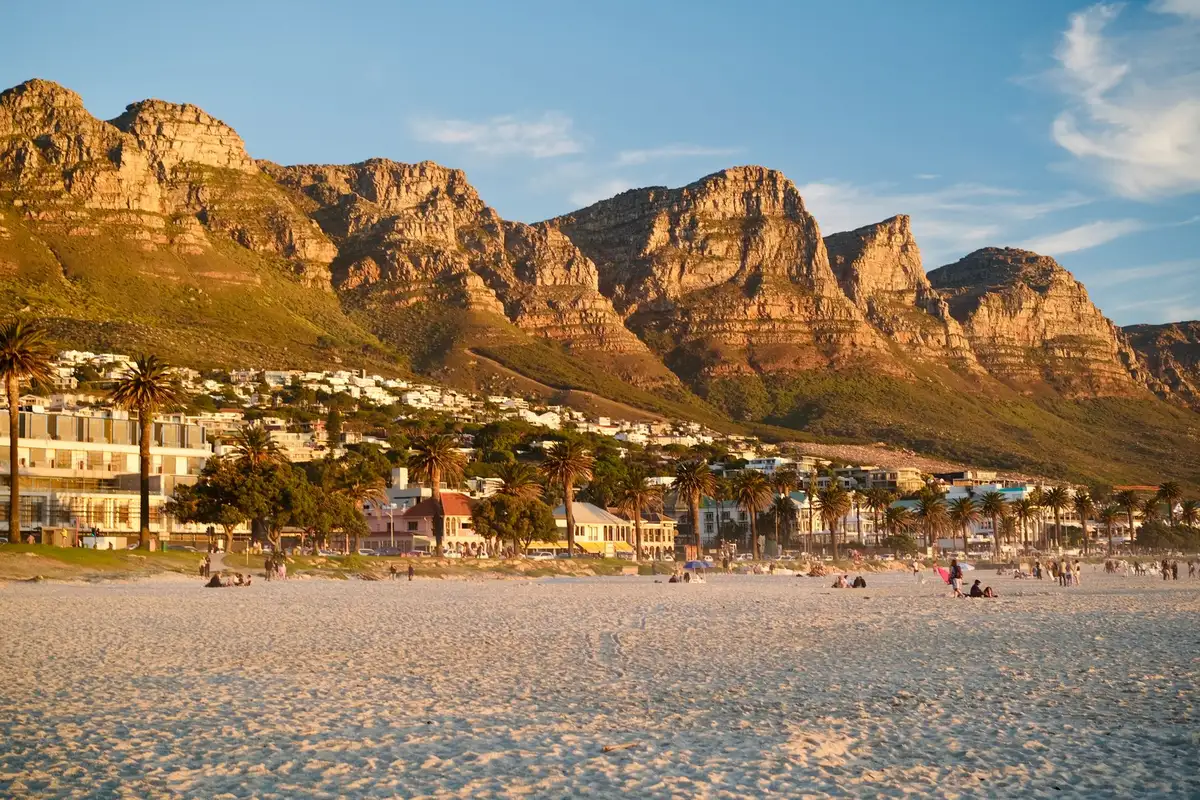
The V&A Waterfront and nearby neighborhoods like Green Point and De Waterkant are the safest and most practical options for first-time visitors—close to restaurants, the Robben Island departure point, and easy-to-find ride-hailing services. Camps Bay, with its ocean views and the mountains known as the Twelve Apostles, is pricier and trendier, ideal for those prioritizing beach and sunset. Those looking for a lower price without sacrificing safety can check out accommodations in Sea Point, a bit more residential and just minutes by car from the Waterfront.
Where to stay in Cape Town
| Hotel | Rating | |
|---|---|---|
| Home Suite Hotels Station HouseSea Point · On Kloof Road, in Sea Point, 5 minutes on foot from Broken Bath Beach | 9,22.261 reviews | See prices |
| Home Suite Hotels Sea PointSea Point · In Sea Point, less than 1 km from Rocklands Beach | 9,31.887 reviews | See prices |
| Taj Cape TownCity centre · On Wale Street, in central Cape Town | 9,23.478 reviews | See prices |
| Vineyard HotelNewlands · At the foot of Table Mountain, in Newlands, with gardens | 9,31.372 reviews | See prices |
| Hotel LolaGreen Point · On Somerset Road, in Green Point | 9,2516 reviews | See prices |
| South Beach Camps Bay Boutique HotelCamps Bay · 50 m from Camps Bay beach, with sea-facing suites | 9,2884 reviews | See prices |
| POD Camps Bay by The Oyster CollectionCamps Bay · On Argyle Street, 50 m from Camps Bay beach | 9,6554 reviews | See prices |
| Gorgeous George by Design Hotels ™City centre · On St Georges Mall, in central Cape Town | 9,0401 reviews | See prices |
Booking.com rating on 30/09/2026
Practical Tips
Cape Town’s social inequality is real and visible, and that translates into safety recommendations worth taking seriously: avoid walking around the city center (CBD) at night, don’t flash your phone or camera at intersections, and always prefer Uber over street taxis. The V&A Waterfront, Camps Bay, and Sea Point are well-policed areas that stay peaceful even after dark.
A six-day trip, including accommodation, food, car rental, and tours (not counting international airfare), runs around R$ 3,800 to R$ 5,000 per person (July 2025 prices)—a much better value than Europe or the United States for a similar level of itinerary. The local currency is the South African rand; international cards are accepted in most places, but it’s worth carrying some cash for tips and street markets.
If you’re planning to extend your trip with a safari after Cape Town, you might find this complete guide to Lower Zambezi National Park useful—another nature destination in southern Africa.
To wrap up your itinerary with a panoramic view of the entire city, many travelers also book a guided city tour combined with Table Mountain, especially handy on tight schedules.
 HotelAs soon as you have datesCompare neighbourhoods and guest ratings.See hotels ↑
- More activitiesTo compareTickets, day trips and tours with flexible cancellation.GetYourGuide ›
Frequently Asked Questions
Do Brazilians need a visa to visit Cape Town?
No. Brazilians can enter South Africa without a visa for tourist stays of up to 90 days, but you must present your international yellow fever vaccination certificate at immigration.
Is Cape Town safe for tourists?
Yes, with the same precautions you’d take in any big city: avoid walking at night outside tourist areas, use Uber instead of street taxis, and keep an eye on your belongings in crowded spots. Waterfront, Camps Bay, and Sea Point are considered safe areas.
What’s the best time to visit Cape Town?
March to May and September to November offer the best balance of weather and fewer crowds. December to March is summer and high season; June to August is winter, great for whale watching.
How many days do you need to see Cape Town?
At least four full days: one for Table Mountain and the city center, one for the Cape Peninsula, one for Robben Island and the Waterfront, and one for the Stellenbosch wineries.
Conclusion
Cape Town delivers scenery, history, and gastronomy in a package that rarely disappoints those who arrive with a well-planned itinerary. The secret is not underestimating the distances or the time that Table Mountain, Robben Island, and the peninsula each demand on their own. For more itinerary ideas and destinations like this one, you’ll find them right here on voyagevoyage.