 Marcelo Oliveira
Is Vigo worth the trip?
Vigo is worth the trip when you combine two experiences born from the same ria: the city’s fish and shellfish cuisine and the boat crossing to the Cíes Islands. Set aside 2 to 3 days. Use one day for Casco Vello, A Pedra, and the lookouts; dedicate another to the islands. The critical point isn’t the urban itinerary, but the environmental permit and buying the boat ticket in the right order.
Hotels in Vigofree cancellation options onlySee hotels ›Booking.com partner (advertising): we may earn a commission at no extra cost to you.
The combination works best with flexibility: Cíes depends on the Atlantic, while markets, lookouts, and restaurants form a consistent urban plan no matter what changes. Book the boat without squeezing in important connections the same day.
Seafood cuisine: what to try and where
Vigo’s cuisine is essentially maritime, with fish, shellfish, and simple preparations that preserve the raw ingredient. Instead of hunting for a single “best restaurant,” pick the area based on the experience: oysters in A Pedra, market fare in O Berbés, or a long meal in Bouzas.
A Pedra and Rúa da Pescadería
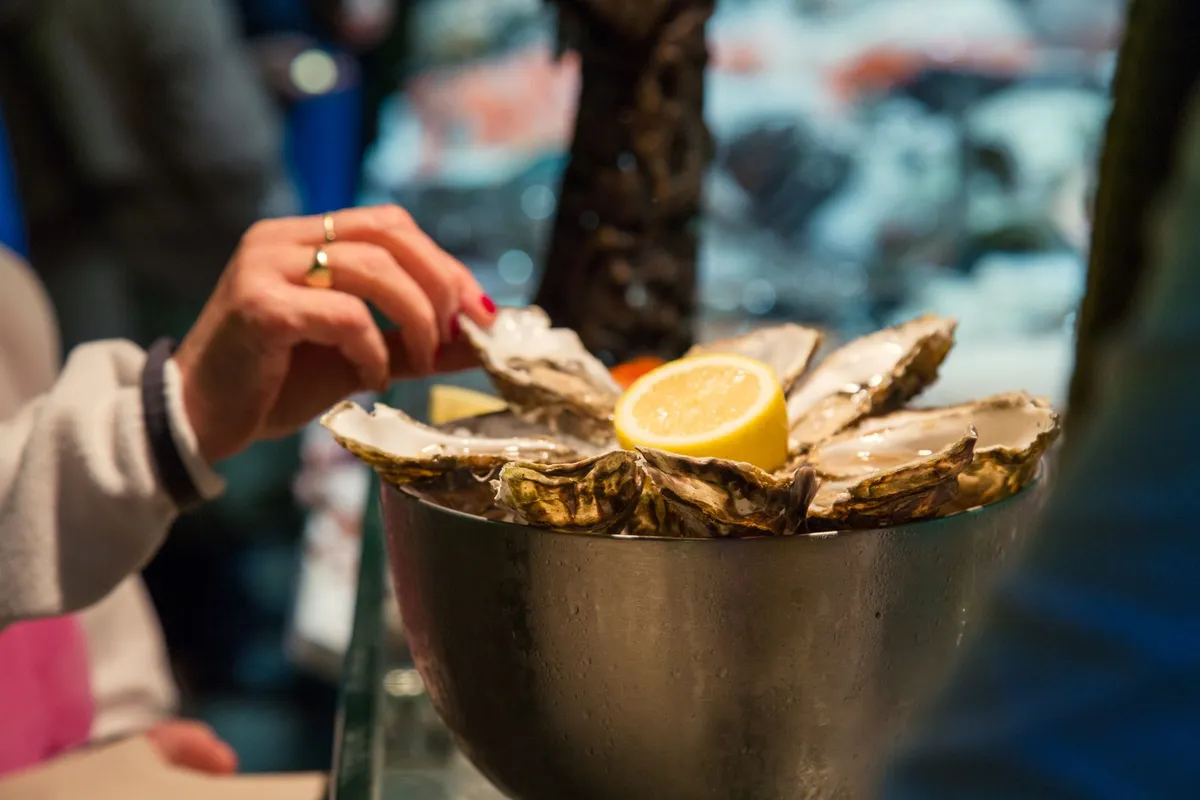
The stretch between Casco Vello and the port concentrates the city’s best-known culinary image. On Rúa da Pescadería, oyster shuckers serve shellfish for immediate consumption. The official Galicia Tourism page recommends the area between Praza da Constitución and the port for eating or snacking.
Order oysters if you enjoy the mineral flavor and raw texture, but don’t turn the stop into an obligation. Octopus à feira, Galician empanada, mussels, percebes when available, and the catch of the day let you build an equally local meal. Asking what came in that morning is usually more useful than following a fixed list of species.
O Berbés and O Calvario markets
The municipal markets show Vigo’s everyday connection to fishing. O Berbés preserves the memory of the pescantinas and sits near the port; O Calvario better serves those who want to watch neighborhood shopping. Go in the morning, chat with the vendors, and don’t assume every product can be eaten on site.
Bouzas, wines, and a leisurely meal
Bouzas offers the atmosphere of an old fishing village and pairs well with a long meal. For wine, Albariño is the most obvious regional choice, but it’s worth asking for guidance on origin and style. If you don’t drink, sparkling water and a sequence of shared dishes preserve the logic of the table without making wine a requirement.
For those who want guided context and an organized selection of stops, a food tour can replace the scattered research of establishments.
 Partner · Civitatissee all activities in Vigo ›
- Ferry to the Cies IslandsRating 8.9 · 9,244 reviews on Civitatisfrom€24per personSee ›
- See ›Free Walking Tour of VigoRating 9.3 · 11,005 reviews on Civitatis
- See ›Vigo Mysteries & Legends Free TourRating 9.2 · 1,763 reviews on Civitatis
- San Simón Island FerryRating 9.1 · 32 reviews on Civitatisfrom€19.50per personSee ›
Civitatis prices on 28/09/2026, from, per person. They may change.
What to find on the Cíes Islands
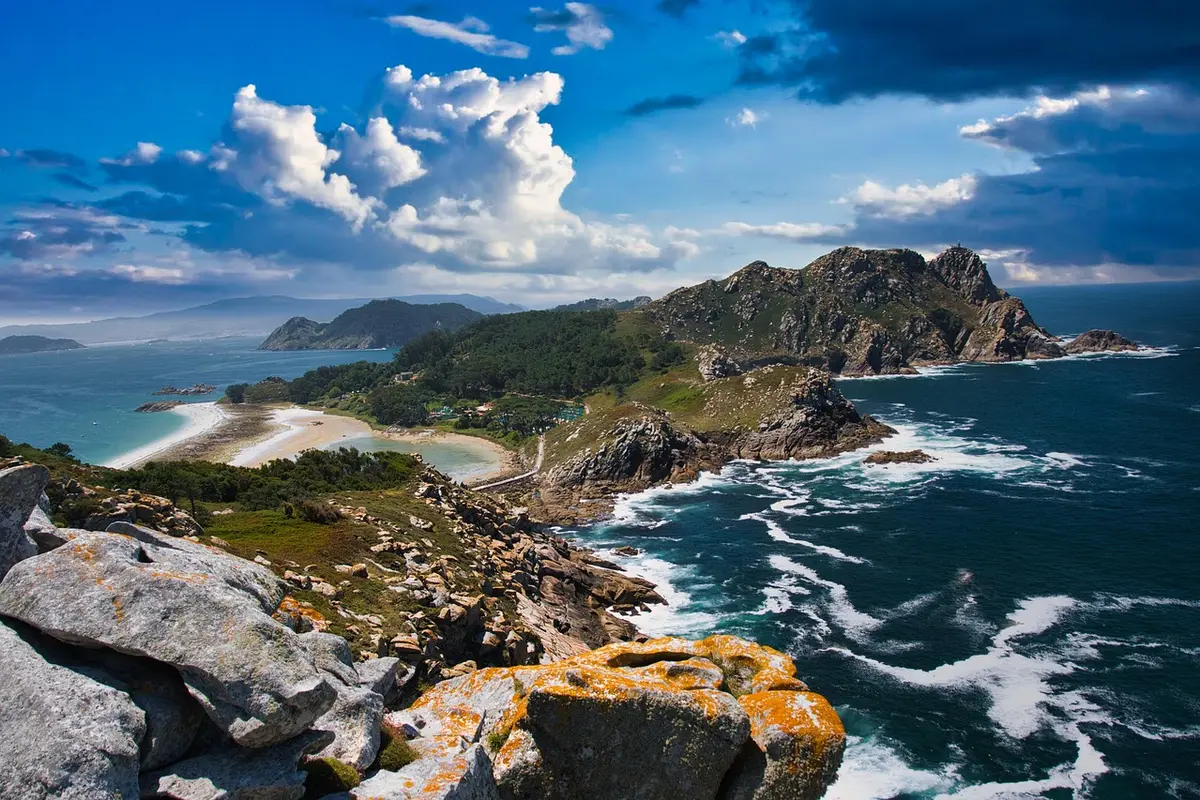
The Cíes Islands are a protected archipelago with beaches, trails, lighthouses, lookouts, and seabird colonies — not an urban beach resort. The visit requires self-sufficiency: bring water, sun protection, food when needed, and take everything you produce as trash back to the mainland.
Rodas Beach and O Lago
Rodas forms a sandy barrier between Monteagudo and Faro, creating the Atlantic beach on one side and O Lago on the other. It’s the first landscape for many visitors and also the busiest area. Arriving and staying only on the sand is valid; walking to a lookout adds the rocky, oceanic dimension the classic photo doesn’t show.
Trails and lighthouses
Choose your hike based on time, wind, and fitness, not just the final lookout. Routes to the lighthouses gain elevation and sun exposure; other paths are better suited to a short visit. The National Park requires visitors to stay only on marked trails.
Limited services and a protected environment
There are information points, restrooms, and seasonal services, but the offering doesn’t match an urban beach. Don’t count on buying everything on arrival. Grippy footwear helps on the trails; a windbreaker layer stays useful even on a sunny day, because the crossing and the lookouts can have different conditions than the streets of Vigo.
Permit to visit Cíes
In high season, get the free Xunta permit first and only then buy the ticket from a park-authorized ferry company. The order matters: the pre-booking generates a provisional code, and the visitor has 2 hours to complete the boat purchase.
Step by step without losing your pre-booking
- Check the ferry schedules beforehand to decide on your outbound and return.
- Go to the official permit portal and choose Cíes, date, and number of visitors.
- Enter the details of every person; those over 14 need ID.
- Use the pre-booking code to buy the boat ticket within 2 hours.
- Save the final permit on your phone and also in a form accessible without internet.
Requests can be made up to 90 days in advance and include a maximum of 10 people, according to the official manual. For larger groups, split the requests without assuming there will be simultaneous slots.
Campers follow a procedure tied to their accommodation, and private boats require their own navigation and anchoring permits. Those situations fall outside this daytime visit itinerary.
How to get from Vigo to the Cíes Islands
In high season, authorized companies depart from Vigo, Cangas, and Baiona, with schedules set each year. Leaving from Vigo is the natural option for those staying in the city, but compare the exact pier, boarding lead time, and change policy before paying.
The crossing is part of the experience and also a point vulnerable to wind and sea. Arrive early at the terminal, confirm whether you need to exchange your voucher for a ticket, and keep your permit ready for inspection. Don’t book a train or flight right after the return: delays and operational changes can happen.
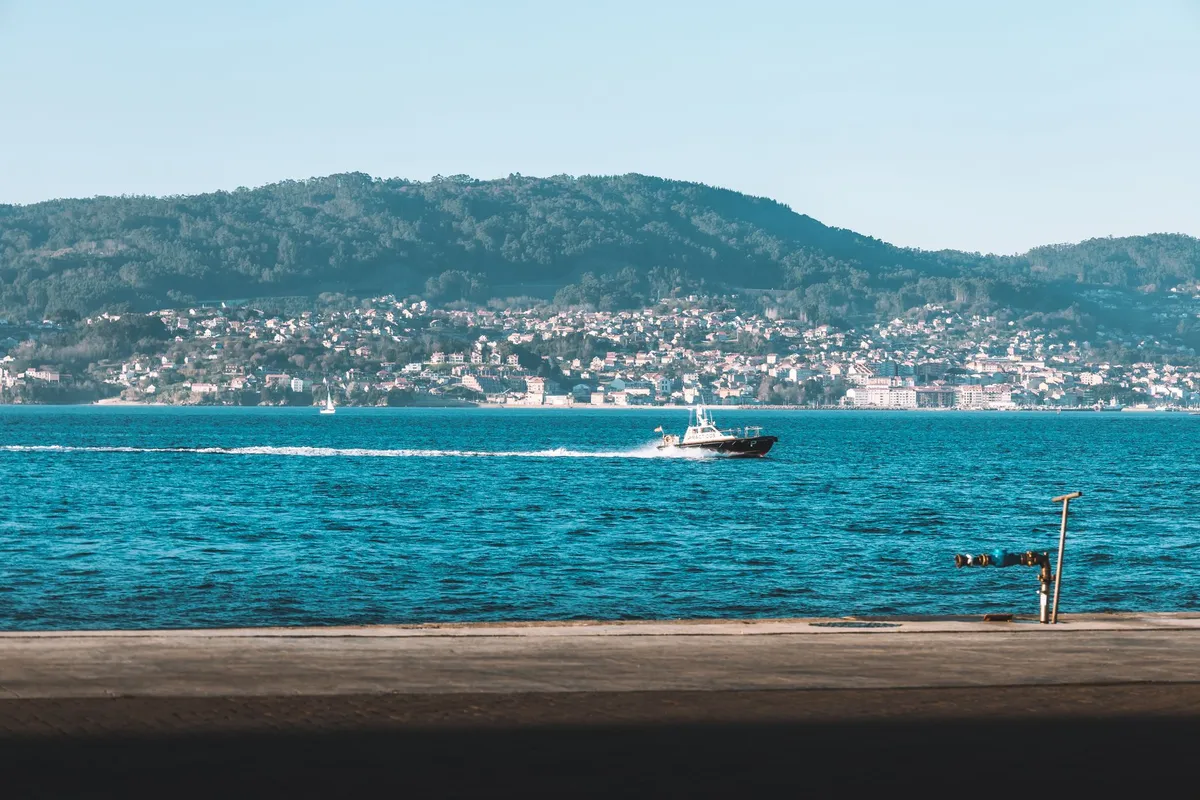
The boat offered below handles transport on operating dates, but the environmental permit remains the visitor’s responsibility.
When to go and how low season works
The official high season covers Easter and the period from May 15 to September 15. In that window there’s regular transport and individual permits; the rest of the year, visits happen only in organized groups with a licensed guide.
Summer offers more departures and longer days, but also higher demand. May, June, and September can balance weather and crowds, with no guarantee of calm seas. In low season, the operational limit is different and each guide can accompany up to 25 people, so it’s not enough to show up at the pier and look for a boat.
The park reports a limit of 1,600 to 1,800 visitors per day in high season. Boat availability doesn’t replace the permit, and the provisional permit doesn’t guarantee the ticket until the purchase is completed.
2- and 3-day itinerary in Vigo
In two days, dedicate the first to the city and the second to the Cíes Islands; in three days, add Bouzas, Samil beach, or a buffer to reschedule the boat trip. Don’t put Cíes on your arrival day or the morning before an important flight.
Day 1: Casco Vello, A Pedra, and Monte do Castro
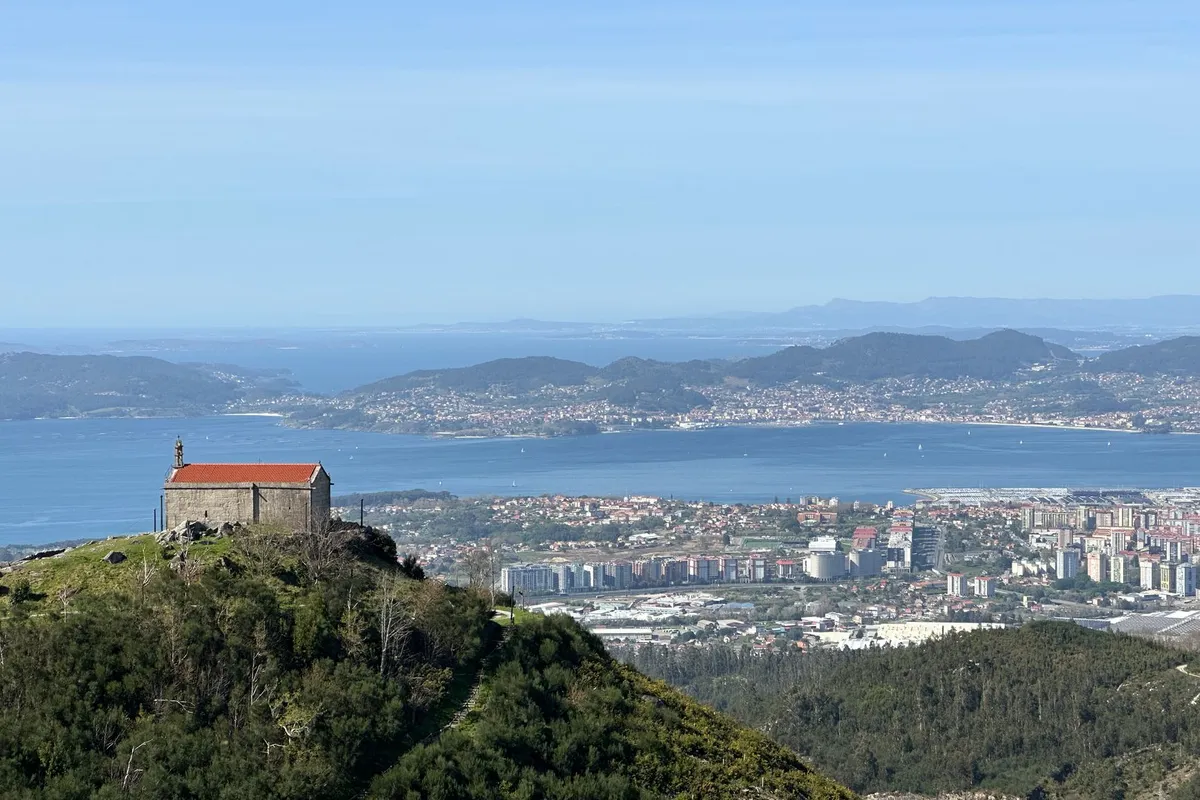
Start at O Berbés and climb through A Pedra to the Concatedral and Praza da Constitución. Continue to Porta do Sol, have lunch downtown, and climb Monte do Castro to see the ria. The lookout works better after you’ve seen the port: you recognize the relationship between pier, city, and islands.
Day 2: Cíes Islands
Set aside the whole day, even if your actual time on the island is shorter. Bring what you need, choose a trail that suits you, and return to the pier with margin. On your way back, have a light meal near the port; a big seafood feast after sun, boat, and hiking isn’t always the best combination.
Day 3: Bouzas, Samil, or a rain plan
Use Bouzas for food and a seaside stroll, Samil for an urban beach, or museums and markets if it rains. The third day also works as insurance against cancellation: if Cíes changes dates, you still preserve the core of the trip.
How many days to stay
2 days is the useful minimum for Vigo with Cíes; 3 days offer the best balance between city, cuisine, and nature. A single night only pays off when the islands aren’t part of the plan.
Four days let you include ria beaches, Baiona, or a longer culinary pace. Before expanding Vigo, weigh your interest in continuing through Galicia: A Coruña adds another Atlantic profile, while Santiago de Compostela shifts the focus to heritage and the Camino.
Environmental limits and a bad-weather plan
Cíes is a national park: walk only on marked routes, don’t feed animals, don’t take sand or shells, and carry your trash back. Gulls come close to food; keep packaging closed and don’t abandon your meal to take photos.
Wind and sea can alter the trip even under clear skies. Have an urban list ready: Museo do Mar, markets, Casco Vello cafés, and dining in Bouzas. A well-planned trip doesn’t depend on forcing the crossing in bad conditions.
For beach, trail, and boat, bring sun protection, water, a windbreaker layer, and sturdy footwear. Those with reduced mobility should confirm the ferry company’s accessibility and the island areas before booking; walkways, sand, and trails don’t offer the same conditions.
How to continue through Galicia
Book the likely Cíes date first, then organize lodging and meals around it. If the permit window isn’t open yet, note the 90-day window and choose options with compatible cancellation policies.
Vigo works better as a gateway to the ria than as a monument checklist. An urban day with a market and a lookout gives context; the day on the islands shows the natural environment that sustains the city’s maritime identity.
The final decision is simple: stay two days if your calendar is tight and three if Cíes is a priority. That extra night buys flexibility, the most valuable resource on a trip that depends on the Atlantic.
 HotelAs soon as you have datesCompare neighbourhoods and guest ratings.Booking ›
- ActivitiesBefore you travelBook ahead the ones with limited spots.Civitatis ›