 Marcelo Oliveira
Is Toledo worth the trip?
Toledo is worth the trip because it packs two millennia of history into a compact route you can actually see — in mosques, synagogues, churches, walls, and narrow alleys. The so-called City of Three Cultures sits close to Madrid and works just as well as a day trip or a two-night stop. One day is enough for the essentials; two days are better for exploring the monuments without rushing and seeing the center lit up at night.
Hotels in Toledofree cancellation options onlySee hotels ›Booking.com partner (advertising): we may earn a commission at no extra cost to you.
The core choice is between speed and depth: on a day trip, prioritize one attraction from each tradition; with an overnight stay, spread museums, viewpoints, and walks across two days. Leave some buffer for hills and closing times, because the compact center is anything but flat, and an overloaded schedule undercuts the historical reading.
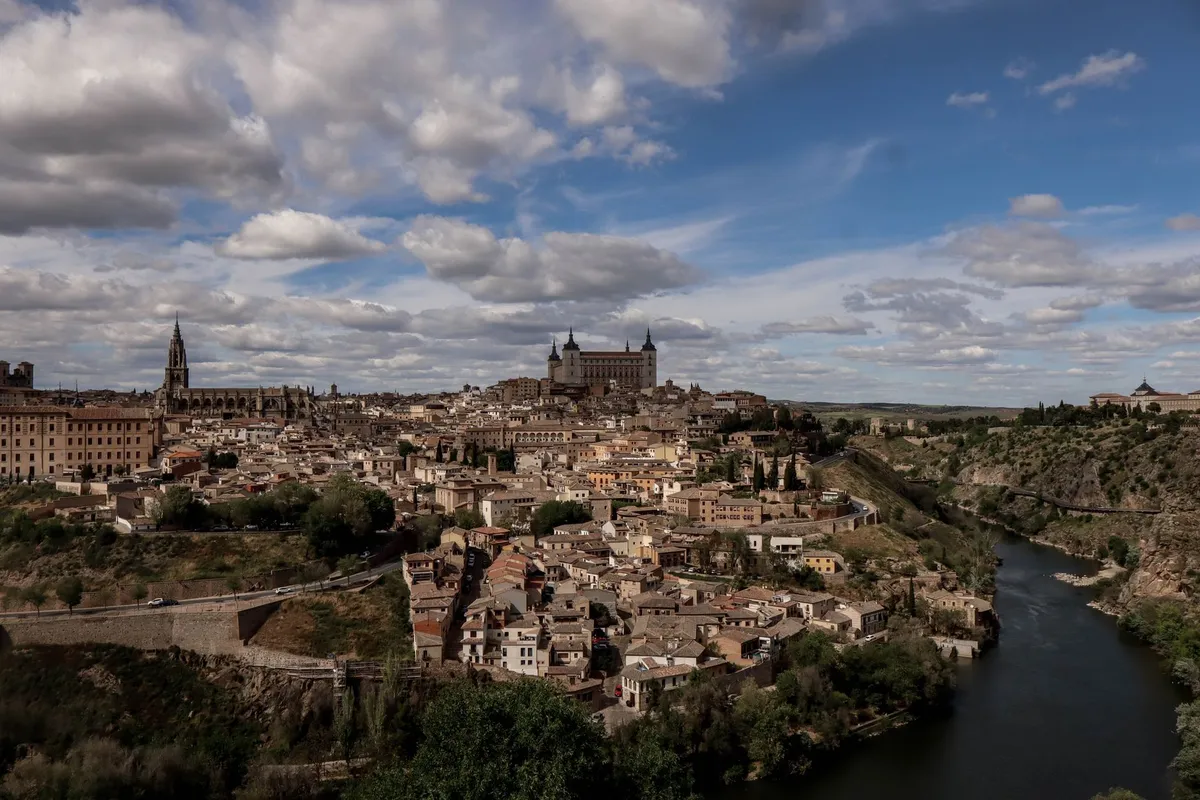
Why Toledo is the City of Three Cultures
Toledo earns that name because its official historical heritage records the meeting of Christianity, Judaism, and Islam, even though that coexistence was neither continuous nor always peaceful. UNESCO describes the city as the keeper of more than 2,000 years of history and highlights precisely the role of these three religions in shaping its works.
The Muslim legacy
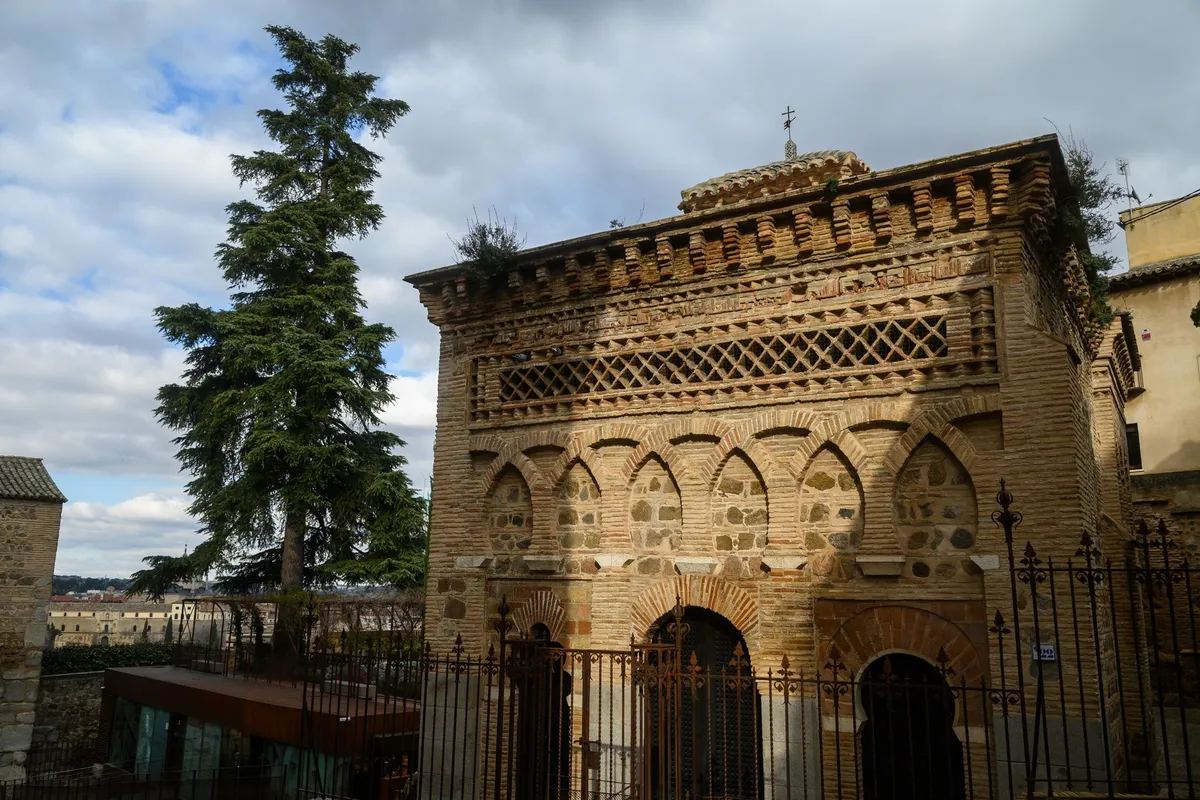
The Mosque of Cristo de la Luz is the most direct place to recognize Islamic Toledo. The 10th-century building preserves small proportions, arches, and construction solutions that contrast with the later monumentality of the Cathedral. The Puerta de Alfonso VI, the walls, and numerous Mudéjar elements broaden that reading: Islamic influence remained present even under Christian rule.
The Jewish heritage
In the Judería, prioritize the Synagogue of Santa María la Blanca and the Sephardic Museum, housed in the Synagogue of El Tránsito. Santa María la Blanca is especially revealing: it was built as a synagogue, features Mudéjar language, and later became a church. Rather than treating each tradition as an isolated layer, the building shows how artisans, techniques, and uses crossed paths.
Christian Toledo
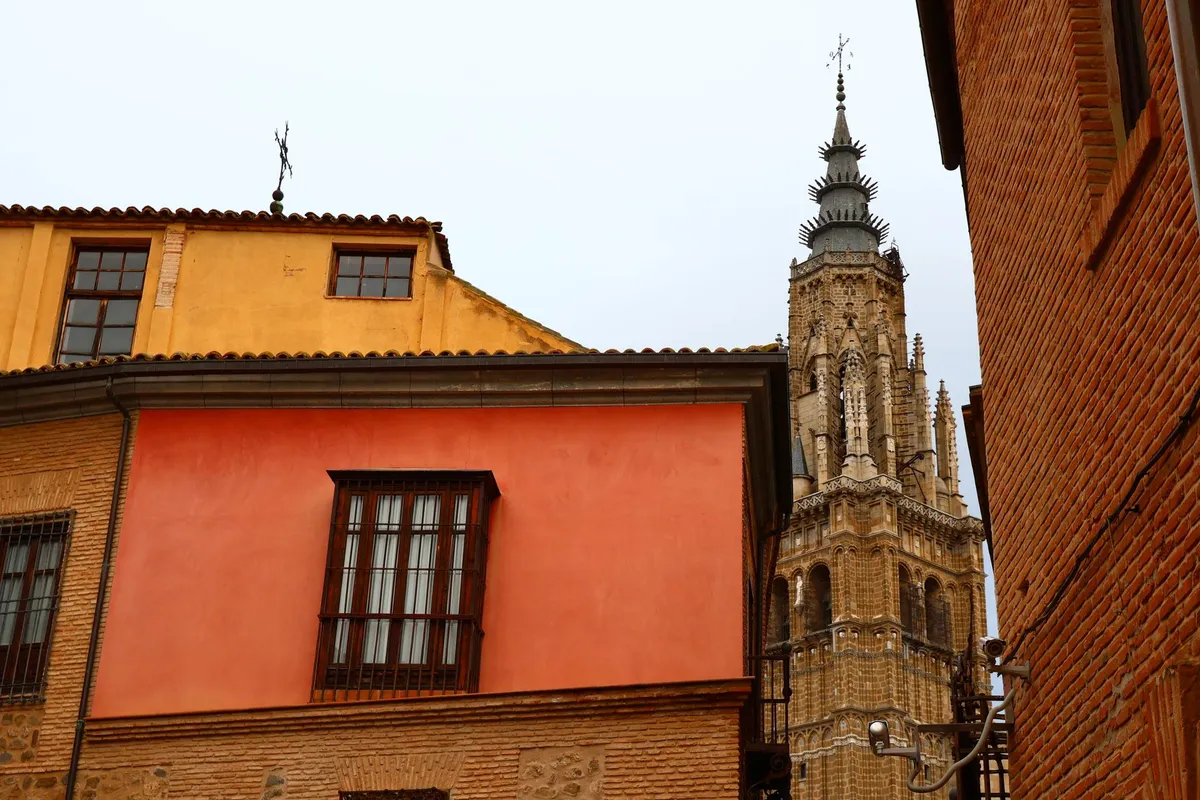
The Primate Cathedral dominates the city skyline and concentrates centuries of religious power, Gothic art, and later interventions. San Juan de los Reyes, Santo Tomé, and the Church of the Jesuits complete the picture. The value of the itinerary isn’t in checking off a collection of temples, but in comparing scales, materials, and changes of function along the same streets.
If you’d rather start with context before exploring on your own, a guided tour helps connect the three threads without reducing history to a story of permanent harmony.
 Partner · Civitatissee all activities in Toledo ›
- See ›Toledo Free Walking TourRating 9.6 · 115 reviews on Civitatis
- Toledo Zipliningfrom€14.99per personSee ›
- Toledo Tourist WristbandRating 8.9 · 32 reviews on Civitatisfrom€14per personSee ›
- Alcázar de Toledo Guided Tour + Museum of the ArmyRating 10 · 1 reviews on Civitatisfrom€20per personSee ›
Civitatis prices on 28/09/2026, from, per person. They may change.
1-day itinerary in Toledo
The best one-day itinerary crosses the center from northeast to southwest, cutting down on backtracking and leaving the Judería for the afternoon. Start early, pick just a few long visits, and save the end of the day for a viewpoint.
Morning: gates, mosque, and Cathedral
Start at the Puerta de Bisagra, head up toward the Mosque of Cristo de la Luz, and follow the commercial area to Plaza de Zocodover. From there, walk to the Alcázar for an exterior read of the city’s profile and continue to the Cathedral. If you plan to go inside, make the Cathedral your main paid entry of the morning; trying to squeeze in several museums before lunch turns the itinerary into a race.
Afternoon: Judería and the Tagus riverbank
After lunch, cross toward Santo Tomé, Santa María la Blanca, and San Juan de los Reyes. The official Toledo map helps you visualize that sequence. Choose the Sephardic Museum if you want to dig into history and collections; choose Santa María la Blanca if architecture and overlapping uses are your focus.
A themed tour of the Judería makes more sense at this point, once you’ve already seen the mosque and the Cathedral and can compare the day’s three threads.
End of day: bridge or viewpoint
Finish at the Puente de San Martín if you want to keep walking and see the Tagus up close. For the classic panoramic view, the Mirador del Valle is better, but it requires a taxi, the tourist bus, or a long detour. If you’re heading back to Madrid the same day, weigh that trip against your train time; if you’re staying in Toledo, you can wait for dusk without any stress.
One or two days: which length to choose
Set aside 1 day for a first taste and 2 days if you really want to go inside monuments from all three traditions. The difference isn’t the number of attractions, but the time you have to observe them and deal with hills, lines, and closing times.
On a day trip, pick the Cathedral plus two or three smaller monuments. With two nights, spread the Christian center and the Alcázar across day one, leave the Judería and museums for day two, and add an evening stroll. The city changes once the daytime groups leave, and that calm is a concrete advantage of staying overnight.
Tourist Bracelet and tickets
The Tourist Bracelet costs €14 per person in August 2026, is valid for seven days, and includes one entry to each of seven monuments. According to the official Toledo Monumental page, individual admission costs €4 per monument during the same period.
In practice, the bracelet starts paying off financially from the fourth monument onward. It includes Cristo de la Luz, Santa María la Blanca, San Juan de los Reyes, Santo Tomé, El Salvador, the Jesuits, and the Real Colegio de Doncellas Nobles. It does not include the Cathedral or the Sephardic Museum, two important sites; so don’t buy the pass assuming every attraction is covered.
The bracelet doesn’t grant priority entry. On a one-day itinerary, use it only if the seven-day validity or the selection of four attractions makes sense for you. Hours change throughout the year, and several ticket offices close 10 to 30 minutes before the building does.
How to get from Madrid to Toledo
The Avant train is the fastest option: the journey between Madrid Puerta de Atocha and Toledo takes about 30 minutes, according to Renfe. Buy round-trip tickets in advance when you have a fixed date, because seats at convenient times can sell out.
The station sits outside the walled core. On arrival, take a city bus or taxi to handle the climb and start walking near Zocodover or the Puerta de Bisagra. If Toledo is an extension of a bigger trip, our Madrid guide helps you decide where to slot in the day trip without dismantling the rest of your itinerary.
The intercity bus is usually cheaper and ends near the Safont escalator, but it takes longer. A car only makes sense if you’re continuing through Castilla-La Mancha: parking inside the center is restricted, and driving between narrow streets doesn’t add any freedom to your visit.
Getting around the historic center
Toledo’s center is walkable, but it isn’t flat: uneven cobblestones, slopes, and labyrinthine streets make every kilometer more tiring than it looks. Sturdy shoes and a zone-by-zone itinerary are worth more than trying to follow a generic list in order.
Use the Recaredo or Safont escalators to handle the first climb. Inside the walls, group the Cathedral and Alcázar together, then the Judería and San Juan de los Reyes. People with reduced mobility should confirm accessibility at each monument and consider taxis to connect more distant areas; historic heritage and accessibility vary widely from one building to another.
When to go and what to avoid
Spring and fall offer temperatures better suited to the hills, while summer demands an early start, a long midday break, and plenty of water. Avoid Monday without checking the calendar first: public museums and religious sites follow different rules, and celebrations can limit visiting areas.
Corpus Christi transforms the streets and is an important cultural experience, but it also drives up prices and crowds. If your goal is to observe architecture calmly, pick another week. At any time of year, check the official websites the day before; the city’s own tourism material warns that prices and hours can change.
How to fit Toledo into your trip
Choose the day trip if you have limited time in Madrid and accept prioritizing three or four interiors. Sleep in Toledo when the heritage of the three cultures is the central reason for your trip, when you’re interested in photography at dusk, or when the hills call for a less compressed pace.
To compare two historic day trips, see also our one-day itinerary in Segovia. Toledo delivers more religious overlap and a labyrinthine center; Segovia offers a more linear axis between the Aqueduct, Cathedral, and Alcázar.
The practical decision is simple: book the train first, then pick two main entries and let the rest of the day breathe. Toledo rewards those who compare its buildings; an overly packed schedule turns exactly that reading into a rush.
 HotelAs soon as you have datesCompare neighbourhoods and guest ratings.Booking ›
- ActivitiesBefore you travelBook ahead the ones with limited spots.Civitatis ›