 Marcelo Oliveira
Tarragona, Spain, answers two very different questions at once: it’s a great day trip built around Roman ruins and the Mediterranean, but it can also be a housing alternative for anyone willing to accept a smaller job market than Barcelona’s. In this guide, the first half organizes your visit; the second covers neighborhoods, rent, transport, healthcare and bureaucracy so that the decision to live here doesn’t rest on the scenery alone.
Hotels in Tarragonafree cancellation options onlySee hotels ›Booking.com partner (advertising): we may earn a commission at no extra cost to you.
Is Tarragona worth it?
Tarragona is worth it above all for travelers who want Roman heritage, a historic center and the sea in the same day, without dealing with Barcelona’s urban scale. The city sits in Catalonia, on the Costa Daurada, and lets you link the Part Alta, the main archaeological sites, the Rambla Nova and the waterfront on an almost entirely walkable route.
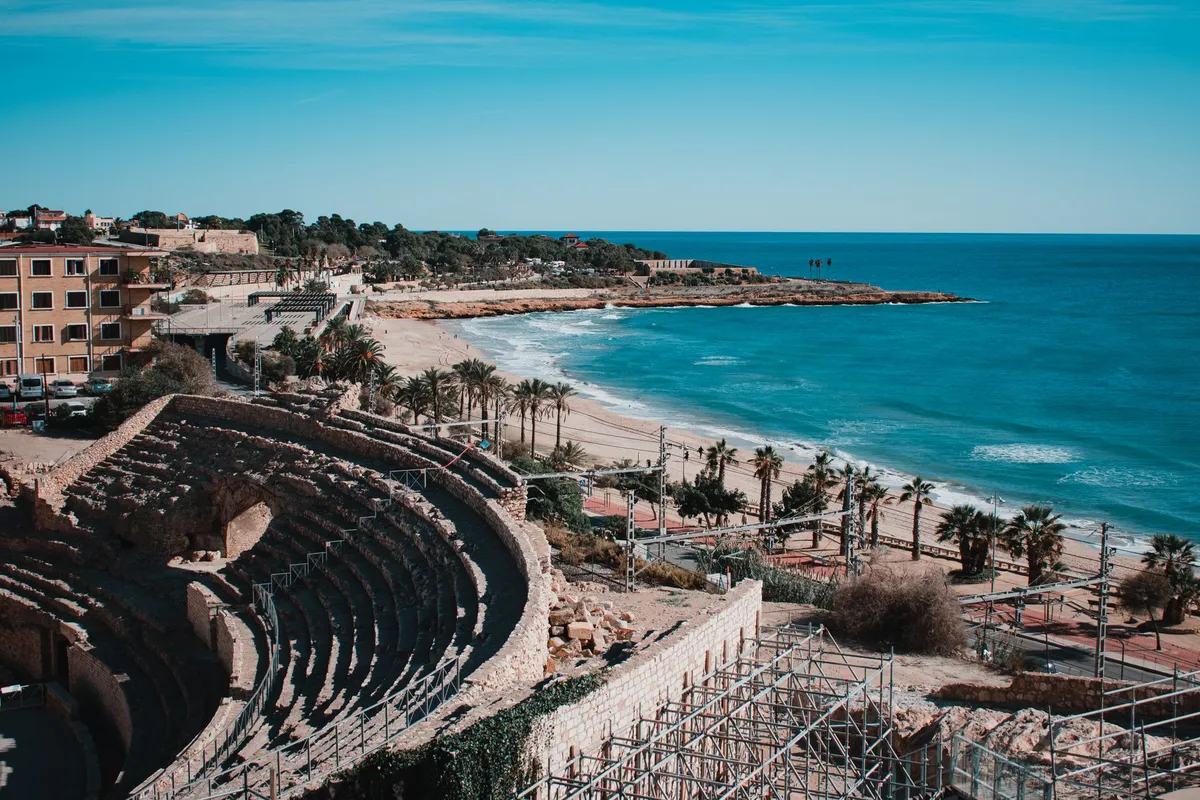
The draw isn’t a huge list of attractions, but the closeness of very different layers of history. The amphitheater opens onto the Mediterranean; the layout of the Roman circus is woven into today’s streets; and the cathedral occupies the highest part of the old town. If you’re only after a beach, there are destinations more focused on the coast. If you want intense nightlife or a big job market, you’ll probably adapt better to Barcelona.
For a first trip, one well-organized day covers the essentials. For living here, the answer depends on work, budget and neighborhood: Tarragona is a provincial capital with enough services and population for an urban routine, but it doesn’t automatically replace the opportunities of a major metropolis.
Tarragona in 1 day itinerary
The most efficient route starts up high, descends through the remains of Tarraco and ends by the sea. This order works with the topography, cuts down on repeated climbs and leaves the waterfront for the time when the archaeological sites are already closing.
Morning: Part Alta, walls and cathedral
Start with the Passeig Arqueològic and the walls. Then wind through the streets of the Part Alta up to the Catedral de Tarragona. Don’t try to turn every stone into a long stop: the point of the morning is to understand how the Roman city occupied the upper levels and how the medieval center grew on top of that structure.
Set aside a break for Plaça de la Font and the streets near the old circus. Eating lunch in this area saves you from climbing back up later. If the cathedral is a priority, confirm availability before planning the rest, since a fixed time slot changes the sequence of your day.
Afternoon: circus, praetorium and amphitheater
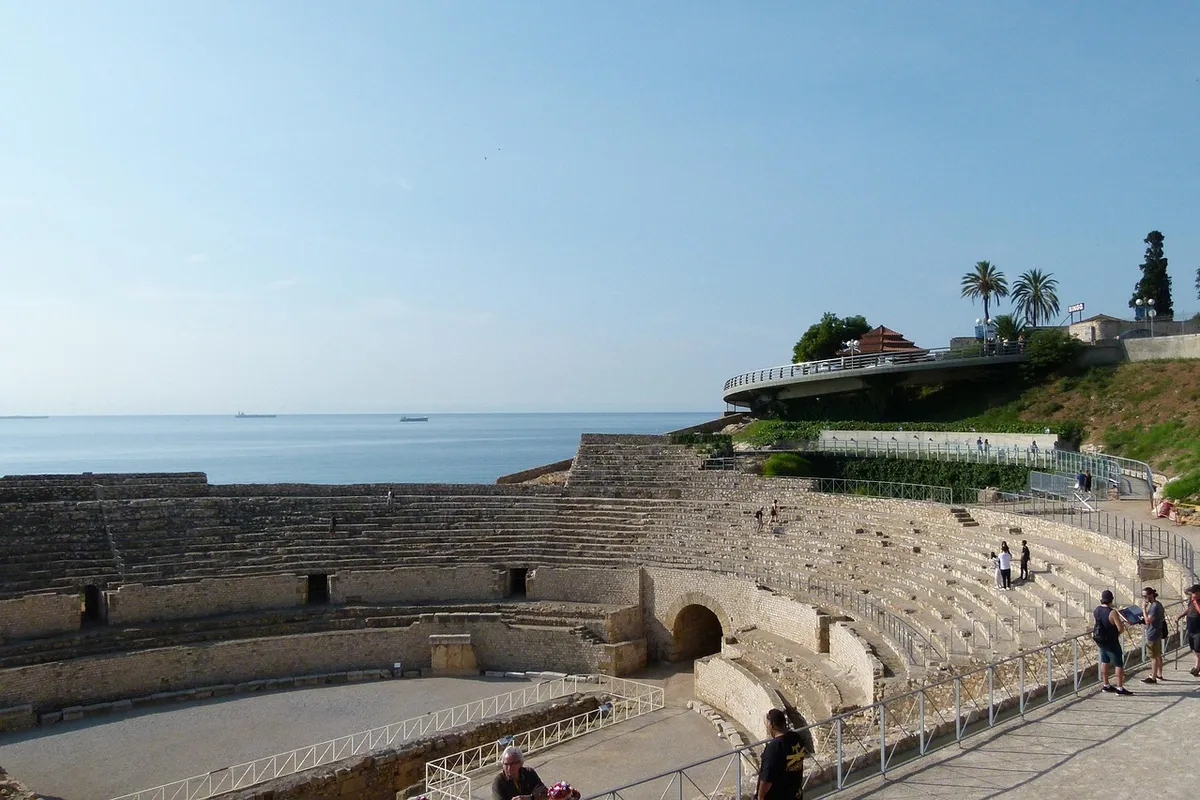
After lunch, visit the Circus-Praetorium complex and head toward the amphitheater. The first helps you picture how Tarraco functioned as a city; the second delivers Tarragona’s most famous image, with the stands facing the sea. The official tourism post on ten essential visits helps you check which sites best match your interests.
Finish at the Balcó del Mediterrani, on the Rambla Nova, or walk down to El Miracle. If you still have energy, El Serrallo adds a harbor atmosphere and restaurants, but it shouldn’t come before the main monuments. On a short day, cut what’s far away instead of rushing every visit.
Tarraco and the Roman monuments that matter
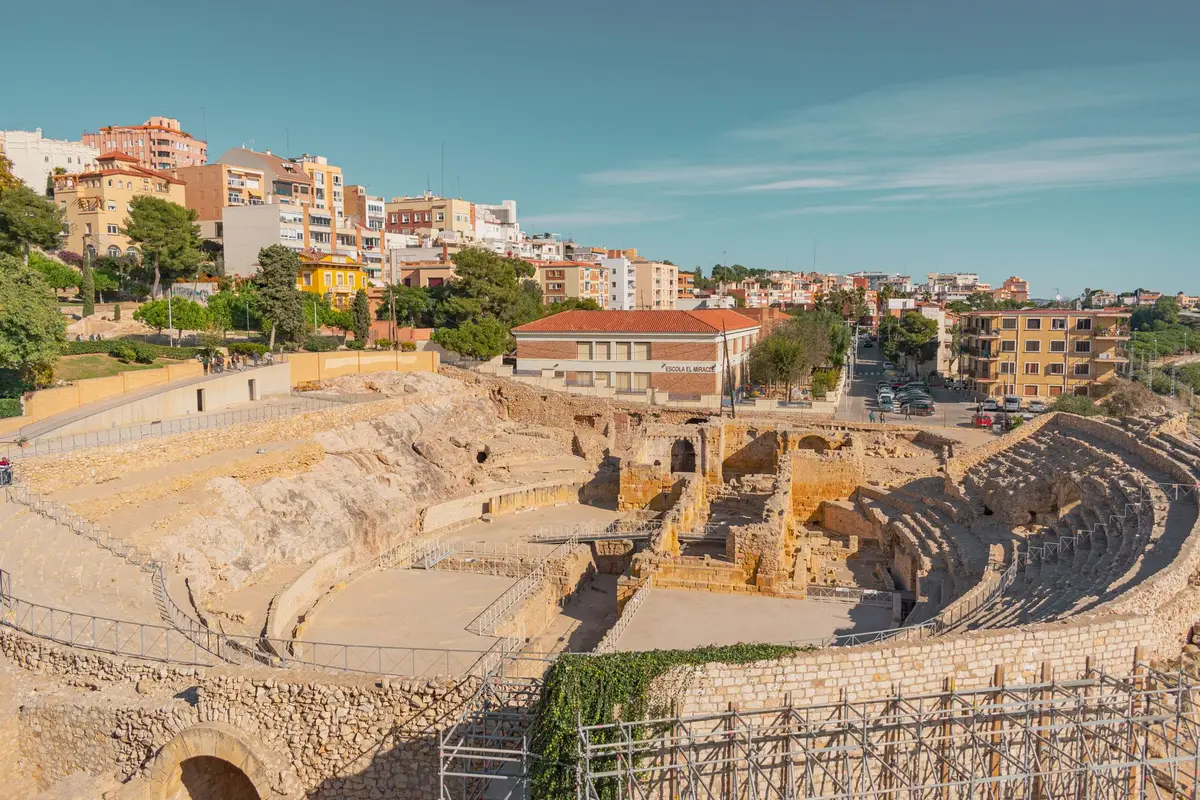
For a first visit, prioritize the Passeig Arqueològic, the Circus-Praetorium and the Amphitheater. These three sites show defense, entertainment and political organization without requiring trips to the municipality’s more distant sites.
The archaeological ensemble of Tarraco recognized by UNESCO is bigger than the tourist center: it includes elements like the Les Ferreres aqueduct, the paleochristian necropolis and structures in other municipalities. That’s why “seeing Roman Tarragona” can mean either a few-hour city walk or a two-day archaeological itinerary.
The aqueduct is worth the detour if you have a car or a second morning. On a train day trip, trying to include it usually means sacrificing the Part Alta or the waterfront. A guided tour makes more of a difference for anyone who wants to interpret the fragmented remains; if you prefer exploring on your own, at least read up on the context before entering the sites.
Opening hours and tickets: what to check before you head out
Check the municipal calendar on the day you’re planning, especially if your visit falls on a Monday, Sunday or public holiday. The sites have different seasons and hours, and last entry happens before the announced closing time.
In a check done in August 2026, the official page for opening hours of Tarragona’s monuments indicated closures on Mondays, except for scheduled exceptions, plus special free-admission days. The same page posts temporary notices about works and early closures; that’s why a table copied into this article would age faster than the official link.
The municipal page for prices and ticket sales stated, in August 2026, a single-site ticket of €5 and a combined ticket of €15 for the participating sites. Before paying separately, compare the pass with the number of monuments that actually fit into your day.
The cathedral runs its own operation. If it’s a must for you, treat its ticket as a separate booking and build your route through the Part Alta around that commitment. That way you don’t cross the center twice or miss the best time at the Roman sites.
How to get to Tarragona without picking the wrong station
Read the station name on your ticket: Tarragona sits next to the center and the waterfront, while Camp de Tarragona is outside the urban area and requires an extra connection. That difference can wipe out the advantage of a faster train when your goal is to start the route on foot.
Renfe lists the options between Barcelona and Tarragona, but schedules, train categories and arrival stations vary. Compare door-to-door time, not just the rail journey. If you arrive at the urban station, you can walk to the Rambla Nova and the amphitheater; if you arrive at Camp de Tarragona, you’ll need to plan for a bus, taxi or transfer.
If Tarragona is an extension of a bigger trip, use our Barcelona planning guide to decide how many days to keep in the Catalan capital. To combine coastline and architecture, the article on Barcelona beyond the Sagrada Família helps you avoid two days with very similar plans.
What it’s like to live in Tarragona
Living in Tarragona means trading part of Barcelona’s professional and cultural offering for a smaller, coastal city that’s easier to cross. The gain is a routine with shorter distances; the limitation is depending more on the local sector or on commuting when work is concentrated in the metro area.
Idescat recorded 143,649 inhabitants on January 1, 2025. That size helps explain the experience: Tarragona isn’t a seasonal tourist village, since it has a university, hospitals, a port, commerce and residential neighborhoods; at the same time, it doesn’t deliver the same variety of jobs, flights and events as Barcelona.
Catalan and Spanish coexist in administration, work and social life. You can start your routine with Spanish, but learning Catalan broadens integration and access to local hiring processes. Before moving, visit on a weekday: test the route between your desired neighborhood, the supermarket, school or work. The city seen on a sunny Saturday doesn’t reveal lines, parking or real bus frequency.
Tarragona neighborhoods: where to live based on your routine
Choose your neighborhood by your daily commute and the kind of street you can accept, not just by the straight-line distance to the center. The topography, the railway, the avenues and the separation between some zones change the walking experience quite a bit.
Part Alta, Eixample and Part Baixa
The Part Alta puts history, restaurants and pedestrian streets at your doorstep, but it can mean old buildings, stairs, noise and less parking ease. The Eixample tends to offer a more conventional routine, with shops and transport corridors. The Part Baixa is close to the urban station and the port; it’s worth visiting the block at night and checking the building, since the experience changes from one street to the next.
Llevant, Nord and Ponent
Llevant appeals to those who prioritize the sea, residential areas and a car, but the distance to some services has to go into the math. Sant Pere i Sant Pau and other areas of the Nord can work for university or work in that direction. Ponent brings together neighborhoods with different prices and connections; the choice needs to consider your daily destination, not a general label.
The municipal division of Tarragona itself groups Centro, Nou Eixample, Ponent, Nord and Llevant. Use that map as a starting point and make a list of three real addresses: one near work, one with better rent and one with better mobility. Visit all of them at the time you’d normally get home.
Cost of living and rent in Tarragona
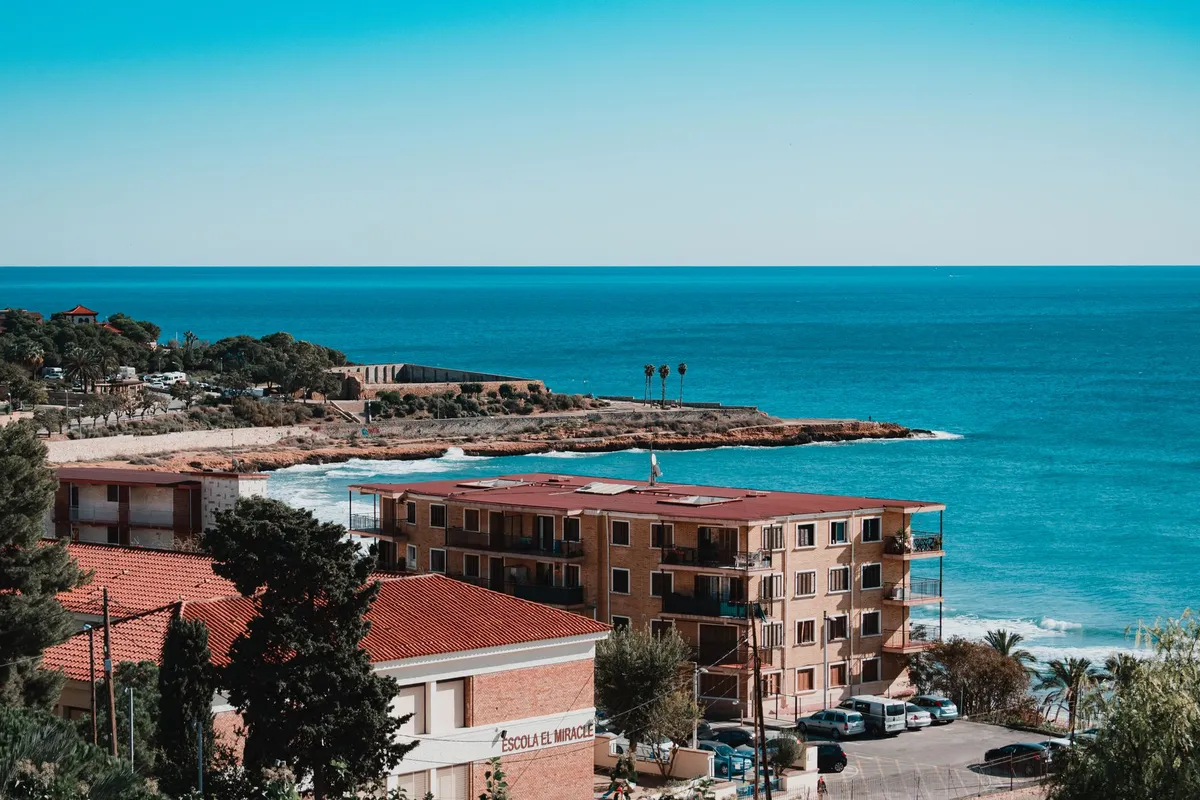
Rent is the variable that changes your budget the most, so don’t use a single average figure to decide on a move. Compare properties of the size you need in three neighborhoods, add community fees and bills, and rule out listings that don’t accept your contract profile.
How to read the price per square meter
In a check done in July 2026, the Idealista valuation tool indicated €10.8 per square meter per month in Tarragona. That number is an indicator based on listings, not a contract promise: property condition, furnishings, elevator, proximity to the sea and neighborhood can shift the total quite a bit. Use it to spot an outlier listing, not to end your search.
A monthly budget that doesn’t forget move-in costs
Build four blocks: housing; bills and internet; food and transport; healthcare, leisure and savings. In the first month, add the deposit, any permitted fee, furniture, utensils and extra trips. If your job isn’t settled yet, also simulate the cost of going to Barcelona a few times a week.
Gross salary doesn’t solve the math on its own. Compare net income, contract stability and commuting costs with the rent in your chosen neighborhood. To see how another Spanish city handles language and daily life, check the guide to Alicante, language and everyday life, but don’t transplant figures between different markets.
Getting around: can you live without a car?
You can live without a car when home, work and services are on the central axis or on a useful bus line. A car gains importance for more distant neighborhoods, beaches outside the urban core, unusual work shifts or frequent trips around the region.
The municipal page on mobility and transport gathers urban buses, parking and traffic rules. Before signing a lease, simulate the route at the real time you’d travel and check the last return too. A line that works well midday may not solve a late-night outing.
If you plan to bring a vehicle, check the Tarragona low-emission zone. The rules have transitions for residents in 2026 and 2027 and depend on registration, address and vehicle characteristics. Treat this check as part of choosing your neighborhood, not as a detail to handle after the move.
Healthcare, empadronamiento and first documents
The first municipal step for anyone who becomes a habitual resident of Tarragona is to sort out the address and register on the padrón. After that, each person’s immigration and employment situation determines other registrations; Brazilians shouldn’t confuse empadronamiento with a residence permit.
The official catalog for registering on the Tarragona padrón states that registration proves habitual residence and requires an ID document and proof of address. Check the list that applies to your case before your appointment, especially when the lease isn’t in your name.
In Catalonia’s public health system, your primary care center is assigned by address. CatSalut lets you locate the corresponding CAP and explains the care network. Keep a separate list for padrón, immigration status, social security number when applicable and healthcare access; one procedure doesn’t automatically replace another.
Who Tarragona makes sense for — and what to do next
For visiting, Tarragona is a strong choice if you value archaeology and want a walkable day between the old town and the sea. It loses appeal when your main goal is a resort beach, shopping or nightlife. In that case, it’s worth comparing other Costa Daurada bases or keeping the day in Barcelona.
For living, the city tends to work better for those who already have local or remote work, or a tested commuting routine. It also favors anyone who prefers an intermediate urban scale and is willing to research neighborhood by neighborhood. The move is riskier for those who depend on a highly specialized job market or imagine commuting daily to Barcelona without calculating door-to-door time, frequency and cost.
Before deciding, run three concrete tests: build your budget with active listings; travel the route between two neighborhoods and your daily destination on a weekday; and confirm padrón, healthcare and documentation for your situation. If those three points check out, Tarragona stops being just a beautiful visit and becomes a life option evaluated on real criteria.
 HotelAs soon as you have datesCompare neighbourhoods and guest ratings.Booking ›
 ActivitiesBefore you travelBook ahead the ones with limited spots.Civitatis ›