 Marcelo Oliveira
Seville works beautifully as a first stop in Andalusia: the historic center packs palaces, churches, bars and viewpoints into a distance you can cover on foot. For a first visit, book three nights: that gives you two full days without turning the city into a race. With only two days, prioritize the Alcázar, the Cathedral/Giralda, Santa Cruz, Plaza de España and Triana. The big decision is timing: in spring and fall, sightseeing is far more comfortable; in July and August, plan monuments for the morning, take a break in the early afternoon and hit the streets again at dusk.
Hotels in Sevillefree cancellation options onlySee hotels ›Booking.com partner (advertising): we may earn a commission at no extra cost to you.
Best time to visit Seville — and when the trip usually costs less
March to May and October to November strike the best balance between long days, outdoor sightseeing and weather. The trade-off is demand: Semana Santa and the Feria de Abril have unforgettable atmosphere, but also crowds, traffic changes and harder-to-book hotels. If experiencing those festivals is the goal, book well in advance and accept a less spontaneous itinerary.
Summer isn’t a “don’t go”; it’s a trip that needs strategy. The center has shade in its alleys and courtyards, but the intense heat seriously cuts into your pace midday. Save the Alcázar, the Cathedral, museums and lunch for the hottest hours; Plaza de España, the Guadalquivir riverbank and Triana work better in the late afternoon. Winter, meanwhile, tends to be the calmest window for hotels and flights, except for holidays and events. To find the cheapest time to go to Spain, compare dates outside the big festivals, avoid long holiday weekends and check the final price of flights and lodging: the lowest fare isn’t worth it if it forces you to pay more for transfers or lose a day to bad connections.
 See activities in Seville on GetYourGuide ›
How many days to spend in Seville
Two full days cover a first visit; three or four let you fit in museums, flamenco, a morning without an alarm or a side trip. It’s worth staying longer if Seville is your base for Andalusia: Córdoba, for example, pairs wonderfully with the trip and deserves its own planning — see our guide to Spain’s historic cities to compare the pace of a complementary stop. If Granada is on the same route, plan it without rushing: visiting the Alhambra in Granada has its own ticketing and timing logic. If you only have one night, don’t try to “see everything”: pick the Alcázar or the Cathedral, wander through Santa Cruz and end the day in Triana.
What you can’t miss
Real Alcázar: this is the priority for anyone who loves architecture, tiles, gardens and layers of Islamic and Christian history. The attraction uses timed entry; buy through the official Real Alcázar channel as soon as your itinerary is set. Don’t schedule a tight visit before a train or flight.
Cathedral and Giralda: the climb and the view make this the other decisive booking. The Seville Cathedral publishes updated hours and rates; check again the week of your visit, since celebrations and seasonal periods can change access. The general admission ticket also includes the Church of El Salvador, which helps you build your morning without extra travel.
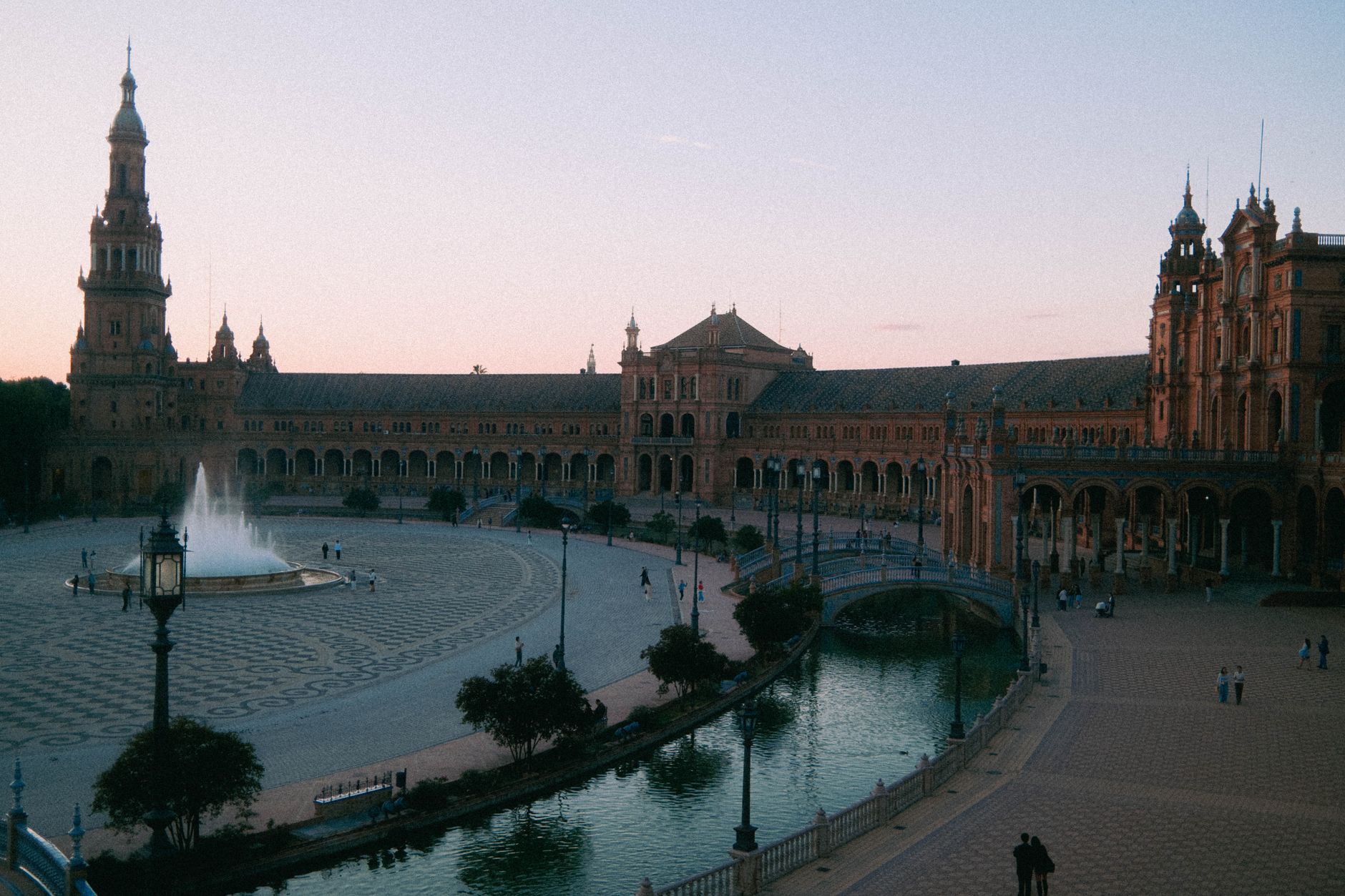
Santa Cruz neighborhood: it doesn’t need a checklist to work its magic. Wander the narrow streets without a rigid plan, but don’t use the neighborhood to “save” a whole morning if the Alcázar and Cathedral are still pending. Plaza de España and Parque de María Luisa are the most photogenic setting for many visitors; go near dusk if the day is hot. There’s no single “most beautiful” spot: the Alcázar delivers details and gardens, the Giralda delivers panoramas, and Plaza de España delivers scale and ceramics.
Triana: cross the bridge past the center for bars, the market, ceramics and the riverbank. It’s a great choice for dinner and for anyone who wants to fit in flamenco, but don’t treat every show as equivalent: check the length, language, photo policy and whether it’s an intimate tablao or a bigger production.
Seville itinerary in 2 days
Day 1 — the monumental core. Book the Alcázar for opening or early morning. Then head to the Cathedral and Giralda, have lunch nearby and save the afternoon for the Church of El Salvador and Santa Cruz. If you still have energy, walk to the Setas de Sevilla to see the city from above; if not, save that view for your second late afternoon. The beauty of this setup is avoiding zigzagging: almost everything sits in the same part of the center.
Day 2 — plaza, park and river. Start with Plaza de España and Parque de María Luisa before the sun gets intense. Have a relaxed lunch, cross into Triana in the late afternoon and choose between the market, ceramics, the riverside and a flamenco show. If you prefer museums, swap part of the afternoon for the Museo de Bellas Artes; if you’re after souvenirs, browse the shops in the center. Don’t try to squeeze a day trip to Córdoba into this two-day itinerary: it deserves a day of its own.
What to eat in Seville
Start with tapas, but treat the word as a format, not a menu: order small portions so you can try more than one thing. Good bets are espinacas con garbanzos (spinach with chickpeas), solomillo al whisky, carrillada, croquetas, jamón ibérico and fried fish. Gazpacho or salmorejo make far more sense in the heat; at breakfast, churros with chocolate are a classic, though they don’t need to become a daily obligation.
To spend wisely, look for the menú del día at lunch, compare price per portion and don’t pick a bar just because it’s in front of a monument. In Santa Cruz and around the Cathedral, location drives up prices; in Triana, Alameda and the side streets of the center, it’s easier to find a meal that isn’t just convenient for tourists.
How to build your plan without waste
Buy your timed-entry attractions first, then choose your lodging and only then fill in the map. This order keeps you from booking a hotel far from the area you plan to explore early and prevents a fixed visit from cutting your day in half. For a two-day itinerary, an address in the center, Arenal, Santa Cruz or Triana is usually worth more than a slightly cheaper rate in a distant neighborhood: walking between stops is part of the experience and saves time.
Wear sturdy shoes for cobblestones and uneven sidewalks, carry a water bottle and bring a light layer outside of summer. In the heat, confirm your lodging has air conditioning before deciding based on price alone. For restaurants, Spanish timing means a late lunch and an even later dinner; grab a snack if you usually eat early instead of relying on a kitchen that may not be serving yet. Cultural programming changes throughout the year, so use the official Seville tourism calendar for exhibitions, festivals and events on your dates.
Short distances can be deceiving: stairs, photo stops and a tapas table always stretch the walk. Leave one main attraction per half-day, keep a covered backup for very hot or rainy days and consider this mobility advice from Lonely Planet: the center and its tourist neighborhoods reward those who walk. That way, you see more of the city and depend less on short transport connections.
How to get around Seville
Stay in the center, Santa Cruz, Arenal or Triana if walking is a priority: between the main attractions, going on foot is usually more efficient than waiting for a bus. For the airport, train station or areas outside that core, check the planner and updated routes from TUSSAM, which runs the city buses and the airport line. The metro helps on a few axes, but it isn’t the heart of the tourist route. Taxis and ride apps solve late arrivals, luggage or heat; biking works well in the park and along the river, less so on the narrow streets of Santa Cruz.
Is Seville expensive?
For visitors, Seville is usually more manageable than larger European capitals, but it isn’t cheap in every situation: high demand sends nightly rates soaring, and paid attractions add up fast. Decide first where to save. Flexible-date lodging, a lunch menu and walking instead of riding free up budget for the Alcázar, the Cathedral, flamenco or a nicer dinner. As for living there, the answer depends on rent, neighborhood and income; don’t use a two-day travel budget as a measure of monthly cost of living.
Quick questions
What’s the best time to go?
Spring and fall are the most balanced choices. For less price pressure, look at winter and dates outside Semana Santa and the Feria de Abril.
Is it expensive to live in Seville?
It depends mainly on rent and the neighborhood. The city can cost less than major Spanish hubs, but a decision to move requires research on housing, contracts, salary and local expenses — not just travel comparisons.
What should I book first?
The Alcázar and the Cathedral/Giralda. Lock in compatible time slots for both, then fill out the day with Santa Cruz, Plaza de España and Triana.
Tickets sell out early: see how to buy Alhambra tickets.
 HotelAs soon as you have datesCompare neighbourhoods and guest ratings.Booking ›
- More activitiesTo compareTickets, day trips and tours with flexible cancellation.GetYourGuide ›