 Marcelo Oliveira
Zaragoza, the capital of Aragon, works beautifully for a two-day escape: the historic center is compact, the Ebro River gives you a constant visual anchor, and its monuments layer Roman, Islamic, Mudéjar and Baroque history without demanding long treks across town. Your best first decision is to book a night in the center, prioritize the Pilar, La Seo and the Aljafería, and leave room to wander slowly between the plazas.
Hotels in Zaragozafree cancellation options onlySee hotels ›Booking.com partner (advertising): we may earn a commission at no extra cost to you.
Why does Zaragoza deserve a spot on your itinerary?
Zaragoza is worth the stop for anyone who wants to understand Spain beyond the most obvious circuits. The city was Caesaraugusta in Roman times, went through a significant Islamic period, and today brings together, within a short walk, the Basilica del Pilar, La Seo Cathedral, Roman ruins and the Aljafería Palace. The result is an urban destination on a comfortable scale, especially appealing if you prefer history and architecture over a scattered checklist of attractions.
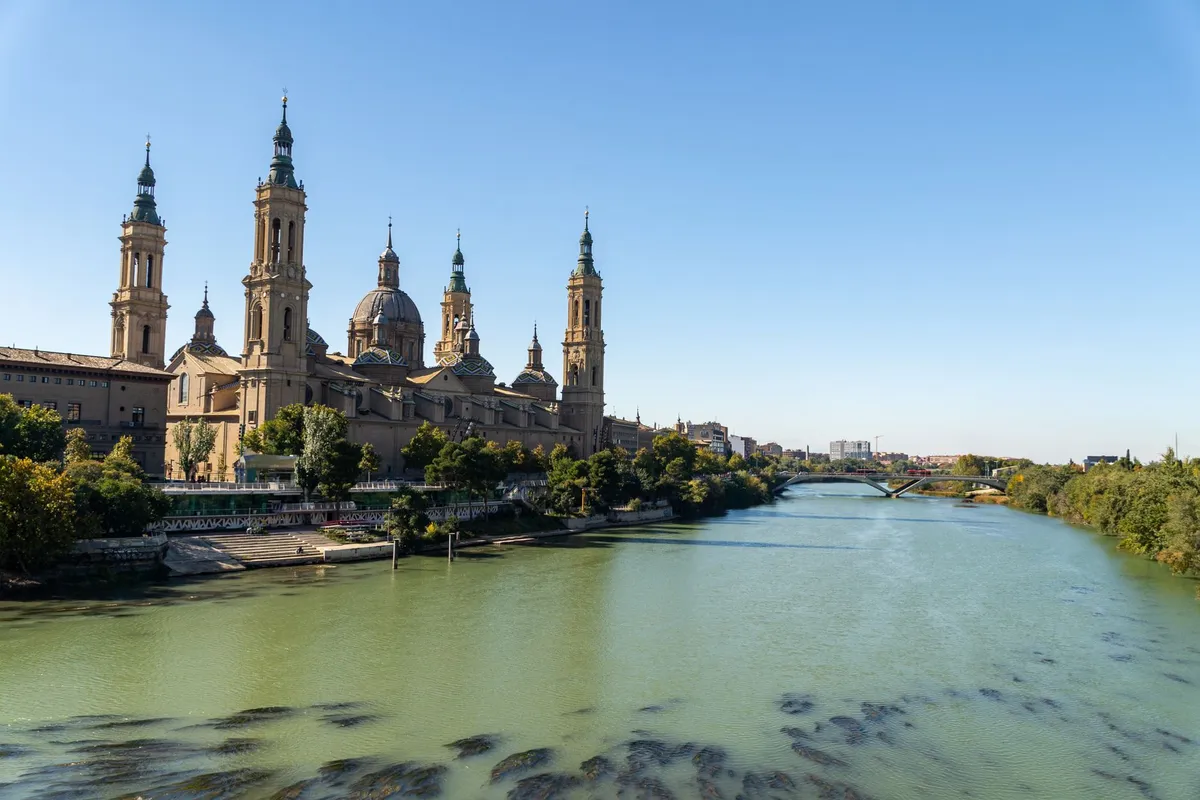
The Basilica del Pilar is the city’s great symbol: beyond the Baroque temple itself, it holds works by Goya, chapels and a viewing tower. Don’t treat the plaza as just a photo stop. It works as the axis of your first day and helps you understand how the Ebro, the two cathedrals and the old town connect.
Start with the historic center and its two cathedrals
For your first morning, head down Calle Alfonso to the Plaza del Pilar and move through the Pilar, La Seo and La Lonja complex without a rigid plan. Zaragoza Turismo points out that most points of interest sit in the historic center, one of the largest in Spain; that makes walking the most practical choice and lets you adjust your pace depending on which interiors happen to be open.
What not to put off
Step inside the Pilar if you want to see the artistic spaces, but also set aside a few minutes to look at the basilica from the Ebro riverbank and the Stone Bridge. Then head to La Seo: the pair of cathedrals gives the plaza its meaning and keeps your visit from boiling down to a single façade. To round out the ancient layer, the Caesaraugusta route museums and the Roman theater are natural picks if the Roman city interests you.
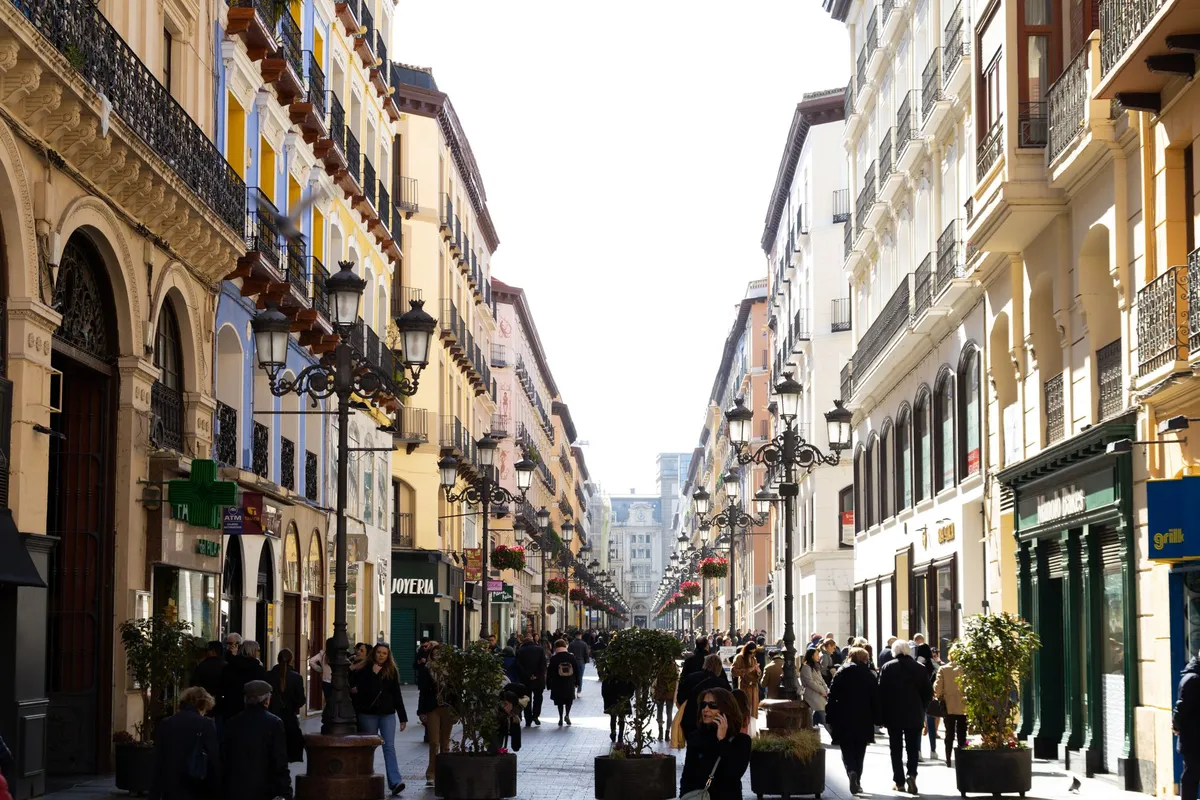
If you like hearing context from the start, you can slot a guided activity into day one. A free tour through the center is especially useful for getting your bearings around the Plaza del Pilar, La Seo, the walls and ancient Caesaraugusta before deciding which interiors deserve more of your time.
 Partner · Civitatissee all activities in Zaragoza ›
- Zaragoza Game of Clues: Treasure HuntRating 8.5 · 27 reviews on Civitatisfrom€6.39per personSee ›
- Zaragoza Tapas TourRating 9.8 · 9 reviews on Civitatisfrom€45per personSee ›
- Jaca, Canfranc, & Sallent de Gállego Day TripRating 9.3 · 6 reviews on Civitatisfrom€59per personSee ›
- Sightseeing Bus Night and Day TourRating 8 · 52 reviews on Civitatisfrom€13.40per personSee ›
Civitatis prices on 28/09/2026, from, per person. They may change.
Set aside a separate window for the Aljafería Palace
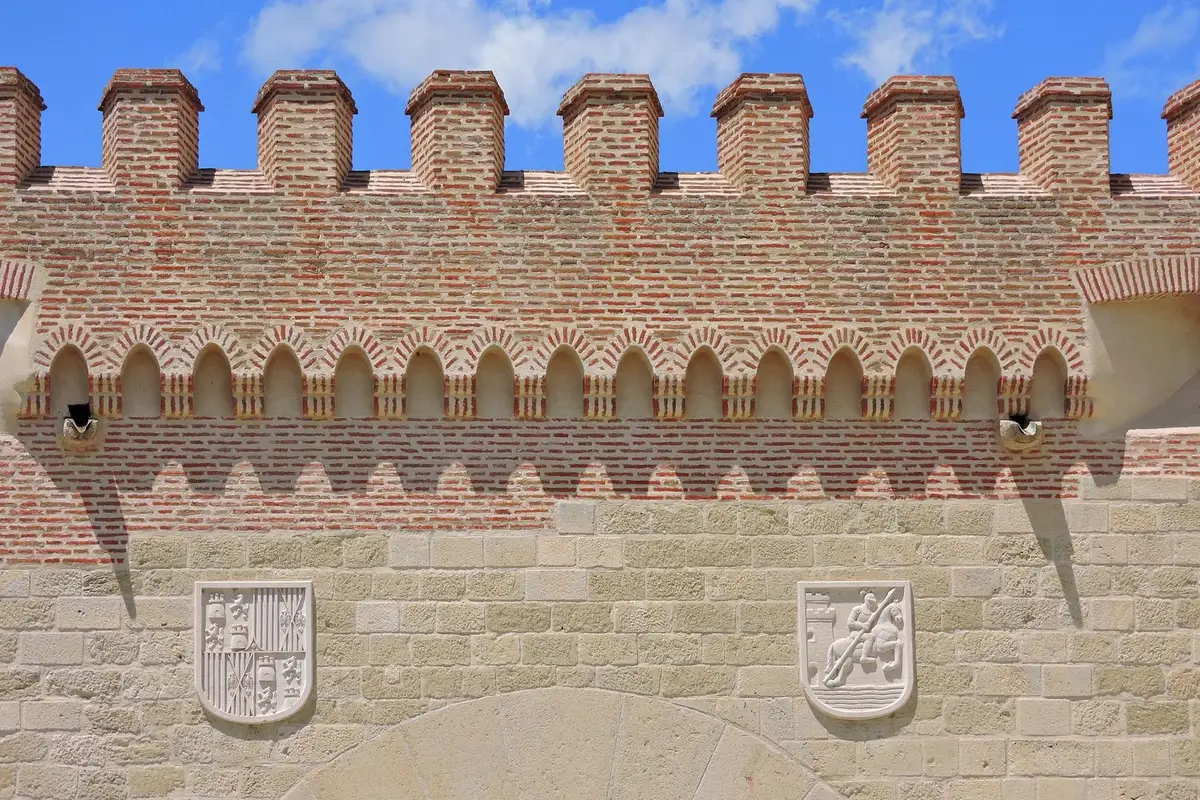
The Aljafería Palace deserves to be treated as a visit of its own, not a quick extension of the center. It’s the spot that best showcases the city’s taifa era, and it sits outside the core of the Plaza del Pilar; so slot it at the start or end of an afternoon, with buffer time for the trip. The official March 2026 hours page lists opening Monday to Saturday from 10am to 6pm, and Sundays from 10am to 2pm, with last entry 45 minutes before closing.
Those hours and prices change month to month, so check the schedule on the day you visit. As a verified reference for March 2026, general admission costs €7 and the guided tour €9. If your priority is understanding the palace’s details, the guided tour usually serves you better than trying to cram too many museums into the same stretch.
A two-day Zaragoza itinerary
Set aside 2 days for a first visit: day one focuses on the old town, and day two lets you see the Aljafería without cramming the walk along the Ebro. The split also leaves room to choose between Roman museums, Goya’s art or the Expo area, without turning the city into a checklist. If you only have one night, keep the Pilar, La Seo and a walk along the Ebro; the Aljafería needs its own window of time.
Day 1: Pilar, La Seo and the Ebro riverbank
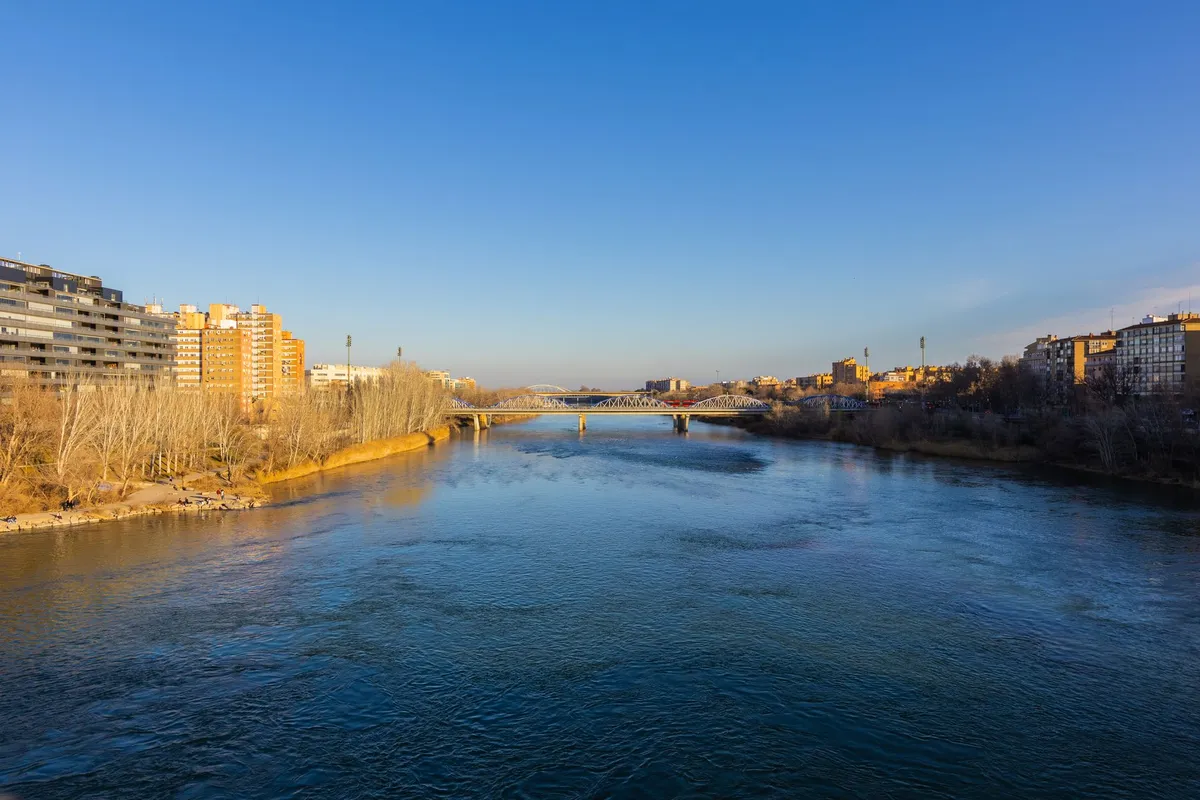
Start early at the Plaza del Pilar, visit the temple and continue to La Seo and La Lonja. Have lunch nearby and use the afternoon to walk to the Roman remains or explore the atmosphere of El Tubo. At the end of the day, cross or approach the Stone Bridge to see the domes with the river in the foreground. It’s the best moment to grasp the city’s horizontal scale.
Day 2: Aljafería and one personal pick
Devote the morning or early afternoon to the Aljafería. Then choose one complement: the Caesaraugusta museums to dig deeper into the Roman era, the Goya circuit or the Expo area, which the official two-day proposal also includes. Don’t try to do all three. In Zaragoza, the smart choice is to go deep into one historical layer instead of racing across the city. That way, the itinerary truly answers the duration question: two days let you see the essentials and still pick one extra experience without turning every transfer into a sprint.
How to get to Zaragoza and get around
If you’re arriving by plane, the airport is 10 km from the city. Municipal tourism information lists buses, taxis and rental cars as possible connections; the airport’s operational page indicates the bus takes an average of 15 to 20 minutes to the center. If you’re staying in the historic area, the bus is usually the simplest option, since it saves you from needing a car during your escape. If your flight lands late, confirm the last departure and consider a taxi so you don’t waste time hunting for alternatives.
Getting between the center, the Aljafería and the Ebro
Within Zaragoza, walking is the best way to get around on day one because the Pilar, La Seo, La Lonja and the center’s streets chain together without requiring transfers. For the Aljafería or the Expo area, take a bus or the tram depending on your lodging and schedule. The municipal mobility guidance also lists taxis, bike lanes and a tourist bus; the latter makes sense when time is short and you want an overview, not as a substitute for walking in the center.
In August 2026, the city reported a €1.80 fare on the airport bus, with 30-minute frequency on weekdays and 60 minutes on Sundays and holidays. Confirm before you travel: transport and fares are operational data. Once in the city, buses, the tram, taxis and bike lanes fill in the gaps when the distance calls for it. If you arrive by train, you can treat the station as your entry point and decide the rest of the itinerary on foot, saving taxis for very early hours or heavy luggage.
How much does it cost to visit the main sights?
You can enter the Basilica del Pilar for free, but the tower’s viewing platform has its own ticket. As an official reference for March 2026, general admission to the viewing platform costs €6. For the Aljafería, budget €7 for general admission or €9 for the guided option, in the same month. These are the costs worth setting aside before your trip; food, lodging and transport vary widely depending on the date and style of travel.
Don’t buy everything in advance out of reflex. Book ahead only what has a fixed time slot or is an unmistakable priority — especially the Aljafería on a weekend and a guided tour on a short trip. For the rest, keeping a free window lets you take advantage of exhibitions, churches and museums that happen to be open along the way.
A budget-friendly strategy is to start with the plazas and the exteriors of the monuments, which already explain much of the city, and then pay only for the interiors that match your interests. Art lovers can prioritize the Pilar and the Goya route; those drawn to medieval architecture should shift their budget to the Aljafería. That choice keeps you from buying too many tickets for a short stay and preserves time to walk through the center.
The decision that makes your itinerary lighter
For a first visit to Zaragoza, make the Plaza del Pilar your orientation base, give the Aljafería an exclusive time slot, and use day two to pick a layer of the city that genuinely interests you. That order keeps the trip focused without erasing what Zaragoza does best: letting you uncover a wealth of history on foot, between the center and the Ebro.
Before you head out, check the official monument hours directly, since the schedule varies by season. With the critical bookings made and the center as your starting point, two days are enough for a solid visit and leave you good reasons to come back to Aragon.
 HotelAs soon as you have datesCompare neighbourhoods and guest ratings.Booking ›
- ActivitiesBefore you travelBook ahead the ones with limited spots.Civitatis ›