 Marcelo Oliveira
Santiago de Compostela is worth the trip even if you’re not walking the Camino: the historic center fits comfortably into two days, but the cathedral and the arrival of the pilgrims give the city a layer you won’t find on an ordinary itinerary. If you do plan to walk the Camino, treat the city as your final destination and choose your route based on time available, fitness level, and the kind of scenery you want — not on some abstract idea of “the most beautiful one.”
Hotels in Santiago de Compostelafree cancellation options onlySee hotels ›Booking.com partner (advertising): we may earn a commission at no extra cost to you.
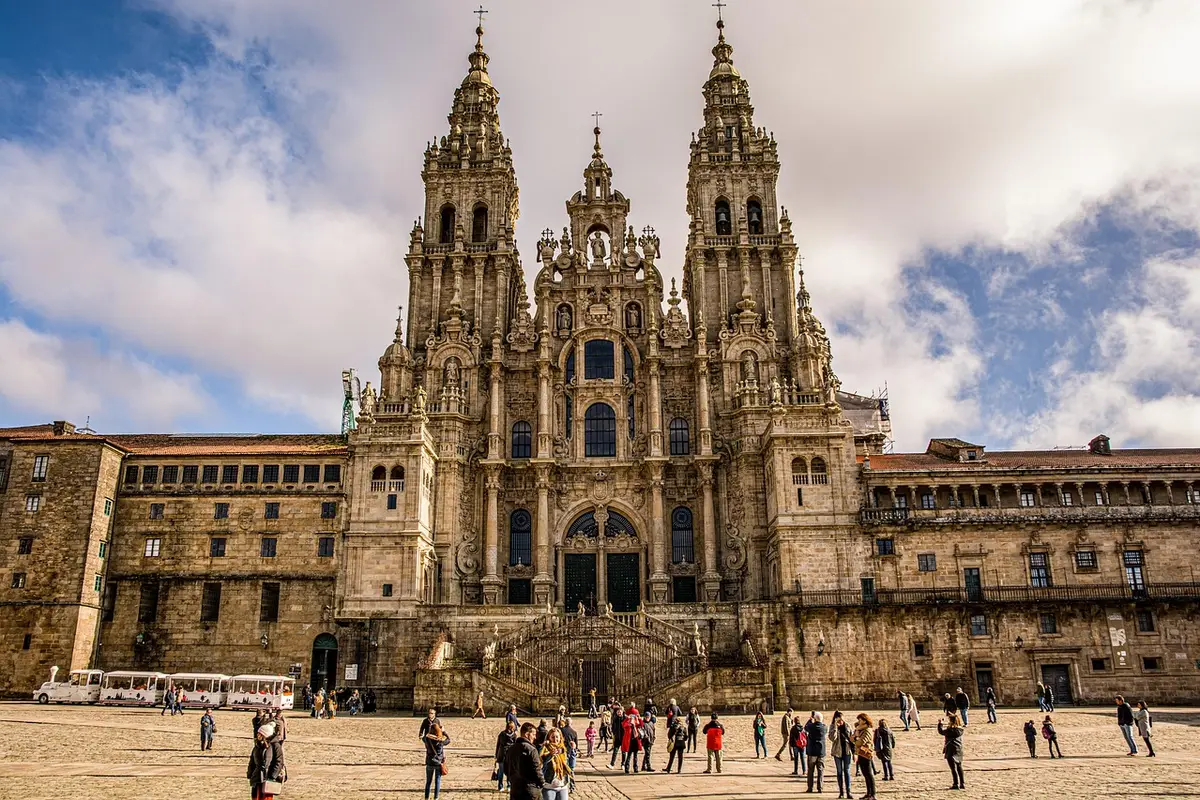
Why is Santiago de Compostela so special?
Santiago is sacred to Christian tradition because the cathedral houses the tomb attributed to the apostle Saint James; since the Middle Ages, the city has become the arrival point of a pilgrimage network that stretches across Europe. The experience can be religious, cultural, athletic, or a mix of all three, but the symbol of arrival remains the same: the Praza do Obradoiro in front of the cathedral.
Walking the Camino doesn’t mean following a single route or passing some performance test. It means traveling to Santiago along a historic itinerary, over consecutive days, making very concrete decisions about pace, rest, lodging, and safety. If you prefer an urban trip, you can explore the city without walking; if you come on foot, you gain the full dimension of the journey and the arrival.
What to do in Santiago de Compostela in 1 or 2 days
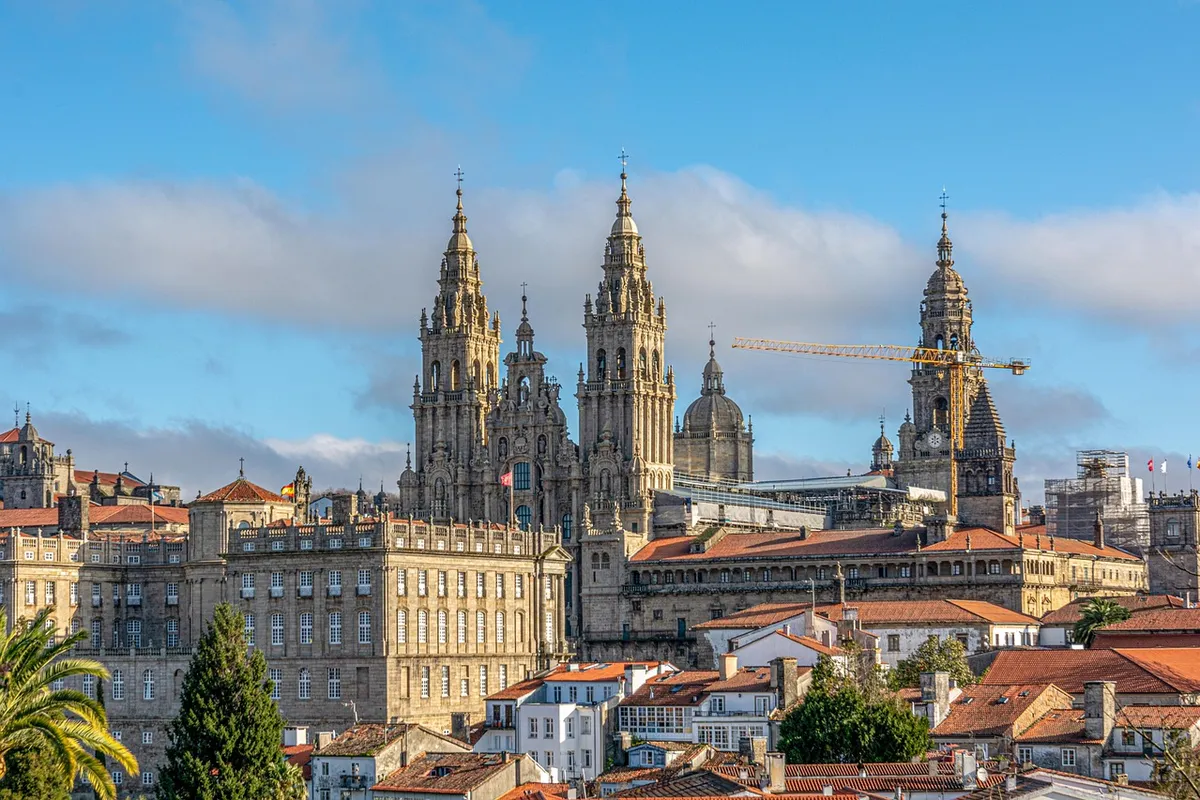
With one day, focus on the historic center: Obradoiro, the cathedral facade, the stone streets, the market, and the squares of Quintana and Praterías. With two days, add the cathedral museum or a guided tour and leave time to wander without a map through the streets around Rúa do Vilar.
How to visit the cathedral without planning it wrong
Individual entry to the basilica is free, but visiting hours and Mass schedules can change; confirm everything on the cathedral’s official page before you head out. The cathedral states daily access to the basilica and prohibits entry with backpacks for security reasons. The museum, rooftops, Pórtico da Glória, and guided tours all require separate arrangements.
For those who want artistic and religious context, a guided tour can make more sense than simply walking through the temple. Activity offered by Civitatis · sponsored link: see details and availability on Civitatis.
If Santiago is part of a bigger trip through Spain, compare the itinerary logic with our guide to Seville in 2 days: in both cases, booking ahead is more useful for specific attractions than for filling every hour of the day.
Best time to go to Santiago and walk the Camino
To balance long days with more places being open, May, June, September, and early October tend to work best; for fewer crowds, spring and fall mean accepting rain and cooler temperatures. July and August appeal to those who want the full pilgrimage atmosphere and a packed calendar, but they bring higher demand for beds and more heat on several routes.
There’s no universal “best time.” If you’re only visiting the city, you can prioritize weather and events; if you’re walking, you need to look at the climate of your chosen route, lodging availability, and your own tolerance for rainy days. Whatever the month, check the official Santiago tourism site and confirm the cathedral’s liturgy schedule close to your date.
How long does the Camino take and which route should you choose
The Camino has no single duration: it starts wherever you decide to start. Set aside at least two days to explore Santiago at the end; for the walking itself, the number of days comes from the route, your comfortable daily distance, and rest days. Choose your actual vacation window first, and only then compare starting points.
Which Camino is the most beautiful?
The most beautiful one depends on what you call beautiful. The Francés tends to attract those looking for infrastructure, varied landscapes, and the company of many pilgrims; the Portugués may appeal to those who want coastline or northern Portuguese cities; the Norte offers coast and more demanding stretches; the Primitivo suits those seeking elevation and a more physical experience. The “best” one is the one that fits your time and your preparation.
How to decide without making a bad choice
- Short on days: choose a final stretch that’s officially recognized and check current rules for the credential and certificate.
- First walk: prioritize lodging options, waymarking, and stages you can shorten.
- Chasing scenery: compare coast, mountains, and inland; don’t turn a photo list into your only criterion.
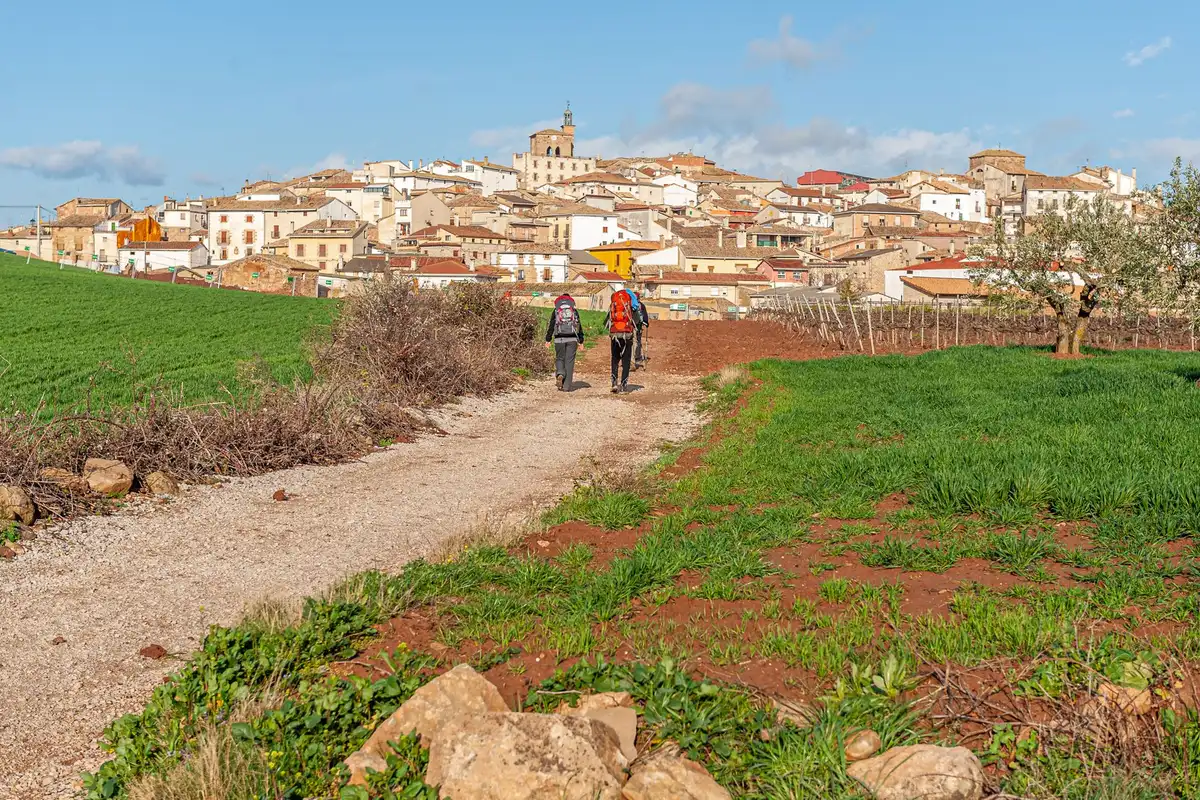
If you want to experience the tradition of the route without committing to a long walk, there’s a themed tour in Santiago. Activity offered by Civitatis · sponsored link: see availability on Civitatis.
Is it safe to walk the Camino de Santiago alone as a woman?
Walking the Camino alone can be a viable choice, but it doesn’t eliminate the need for risk management. Plan conservative stages, let your lodging and a trusted person know your itinerary, avoid starting isolated stretches in the dark, and have a plan for bad weather, pain, or losing signal. The Galician civil protection guidance treats health, accidents, and safety as part of the planning, not as an optional detail.
Practical safety also means respecting your physical limits: don’t try to make up lost kilometers in a single stage. Arriving later, taking local transport, or resting is a better decision than walking injured. For a Spanish city trip with a different rhythm, check out our guide to Benidorm, Spain.
How much does it cost to plan the Camino de Santiago?
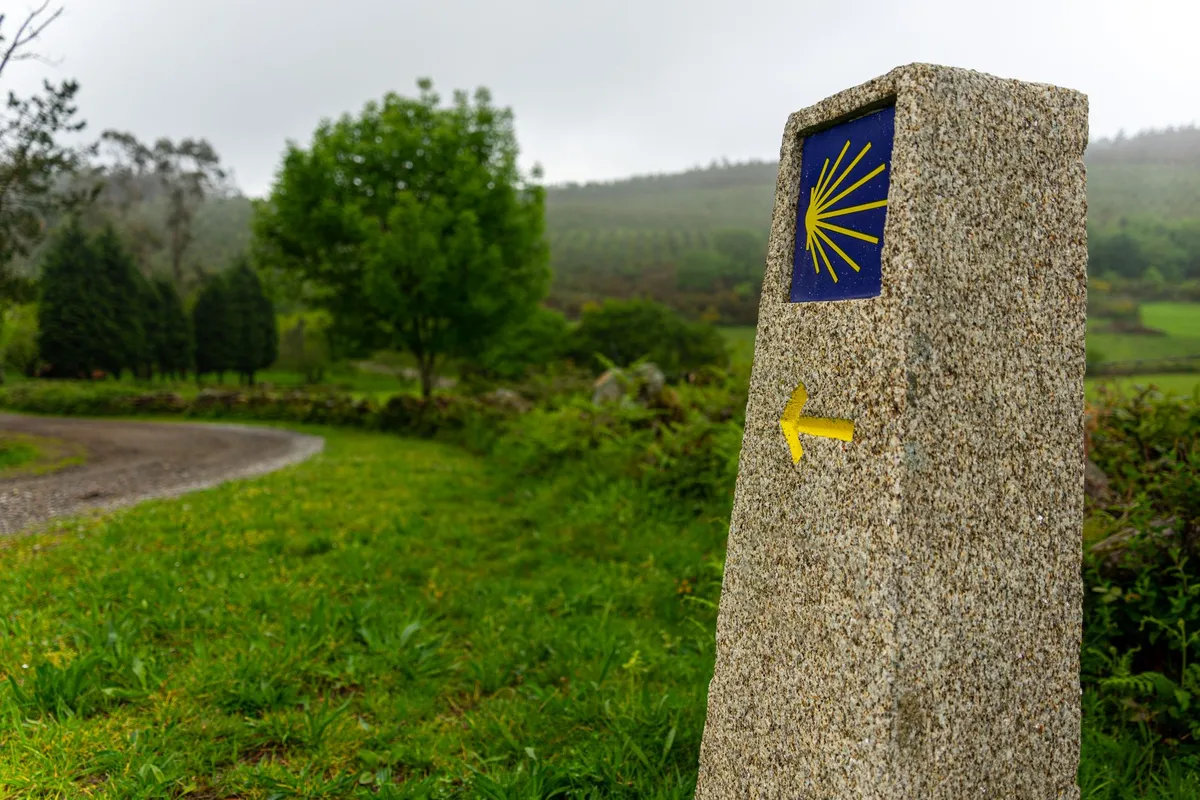
There’s no single price for walking the Camino. Your budget is the sum of transport to the starting point, nights, food, occasional transfers, insurance, luggage, and extra days in Santiago. So do the math per day and per route, instead of trusting a generic figure that may not include your season or your pace; the official safety booklet helps you build prevention into that planning.
The cheapest route isn’t automatically the best: long stages can lead to an extra night or unexpected transport. Keep a buffer for rest and weather changes, especially if it’s your first pilgrimage. For another example of how to organize a visit with tickets and reservations, see our guide to the Prado Museum in Madrid.
What is the Compostela?
“Compostela” can appear in two senses: in the name of the city, Santiago de Compostela, and in the traditional certificate given to the pilgrim who reaches the destination and meets the current conditions of the pilgrimage. It’s not a literal translation or a synonym for “Camino”; it’s important to keep the place, the journey, and the document separate.
The Pilgrim’s Office, on Rúa Carretas, welcomes those arriving on foot, by bicycle, or on horseback and is the official reference for the Compostela. Check the current rules for the credential and distance in advance: they’re administrative, they can change, and you shouldn’t assume them from old accounts.
In short, go to Santiago for two days if you want to discover the city; add walking days only after you’ve settled on a realistic route. The best choice isn’t the most famous one: it’s the one that lets you arrive well, enjoy the cathedral, and head home wanting to keep traveling.
 HotelAs soon as you have datesCompare neighbourhoods and guest ratings.Booking ›
 ActivitiesBefore you travelBook ahead the ones with limited spots.Civitatis ›