Deciding what to do in Salvador gets easier when you split your trip into three fronts: the Historic Center, the waterfront, and the Bay of All Saints. Pelourinho, Barra, Rio Vermelho, Itapuã, and the northern beaches can’t all fit into one day without turning into a mad dash. A four-day itinerary gives you time to see the essentials, eat well, and pick your beaches based on whether swimming is allowed.
For a first visit, plan on four days: two for the Center and Barra, one for beaches, and one for the Bay or the neighborhoods you missed.
Salvador Itinerary: What to Do in Four Days
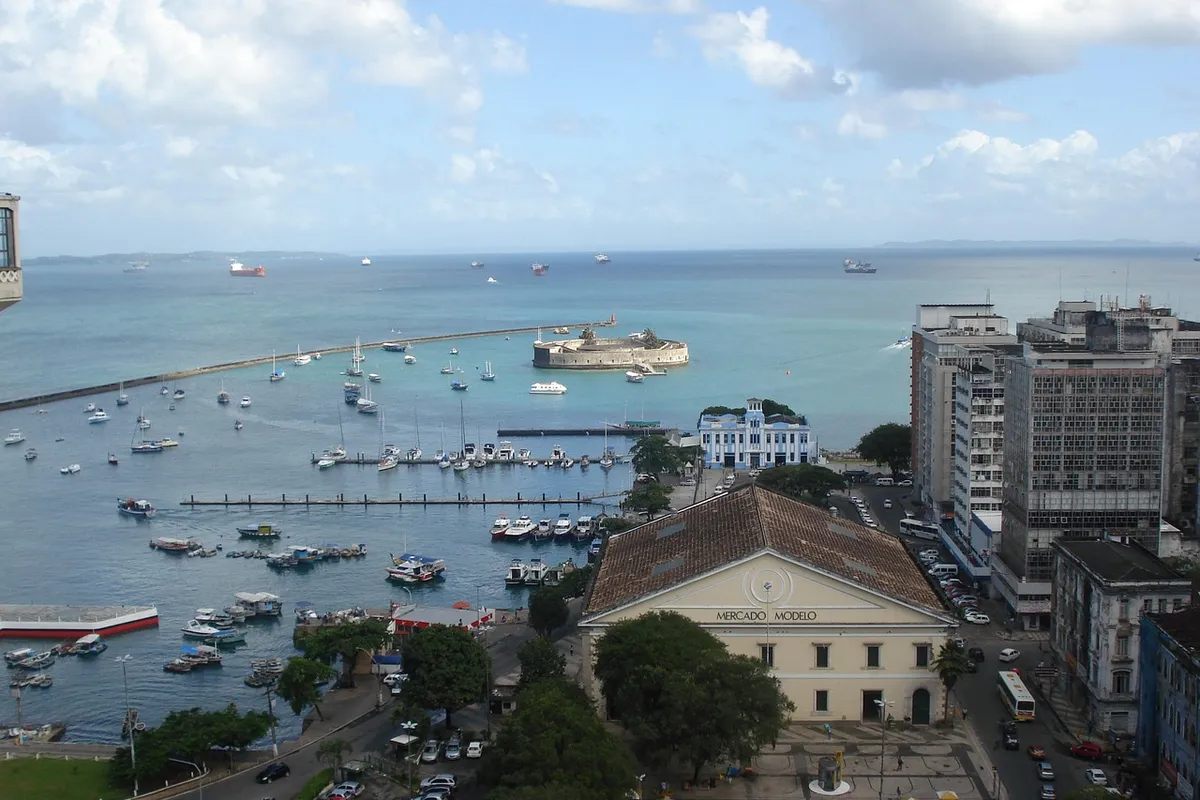
Start with the Lacerda Elevator, Mercado Modelo, and Pelourinho; they’re close together, but the steep hills and church visits take time. On day two, stroll along Farol da Barra and Porto da Barra, then head to Rio Vermelho in the late afternoon. Save day three for Itapuã, Flamengo, or Stella Maris, depending on the water quality report from Inema. On day four, choose a Bay crossing or return to the Center for museums and churches.
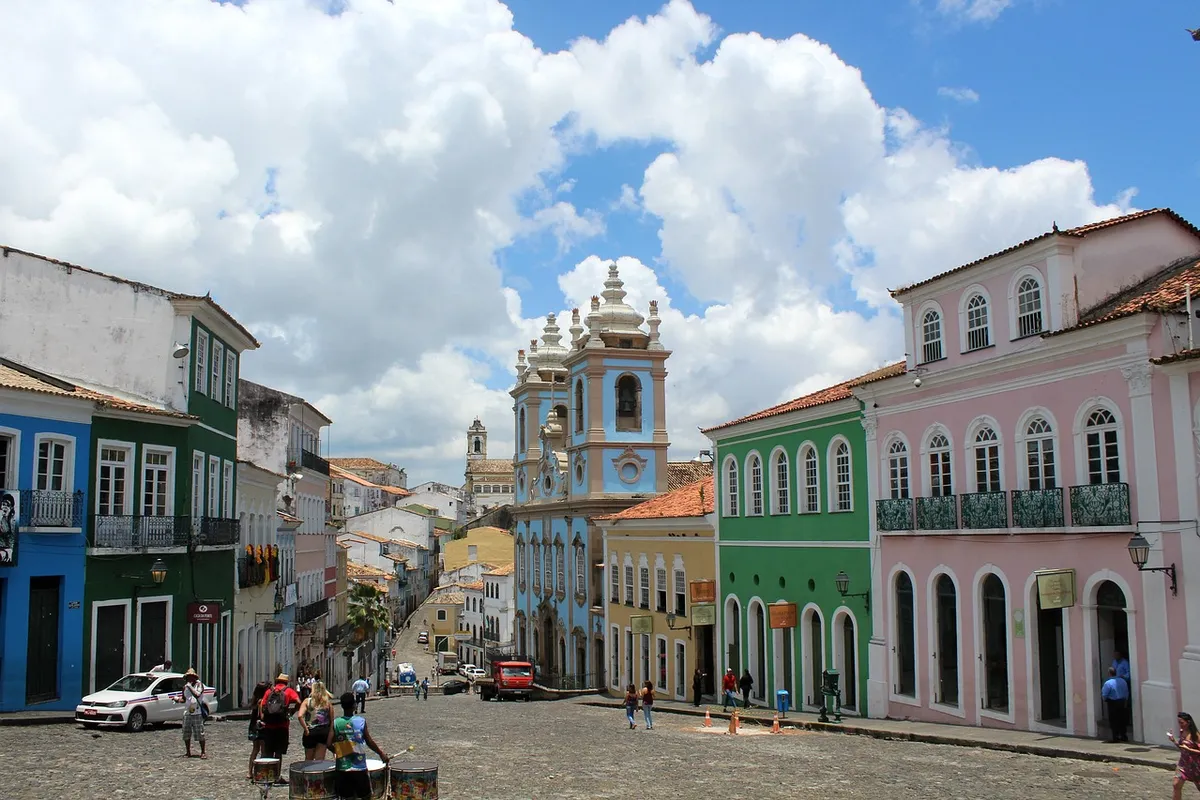
Use a taxi or ride-hailing app at night and for trips between distant points. The metro helps connect the airport and specific areas, but it doesn’t replace tourist routes along the waterfront and in the Center. To get a feel for the urban context, a free walking tour of Pelourinho can be a great first activity.
Is Pelourinho Safe? How to Visit with Care
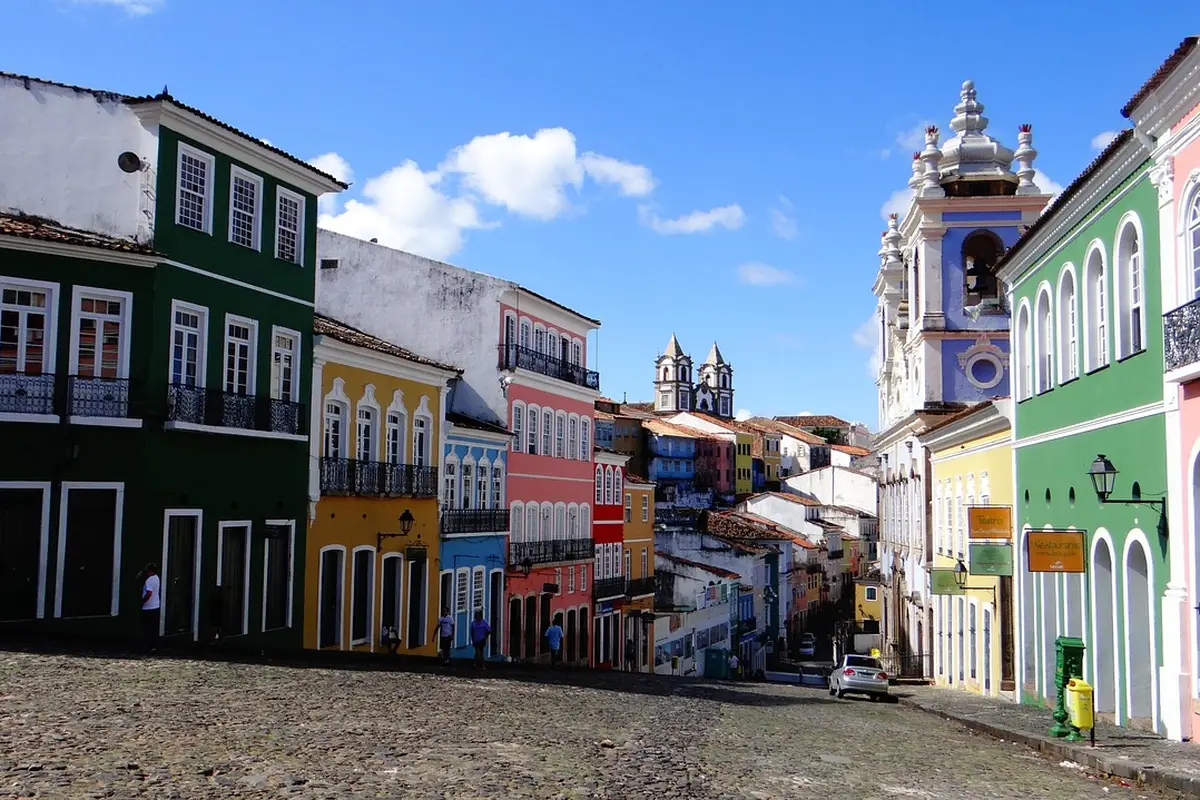
Pelourinho is a tourist area with a police presence, shops, and plenty of foot traffic during the day, but it requires the usual historic-center precautions: keep your phone and documents tucked away, avoid empty streets, don’t accept services without agreeing on a price first, and use a ride-hailing app for the trip back at night. The Civil Police maintain the Tourist Protection Precinct at Largo do Cruzeiro de São Francisco.
Visit in the morning or early afternoon to see the churches, museums, and squares with more peace of mind. At night, stick to music venues, restaurants, and events with a set address. Our guide to Pelourinho at night can help you pick your evening plans.
Which Salvador Beaches Are Worth It?
Porto da Barra is convenient if you’re staying nearby and usually has calm water; Flamengo and Stella Maris offer wider stretches of sand and are better for those willing to travel a bit. Itapuã is worth it for the vibe and history, but you’ll need to check the weekly water quality report before swimming. In May 2026, for example, the state government flagged unsafe stretches in the capital, including spots at Porto da Barra, Armação, and Itapuã.
Don’t pick a beach based on a fixed list alone. Rain, urban rivers, and tides change the water conditions. Check the water quality bulletin before you head out and have a backup plan. If you want to leave the city, the Salvador beaches tour helps you combine stretches of the coast in a single day.

Where to Stay in Salvador
Barra is the simplest base for a first trip: it’s close to the beach, the Farol, restaurants, and waterfront access. Rio Vermelho works well if you want to dine out and enjoy the nightlife. Pelourinho and Santo Antônio Além do Carmo deliver historic atmosphere but require more caution with nighttime travel. Itapuã and Flamengo are better for beach and airport access, not for the main sightseeing route.
How Much Does a Trip to Salvador Cost?
Your spending depends on flights and accommodation, with big swings during Carnival, New Year’s, and holidays. Set aside a daily budget for ride-hailing apps, museum entry fees, meals, and boat trips. Acarajé, markets, and pay-by-weight restaurants keep costs down; oceanfront restaurants change the bill significantly. Leave some wiggle room for rain and for swapping a beach day for a cultural activity.
Frequently Asked Questions
How many days are ideal for Salvador?
Four days let you visit the Historic Center, Barra, Rio Vermelho, and a beach with time for breaks. With three days, cut back on the waterfront; with five, add an island or the northern coast.
Is Pelourinho safe for tourists?
Pelourinho can be visited with the same precautions you’d use in any urban tourist area: stick to busy times, don’t flash valuables, and use a ride-hailing app at night.
Which Salvador beaches are worth it?
Porto da Barra is practical and central; Flamengo and Stella Maris are great for wider stretches of sand. Always check the water quality report before swimming.
How much does a trip to Salvador cost?
Flights and hotels are the biggest variables. Add up accommodation, transport, food, entry fees, and a buffer for tours; traveling outside Carnival and holidays usually lowers the daily rate.
Conclusion
Salvador rewards travelers who leave room to walk, sit down to eat, and adapt their beach plans to the daily report. Use Voyage Voyage to keep exploring with our guide to Salvador’s Mercado Modelo and build your neighborhood-by-neighborhood itinerary.
Best time to go and practical choices. Salvador is warm year-round. Summer means beach weather and a packed calendar, but it also drives up hotel rates; Carnival transforms the entire city and requires special planning. Outside holidays, the costs tend to be more balanced. In the week of your trip, the forecast, cultural calendar, and water quality report are more useful than an annual climate average. If it rains, swap the beach for museums, churches, and Mercado Modelo, and skip the slippery hills.
Acarajé, abará, moqueca, and bobó deserve a spot on your itinerary, but palm oil and chili can be intense. Ask before you order and stick to busy spots. To save money, walk within each neighborhood and use ride-hailing apps for longer connections. The Historic Center is a UNESCO World Heritage Site; before you head out, also check the Tourist Police Precinct in Pelourinho.
To enjoy Salvador without burning out, plan each morning by area. The Historic Center and Comércio are close together; Barra and Ondina work along the same stretch; Rio Vermelho calls for late afternoons and evenings. Crossing the city from one side to the other just to check off a list cuts into the time you actually spend looking at things. If you only have three days, pick one beach, not three, and focus your first day on the Center.
In the Cidade Alta, visit Terreiro de Jesus, Catedral Basílica, and the streets of Pelourinho during peak hours. Head down to Mercado Modelo when hunger strikes, and take a ride-hailing app back up if you don’t feel like tackling more hills. This Mercado Modelo guide helps you fit shopping into your route without turning the stop into a full day.
For beaches, Porto da Barra is efficient because it’s close to hotels and the Farol; Flamengo and Stella Maris are worth it when you have time for the round trip. Check water quality in the week before your trip and have a cultural backup plan. This habit saves you frustration because water conditions change after rain and vary along different points of the shore. The best beach of the day is the one that’s safe for swimming and fits your route, not the one that tops an outdated list.
When it comes to safety, the rule is straightforward: walk where there’s foot traffic, carry only the essentials, agree on prices before booking services, and call a ride late at night. Salvador is a metropolis with very different neighborhoods; a daytime visit to Pelourinho doesn’t require fear, but it doesn’t justify carelessness either. If you’re staying in Barra or Rio Vermelho, a ride-hailing app is usually the most comfortable way to get back late.
Food also shapes your budget. Acarajé and markets make for a simple meal, while moqueca at a restaurant facing the ocean can become the biggest expense of your day. Choose one long meal per area: lunch in the Center, a late afternoon in Barra, or dinner in Rio Vermelho. That leaves room to try things without repeatedly paying for rides between neighborhoods.
With one more day, take a crossing across Baía de Todos-os-Santos or visit an island, keeping an eye on return times and sea conditions. With less time, don’t try to squeeze in both an island and the northern beaches on the same short trip. Salvador is most enjoyable when your itinerary respects the heat, the travel time, and the chance to linger an extra hour at a square or restaurant worth the pause.
On arrival, buy a local SIM card or activate a data package if your plan doesn’t work well in Brazil. Maps, apps, and up-to-date rain or water quality info all depend on a connection. Leave documents and cards you won’t need in the safe, go out with little cash, and keep your accommodation contacts handy. This kind of prep doesn’t replace caution, but it cuts down the hassle of any unexpected hiccup.
For photography, souvenirs, and guided tours, agree on the price beforehand. A city you explore on foot deserves a light backpack: water, a rain jacket, a power bank, and sunscreen cover most of the day. In Salvador, spending less time on the move almost always means more time for food, music, and history. Adjust the plan to your own pace, not to a checklist of places.
What to do in Salvador in four days: explore the Historic Center and Barra, set aside one morning for a beach based on water quality, and leave one night for Rio Vermelho. The city gets easier when each day covers one area, with time to walk, eat, and ride back by app without rushing.
A neighborhood-based itinerary cuts down on travel and makes Salvador safer and more enjoyable to explore. Check the cultural calendar, forecast, and water quality in the week before your trip.
If it rains, Mercado Modelo, churches, museums, and restaurants in the Center become natural stand-ins for the beach. If the day is clear, pick just one stretch of coastline and head out early to beat the heat. That flexibility is worth more than trying to hit every attraction mentioned in a guide.
For families, plan for breaks, bathrooms, and shade; if you’re traveling solo, share your hotel address with someone you trust and stick to official taxi stands or ride-hailing apps. Keep your card and ID in separate spots and confirm prices before booking any service. These precautions don’t change the city’s cultural experience, but they make the outing far more relaxed.
Salvador rewards travelers who build their itinerary around neighborhoods, not an endless list. Start at the Historic Center, pick Barra or a beach for another day, and save Rio Vermelho for the evening. With four days, there’s time to adapt the plan to rain, water quality, and the rhythm of the hills without sacrificing the main highlights.
Check out the guided tour of the Historic Center before choosing your time slot.
To explore the coast with transportation and a set route, compare the tour below.
To extend your planning, also check out this Itacaré itinerary.