 Marcelo Oliveira
New York City: how to use the subway and get around feels far less intimidating when you treat the system as a series of simple decisions: pay, confirm the direction, check the service, and exit at the right station. The subway is the backbone of the trip for most of Manhattan, Brooklyn, and Queens, but it doesn’t solve everything. Walking, buses, taxis, and airport trains all come into play at different moments.
Hotels in New Yorkfree cancellation options onlySee hotels ›Booking.com partner (advertising): we may earn a commission at no extra cost to you.
Start with OMNY
Use OMNY from your very first ride: just tap a contactless card, phone, or watch on the reader at the turnstile. NYC311 confirms the system is available at every subway station and on MTA-operated buses. If you’d rather not use your bank card, you can buy and reload an OMNY card; the key decision is to stick with the same payment method all week.
Don’t count on the MetroCard as your main solution. Sales ended in December 2025 and the transition is underway. For visitors, contactless payment eliminates the initial line and lets the weekly cap be calculated automatically.
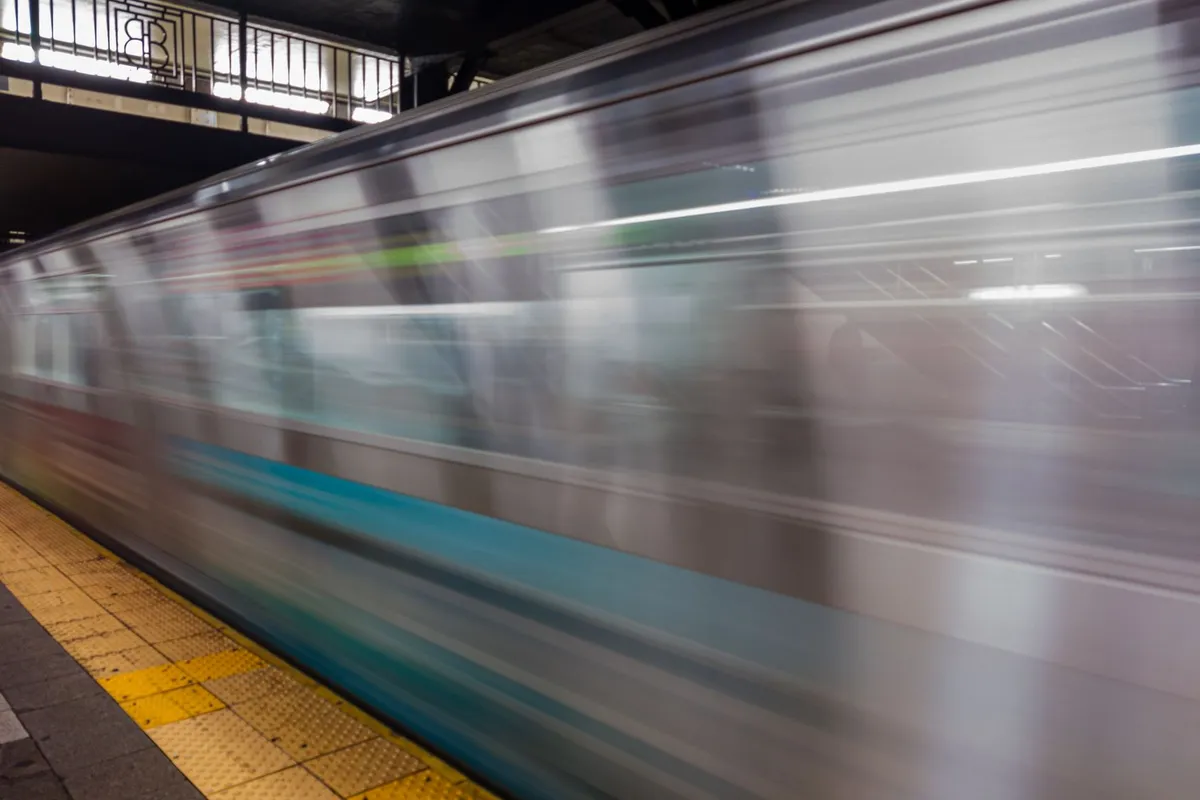
Where to stay in New York
| Hotel | Rating | |
|---|---|---|
| Club Quarters Hotel Times Square - MidtownTimes Square and Midtown · Times Square and Midtown | 8,52.439 reviews | See prices |
| Hampton Inn Times Square CentralTimes Square and Midtown · Times Square and Midtown | 8,62.572 reviews | See prices |
| Hard Rock Hotel New YorkTimes Square and Midtown · Times Square and Midtown | 8,71.851 reviews | See prices |
| Club Quarters Hotel Grand CentralBryant Park and Grand Central · Bryant Park and Grand Central | 8,74.580 reviews | See prices |
| Archer Hotel New YorkBryant Park and Grand Central · Bryant Park and Grand Central | 8,91.087 reviews | See prices |
| Park Terrace HotelBryant Park and Grand Central · Bryant Park and Grand Central | 8,92.232 reviews | See prices |
| Romer Hell's KitchenHell's Kitchen · Hell's Kitchen | 8,65.518 reviews | See prices |
| Element by Marriott Times Square WestHell's Kitchen · Hell's Kitchen | 8,17.062 reviews | See prices |
| Courtyard by Marriott Times Square WestHell's Kitchen · Hell's Kitchen | 8,62.705 reviews | See prices |
| Carnegie HotelCentral Park · Central Park | 8,81.513 reviews | See prices |
| Hotel Belleclaire Central ParkCentral Park · Central Park | 8,54.520 reviews | See prices |
| Ace Hotel BrooklynDowntown Brooklyn · Downtown Brooklyn | 8,71.739 reviews | See prices |
| Hampton Inn Brooklyn DowntownDowntown Brooklyn · Downtown Brooklyn | 8,61.600 reviews | See prices |
| Aloft by Marriott New York BrooklynDowntown Brooklyn · Downtown Brooklyn | 8,11.320 reviews | See prices |
| Boro HotelLong Island City · Long Island City | 8,5911 reviews | See prices |
| TownePlace Suites Long Island CityLong Island City · Long Island City | 8,5918 reviews | See prices |
| Wingate by Wyndham Long Island CityLong Island City · Long Island City | 8,42.816 reviews | See prices |
Booking.com rating on 30/09/2026
Fare and weekly cap
The full fare for the subway and local bus is US$ 3 as of August 2026. Using the same card or device on OMNY, after US$ 35 in 7 days the next eligible rides are free; that’s the weekly cap. It pays off for anyone making lots of trips, but it doesn’t justify taking the subway for a ten-minute walk.
Express buses and the AirTrain aren’t included in that cap. Keep that distinction in mind for the airport: just because you can pay with OMNY doesn’t mean the trip is covered by the urban fare.
How to read the map and the direction
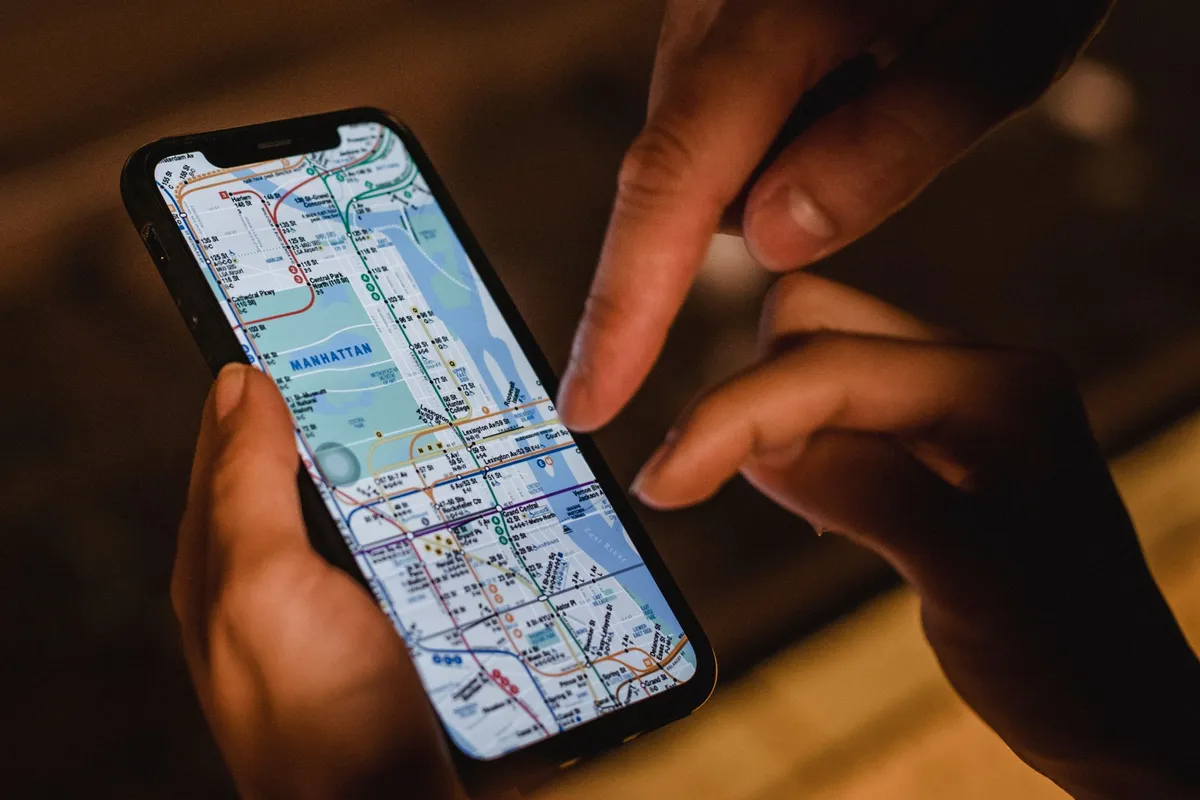
Ignore the number of colors at first. Find the line by its number or letter, then confirm the direction on the sign: uptown, downtown, Brooklyn, Queens, or the Bronx. The same line can have express and local service; a station on the map doesn’t guarantee every train stops there. Before you head down the stairs, read the train’s destination and the platform’s stops.
The map shows connections, not a perfect route
Choose a route with one clear transfer instead of three “faster” changes. On your first ride, ten extra minutes can save you from a wrong-direction mistake.
Check the day’s service
Weekend construction and overnight changes alter how things run. Check the official MTA alerts before you head out and check again if the app suggests an unexpected detour.
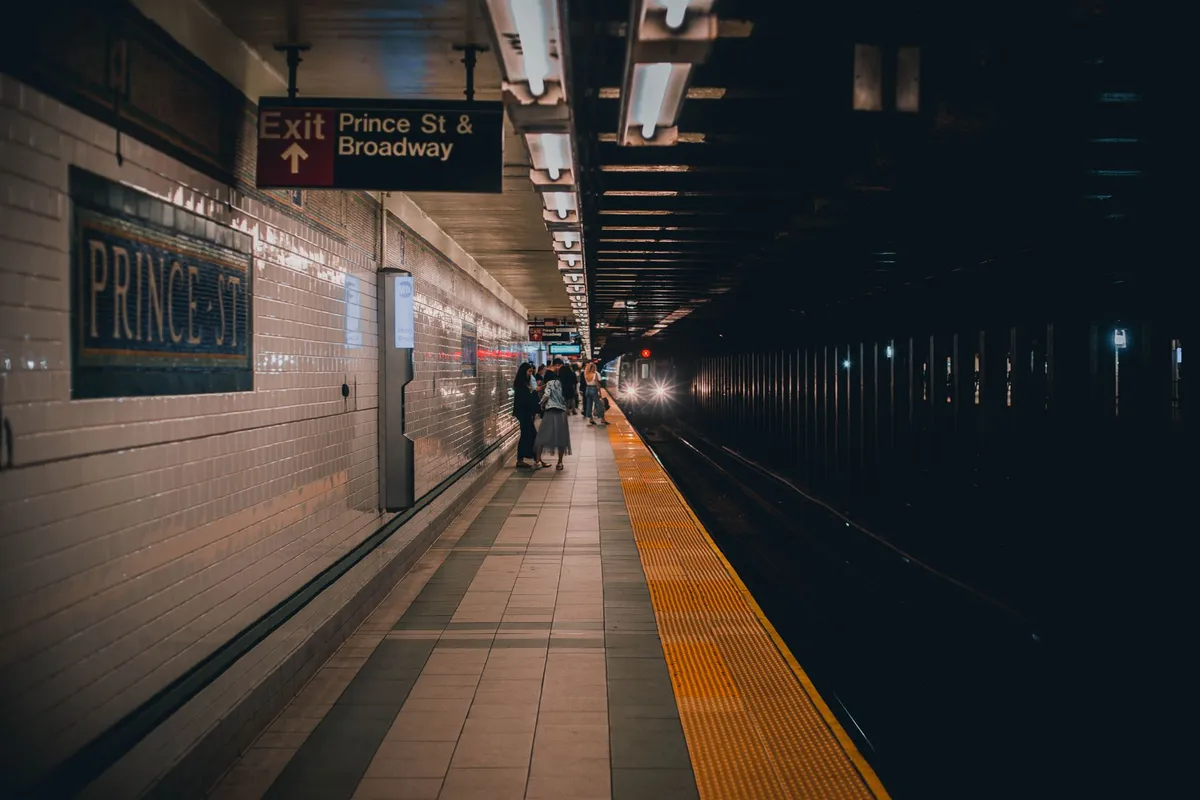
Plan your route in real time
Type in the destination address, not just the name of the attraction, and compare the arrival station with the indicated exit. In Manhattan, two stations can look close on the map but let out onto different avenues. Checking live also helps you decide whether it’s worth walking to another line or taking the bus.
Leave some margin for the first departure of each day. The subway works best when you accept that the ideal combination can change; the common mistake is insisting on a closed line because it was the route you memorized at the hotel.
Transfers without the anxiety
Within many station complexes, the transfer is included; in other cases, exiting through the turnstile ends that leg of the trip. Follow the transfer signs before heading up to the street. Between local buses and the subway, OMNY also applies the eligible transfer rules, as long as you use the same payment method.
A good habit is to look at the name of the next station before you board. If you can’t explain in one sentence where you’ll switch, the route is still too complex for that moment.
 See activities in New York on GetYourGuide ›
Once you reach the Village, swap the station logic for walking. It’s a neighborhood where the on-foot route between two stops can pay off more than hunting for a train for a short stretch.
When the subway isn’t the best option
Walk when the trip is up to twenty minutes and there are points of interest along the way. Take the bus for corridors where the station is far from your destination or when you’re carrying luggage. Taxis and rideshares make sense late at night, for a group split across several tickets, or when rain turns a connection into lost time.
To plan attractions by area, pair this guide with the 7-day New York itinerary, the trip planning guide, and the tips for budget-friendly New York. The subway gets much simpler when your days are already grouped by neighborhood.
Airports and special trips
At JFK, the AirTrain connects the terminals to the subway and the regional train, but it’s a separate charge. NYC311 notes that OMNY is accepted at the Howard Beach and Jamaica AirTrain stations, without including that amount in the weekly cap. Think of it as an airport leg, not a free continuation of the subway.
On arrival, choose between cost, luggage, and timing. If you’re traveling light and your hotel is near a line, the AirTrain-plus-subway combo is sensible. With kids, big bags, or a very late arrival, paying more for a car can buy you rest rather than just comfort.
Habits That Make Getting Around Easier
Have your card or phone ready before the turnstile, keep your backpack and luggage under control, and don’t block the stairs while you hunt for the map. On the platform, step away from the edge and check the train’s destination before you board. These habits make more of a difference than memorizing every single line.
On your first rides, stick to daytime trips and direct routes. After that, use the subway the way locals do: as a tool that shrinks the city, not as an attraction you have to master all at once.
When you’re deciding between two options, follow a simple order. First, confirm the line is actually running. Then compare how many transfers each route requires. Finally, look at the walk from the station to the door. That last step saves you from picking a technically fast connection that drops you ten blocks away.
It’s also worth saving your hotel address and the names of the nearest stations before you head out. A screenshot of the map helps when the signal flickers underground, but it doesn’t replace the alerts: the photo solves location; the official notice solves operations.
The goal isn’t to never miss a platform. It’s to know how to fix it fast: head back to the previous station, check the alert, and pick the next simple combination. That margin turns a massive system into a repeatable method.
A small routine helps at the end of the day too: confirm the address, choose your next station, and accept changing plans when the platform shows a different service. That discipline saves you unnecessary delays and preserves your energy for the trip.
 HotelAs soon as you have datesCompare neighbourhoods and guest ratings.See hotels ↑
- More activitiesTo compareTickets, day trips and tours with flexible cancellation.GetYourGuide ›