Unlike most destinations in this guide, New York requires an extra step before you travel: Brazilians need a US tourist visa (B1/B2), since Brazil is not part of the US Visa Waiver Program. This changes your planning timeline—it’s not something you can sort out the week before your flight.
Activities provided by Civitatis (our affiliate partner) — prices and availability updated in real time. If you book through this link, we may earn a small commission at no extra cost to you.
Beyond that bureaucratic hurdle, the city delivers exactly what it promises: skyscrapers, world-class museums, Broadway, and neighborhoods with their own distinct personalities, from Brooklyn to Queens. The challenge here isn’t finding things to do—it’s deciding what to cut, because you could easily spend a full week without repeating a single attraction.
This guide covers which tickets are worth booking in advance, how to get around from the city’s three airports, and where to stay without breaking the bank.
Visas and Documentation: What to Check Before Buying Your Flight
The B1/B2 visa needs to be applied for well in advance—the process includes an online form, a fee payment, and, in most cases, an in-person interview at the US consulate. Appointment wait times vary significantly throughout the year, so it’s worth checking as early as possible, even before locking in your hotel dates.
Upon arrival in the United States, the immigration officer may ask for your return ticket, proof of accommodation, and evidence of sufficient funds for your stay. Having these documents printed or easily accessible on your phone will save you stress in the immigration line.
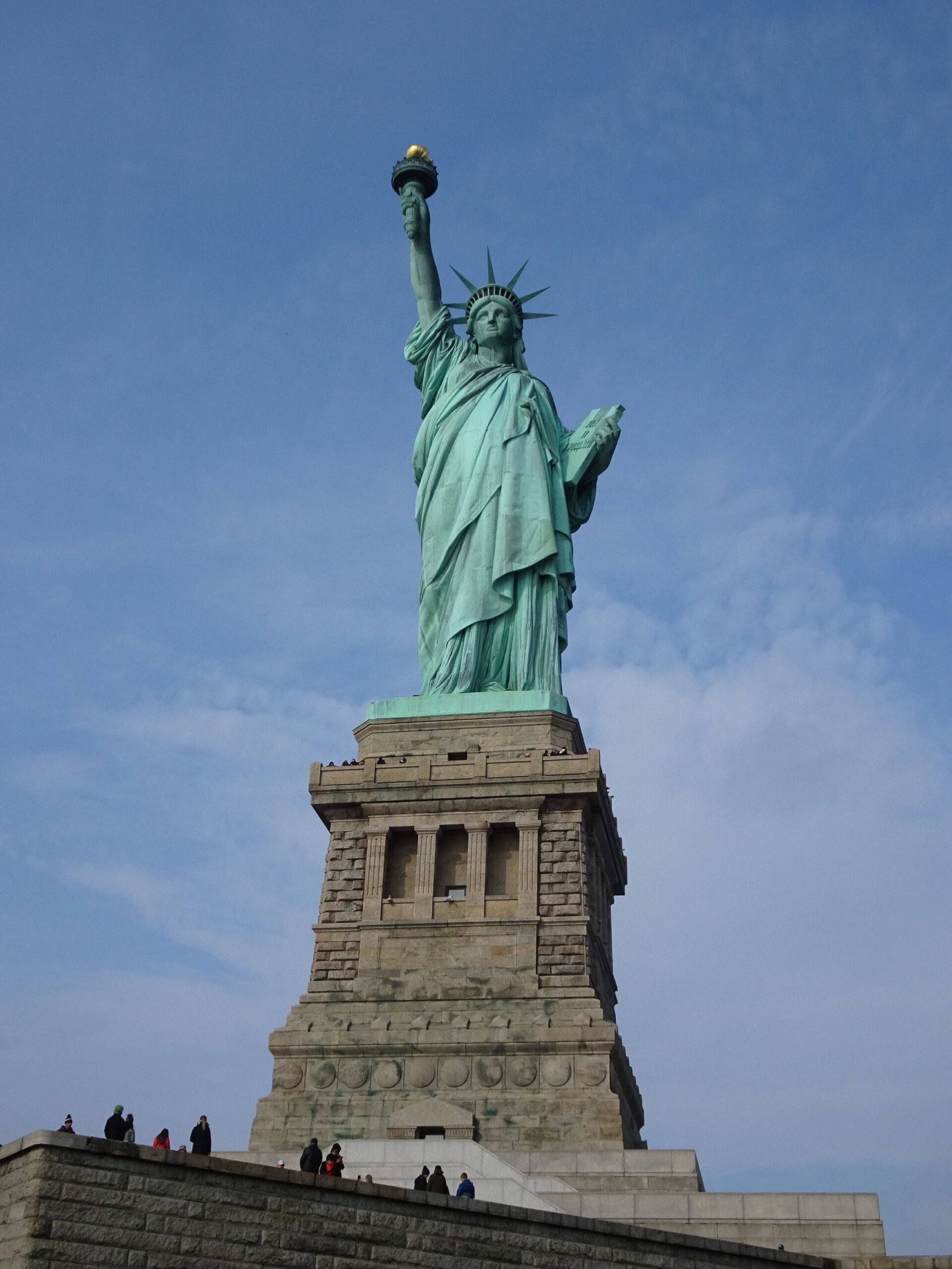
Statue of Liberty and Ellis Island: Book Your Ferry in Advance
Access to the Statue of Liberty and Ellis Island is by ferry only, operated exclusively by Statue City Cruises—there’s no other official way to get there. The basic ticket (round trip, access to both museums) costs $23.50 for adults, $18 for seniors (62+), and $12 for children ages 4 to 12; kids under 4 get in free.
The tour includes an audio guide on each island and typically takes 4 to 5 hours total, including wait time between ferries. Booking a few days in advance ensures you don’t miss out on slots during peak times, especially in the summer.
Empire State, Top of the Rock, and Other Observation Decks
New York has enough observation decks for their own list, and each offers a different angle of the city. The Empire State Building charges from $44 just for the 86th floor (plus a $5 booking fee); going up to the 102nd floor costs an additional $20. The building is open every day of the year, with extended hours until 1 AM in the summer and an earlier closing time of 10 PM in the winter.
The Top of the Rock, at Rockefeller Center, is the most popular alternative for those who want to see the Empire State Building itself on the horizon—after all, from inside it, you can’t photograph the building you’re standing in. It’s worth choosing one or the other, not both—the view is similar enough that paying double isn’t justified, unless photography is your top priority.
Museums: MoMA and The Met, and Why You Should Reserve a Time Slot
The MoMA charges $25 for adult admission ($18 for seniors, $14 for students) and offers free entry for New York State residents on Fridays from 5:30 PM to 8:30 PM—this doesn’t apply to tourists, but it explains why that time slot tends to be busier.
The Met, on the other hand, charges mandatory admission for out-of-state visitors: $30 for adults, $22 for seniors, and $17 for students. For both museums, it’s worth booking a timed entry ticket on the official website—the line at the physical box office can exceed 40 minutes on busier days.
| Neighborhood | Vibe | Best for | Watch out for |
|---|---|---|---|
| Manhattan | Central, touristy, fast-paced | First-timers, those who want to be near everything | The highest hotel rates in the city |
| Brooklyn | Local, creative, more space | Those seeking better prices without losing easy access | 20-40 min subway ride to Manhattan, depending on the area |
| Queens | Multicultural, residential | Tighter budgets, longer stays | Fewer attractions within walking distance |
| Upper West Side | Residential, quiet, near Central Park | Families and those who prefer peace and quiet | Muted nightlife scene |
Where to Stay: Manhattan, Brooklyn, or Queens
Manhattan solves the “close to everything” equation—Times Square, Central Park, and most of Broadway are a short walk or a few minutes on the subway away, but that convenience comes at a price, especially near Times Square.
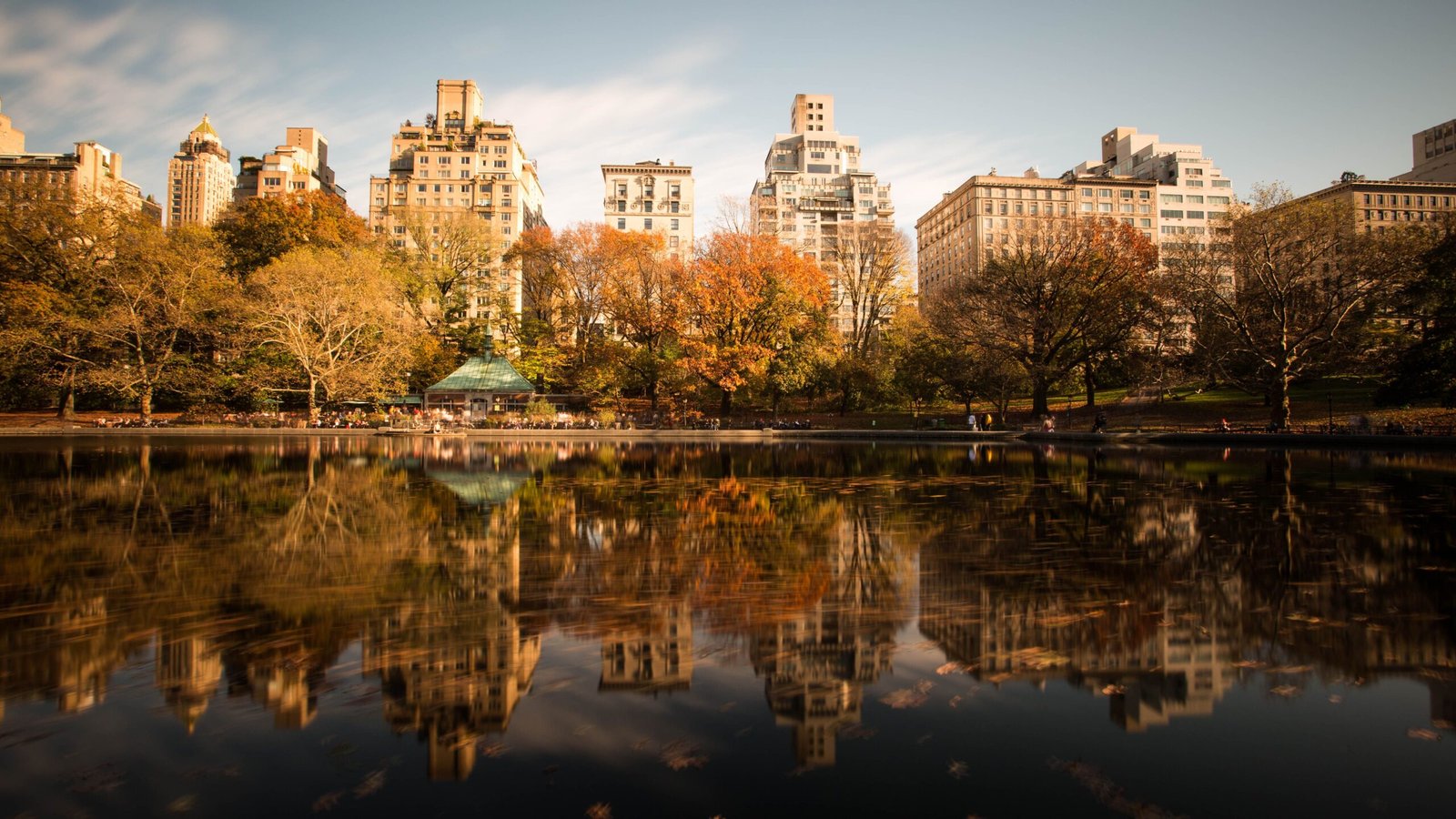
Brooklyn, in neighborhoods like Williamsburg and DUMBO, has become a destination in its own right in recent years—galleries, restaurants, and a view of the Manhattan skyline that many people prefer to the view from inside Manhattan itself. The trade-off is an extra 20 to 40 minutes on the subway, depending on where you stay.
The pedestrian walk across the Brooklyn Bridge connects the two sides—it takes about 30 to 40 minutes at a pace that includes stops for photos, and it’s free. It’s worth doing the Manhattan → Brooklyn direction in the morning, with the sun at your back and fewer people crowding the bridge’s narrow walkway.
Subway, OMNY, and Getting Around the City
As of January 1, 2026, the traditional MetroCard has been phased out—the system now works exclusively with OMNY, the contactless payment method. Just tap your credit card, debit card, or phone on the turnstile reader: a single ride costs $3, and the system applies an automatic weekly cap of $35—after you’ve paid that amount over 7 days using the same card, subsequent rides are free until the end of the week.
This eliminates the need to buy a specific pass in advance: your own bank card, or the one on your phone, works as your ticket. For those who prefer something physical, the OMNY card is still sold at stations, with the same fare logic.
Day Trips from New York
If you have a day or two to spare, you can extend your itinerary beyond the city. Washington D.C.—the nation’s capital, home to the White House and Arlington Cemetery—is a full-day excursion (15 to 16 hours round trip), with prices starting around $114 to $140 depending on the season.
For those who prioritize natural scenery, Niagara Falls is farther away — the day trip takes 19 to 22 hours total (most of it on the road), with prices starting at around $169. It’s not a tour for anyone in a hurry, but it’s the most common way to see the falls without renting a car.
Getting in from the three airports
New York has three major airports, and the logistics vary quite a bit between them. From JFK, the AirTrain + subway combo costs about $11.75 total ($8.75 for the AirTrain plus $3 for the subway) — or, if you prefer the regional LIRR train, the bill lands between $14 and $16, including the AirTrain fare.
LaGuardia has no direct train: the M60-SBS bus to Manhattan costs about $2.90, the most budget-friendly option. Newark, on the other hand, has the NJ Transit, a direct train that runs around $17 and takes 40 to 60 minutes — it’s often the fastest way in on weekdays, since it doesn’t depend on bridge traffic.
Best time to visit New York
May and September/October are the most balanced months: pleasant temperatures, longer days (in May) or falling leaves (in the fall), without the heavy summer heat or the biting winter cold. Note that these are also the busiest tourist months — the balance between good weather and fewer crowds is harder to find here than in other destinations in this guide.
Summer (June through August) brings heat and humidity, but also festivals and outdoor events all season long. January, outside the holiday period, is usually the cheapest month — hotel prices drop and the city is noticeably emptier, even with the cold.
Where to eat: pizza, bagels, and the food truck scene
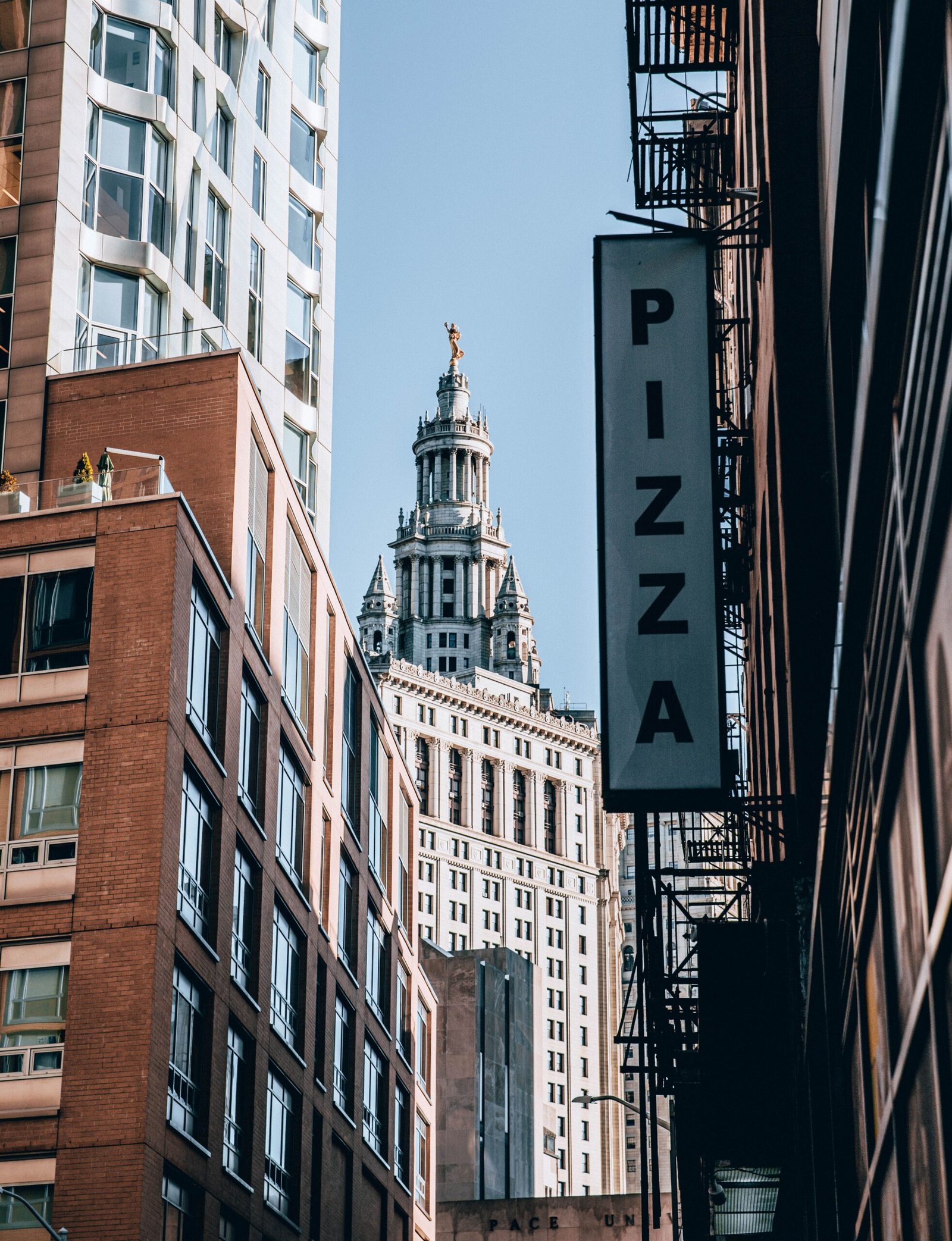
A slice of counter pizza (the famous “dollar slice,” now rarely a true dollar) is still the city’s benchmark for cheap, fast food — it’s worth stopping at a no-frills pizzeria instead of the flashiest chain in Times Square.
A bagel with cream cheese at breakfast is practically mandatory, and food trucks — from halal food to Korean tacos — are usually more interesting (and cheaper) than many touristy restaurants around Manhattan. If you’re hoping to catch a musical, book your Broadway ticket in advance: the most in-demand shows (The Lion King, Aladdin) typically run between $100 and $180 per person, and sell out on specific dates during peak weeks.
Tipping and tax: two details that catch visitors off guard
Prices shown on menus and storefronts in the United States don’t include sales tax — in New York, that adds about 8.875% at the register. It’s not a billing error; it’s just how it works across the country.
Tipping isn’t optional in practice either: at restaurants, the standard is between 18% and 22% on the bill, and many places already add that percentage automatically for large groups. In taxis and ride-hailing apps, a 10% to 15% tip is expected. If you’re paying with a foreign card, it’s also worth checking with your bank about any foreign transaction fees or conversion charges before withdrawing cash in the city.
Before you go
- Visa: B1/B2 required for Brazilian citizens — start the process well in advance.
- Best time to go: May or September/October for balanced weather; January for lower prices.
- How long to stay: 5 to 7 days to cover the main highlights at a relaxed pace.
- Getting in from the airport: AirTrain+subway from JFK (~$11.75); bus from LaGuardia (~$2.90); NJ Transit from Newark (~$17).
- Approximate daily budget: between $100 and $300+, depending on your travel style.
- What to pack: comfortable shoes — the subway handles long distances, but you’ll walk a lot within neighborhoods.
Quick questions
Can you visit the Statue of Liberty without booking in advance? Technically yes, but the risk of not getting a spot at your preferred time is real, especially in summer — book a few days ahead.
Is it worth visiting both the Empire State Building and Top of the Rock? Both deliver similar views. Pick one, unless photography is a real priority for your itinerary.
Is New York safe for tourists? Yes, especially in tourist areas of Manhattan and Brooklyn. The basic caution you’d use in any big city — staying aware at night, not flashing valuables — covers most of the risk.
New York rewards those who plan ahead
Between the visa, timed museum tickets, and ferries to the Statue of Liberty, New York is the destination in this guide that punishes improvisation the most — and rewards those who show up with the basics sorted. Manhattan, Brooklyn, and the city’s observation decks still deliver the same energy that has made the Big Apple a must-visit destination, generation after generation.
Sort out your visa first, pick one observation deck (not both), and leave at least one afternoon free to wander without a set itinerary — that’s when the city tends to surprise first-time visitors.