 Marcelo Oliveira
Spending 7 days in Marseille works beautifully if you want to combine a big city, the sea, and outdoor adventures without falling into an overly rushed itinerary. The planning is anchored by three key experiences that define the trip: the lively rhythm of the Vieux-Port, the panoramic view from the Basilica of Notre-Dame de la Garde, and a full day dedicated to the Calanques National Park. Once you nail this backbone, the rest of the week falls into place with much more ease.
Hotels in Marseillefree cancellation options onlySee hotels ›Booking.com partner (advertising): we may earn a commission at no extra cost to you.
To see Marseille without rushing in 7 days, split your week between the historic center, the port, the hills, urban beaches, and one day reserved for the Calanques. The secret is not to treat the city merely as a gateway to Provence or just as a boat trip: Marseille truly shines when you alternate viewpoints, short hikes, the fish market, museums, and free time by the water.
Getting to Marseille
The most common route for travelers is to fly into France and then head to Marseille Provence Airport. From there, the most practical option is usually to get to the Saint-Charles station area and then complete the journey by metro, tram, or taxi, depending on where your hotel is. If you’re planning a larger trip through the south of the country, Marseille also fits in well between Nice, Monaco, and other bases in the Riviera and Provence, so it’s worth comparing flights with train travel.
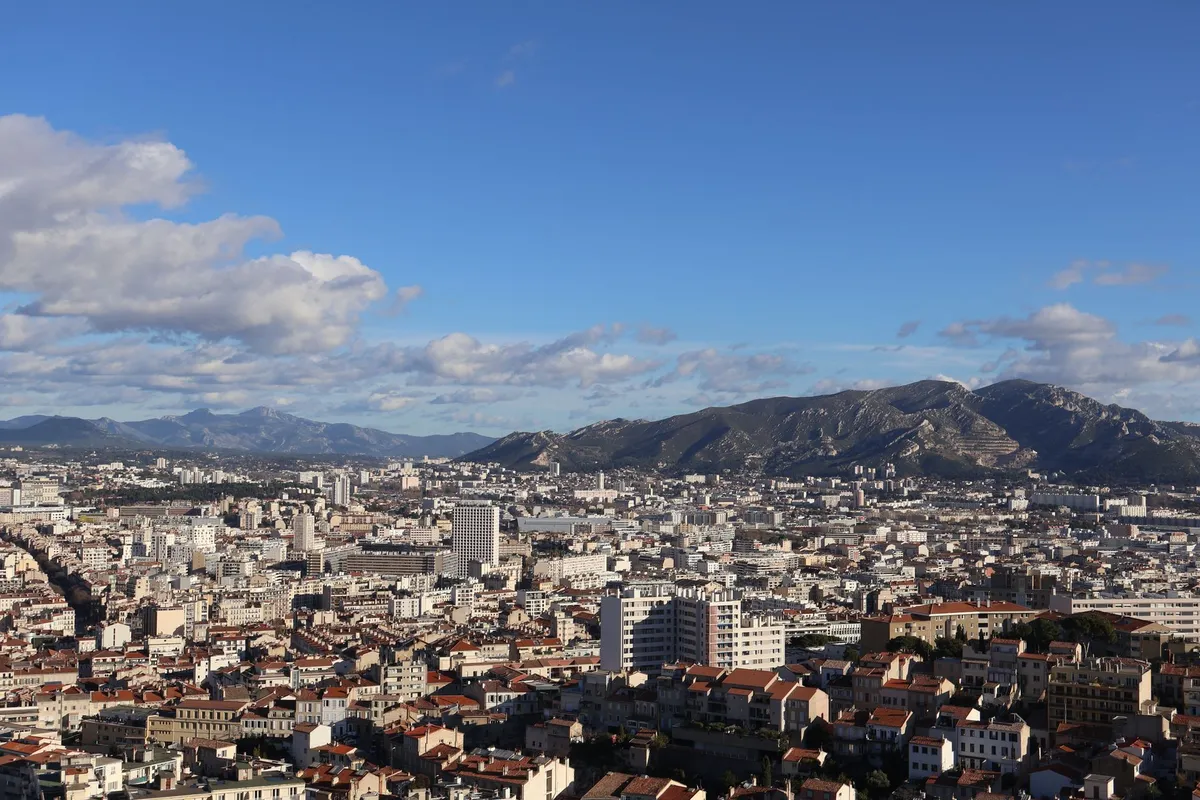
If you plan on getting around a lot, you can arrive with a simple plan in mind: Saint-Charles for connections, the Vieux-Port for exploring the city on foot, and local buses to get up to Notre-Dame or reach access points for the Calanques. If your trip through France includes other destinations, it makes sense to link this itinerary with Nice on the French Riviera or a more compact route like Monaco in 5 days.
Best time to visit and how long to stay
Seven days offer the best balance between city and nature. With less time, you’ll end up seeing only the postcard sights and will have to sacrifice either the Calanques or the neighborhoods and viewpoints. Between April and June, and then September and October, you have a better chance of pleasant temperatures, fewer crowds, and beautiful evening light. July and August are great for the sea and summer vibes, but they require more attention to reservations, prices, and the heat.
In the Calanques, the sensitive point is access. The park’s official website keeps updates on fire risk, trail openings or closures, and the Sugiton reservations system, so it’s not something to decide all in the morning. In the summer, treat your Calanques day as an excursion that requires an official check before you leave the hotel.
What to see in Marseille
Vieux-Port, the heart that’s easiest to understand
The Vieux-Port is where Marseille shows itself without needing an explanation. The old port sits at the foot of the Canebière and is home to boats, markets, a local ferry, bars, restaurants, and the feeling that the city lives around the water. According to Marseille’s official tourism board, the fish market remains one of the area’s strongest rituals, usually in the morning at Quai des Belges. It’s the kind of place to stroll slowly, watch the boats come and go, and decide the rest of your day from there.
If you’re looking for a paid activity that fits this scene perfectly, it makes sense to book a boat tour around Marseille to see the city’s coastline from another angle, especially on clear days.
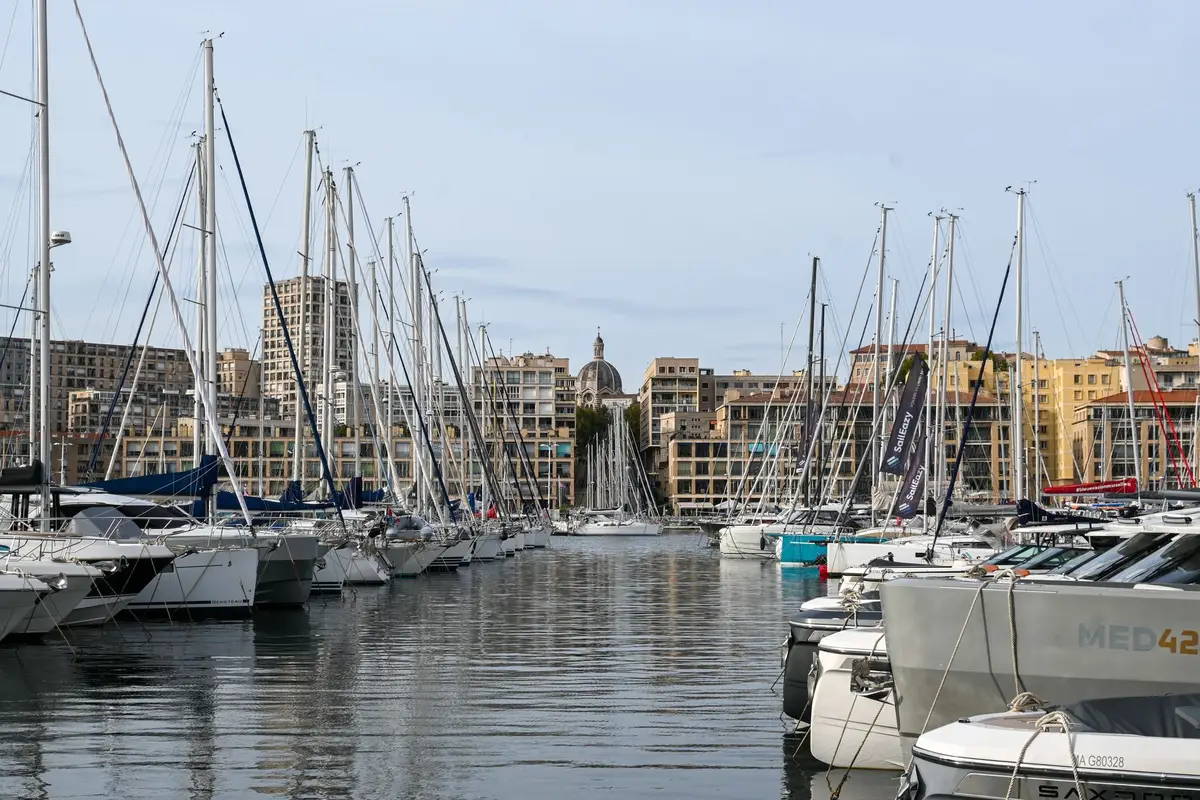
Another advantage of the port is the logistics. From there, you can head out to the Basilica of Notre-Dame de la Garde, board boats for the islands and sightseeing cruises, and connect the center with historic neighborhoods without relying on taxis all the time. If you’re not up for lots of hills, base yourself around the Vieux-Port because it cuts down on fragmented travel.
 See activities in Marseille on GetYourGuide ›
Basilica of Notre-Dame de la Garde, the view that organizes your trip
Notre-Dame de la Garde is the image many people remember from Marseille. The basilica sits atop the hill, watches over the city, and remains one of its most iconic symbols. The official tourism site notes that bus line 60 drops you off below the staircase and that the site is open daily. The view is worth it at any hour, but early morning and late afternoon light work in favor of the panorama.
Up there, the most interesting part isn’t just photographing the facade. It’s worth noticing the ex-votos, the pilgrimage atmosphere, and how the port, the avenues, and the sea all fit into a single frame. Going up to Notre-Dame early in your trip helps you understand Marseille’s geography before you get lost in its streets.
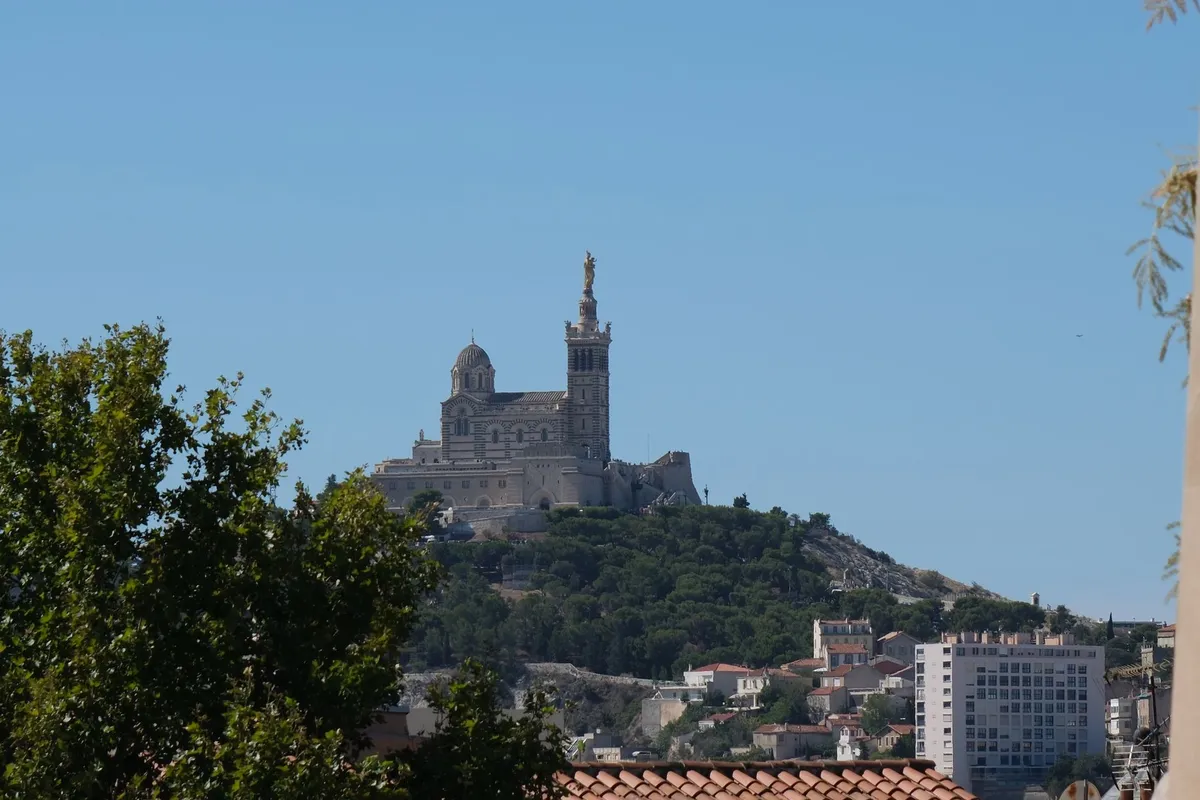
Since it’s a religious site, appropriate attire and some quiet in the prayer areas aren’t just details—they’re part of the visit. During celebration periods, some access may be temporarily restricted, so it’s worth checking the day’s schedule if you want to see the interior at a leisurely pace.
Calanques National Park, the day that changes the pace
The Calanques are Marseille’s answer for anyone who thinks the city is just a port and old facades. The national park is home to coves, white cliffs, and coastal trails with almost unbelievable water. It’s the most physically demanding outing of the week, but also the most rewarding. For many people, it alone justifies staying a few extra days in the city. The official Calanques National Park website centralizes rules, fire risk alerts, and visitor guidelines.
There are several ways to experience it. If you want to hike, research the access point that best matches your fitness level and check the park’s conditions on the day. If you prefer something less strenuous, a great alternative is to book a tour of the Calanques National Park and leave the logistics more tied up. The park also officially highlights boat tours as a valid way to visit.
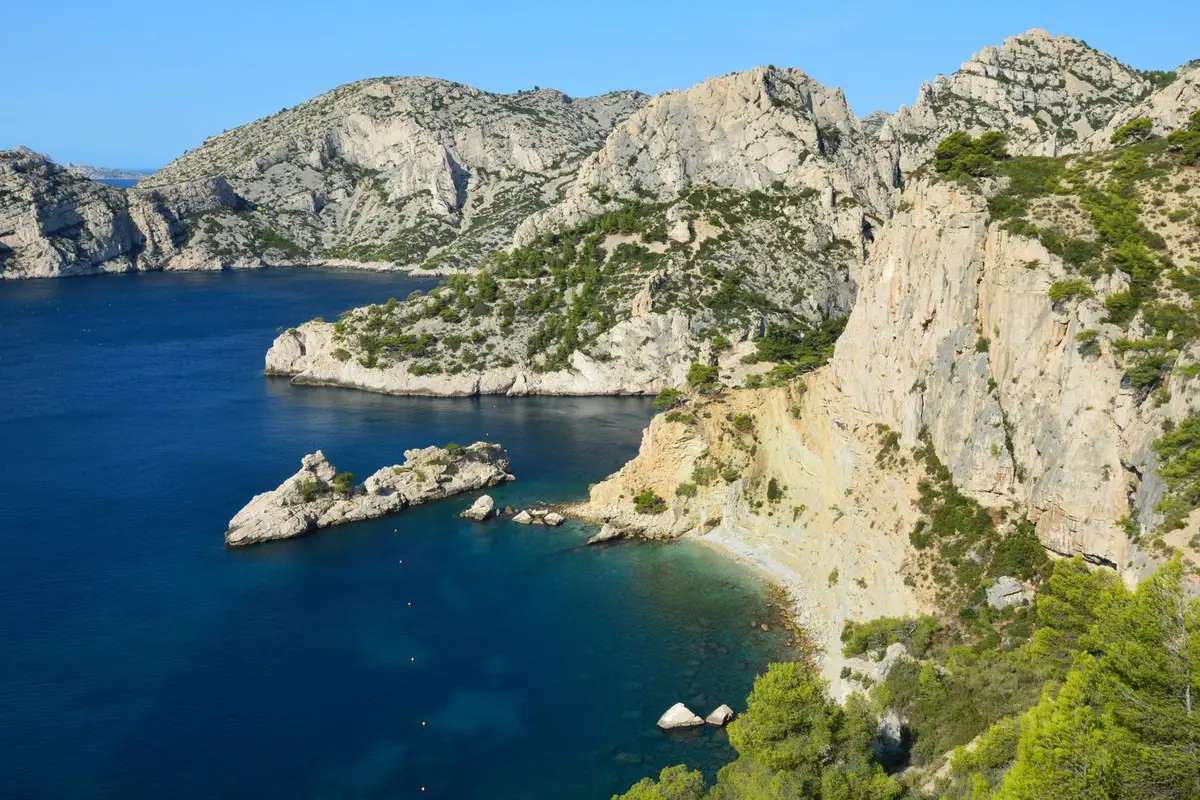
The care here is simple: bring water, sturdy footwear, sun protection, and a plan B. On days of intense heat or wind, swapping the hike for a boat trip can be the smartest decision of your trip.
7-Day Marseille Itinerary
Day 1: Vieux-Port, Canebière, and getting your bearings downtown
Arrive, drop your bags, and use the first day to stroll around the Vieux-Port, check out the area around the Canebière, and have dinner without worrying about checking off attractions. If you still have energy, squeeze in a short ride on the local ferry or an evening walk.
Day 2: Notre-Dame de la Garde and the surrounding neighborhoods
Head up to the basilica early, spend some time at the viewpoint, and then make your way down at a relaxed pace. The rest of the day can unfold between Saint-Victor, the Corniche, and coffee breaks with a view. It’s the perfect day to slow down and take plenty of photos.
Day 3: Calanques with a flexible schedule
Set aside the whole day. Even when the outing seems simple, the travel time, the heat, and the urge to linger longer at a cove eat up hours. Don’t book a distant dinner or any other demanding plans for the evening.
Day 4: museums and the waterfront
After your nature day, get back to the urban side. It’s worth exploring the Mucem area, Fort Saint-Jean, and the walkways around the port. This contrast helps you see how Marseille blends ancient stone, modern architecture, and maritime life.
Day 5: urban beaches and local rhythm
Use the day to experience the city the way a local would on a day off: beach, market, long lunch, and a less touristy neighborhood. If you prefer, swap it for a sunset boat ride.
Day 6: day trip or a strategic free day
If the weather messed with your Calanques plans, this is your backup day. If everything went smoothly, take advantage of a short day trip or dive deeper into something you left half-finished. If you’re piecing together a bigger trip through France, you can connect this stretch to other articles on the site, like the Notre-Dame de Paris Cathedral in another leg of your French itinerary.
Day 7: light shopping, the port, and farewell
Keep the last day as loose as possible. Head back to the Vieux-Port, do some small shopping, take in one last view of the sea, and avoid inventing a plan far from your hotel. Marseille works best when your departure doesn’t turn into a race.
What to Pair with Your Trip
Marseille pairs beautifully with Nice and Monaco for anyone wanting a broader coastal trip, but it can also be the most urban stop on a southern France itinerary. If the idea is to go deeper into the city, there’s still room for free tours, islands, and more beach time. For a first visit, I’d prioritize what the city itself does best: the port, the viewpoint, and the coastal nature.
If you like starting a trip by getting to know a destination on foot, the free tour of Marseille can be a great way to gain context before mapping out the following days.
Where to Eat
The Vieux-Port is the easiest ground for lunches and dinners, but not always the best value. The smarter move is to use the area for a meal with a view and look to other neighborhoods for more relaxed eating. If you spot fresh fish at the market in the morning, take that as a clue for what to order later. Bouillabaisse is the famous word, but you don’t need to splurge on a pricey menu every day to get a feel for the local cuisine.
In the heat, a later lunch and a light dinner work better than packing the day with reservations. Marseille calls for pauses, not an address marathon.
Where to Stay
For a first trip, staying near the Vieux-Port or with easy access to it usually makes everything simpler. You get walkable distances, bus connections, and a better sense of a lively city at night. If beaches and tranquility are the priority, it’s worth looking at slightly more residential areas, accepting a bit more time on transit.
If you plan to use Saint-Charles station to arrive and leave, you might prefer a hotel with easy station access, but without sacrificing proximity to the port. Over 7 days, the time saved on getting around really adds up.
 See hotels in Marseille on Booking ›
Practical Tips
Bring comfortable sneakers even if you don’t plan on heavy hiking. Marseille has hills, staircases, and plenty of days that are better spent on foot. In the Calanques, water and sun protection aren’t overkill. At Notre-Dame, check the time of day and respect the religious nature of the space. At the Vieux-Port, it’s worth starting early if you want to see the fish market in action.
The most common mistake in Marseille is cramming everything into two packed days and leaving with the feeling you only saw the port. Seven days let you breathe, adapt the itinerary to the weather, and fit in the Calanques without turning the trip into an endurance test.
- HotelAs soon as you have datesCompare neighbourhoods and guest ratings.See hotels ↑
- More activitiesTo compareTickets, day trips and tours with flexible cancellation.GetYourGuide ›
Frequently Asked Questions
Is Marseille worth 7 days of travel?
Yes, especially if you want to include the Calanques at a relaxed pace and not treat the city as just a day trip. In 7 days, you can balance the port, viewpoints, urban beaches, museums, and one more demanding day in nature.
What’s the best time to visit Marseille?
Spring and early fall usually offer the best balance of pleasant weather and fewer crowds. In peak summer, the city is great for the sea, but requires extra attention to heat, prices, and access rules for the Calanques.
How do you get up to Notre-Dame de la Garde?
One practical way is to take bus line 60, recommended by the official tourism office, which drops you below the basilica’s staircase. You can also go up by taxi, car, or on panoramic tours departing from the Vieux-Port.
Do you need to book the Calanques?
It depends on the area and the season. In summer, the park may require reservations for sensitive sectors like Sugiton and may also restrict access due to fire risk. The right move is to check the official website the day before and on the morning of your visit.
Where does it make the most sense to stay in Marseille?
For a first trip, the Vieux-Port area is usually the most practical. You’re close to transit, restaurants, walks, and the city’s most immediate vibe.
Conclusion
Marseille doesn’t need to compete with Paris or try to be a polished Riviera to work. It wins you over precisely because it mixes an active port, a pilgrimage hill, open sea, and a national park just steps from the city. If you organize your week around the Vieux-Port, Notre-Dame de la Garde, and the Calanques, everything else falls into place with much less effort. At Voyage Voyage, this is the kind of destination that pays off most when you leave room to discover the city’s rhythm.