 Marcelo Oliveira
Greek islands: for a first trip, pick two islands in seven days or three in up to ten, linked by a direct ferry route. Santorini is for the caldera; Mykonos, for parties and beaches; Naxos and Paros, for a slower pace; Crete deserves more time.
The best Greek island is the one that fits your time and budget, not the most photographed one. The most comfortable sequence usually starts in Athens and avoids crossing the same sea more than once.
Which Greek island to choose
Choose based on the kind of day you want to repeat: caldera, beach, food, hiking, or nightlife. Greece has many islands, but a great trip doesn’t need to try them all.
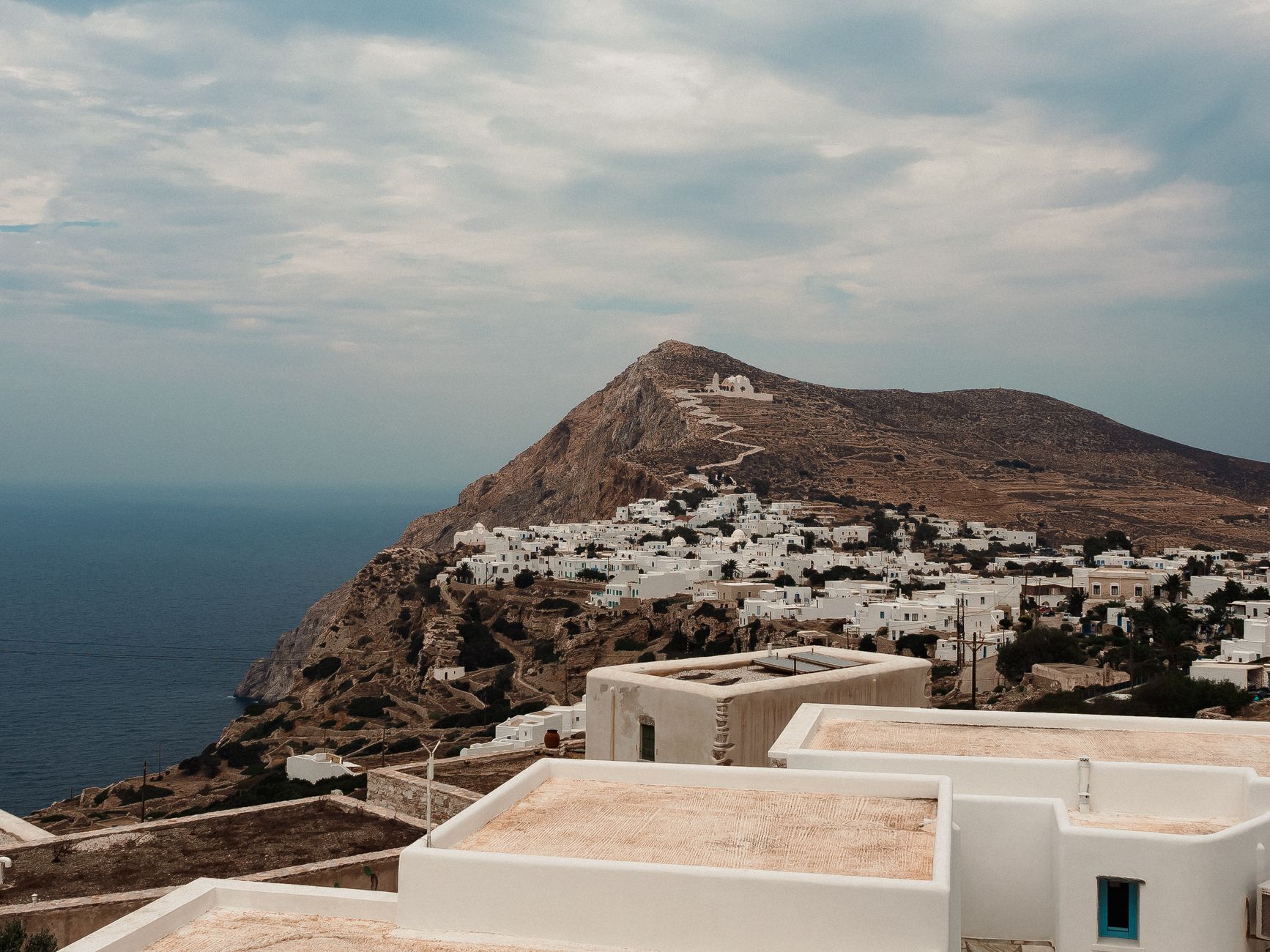
The Athens guide helps you plan your arrival, and the Santorini itinerary details costs and where to stay on the most sought-after island in the Cyclades.
 Hotels in SantoriniBooking · ratings and neighbourhoodsSee ›
 Santorini Day Trip: Kamari, Oia, & Firadesde €60 · CivitatisSee ›
Santorini or Mykonos?
Santorini is stronger for scenery, dining, and caldera-view hotels; Mykonos, for beaches, bars, and buzz. Neither is automatically better: the decision comes down to your pace and what you’re willing to pay.
If nightlife is central, choose Mykonos; if your trip revolves around views and boats, choose Santorini. Naxos and Paros work well as a counterpoint of beaches and price.
Hotels in MykonosBooking · ratings and neighbourhoodsSee ›Delos Island Day Tripdesde €79 · CivitatisSee ›How many islands to include in your itinerary
In seven days, two islands are the comfortable limit. In ten or twelve, three work if the ferries are direct and you’re okay switching hotels.
Quick itinerary guide
Up to 7 days: Athens + one or two islands. 8 to 10 days: three nearby islands. More than 12 days: include Crete or a larger island.
Start with the type of trip you want, not a list of famous islands. In one week, two bases work better than four check-ins. Every switch involves a port, ferry schedule, hotel, and luggage.
Santorini fits when the priority is the caldera, view hotels, and a boat tour. It’s not the best choice for those seeking lots of easy beaches or low nightly rates in July.
Mykonos makes sense for those who want beach clubs, restaurants, and nightlife. For a more relaxed trip, use it as a short base or consider Naxos and Paros.
Naxos delivers beaches, villages, and a generally less stressful budget. Paros is practical for getting around and has a good mix of beaches, port, and restaurants.
Crete deserves its own trip: it’s big, with roads, cities, and beaches in distant regions. Trying to treat it as a two-day stop leaves more out than it solves.
Compare ports before booking accommodation. Not every ferry arrives on schedule, and getting from the port to your room can be the most tiring part of the day.
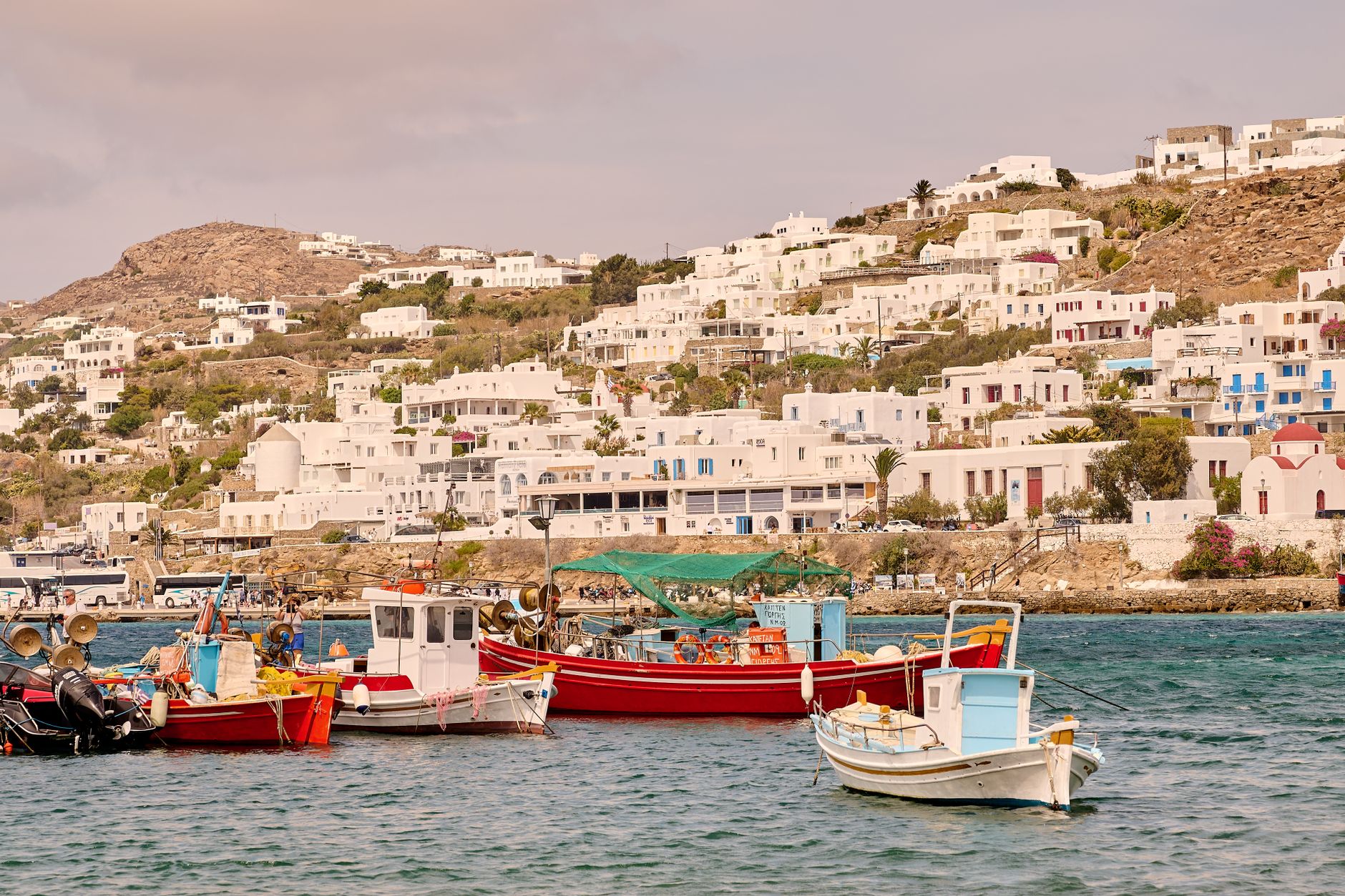
In high season, book your ferry legs after locking in your nights. The ideal route is a straight line, not a zigzag: Athens, Cyclades, and return, for example.
Use a flight to arrive or leave when it saves you a lost night. Within the Cyclades, the ferry is usually more logical, as long as schedules are confirmed.
July and August deliver full sea and service, but also high prices and lines. May, June, September, and early October balance weather and availability.
Have a plan B for wind. A visit to a museum, village, or nearby beach protects your trip if a boat gets canceled or delayed.
Budget isn’t just the hotel. Add port transfers, luggage, meals in tourist areas, and the cost of getting to the airport or the next ferry. In July 2026, accommodation and sea legs remain the most demand-sensitive lines.
To cut costs, sleep near a port or useful stop, choose simple lunches, and concentrate expensive experiences on one island. One very special night in Santorini can coexist with more practical nights in Naxos or Paros.
Don’t buy separate tickets without checking the margin between connections. A small sea delay can be enough to miss a flight the same day. When possible, spend the last night near your departure point.
Beaches also define the choice. Naxos, Paros, and Crete serve better those who want several days of sand and swimming; Santorini delivers more volcanic scenery and villages than a classic beach routine.
For couples, two islands create a calmer trip. For friends into nightlife, Mykonos can take center stage. For families, an island with accessible beaches and fewer hotel changes usually pays off.
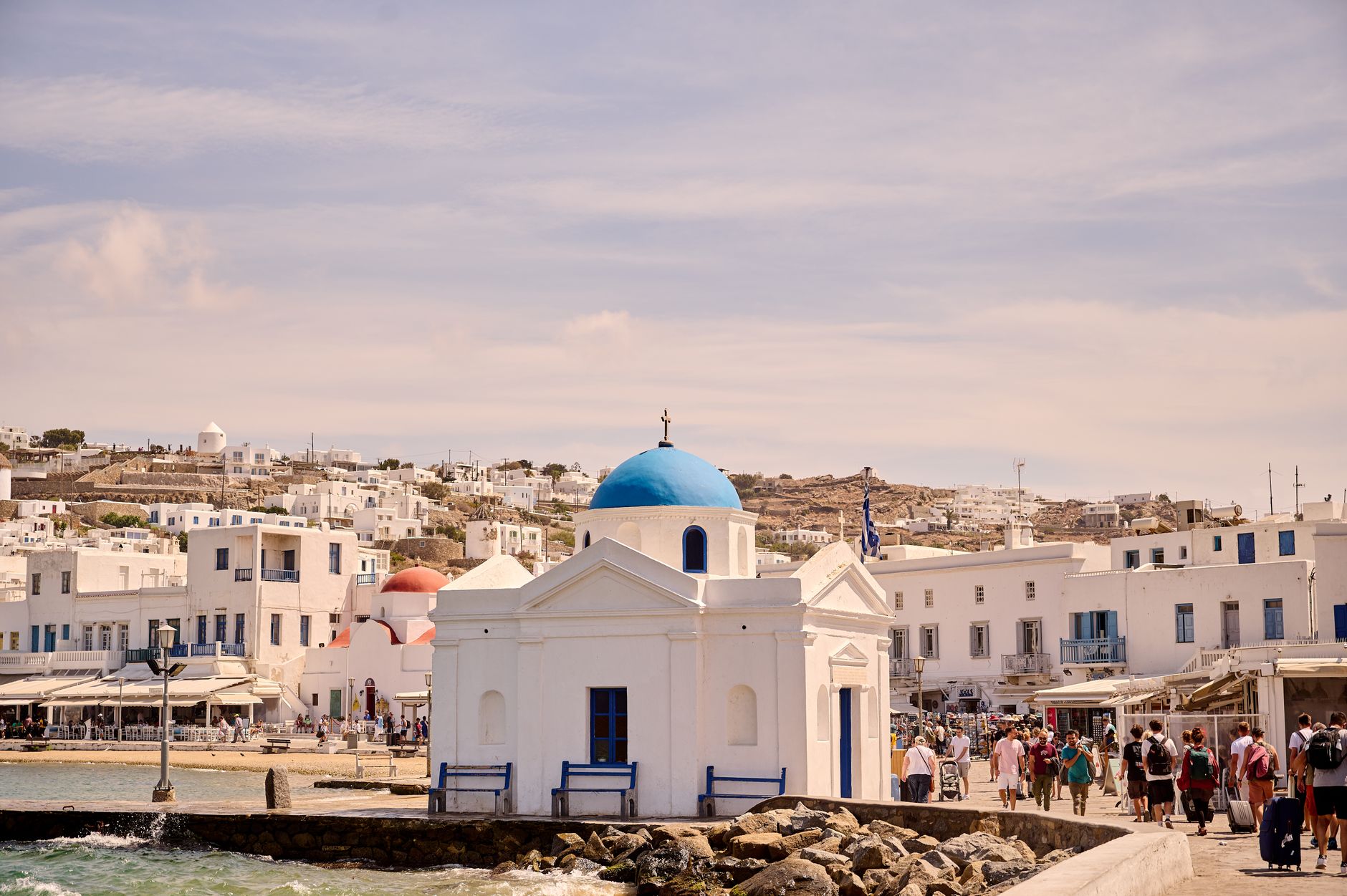
Save all reservations offline and check which port appears on your ticket. Some islands have more than one dock, and the difference can cost you an expensive ride on departure morning.
When planning a route, prefer connections that also exist on your departure day. A beautiful route on paper loses value if it forces you back to Athens with two extra transfers.
With a clear route, you buy fewer transfers, sleep better, and arrive at the islands with time to actually enjoy them.
Better.
Another useful decision is to divide the islands by role. One can be your arrival base with connections; another, the place for the sea; and the last, if time allows, the hotel or food experience. This logic avoids picking three destinations with the same profile.
In any month, check the actual ferry duration, not just the departure time. Boarding, disembarking, and getting to the hotel usually add several hours to what looks like a short leg.
If saving money is a priority, compare dates before switching islands. Sometimes one extra night at the same base costs less and gives you back a full travel day.
How to get from one Greek island to another
Ferries connect the islands, but schedules and ports vary by season. Check the operation for your exact date and arrive early for boarding; in summer, the port is no place to improvise.
For official arrival and travel references, check Santorini Tourism and the Visit Greece portal.
When to visit the Greek islands
May, June, September, and early October are the easiest months to combine sea, less pressured prices, and well-running ports. July and August work for those who accept crowds and book early.
In winter, don’t count on the same frequency of ferries, hotels, and boat tours.
- HotelAs soon as you have datesCompare neighbourhoods and guest ratings.Booking ›
- ActivitiesBefore you travelBook ahead the ones with limited spots.Civitatis ›
 More activitiesTo compareTickets, day trips and tours with flexible cancellation.GetYourGuide ›
Frequently asked questions
Santorini or Mykonos?
Santorini is better for the caldera and boat tours; Mykonos for parties, beaches, and restaurants. Choose based on the pace you want for your trip.
How many Greek islands to visit?
One week comfortably fits two islands. For three islands, set aside ten days or more and prefer direct connections.
How to get from one island to another?
The Greek islands are connected by ferry, with schedules that change by season. Confirm the port, duration, and change policy before booking hotels.
What’s the best time to go?
May, June, September, and early October usually balance weather, operations, and less price pressure.
Today.
Conclusion
The best Greek island itinerary has fewer switches and clear choices. At Voyage Voyage, start in Athens and move on to the island that truly fits your trip.