 Marcelo Oliveira
Is Gijón worth visiting? Yes — especially for travelers who want a Spanish coastal city with an urban beach, a historic quarter, cider, Roman heritage, and a cultural scene that keeps going well past summer. Gijón sits in Asturias, in northern Spain, facing the Cantabrian Sea, and it works far better as a two- or three-day trip than as a rushed stop between bigger cities.
Hotels in Gijónfree cancellation options onlySee hotels ›Booking.com partner (advertising): we may earn a commission at no extra cost to you.
Is Gijón worth visiting?
Gijón is worth it for anyone who wants a Spanish coastal city with an urban beach, a historic quarter, cider, Roman heritage, and a cultural life that doesn’t shut down after summer. The city works best on a 2- to 3-day stay, with enough time to alternate between the sea, the center, and cultural attractions. It can also be a comfortable base for comparing the Asturian coast with the regional capital, Oviedo. The destination is most interesting for travelers who prefer an Atlantic climate, long walks, and local experiences over a checklist of back-to-back sights.
Where Gijón is and what makes it a coastal city
Gijón sits on Spain’s northern coast, in the Principality of Asturias, on the shores of the Cantabrian Sea; its location explains both the Atlantic climate and the city’s seafaring character. The official Asturias Tourism portal lists approximate coordinates of 43.5420655, -5.6645302 and an area of 181.6 km². The 2025 municipal activity report, meanwhile, records 277,961 inhabitants as of January 1, 2026. Check the Gijón tourism profile, the official municipal report, and Gijón’s page on Spain.info.
This is the most useful difference from Oviedo: Gijón is a port and beach city, while Oviedo sits inland and concentrates more of the capital-city experience, historic center, and religious heritage. The two are close and can fit into the same itinerary, but they deliver very different rhythms. The official Turismo Asturias material on the region’s cities sums up the split nicely: Gijón and Avilés have a coastal, port-city feel; Oviedo is an inland city.
The name also appears as Gijón/Xixón in Asturian materials. The origin of the toponym is debated, and it’s not accurate to state as settled fact that Gijón simply derives from “Gigia.” For travelers, the most practical takeaway is to recognize both forms on signs, cultural calendars, and local websites.
Beaches, viewpoints, and seaside walks
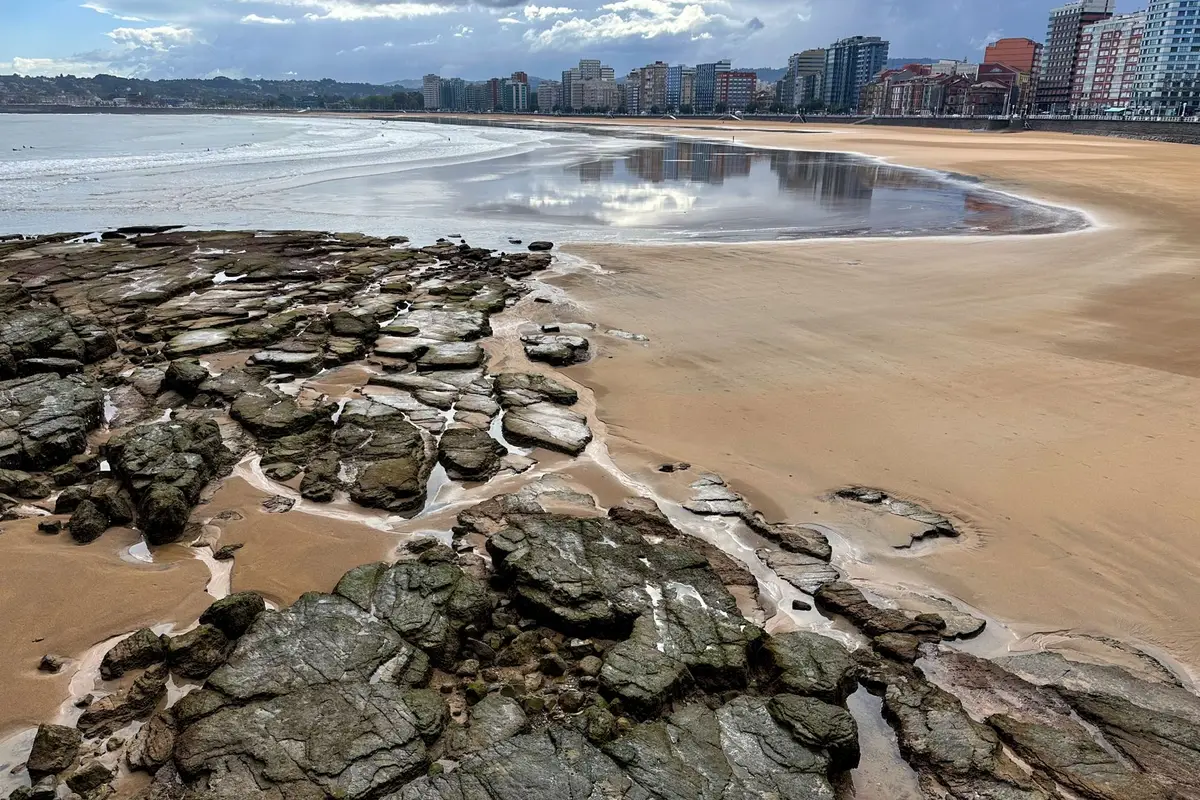
The coastline is the strongest reason to choose Gijón as a base: the city offers an urban beach, a port, viewpoints, and a coastal trail that lets you go from sand to countryside without leaving the municipality. San Lorenzo Beach, shaped like a shell and nearly two kilometers long, is the headline attraction; Poniente and Arbeyal complete the urban stretch. The official description of Asturian cities confirms the character of San Lorenzo and Poniente.
San Lorenzo for strolling and watching the tide
The Muro de San Lorenzo works as a public promenade, an informal walking track, and a meeting point. The experience changes a lot with the tide: at some moments sand dominates the view; at others, the Cantabrian Sea pushes right up to the edge of the promenade. Don’t plan your beach time as if this were a Mediterranean destination with guaranteed sunshine. Gijón is Atlantic, windy, and prone to fast weather shifts — which is exactly what makes the scenery more dramatic.
The quieter side of the coast
For a walk with less urban scenery, the Senda do Cervigón heads east toward Peñarrubia, Serín, Estaño, and La Ñora. The coastal route runs about 10 kilometers, according to regional tourism material, and includes Parque de la Providencia, whose viewpoint opens onto the Cantabrian Sea. Set aside time and wear comfortable shoes: the payoff here is the succession of views, not ticking off spots quickly.
If activity is your priority, Gijón also has schools and experiences tied to the sea, such as surfing, paddleboarding, sailing, and boat trips. The best choice depends on the season and sea conditions; check conditions and schedules before booking. For beginners, a structured lesson makes more sense than trying to improvise equipment on the beach.
 Partner · Civitatissee all activities in Gijón ›
- Covadonga Lakes, Cangas de Onís & Lastres Day TripRating 9 · 3,879 reviews on Civitatisfrom€47per personSee ›
- See ›Gijón Free Walking TourRating 9.3 · 14 reviews on Civitatis
- Covadonga & Cangas de Onís Small Group Day TripRating 9.2 · 234 reviews on Civitatisfrom€67per personSee ›
- Gijón Coast Speedboat TourRating 9 · 201 reviews on Civitatisfrom€20per personSee ›
Civitatis prices on 28/09/2026, from, per person. They may change.
What to do in Gijón beyond the beach
Gijón deserves more than a stroll along the boardwalk because it packs Roman, industrial, cultural, and culinary layers within short distances. The historic Cimavilla quarter, the Roman Baths of Campo Valdés, the marina, the Botanical Garden, the Aquarium, and Laboral Ciudad de la Cultura form a varied lineup, confirmed by Spain’s and Asturias’s official tourism portals.
Cimavilla, the baths, and the marina
Start in Cimavilla, the old fishermen’s quarter perched on the Cerro de Santa Catalina peninsula. The route winds through narrow streets, old houses, Campo Valdés, the Church of San Pedro, and the Roman Baths. Then head down to the marina to see the Letronas de Gijón and understand how the old waterfront was folded into urban leisure. This is the easiest stretch to do on foot and the one that best explains the city’s identity.
Laboral and the Botanical Garden
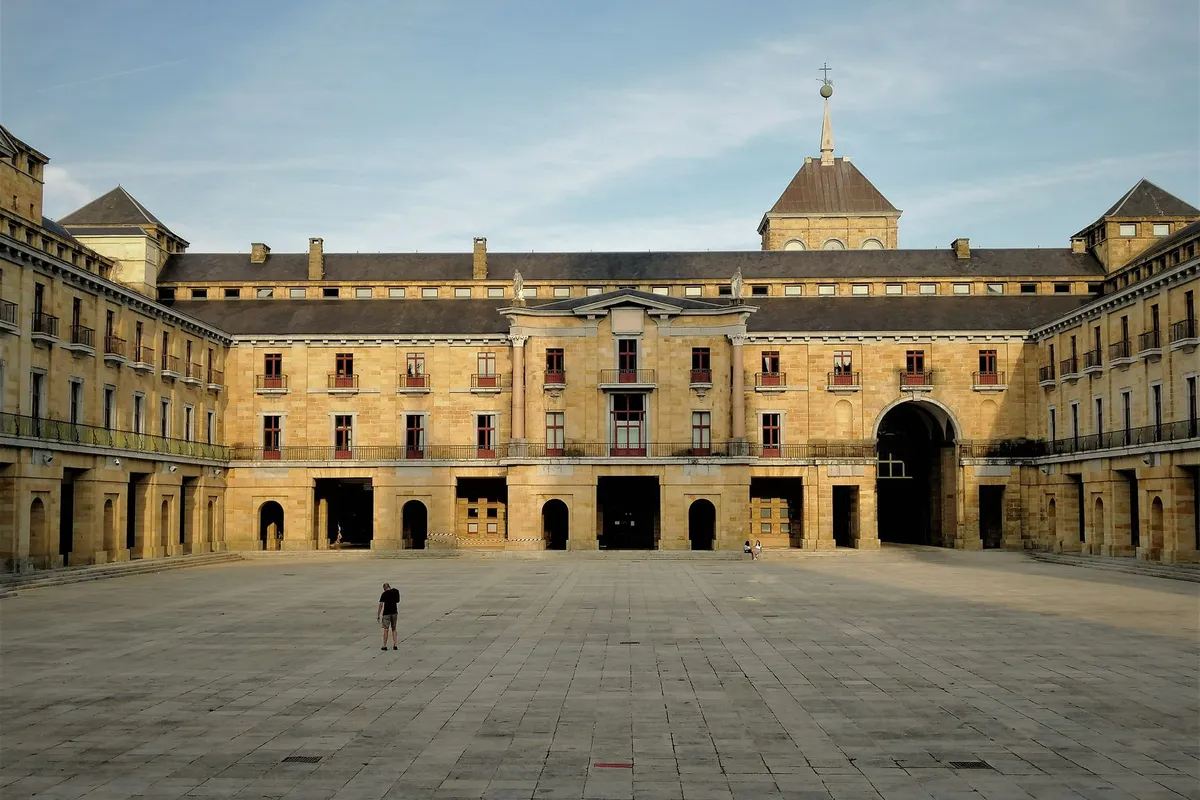
Laboral Ciudad de la Cultura is a visit on another scale, with monumental architecture and a cultural program; it sits outside the Cimavilla core, near the Atlantic Botanical Garden. Set aside at least half a day for both, especially if there’s an exhibition or guided tour. Turismo Asturias itself lists Laboral, the Botanical Garden, and the Aquarium among Gijón’s flagship attractions.
On rainy days, this combination is especially handy: museums, baths, and cultural centers keep the trip going when the beach isn’t the best choice. For families, the Aquarium and the Museum of the People of Asturias expand the options; for history buffs, the Railway Museum and the Roman remains help connect the industrial past to the maritime one.
At the table, look for natural cider, fish, seafood, fabada, pote asturiano, frixuelos, and rice pudding. The experience doesn’t have to be a restaurant checklist: pick a traditional sidrería in Cimavilla or the center and watch the ritual of pouring the drink. In Gijón, eating is a way of sensing the continuity between port, market, and neighborhood.
How many days to stay: a practical itinerary
Two full days cover the essentials of Gijón; 3 days are better for including Laboral, the Botanical Garden, and a coastal walk without turning the trip into a race. The breakdown below works for a first visit and can be adjusted to the weather and the clock.
Day 1: Cimavilla, the center, and San Lorenzo
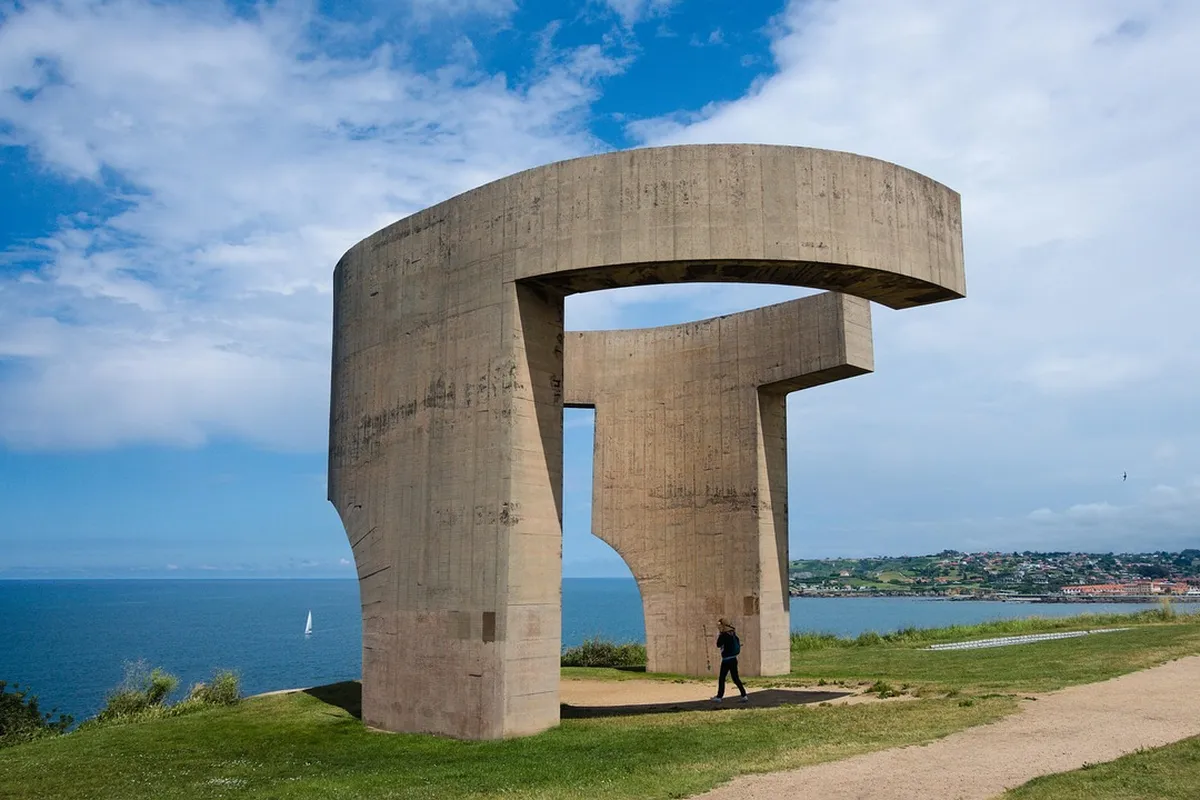
Start at the marina, climb through Cimavilla, visit the area around the Roman Baths and Campo Valdés, pass by the Elogio del Horizonte, and head down to San Lorenzo Beach. Finish on the Muro with a cider or dinner in the center. This day packs in the history and the city’s most recognizable image.
Day 2: urban beaches and culture
Spend the morning at San Lorenzo or Poniente, depending on the tide and wind. After lunch, head to Laboral and the Botanical Garden; if there’s time, add the Aquarium or the Railway Museum. It’s a day that alternates between sea and indoor spaces, so it works well even with an unstable forecast.
Day 3: coast or day trip
On the third day, choose between the Senda do Cervigón, a surf lesson, or a day trip along the Asturian coast. Gijón is well positioned to combine Oviedo and Avilés, and it also works as a base for exploring coastal beaches and villages. Don’t try to squeeze Covadonga, Llanes, and Gijón into the same day: the distances and driving time would drain the trip of its meaning.
Getting there and getting around
The simplest access is flying into Asturias Airport and continuing by bus to Gijón; within the Principality, train, bus, and car connect Gijón to Oviedo and Avilés. ALSA offers connections between the airport and these cities, while Renfe runs the Cercanías Asturias network with a Gijón–Oviedo link. Check the airport connection and confirm schedules before departure.
To explore the center, a car is unnecessary and can turn into a parking expense. Cimavilla, the port, San Lorenzo, and part of the ensanche are all walkable. A car becomes more worthwhile when your plan includes rural beaches, far-flung viewpoints, or villages along the eastern and western coast.
Gijón and Oviedo are close enough for a single base, but the choice should follow the type of trip. If your priority is walking to the beach when you wake up, Gijón wins. If your itinerary centers on inland heritage and regional connections, Oviedo may be more convenient.
What it’s like to live in Gijón
Living in Gijón means having a city of comfortable scale, with shops, services, residential neighborhoods, and everyday access to the sea; the strong point is the quality of your free time, not the promise of a metropolis with an unlimited job market. The city makes sense for anyone who values an Atlantic climate, walking, local culture, and a less hurried routine.
The center, Cimavilla, and La Arena put you close to the beach, restaurants, and the buzz, but they tend to charge for that privilege in rent and noise, especially during peak demand. El Llano and areas further south can balance shops, transport, and price. Neighborhoods to the west suit those who prefer a more residential routine while still staying connected to Poniente and Arbeyal.
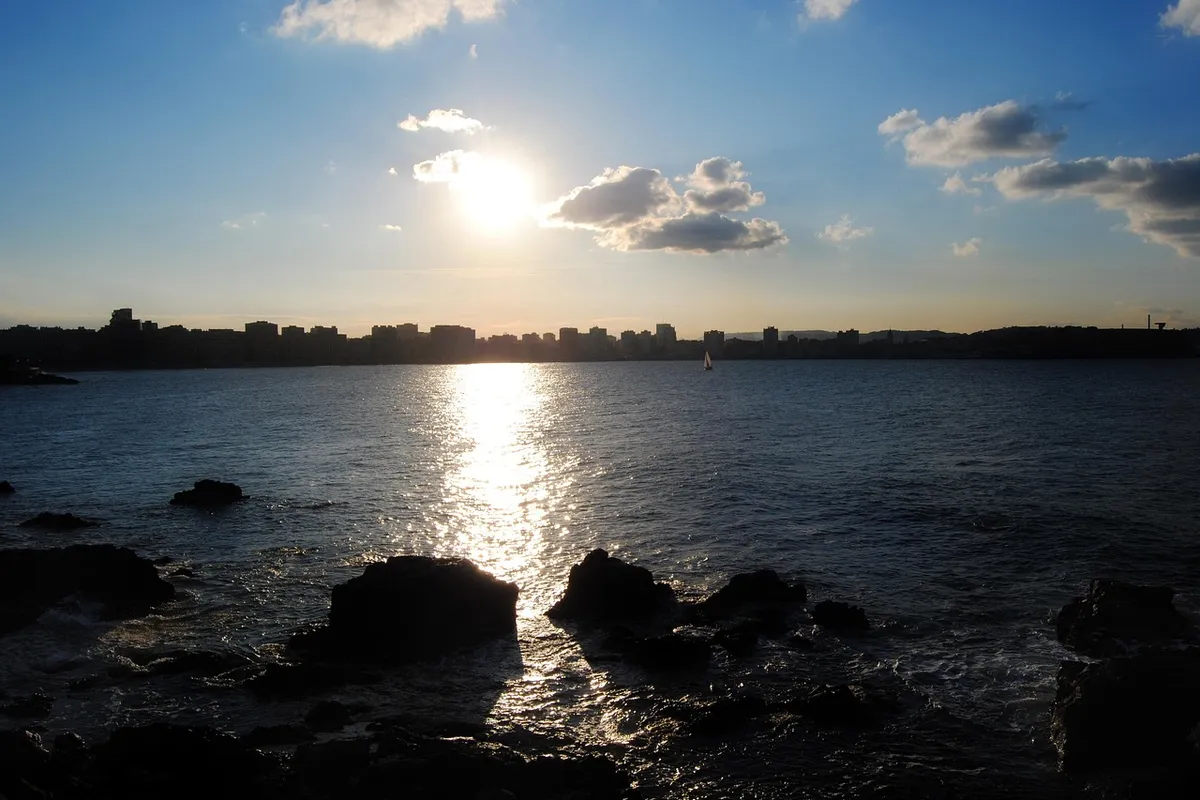
The climate is a real decision factor: expect rain, wind, and milder temperatures than in southern Spain. In exchange, summer tends to be less extreme, and the city keeps its parks, promenades, and cultural activities going for much of the year. If you plan to work remotely, test the internet and heating in the property before signing a lease; if you plan to study or work locally, research the job market and the language required.
Gijón is also a good base for anyone willing to live in one city and move around the region. Train and bus bring Oviedo and Avilés close, while the road opens up the coast and the mountains. Even so, daily commutes depend on the schedule: living on the coast doesn’t eliminate the need to plan transport if your job is inland.
Cost of living in Gijón
The main weight on your budget is usually rent, and the price varies a lot depending on proximity to the sea, the size of the property, and the season. In the Fotocasa index consulted in August 2026, Gijón showed an advertised average of €12 per m²; Centro and Este registered €13 per m², while the Sur area showed €10 per m². Check the Fotocasa rent index, since values change month to month.
As a reference in August 2026, a 50 m² apartment at the municipal average would come to about €600 per month before expenses; in Centro, the theoretical figure would rise to about €650. This is not a property quote: it’s just the average price per square meter multiplied out, and it doesn’t account for furniture, building fees, deposit, exact location, or availability.
For daily spending, Numbeo indicated in July 2026 that a cheap meal in Gijón ran around €15. Use that figure as a collaborative reference, not an official rate: menus, supermarkets, and services change, and a restaurant-based diet weighs far more than cooking at home. The real cost depends above all on rent, transport, energy, and how often you eat out.
In short: Gijón can be more interesting than Spain’s big capitals for anyone seeking urban scale and the sea, but it shouldn’t automatically be treated as “cheap.” The neighborhood decides a lot. To control spending, compare properties in areas beyond the first line of the beach and run a monthly simulation including heating, internet, transport, food, and insurance or healthcare costs. The cost-of-living comparison between Gijón and Oviedo serves only as a collaborative reference.
Gijón or Oviedo?
Choose Gijón if beach, seaside promenade, surfing, port, and outdoor life are priorities; choose Oviedo if the focus is on a historic center, heritage, administrative life, and a more inland base. The cities are close and complementary, but they don’t offer the same sense of place.
For a vacation trip, Gijón usually delivers more visual variety in a small space: sea, sand, old quarter, and industrial culture. Oviedo responds better to those who prefer strolling through squares, churches, museums, and cafés without depending on the tide or the forecast. Cost comparisons should be made with actual properties; collaborative indicators point to similar consumption, while housing near the sea can push the bill higher in Gijón.
If you have four or five days, you don’t have to choose rigidly: sleep in Gijón to experience the coast and set aside a day to visit Oviedo; that way, you compare the two bases in practice. To expand your Cantabrian circuit, the Santander guide helps you compare another coastal city in the north.
 HotelAs soon as you have datesCompare neighbourhoods and guest ratings.Booking ›
- ActivitiesBefore you travelBook ahead the ones with limited spots.Civitatis ›
Quick questions
What are Spain’s coastal cities?
Spain has many coastal cities, from Barcelona, Valencia, and Málaga to Santander, A Coruña, Vigo, Gijón, and San Sebastián. In this article, Gijón is the focus because it combines the Cantabrian coast, an urban beach, and a smaller scale than the big tourist capitals.
Where is Oviedo?
Oviedo is inland in Asturias and is the capital of the Principality. Gijón is on the coast; the two can be combined by train, bus, or car in a regional itinerary.
Where is Zaragoza?
Zaragoza is in northeastern Spain, in Aragon, on the banks of the Ebro River. It’s a different circuit and doesn’t need to be part of a Gijón itinerary.
Verdict: when to choose Gijón
Gijón is a strong choice for anyone who wants to visit an Atlantic Spain, with sea, cider, walkable neighborhoods, Roman heritage, and culture outside the Madrid–Barcelona axis. It works especially well as a two- or three-day base, with time to accept the weather and follow the rhythm of the tide.
For living, the decision is a good one when the beach and quality of daily life outweigh a smaller job market and rent that varies widely by neighborhood. The best test is to spend a few days outside high season, walk through La Arena, Cimavilla, and areas further south, and simulate the cost of an actual property — not just look at the city average.
If your priority is the coast, put Gijón on your itinerary. If your priority is inland heritage, compare it with Oviedo. And if you have time, do both: the short distance between them turns the difference in character into an advantage, not a problem of choosing.