 Marcelo Oliveira
The EES in Europe (Entry/Exit System) is Europe’s new border control for non-Europeans — Brazilians included. Since April 10, 2026, it has been running at all external borders of 29 countries: on your first entry, the officer takes a photo of your face and collects your fingerprints, and your passport no longer gets stamped.
For Brazilians, the EES requires no pre-registration, no form and no fee. On your first trip after April 2026, you go through immigration as usual and register your face and fingerprints; on subsequent trips, the system simply checks your data. Stamps are gone, and the 90-days-in-every-180 count is now automatic.
| What it is | Electronic record of entries and exits for non-Europeans on short stays |
|---|---|
| Since when | Fully operational since 4/10/2026, after 6 months of gradual rollout In effect |
| Does it apply to Brazilians? | Yes, even without needing a visa |
| What it collects | Facial photo and fingerprints (children under 12 don’t provide fingerprints) |
| Registration or fee | None: registration happens right at the border |
| Passport stamp | Abolished in the 29 EES countries; Cyprus and Ireland still stamp |
| ETIAS | Not running yet; €20 fee, expected in 2027 — see guide › Not started |
In this article · 9 topics
What is the EES and since when does it work?
The EES is an automated European Union system that records every entry and exit of non-European travelers on short stays at the external borders of the countries that use it. It was rolled out gradually over six months and, since April 10, 2026, has been fully operational at all border points, according to the official EU portal (Sep/2026).
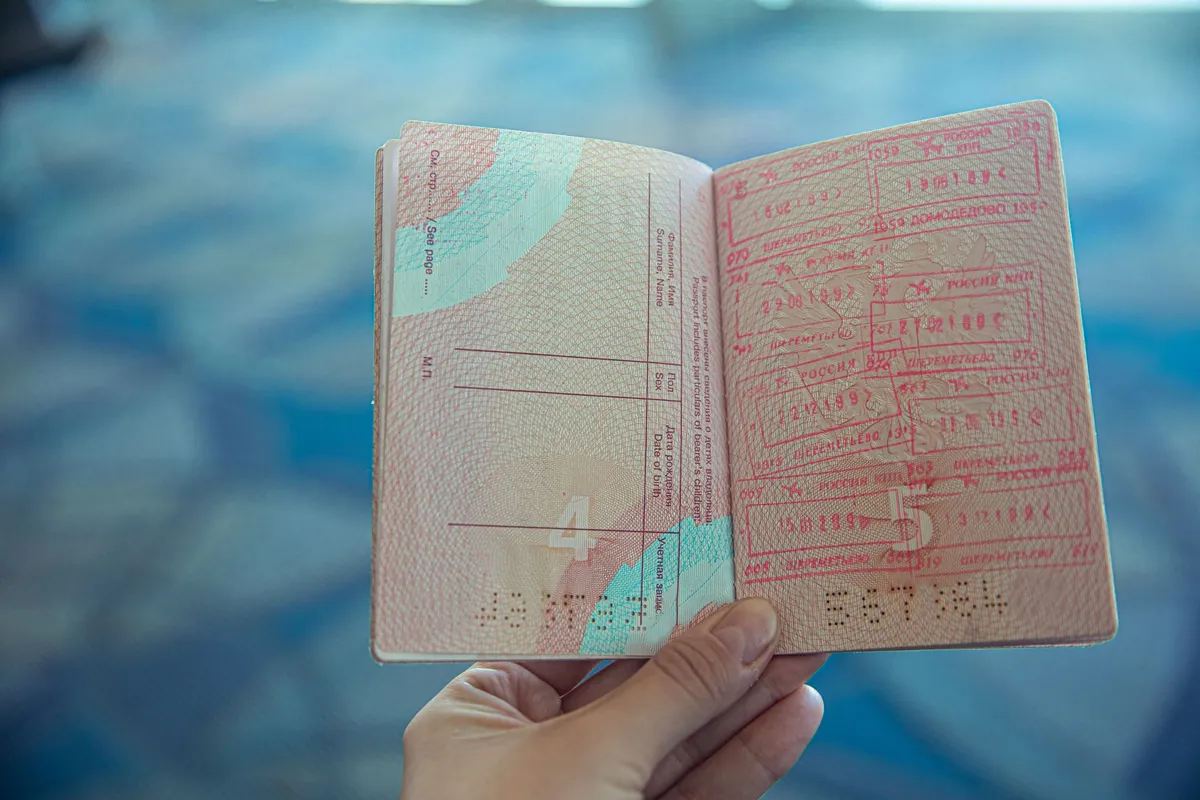
In practice, it replaces the stamp with a digital file containing your passport data, facial photo, fingerprints and the history of dates and locations of each crossing. The underlying rule is Regulation (EU) 2017/2226, amended in 2025. The stated goals are to speed up the border with automated kiosks, identify those who overstay and combat identity fraud.
Do Brazilians need to register for the EES?
Brazilians are registered in the EES, but you don’t need to do anything before your trip: there’s no website, form or payment. The system applies both to those who need a visa and to those who are exempt, as is the case for Brazil, and registration happens right at immigration, according to the official EES website.
Excluded are those with nationality from an EU country, Iceland, Liechtenstein, Norway or Switzerland (traveling on that passport), those with a long-stay national visa or residence permit in one of those countries, and some family members of European citizens. If you hold dual European citizenship, you should enter with your European passport.
What is crossing the border with the EES like?
On your first entry after the EES started, the immigration officer takes a photo of your face and scans your fingerprints, and that data goes into a digital file; your passport is not stamped. On subsequent trips, the system just checks your face and fingerprints, which is faster.
- First time: regular immigration line, photo and fingerprints with the officer. At some airports, there are self-service kiosks to speed up registration before the counter; some countries also offer an app (EU, Sep/2026).
- The usual questions: the EES doesn’t change entry conditions. The officer may ask for a return ticket, hotel reservation, proof of funds and other documents applicable to your profile. For insurance, check the destination’s rule.
- Subsequent trips: with a chipped passport and your registration already done, you can use the automated kiosks where available, and often you won’t even go through an officer.
- Exit: your exit is also recorded — that’s what closes out the day count.
Children under 12 are registered in the EES but, for now, don’t have fingerprints collected. If you refuse to provide biometric data, entry may be denied.
Does the EES end stamps and change the 90-day rule?
The EES ended stamps, but it didn’t change the rule: Brazilians can still stay up to 90 days in any 180-day period, counting all the countries that use the system. The difference is that the count is now automatic and exact, with no one having to count stamps.
With the end of stamps, anyone who overstays the 90 days is identified on the spot by the system, either on exit or on the next entry. The EU keeps an official stay calculator so you can check how many days you have left. Those who overstay may be denied entry and banned from returning for a period, according to the EES FAQ.
If you’re planning a long multi-country trip, the 90-day count now weighs more heavily on your itinerary. Double-check your dates before buying the return ticket.
Which countries use the EES?
The EES operates in 29 European countries: the 25 European Union members that are part of the Schengen Area (including Bulgaria and Romania) and four non-EU countries — Iceland, Liechtenstein, Norway and Switzerland. Cyprus and Ireland, although EU members, don’t use the EES and still stamp passports.
| Status | Countries |
|---|---|
| Use the EES 29 countries | Germany, Austria, Belgium, Bulgaria, Croatia, Denmark, Slovakia, Slovenia, Spain, Estonia, Finland, France, Greece, Hungary, Iceland, Italy, Latvia, Liechtenstein, Lithuania, Luxembourg, Malta, Norway, Netherlands, Poland, Portugal, Czech Republic, Romania, Sweden and Switzerland |
| Don’t use it Manual stamp | Cyprus and Ireland |
| Outside the system | United Kingdom, which has its own electronic authorization (ETA) |
Is the EES the same thing as ETIAS?
No. The EES is the registration done at the border and is already in operation; ETIAS is an electronic authorization that Brazilians will have to apply for online before boarding for Europe — and it hasn’t started yet. As of September 2026, the official ETIAS website states that the system is not running and that the start date will be announced several months in advance.
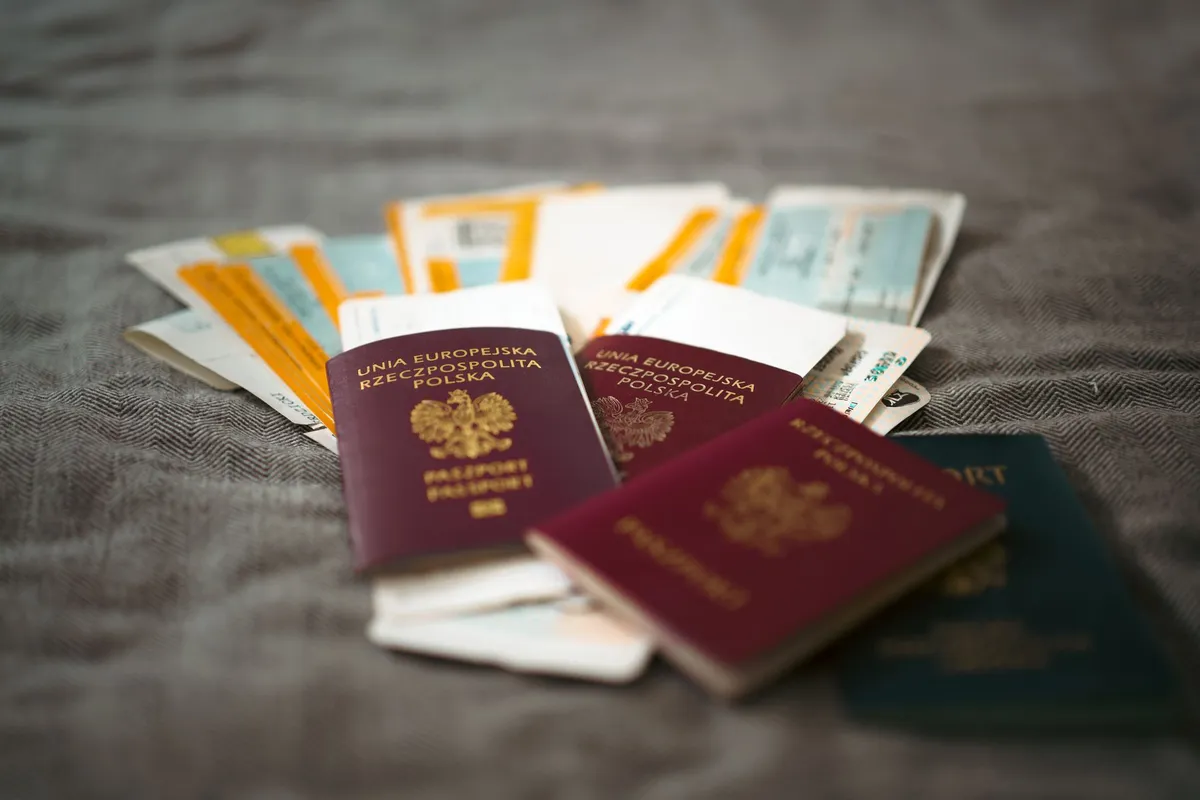
The announced ETIAS fee is €20, and the authorization will be valid for three years or until your passport expires. The launch, previously expected for late 2026, has been pushed to 2027 with no set date, according to eu-LISA, the agency that operates the system (InsideFlyer, Jul/2026). The step-by-step and exemptions are in the ETIAS guide for Brazilians.
How to avoid getting stuck in the immigration line with the EES?
Allow extra time for immigration on your first entry after the EES and on connections that involve changing Schengen areas. The system’s rollout caused long lines and even missed flights at major European airports in 2026 (InsideFlyer, Jul/2026).
- Connections: if your first landing in Europe is a connection, immigration happens there — aim for layovers of at least 2 hours when booking. On FlipMilhas you can compare times and prices in cash or miles.
- Passport: travel with a passport valid for more than three months beyond your planned departure date and issued within the last 10 years, the general Schengen Area rule.
- Documents at hand: return ticket, hotel reservations and proof of insurance. The border may ask for insurance with minimum medical coverage of 30,000 euros; compare a plan on Seguros Promo using your travel dates.
- Scams: there’s no “paid pre-registration” for the EES; sites that charge for it, or for an ETIAS that hasn’t opened yet, are not official.
If your flight is delayed because of the line or another issue, passenger rights are covered in the guide to flight delays in Europe; for your travel money, see card or cash in Europe.
Travel insurance: see where it’s mandatory and which coverage to get. The rule varies by country and by visa requirements.
To compare entry into other destinations, check out the visa-free countries for Brazilians and the online authorizations required.
 HotelAs soon as you have datesCompare neighbourhoods and guest ratings.Booking ›
Frequently asked questions
Do Brazilians need to register for the EES before traveling?
No. Brazilians don’t need to register or pay anything before traveling because of the EES: registration happens right at the border, on your first entry into one of the 29 countries that use the system, with a facial photo and fingerprints. Some countries offer kiosks or an app to submit data in advance, but they’re optional.
Are passports still stamped in Europe?
Not in the 29 countries that use the EES. Since April 10, 2026, when the system became operational at all external borders, manual passport stamps were abolished, and entries and exits are recorded electronically. Cyprus and Ireland, which don’t use the EES, still stamp.
Do I need a biometric passport because of the EES?
No. The EES accepts both biometric (chipped) and non-biometric passports, and entry isn’t denied for that reason, according to the European Union. The difference is that, with a chipped passport, you can use the automated kiosks on subsequent trips, where available.
Are the EES and ETIAS the same thing?
No. The EES is the electronic record of entries and exits made at the border, in operation since 2026. ETIAS is a travel authorization that Brazilians will have to apply for online before boarding, with a 20-euro fee, but it hasn’t started yet: the European Union has no start date, and the expectation is 2027.
Conclusion
For Brazilians, the EES changes the process, not the rules: there’s no registration or fee, your face and fingerprints are recorded at the border, and the 90-days-in-180 limit remains — now counted by the system. The next step is ETIAS, expected in 2027, and Voyage Voyage will update both guides when the European Union announces the date.