 Marcelo Oliveira
Bangkok tends to shatter two expectations at once: that the city is too chaotic to make for a good itinerary, and that you can “knock out” Thailand’s capital by sprinting from temple to temple. Once you pick the right neighborhoods, use the river and the rail system to your advantage, and set aside time for markets and food, the city flows much more smoothly.
Hotels in Bangkokfree cancellation options onlySee hotels ›Booking.com partner (advertising): we may earn a commission at no extra cost to you.
For a first trip, Bangkok works best with 4 or 5 days, splitting your base between Sukhumvit, Siam, or the river area, and an itinerary that mixes temples, markets, boats, street food, and a short escape. That way you see the essentials without spending your whole trip stuck in traffic.
Getting to Bangkok and out of the airport stress-free
Most international flights arrive at Suvarnabhumi, Bangkok’s main airport. If you want to save time and skip the first traffic jam of your trip, the Airport Rail Link is usually your best bet: it connects the airport to Phaya Thai in about 30 minutes, with fares from 15 to 45 baht depending on the station. From there, you can connect to the BTS Skytrain and head to the most convenient neighborhoods for your stay.
If your hotel is near the river, Silom, or Siam, the train-plus-short-taxi combo beats a door-to-door car ride. For domestic flights or regional hops, Don Mueang still shows up on the map a lot. In that case, leave with a bigger buffer, because traffic between the airport and downtown can swing wildly within the same day.
Another smart move is to have your transfer sorted when you land late, arrive tired, or just want to skip street negotiations. If it fits your itinerary, you can book a guided tour in Portuguese or a transfer for a smoother arrival and save your energy for the rest of the trip.
Best time to go and how many days to stay
Bangkok is hot year-round, but the trip feels more comfortable between December and February, when the city typically sees less rain and slightly more bearable temperatures for walking around. From March to May, the heat really hits hard, and from May to October, more frequent downpours roll in—they don’t always ruin the day, but they do change the pace.
For most people, 4 full days are enough to put together a really solid first impression; 5 days leave room for a big market, a river cruise, and a short escape without turning everything into a race. Less than that still works, but you’ll have to pick between temples, shopping, and day trips.
If you’re planning to use Bangkok as a base before heading to the islands or Chiang Mai, two nights will feel tight. The city pays off better when you stay at least three nights and accept that Bangkok isn’t just a “gateway”: it holds its own as a full trip, with food, urban energy, and cultural contrast that few Asian capitals deliver at the same level.
What to see in Bangkok on a first itinerary
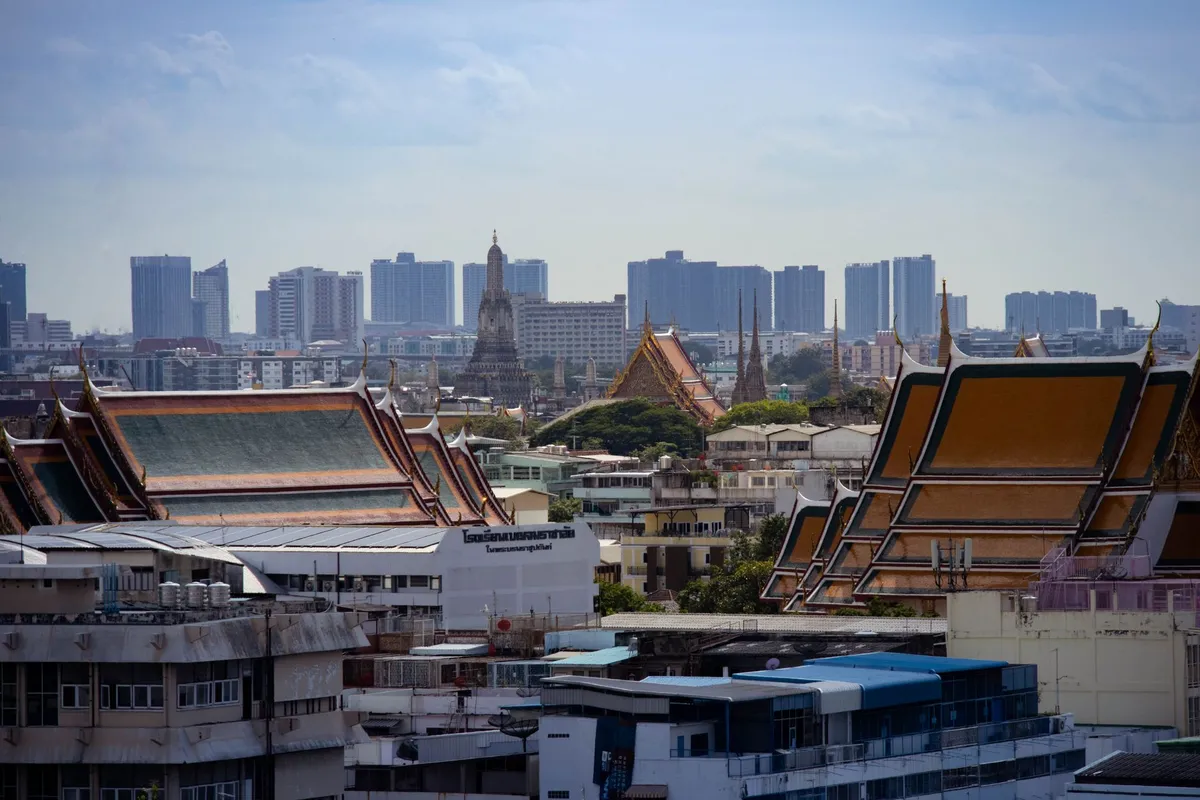
The first block of the itinerary usually revolves around historic Bangkok. Start early at the Grand Palace and the Wat Phra Kaew complex, because the area fills up fast. On the palace’s official website, tickets are sold from 8:30 AM to 3:30 PM for 500 baht, so it’s worth arriving at opening time to see everything with less crowding and less heat.
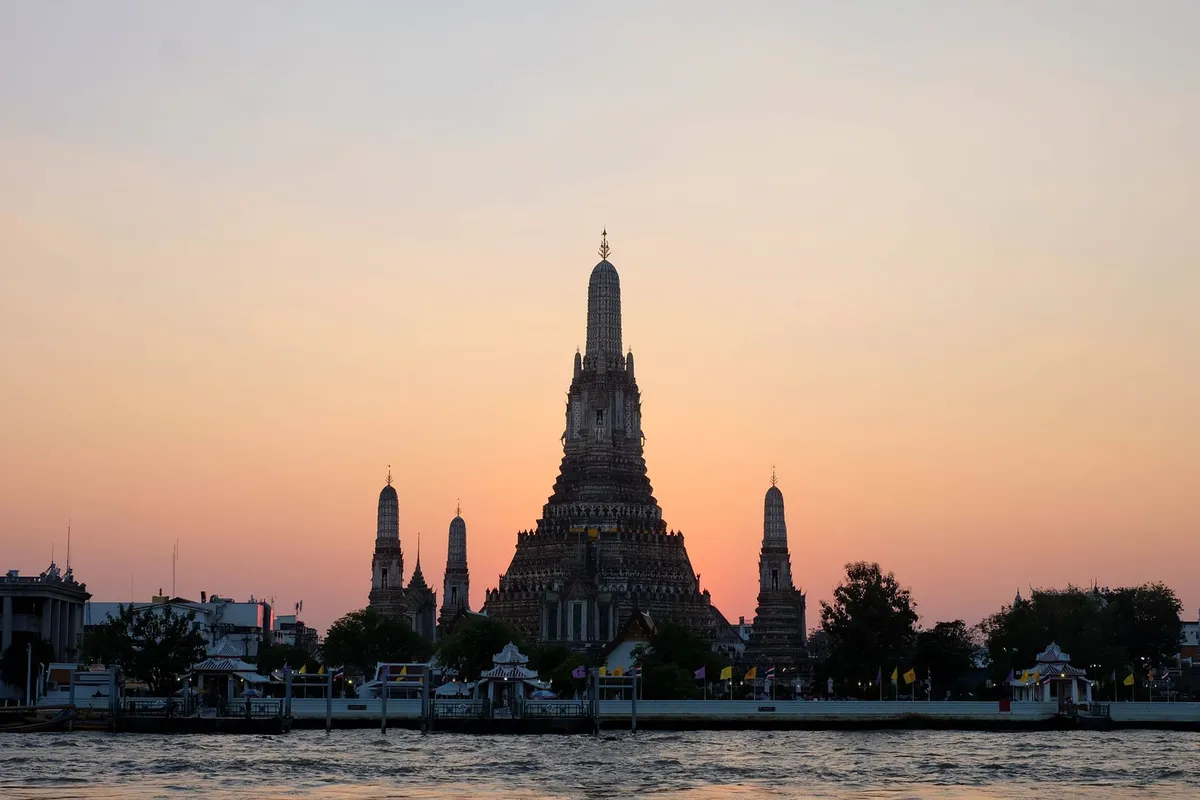
In the same stretch along the river, fit Wat Pho and Wat Arun into the same day. Wat Arun, on the other side of the Chao Phraya, has a silhouette that completely transforms with the late-afternoon light. The foreigner ticket shows up at 200 baht in the most recent info published about the temple, and the climb rewards you with one of the city’s most striking views.
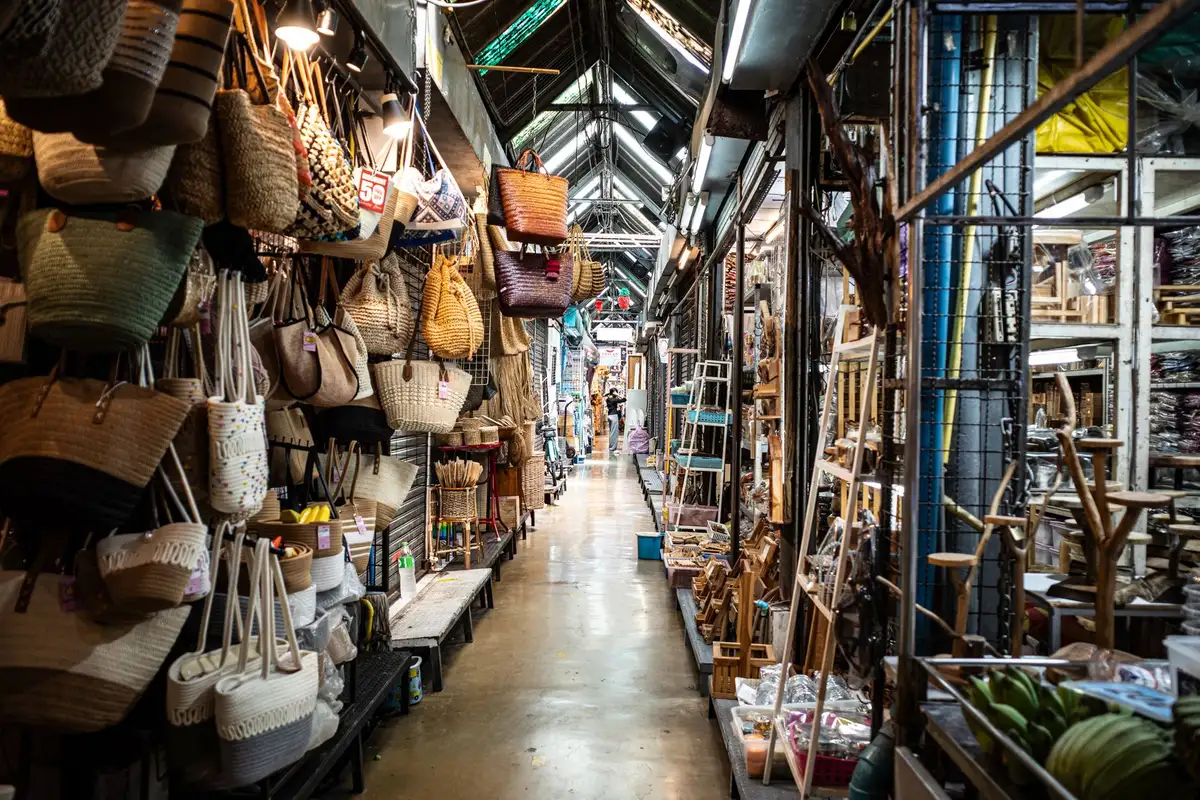
In the second block, swap the monumental axis for the urban one: Siam for malls and connections, Chinatown for food and nighttime buzz, and a big market to feel the city working outside the photo circuit. Chatuchak fits in great on weekends; during the week, Chinatown and the flower and street markets do the job better.
The river also counts as both an attraction and a shortcut. Boarding at Sathorn Pier, connected to the BTS at Saphan Taksin, helps you stitch together Wat Arun, Wat Pho, and the historic area without getting stuck in traffic. When the city is gridlocked, boat plus rail almost always beats a taxi.
 Partner · Civitatissee all activities in Bangkok ›
Bangkok Railway Market & Floating Market Day Trip + Train Ride
Rating 9.5 · 62 reviews on Civitatis
- Bangkok: Grand Palace, Flower Market & Temples TourRating 7.5 · 4 reviews on Civitatisfrom€52.49per personSee ›
- Chao Phraya River Dinner CruiseRating 7.9 · 201 reviews on Civitatisfrom€31per personSee ›
- Bangkok Sightseeing BusRating 7.1 · 71 reviews on Civitatisfrom€23.27per personSee ›
- Railway Market, Floating Market, & Ayutthaya Ruins Day TripRating 9.4 · 52 reviews on Civitatisfrom€57.96per personSee ›
Civitatis prices on 28/09/2026, from, per person. They may change. Want to compare? Activities in Bangkok on GetYourGuide ›
If you like exploring a city with local guidance right at the start of your trip, a themed tour helps unlock Bangkok quickly. For the tastiest stretch of the capital, it makes sense to book a Chinatown food tour, which usually works out better than trying to decode everything on your own on the first night.
What to pair with Bangkok
Bangkok pairs well with three types of extensions. The first is historic: Ayutthaya, which makes for a solid day trip if you want ruins and an older slice of Thailand. The second is scenic: floating markets and the famous train market, which work best when you know they’re more of an organized outing than a spontaneous discovery. The third is relaxation: using the capital as a gateway and then heading to the beach or the mountains.
If you’re after an experience outside the center without complicating the logistics, it’s worth booking a floating markets tour departing from Bangkok. It fits especially well on day four or five, when you’ve already seen the urban side and want a change of scenery.
For those who like comparing Asian capitals, Bangkok pairs beautifully with destinations Voyage has already covered in depth, like Tokyo between technology and temples, Seoul between tradition and modernity, and Istanbul between mosques, markets, and water. They all help calibrate expectations around pace, scale, and cultural layers.
Where to eat well in Bangkok
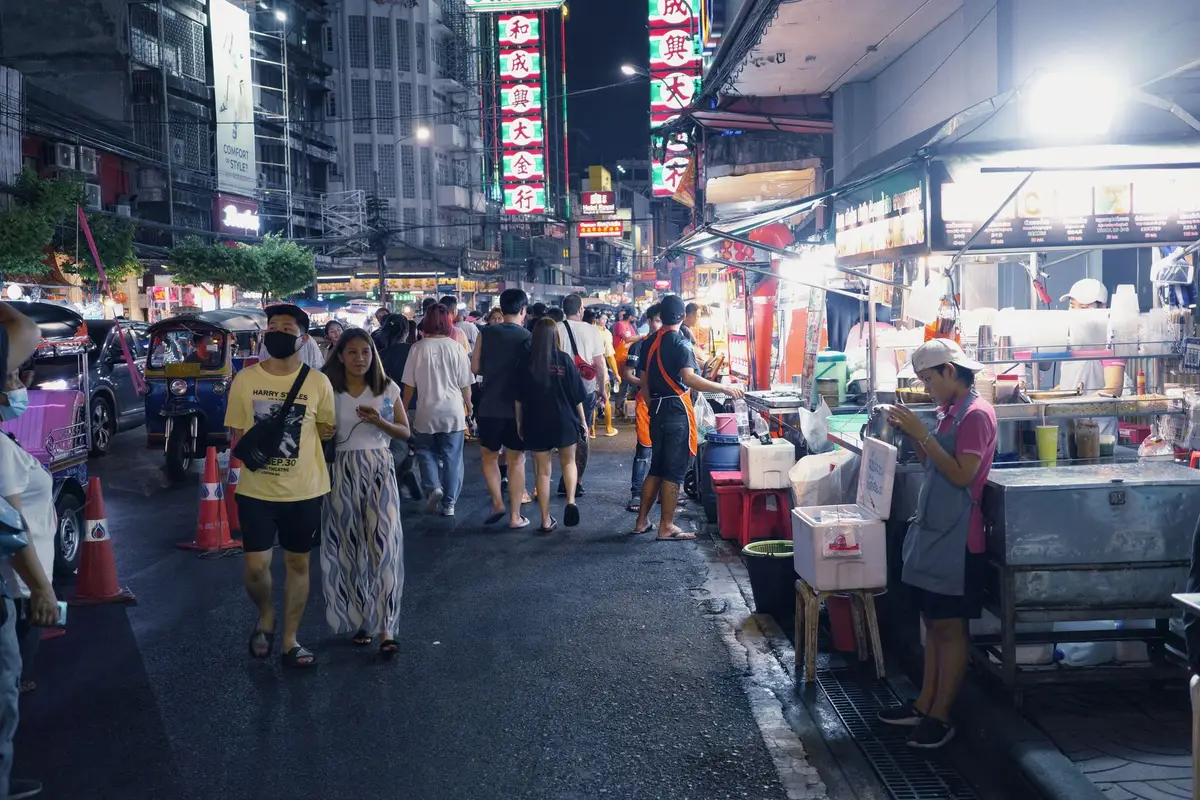
Bangkok is one of those cities where eating isn’t a break in the itinerary—it *is* the itinerary. Chinatown at night is a classic for a simple reason. In a single stroll, you’ll pass grilled seafood, noodles, icy desserts, curry stalls, and corners where the smell changes every 20 meters. Don’t try to “find the best place in the city” on your first night; pick a busy street, watch the flow, and follow whatever looks alive.
If you’d rather eat at a market, Chatuchak has a bit of everything on the weekends, while malls like Siam Paragon and Iconsiam are great for an air-conditioned break with a solid food court. And if you’re after more polished Thai cooking without falling into tourist traps, you’ll find good options in Ari, Silom, and the smaller streets of Sukhumvit.
The rule that helps most in Bangkok is this: if a place turns tables fast, smells great, and has a short menu, your odds of a hit go way up. When it comes to street food, ordering a little and going back for more beats sitting down at a mediocre restaurant and paying double.
To build your foodie repertoire before the trip, it’s also worth exploring destinations where food and city go hand in hand, like Bali between temples, beaches, and culture and Vienna with an itinerary and coffee breaks, even though Bangkok plays in a different key: more street, more heat, more improvisation, and more intensity.
Where to stay without missing the mark
For a first trip, Sukhumvit remains the most practical bet. The neighborhood has the BTS nearby, tons of hotel options, restaurants at every price point, and easy access to many parts of the city. Siam works great if you want to be in the middle of the connections and don’t mind a more commercial vibe. Silom and Sathorn are strong picks for those who want a more urban, slightly more organized Bangkok.
The riverside area, on the other hand, delivers atmosphere and views—especially if you want to wake up near temples, boats, and more special hotels. The cost goes up, but the pace of the trip changes. Khao San Road, by contrast, only makes sense if your focus is backpacker nightlife; for a more balanced itinerary, it tends to wear you out more than it helps.
A simple way to decide is to look at your real priority. Want mobility? Stay near the BTS or MRT. Want river views and prettier pauses? Sleep near the Chao Phraya. Want shopping, malls, and easy connections? Siam has you covered. The most common mistake is booking a hotel that’s too cheap and too far from the rail, then paying the difference in lost time.
Where to stay in Bangkok
| Hotel | Rating | |
|---|---|---|
| Carlton Hotel Bangkok SukhumvitSukhumvit · On Sukhumvit Road, 491 | 9,35.667 reviews | See prices |
| ibis Bangkok Sukhumvit 24Sukhumvit · On Sukhumvit 24 Road, 5/1 | 8,42.156 reviews | See prices |
| LiT BANGKOK HotelSiam · On Soi Kasemsan 1, Rama 1 Road, 36/1 | 8,92.216 reviews | See prices |
| ibis Bangkok SiamSiam · On Rama 1 Road, Wangmai, Pathumwan | 8,23.130 reviews | See prices |
| ASAI Bangkok SathornSilom / Sathorn · On North Sathorn Road, Soi Sathorn 12, 195 | 9,11.288 reviews | See prices |
| ibis Styles Bangkok SilomSilom / Sathorn · On Silom Road, 289 | 8,92.977 reviews | See prices |
| Riva Arun BangkokChao Phraya River / Rattanakosin / Wat Arun · On Maharaj Road, 392/26, Phra Nakhon | 9,1497 reviews | See prices |
| Ibis Bangkok RiversideChao Phraya River / Rattanakosin / Wat Arun · On Soi Charoennakhon 17, 27, Khlong San | 8,25.053 reviews | See prices |
Booking.com rating on 30/09/2026
Practical tips to make your trip go further
Bangkok is better when you structure your days by theme, not by neighborhood. Group the Grand Palace, Wat Pho, and Wat Arun into the same block. Save Siam and shopping for another day. Keep Chinatown for the evening. And if Chatuchak makes the cut, protect that time slot—the market demands patience, water, and light footwear.
Wear clothes that respect the temples—especially covered shoulders and knees when the Grand Palace is on the agenda. Bring cash for small purchases and street stalls, though cards and QR codes are increasingly common. And don’t underestimate the heat: two bottles of water, an air-conditioned break, and an early start change the experience a lot.
For getting around, the basics work: BTS and MRT to cross the city, the boat for the historic core, and a car only when it really makes sense. The official BTS Skytrain website helps with route planning, while the Grand Palace is one of the few visits where it’s worth double-checking hours and rules the day before. As for visas, Brazilians usually travel for tourism under a favorable short-stay rule, but always confirm the current requirement before you fly, because that can change.
 HotelAs soon as you have datesCompare neighbourhoods and guest ratings.See hotels ↑
- ActivitiesBefore you travelBook ahead the ones with limited spots.Civitatis ›
 More activitiesTo compareTickets, day trips and tours with flexible cancellation.GetYourGuide ›
Frequently asked questions
How many days should you spend in Bangkok?
For a first trip, 4 days usually strike a good balance between temples, markets, city life, and one extra outing. With 5 days, you can explore the city more leisurely or add a day trip.
What’s the best time to visit Bangkok?
The period between December and February is usually the most comfortable, with less rain and slightly milder heat. Still, Bangkok stays hot, so the secret is to start early and avoid the middle of the afternoon for long walks.
Where should you stay in Bangkok on a first visit?
Sukhumvit is the most practical choice for mobility, food, and hotels across price ranges. Siam works for those who want connections and shopping, while the riverside area offers a more scenic, less utilitarian experience.
Is Bangkok expensive for Brazilian tourists?
It lets you spend little or a lot. Public transport, street food, and mid-range hotels keep costs in check; what really adds up is usually high-end hotels, rooftop bars, and frequent car transfers.
Do Brazilians need a visa to enter Thailand?
Tourism rules are usually favorable, but visa requirements and maximum stay limits can change. Before you fly, confirm the latest official guidance with the consulate or the Thai government’s official channels.
Conclusion
Bangkok gets better the moment you stop trying to beat it and start going with its flow: early mornings at temples, late afternoons on the river, evenings at a market or in Chinatown, a hotel near the rail line, and room to improvise. If that’s your kind of city, Voyage Voyage will likely convince you to stay one more day.