Bangkok’s Chinatown, or Yaowarat, is Thailand’s oldest Chinatown — over 240 years of history packed into a single street that transforms into a street food hotspot every night. If you want to know where to eat, how to get there, and when to go without getting lost in the crowd, here’s your practical guide.
Bangkok’s Chinatown (Yaowarat) is in the Samphanthawong district, just minutes from the Grand Palace, and becomes the city’s street food hub from 6 PM onward. The main artery, Yaowarat Road, is packed with seafood stalls, dim sum, and Michelin-recognized dishes, plus temples like Wat Traimit. The MRT Wat Mangkon station drops you 30 seconds from the action — there’s no direct BTS access.
| Food prices | Street food: 40-150 baht; sit-down restaurant meal: 150-500 baht per person (May 2026) |
|---|---|
| Neighborhood entry | Free — you only pay for what you consume |
| Stall hours | ~4 PM to midnight; restaurants 10 AM-10 PM (2026) |
| Best time to go | 6:30-9 PM for peak buzz; before 9 AM for the morning market vibe |
| How to get there | MRT Blue Line, Wat Mangkon station (BL29), Exit 1 |
| Address | Yaowarat Road, Samphanthawong, Bangkok — check details on the official Tourism Authority of Thailand website |
What is Bangkok’s Chinatown and why is it worth visiting?
Bangkok’s Chinatown is the city’s oldest and one of the world’s largest Chinatowns, with over 240 years shaping the cultural identity of the Thai capital. The heart of it all is Yaowarat Road, lined with red and gold neon signs, gold shops, traditional Chinese pharmacies, and a density of food stalls per square meter that’s hard to find anywhere else in the city.
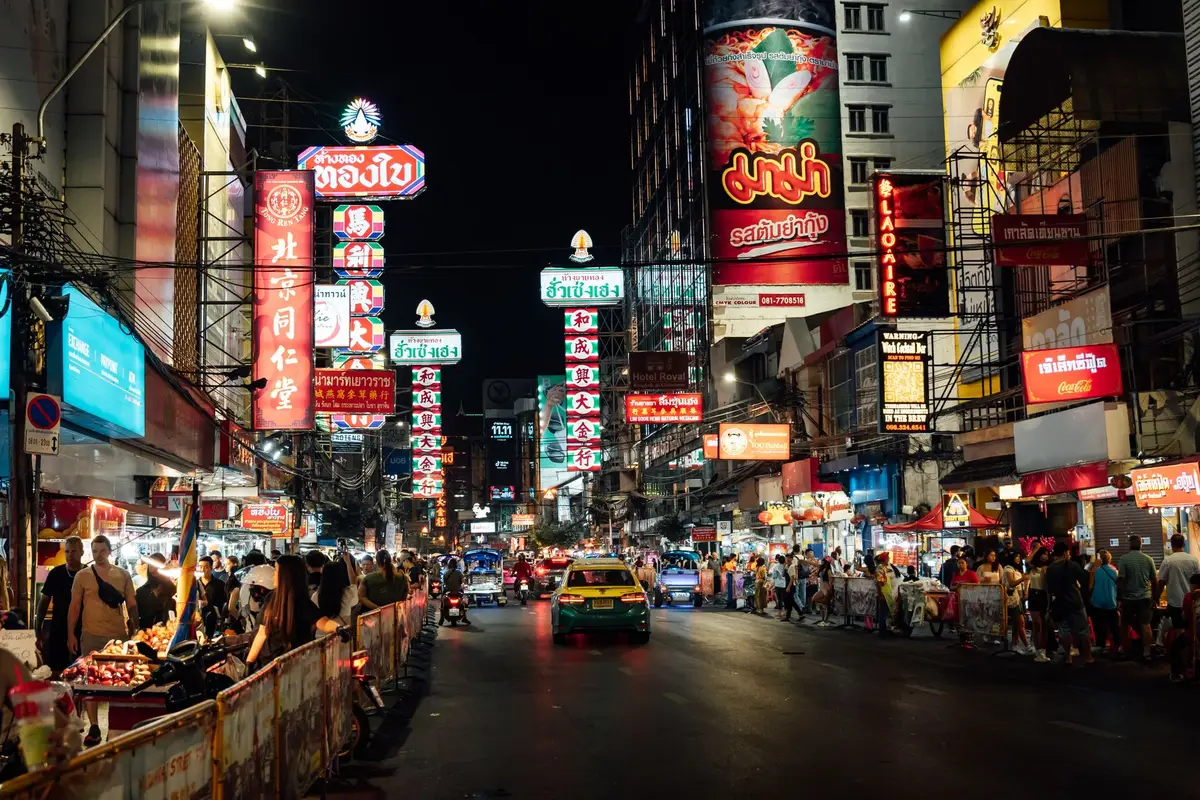
By day, the neighborhood functions as a commercial hub — gold, textiles, medicine. At night, it turns into an open-air food fair that stretches along the entire Yaowarat Road. It’s worth the visit because it packs history, religion (Chinese and Buddhist temples side by side), and Bangkok’s most photographed street food scene into a 20-minute walk. For context on the whole city, also check out the complete Bangkok itinerary without the rush.
How to get to Bangkok’s Chinatown: MRT, BTS, or boat?
The most direct way is the MRT Blue Line to Wat Mangkon (BL29) station: take Exit 1, turn left, and you’re on Yaowarat Road in about 30 seconds. Chinatown has no direct BTS Skytrain connection — if you’re on a BTS line, you’ll need to transfer to the MRT at an interchange station (like Sala Daeng or Si Lom).
Another option is Hua Lamphong station, also on the Blue Line, a good alternative if you’re coming from the central train station area. For a scenic arrival, you can take a boat to the Ratchawong pier on the Chao Phraya River — the walk from the pier to the market is short and passes through alleys that are an attraction in themselves. Check the line maps on the official Bangkok MRT website before you head out.
| Option | Time to the heart of the neighborhood | Best for |
|---|---|---|
| MRT Wat Mangkon | 30-second walk | those already on the Blue Line, the fastest option |
| MRT Hua Lamphong | 10-15 min walk | those coming from the central train station |
| Boat to Ratchawong | 5-min walk from the pier | a scenic river arrival, combining with other boat trips |
What’s the best time to visit Chinatown and its street food?
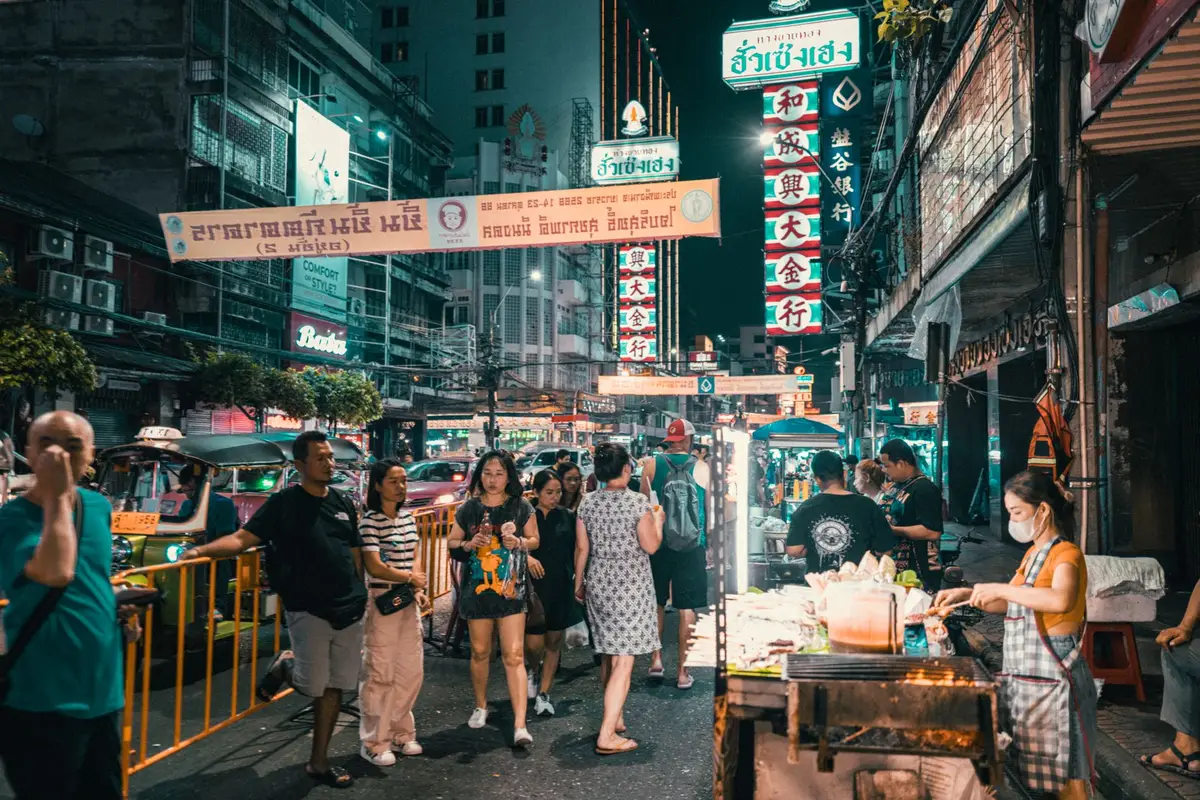
The prime time for street food in Yaowarat is between 6:30 PM and 9 PM, when most stalls are up and running and the crowds are at their peak — including the Michelin-recognized stands, which tend to form lines during this period. Stalls open around 4 PM and run until midnight; sit-down restaurants operate from 10 AM to 10 PM (2026 data).
If you prefer fewer people, arrive before 9 AM to catch the market vibe and shop at the morning food stalls, or go on a weekday night instead of Friday or Saturday — weekends tend to pack the narrow streets.
What to eat in Yaowarat: must-try dishes and stalls?
Yaowarat is known for its blend of traditional Chinese cuisine with Thai street food: dim sum, roast duck, grilled prawns, steamed fish with lime and chili, tom yum, and oyster omelets are among the most-ordered dishes.
Save some appetite for Soi Texas, the neighborhood’s most legendary seafood alley, famous for its giant live crabs, grilled lobster, and shrimp paste fried rice. Other classics: Kway Chap (a peppery soup with pork offal and rolled noodles), guay jub (rolled noodle soup), and the Nai Mao stalls, famous for their duck soup with Chinese herbal broth. Several stalls and restaurants in Yaowarat hold Michelin Bib Gourmand or are featured in the Michelin Guide — it’s worth asking local vendors which stand is on this year’s list.
How Much Does Street Food Cost in Bangkok’s Chinatown?
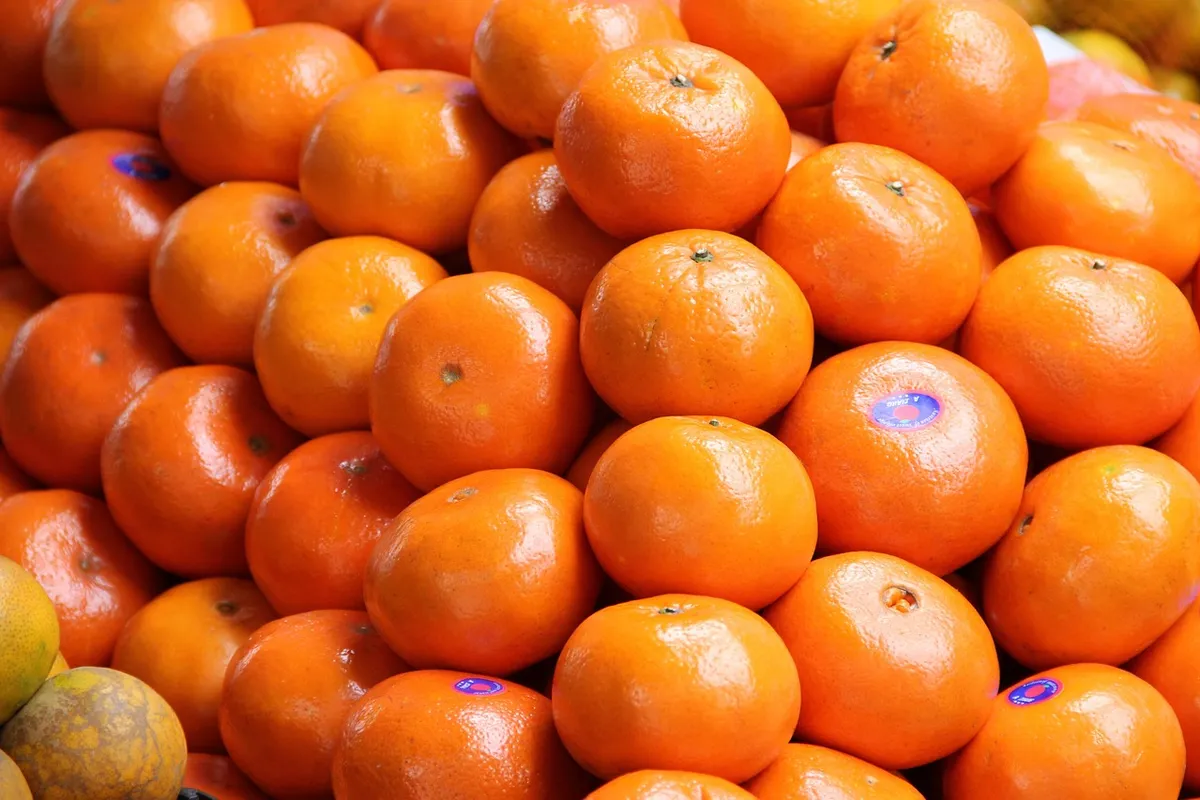
Individual street food dishes run between 40 and 150 baht (about $1.10 to $4.20 USD, May 2026 exchange rate); a full meal at a sit-down restaurant in the neighborhood will set you back 150 to 500 baht per person. For reference on specific items: a basket of har gow (shrimp dim sum) costs between 30 and 50 baht, and a bowl of guay jub ranges from 50 baht (regular) to 100 baht (large).
In practice, a night of “food crawling”—sampling 4 or 5 different stalls—will run you between 300 and 600 baht per person (about $8.40 to $16.80 USD, May 2026), not including drinks. Bring cash: most stalls don’t accept cards, and ATMs are concentrated on the main road.
Is a Free Tour or Guided Tour of Chinatown Worth It?
It depends on your style: if you prefer a ready-made itinerary and don’t want to waste time picking stalls, a guided night tour is worth it—especially since many include stops down alleys that only someone who knows the neighborhood could find on their own. If you like wandering at your own pace and choosing by smell, Yaowarat is easy to explore solo: it’s one main street, hard to get lost.
A good test before you buy: be wary of tours that sell “access” to famous restaurants by name-dropping Michelin or Jay Fai without a real connection to the tour—travelers report on forums that this is often just marketing. Prefer operators with recent reviews and an itinerary that details the stops.
For a different perspective on the neighborhood, consider the night tuk-tuk tour of Chinatown, which weaves the food spots together with the rest of the historic district in just a few hours.
What to See Beyond the Food: Temples and Streets of Chinatown
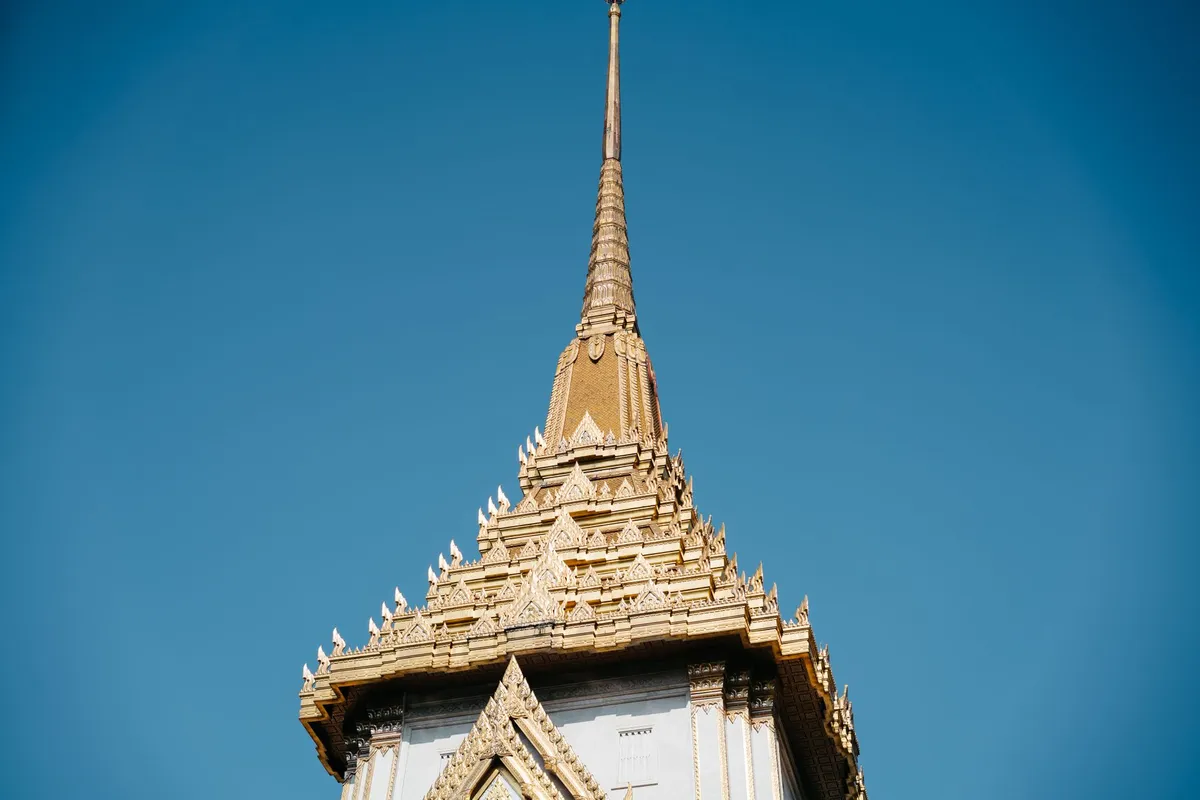
The neighborhood’s most visited temple is Wat Traimit, the Temple of the Golden Buddha, which houses the world’s largest solid gold Buddha statue—5.5 tons. Entry to the main hall costs 40 baht; the museum covering the statue’s history and Chinatown’s costs an additional 100 baht and is closed on Mondays. The temple is open from 8 AM to 6 PM (2026 data) and is just a few minutes’ walk from Hua Lamphong station.
It’s also worth strolling through Sampheng Lane, a narrow, maze-like wholesale market, and setting aside time for the alleys parallel to Yaowarat Road, where you’ll find traditional gold shops and smaller Chinese temples. If you have time to spare, the neighborhood is a short taxi or tuk-tuk ride from the Grand Palace, making it easy to combine both visits in one day—and it pairs perfectly with the rest of this stress-free Bangkok itinerary.
Real total cost of a day in Chinatown: factoring in the Wat Traimit ticket (140 baht with museum) + a 4-5 stall food crawl (400 baht) + round-trip MRT fare (~60 baht), the total comes to around 600 baht per person (about $16.80 USD, May 2026)—one of the most affordable outings in Bangkok considering how much it delivers.
Gotchas and What Nobody Tells You About Chinatown
- Many stalls are cash-only—bring small baht bills, as ATMs are concentrated on the main road and charge a fee per withdrawal.
- Watch out for tours that use the “Michelin” or “Jay Fai” name in their marketing without any real connection to the itinerary—it’s a recurring complaint on travel forums.
- Weekend nights get packed: if you’re not a fan of crowds, go on a weekday or in the morning.
- The heat and concentrated smell of frying can be overwhelming for those not used to it—eat gradually instead of trying everything at once.
- Cars and motorbikes still weave through the streets even with the stalls set up—be careful when crossing.
Frequently Asked Questions
Is Bangkok’s Chinatown safe at night?
Yes, Bangkok’s Chinatown is considered safe at night, especially since it’s one of the city’s busiest and best-lit areas. The same precautions apply as at any crowded tourist spot: keep an eye on your belongings in the crowd and be careful crossing streets with traffic.
Do you need cash in Chinatown?
Yes, most street food stalls in Chinatown only accept cash in baht. ATMs are available along Yaowarat Road, but bring small bills to speed up your purchases at the stalls.
Is Bangkok’s Chinatown close to the Grand Palace?
Chinatown is a short distance from the Grand Palace—about 10-15 minutes by taxi or tuk-tuk—so you can easily visit both in the same day without much hassle.
How much time should you set aside to visit Chinatown?
Set aside 2 to 3 hours to explore Chinatown at a relaxed pace, including a stop at Wat Traimit and a food crawl through a few stalls on Yaowarat Road.
Conclusion
Bangkok’s Chinatown delivers, on a single street, the best snapshot of the capital’s Thai-Chinese food scene: cheap, lively, and easy to reach by MRT. Pair it with a visit to Wat Traimit and you’ve got one of the most complete experiences in the city without spending much. If you’re putting together a full itinerary for the Thai capital, be sure to check out the stress-free Bangkok guide here on Voyage Voyage.