To decide where to see the northern lights, choose Tromsø if you want an urban base, frequent tours, and easy logistics; choose Iceland if you prefer to combine the hunt with road trips, waterfalls, and volcanic landscapes. In both, travel between September and April, stay at least three nights, and treat the aurora as a possibility, not a guarantee.
Best window: September to April. Easiest base: Tromsø, Norway. Base for combining attractions: Reykjavík, Iceland. Book: accommodation and tours before December to February. Visa: Brazilians traveling for tourism follow current Schengen rules; confirm before booking.
Where to see the northern lights with the most infrastructure for a first trip?
Tromsø is the simplest choice for a first attempt because it concentrates hotels, restaurants, and operators downtown, letting you head out at night with a guide without driving on winter roads. Reykjavík works better for those willing to spend more time on travel and combine the hunt with an Iceland road trip.
The phenomenon has no ticket: you’re looking for darkness, clear skies, and solar activity. The advantage of a base city isn’t “buying” the aurora, but having a viable plan when the forecast changes. In Tromsø, the city center reduces logistics; in Iceland, getting away from Reykjavík’s lights usually makes a bigger difference.
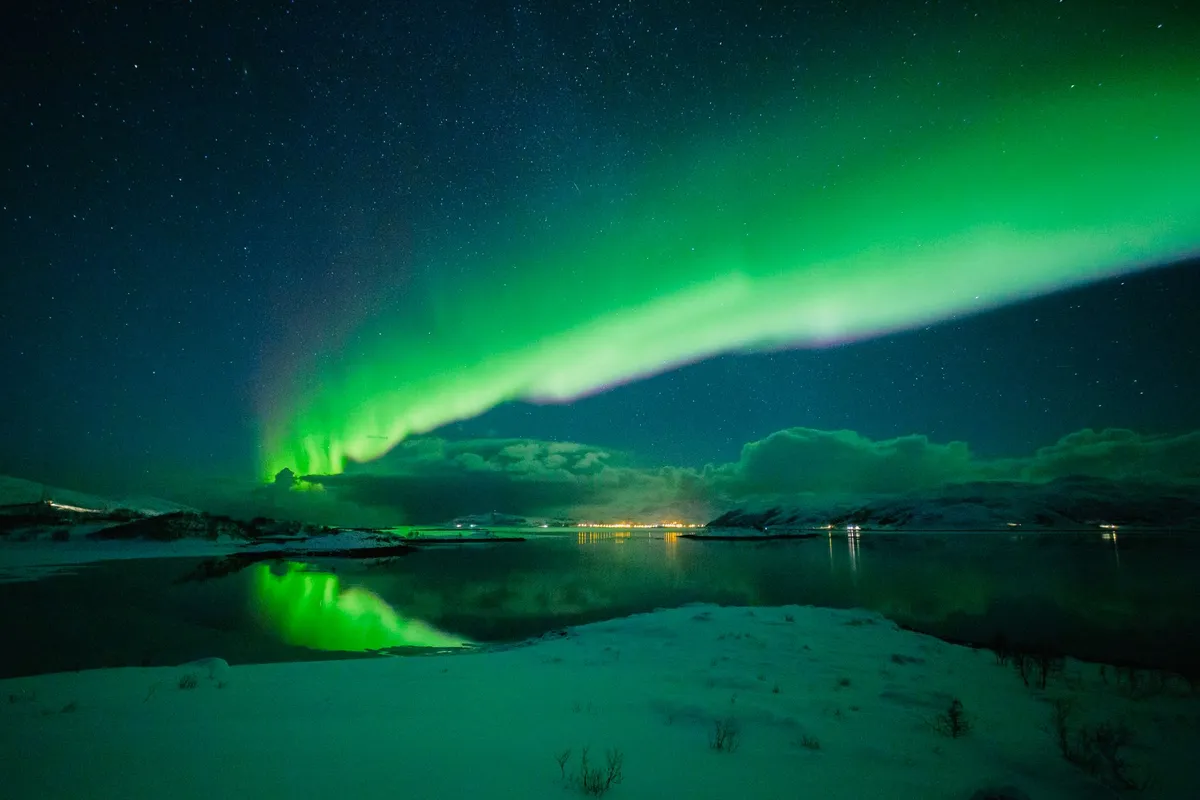
Tromsø or Iceland: which destination should you choose?
Choose Tromsø if the aurora is your top priority and you want to book a night hunt from the city; choose Iceland if the aurora is part of a larger nature trip. Visit Norway notes that winter is high season in Tromsø and suggests March and early April for fewer crowds.
| Profile | Tromsø | Iceland |
|---|---|---|
| First trip without a car | Best: tours depart from the city. | Possible with an excursion from Reykjavík. |
| Trip with other landscapes | Fjords, Sami culture, and Arctic activities. | Best: Golden Circle, south coast, and geothermal lagoons. |
| Infrastructure for a hunt night | High concentration of operators. | Good, but clouds and distance from the capital weigh more. |
| Verdict | Go if your #1 goal is maximizing nights of trying. | Go if you want a broader trip and are okay sharing the focus. |
Don’t choose based on the KP index alone. A clear-cloud forecast is worth more than high solar activity hidden under overcast skies. In Norway, the city also lets you fill your days with attractions like the 3-day Reykjavík itinerary when the forecast doesn’t help; for Iceland, use the planning from Arctic trips and winter nature as an organizational reference.
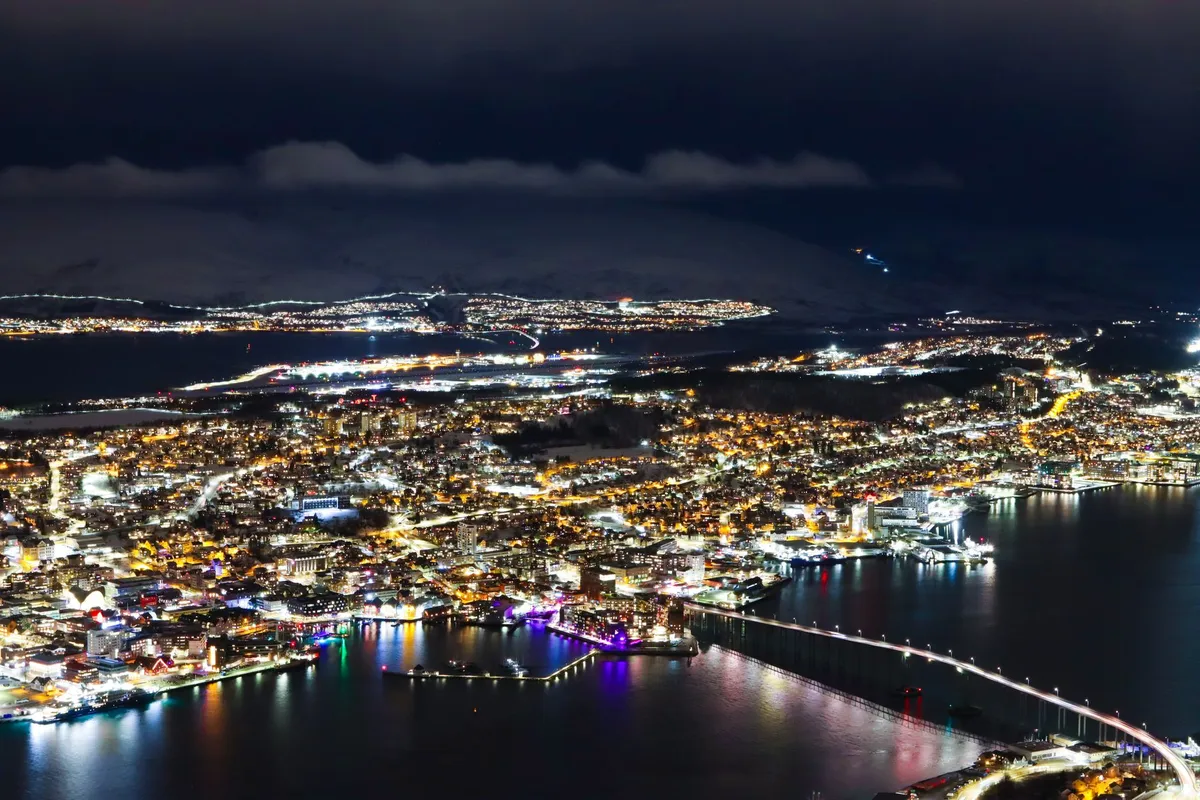
When to go to increase your chances?
For both destinations, plan your trip between September and April and book three to five nights; in Iceland, Visit Iceland points to this window for its long, dark nights. September and March are good compromises between hours of darkness, daytime scenery, and the chance of more intense activity near the equinoxes.
December to February delivers the most pronounced winter feel, but also high demand and less daylight for outings. March and early April are the best choice for those who want aurora at night and roads or attractions during the day. Stay more than one night: this protects your trip against clouds, wind, and a low-activity night.
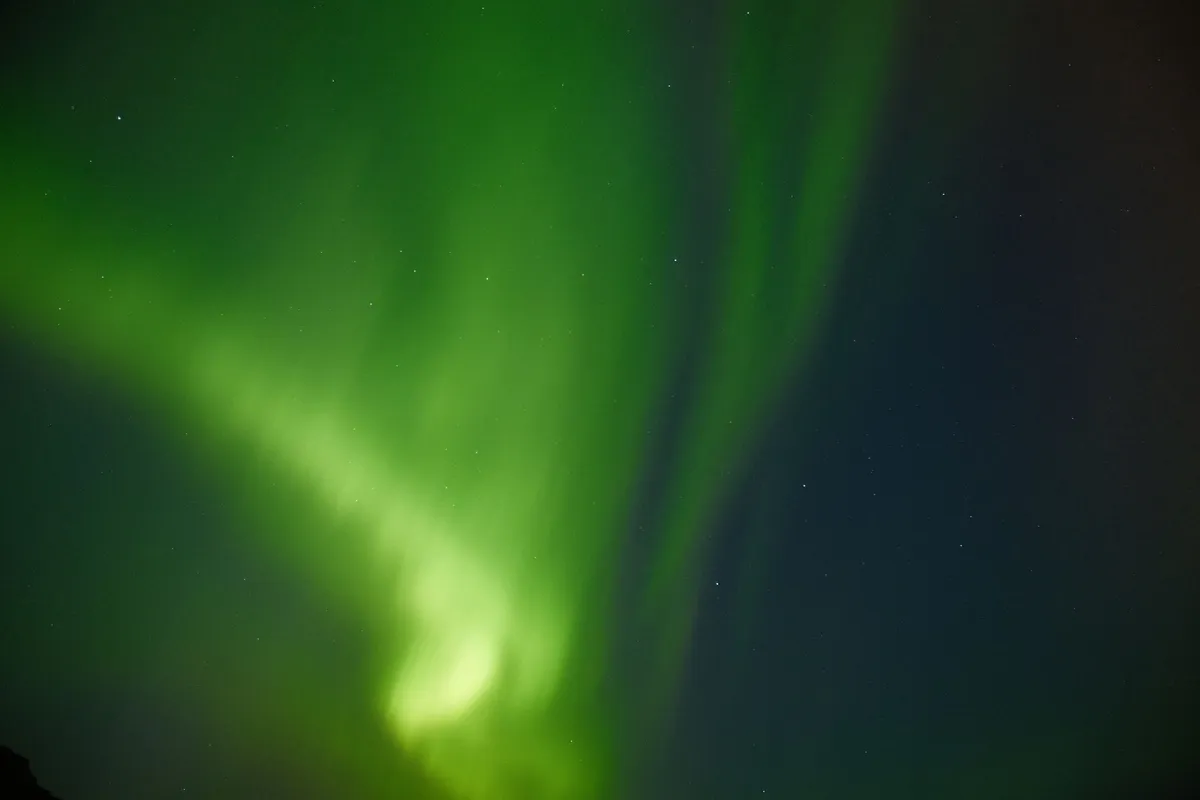
Can you see the northern lights without a car?
Yes: in Tromsø, book a tour with a central departure; the vehicle takes the group to less-lit areas and the guide changes the route based on clouds and forecast. In Iceland, take an excursion from Reykjavík or use a transfer and guided tour, avoiding driving alone in winter conditions without experience.
For non-drivers, Tromsø is the most predictable bet. A minibus tour listed by Visit Tromsø includes transport, thermal clothing, hot drinks, and photos; confirm inclusions and meeting point before paying. Bring thermal layers, a beanie, gloves, and insulated boots, even when the company lends a jumpsuit.
How much does it cost to plan a northern lights trip?
The aurora itself is free (€0.00; Aug 2026), but a paid viewing night varies based on transport, group size, and inclusions. In Tromsø, a cruise starts at 1,090 NOK (Aug 2026) and a minibus safari starts at 1,590 NOK (Aug 2026), according to official local listings; flights, accommodation, food, and clothing still factor into the budget.
As a useful range, consider €0.00 (Aug 2026) for the phenomenon itself and set aside at least 1,090 NOK (Aug 2026) for a basic experience or 1,590 NOK (Aug 2026) for a minibus hunt with inclusions. Then add flights, three to five nights, meals, and on-the-ground transport. This avoids the false precision of converting an entire trip into reais months in advance: exchange rates, airfares, and hotels change constantly.
Compare what’s included before comparing just the price. Thermal clothing, photos, return transfer, and the policy for a night without aurora can significantly change the real cost. Also check out other ideas for nature and outdoor travel to combine with your trip.
See the northern lights tour in Tromsø and compare the excursion from Reykjavík.
Frequently Asked Questions
Is the Northern Lights guaranteed on a tour?
No. Your guide can improve your odds by hunting for a break in the clouds and areas away from city lights, but cloud cover and solar activity ultimately call the shots. Check the operator’s policy for a second-chance tour and keep at least three nights open.
Which month has the best chance of seeing the Northern Lights?
September and March are strong picks because they sit close to the equinoxes, while December through February offers more hours of darkness. The smartest move is to prioritize a multi-night stay between September and April rather than betting everything on one specific date.
Do I need to book a Northern Lights tour in advance?
Book ahead if you’re traveling between December and February, when hotels and winter activities fill up faster. Outside peak season, it’s still worth booking on arrival only if the forecast allows for flexibility; always double-check the time, meeting point, and what’s included.
Can you see the Northern Lights near Reykjavík?
Yes, but the capital’s light pollution dims the viewing quality. The official advice is to seek dark, open skies, which is why a tour that leaves the urban area or a night in the countryside usually delivers better conditions.
The Bottom Line
For a first trip focused squarely on the aurora, Tromsø is the easiest call: an urban base, night tours, and less need for a rental car. Iceland wins when the lights are just one stop on a bigger itinerary. Wherever you go, pick the right window, book multiple nights, and treat the forecast as a guide — not a promise.