Reykjavík in 3 days works best as a base to see the capital, take a geothermal soak, and pick just one big excursion. Trying to squeeze the Golden Circle, Blue Lagoon, south coast, and northern lights into 72 hours is the most expensive way to spend your trip stuck inside a van.
The most realistic split is: one day for the city, one for the Golden Circle, and one for a lagoon or another short outing. Reykjavík is small enough to explore on foot; the rest of Iceland is not.
Before booking, decide whether your priority is the city, the landscape, or the northern lights: each calls for a different pace.
Getting there, where to stay, and getting around
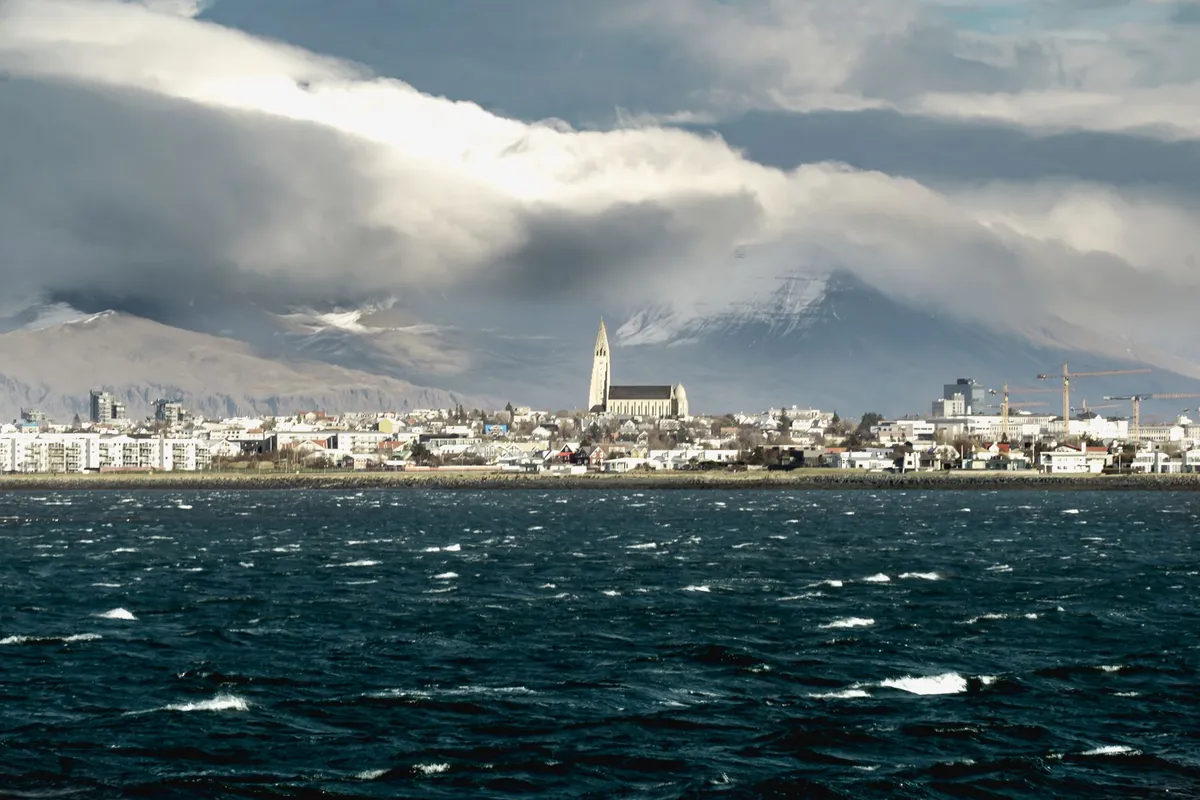
Keflavík isn’t downtown: book a transfer, bus, or car before assuming the airport is “right around the corner.” For three days, staying in 101 Reykjavík or near Laugavegur cuts down on taxi rides and lets you walk to Hallgrímskirkja, Harpa, the harbor, and restaurants. City buses help outside the center, but most of the city fits into a wind-protected walk.
Don’t rent a car just for Reykjavík. It makes sense if you plan to drive safely outside the capital, especially in summer. In winter, roads, wind, and visibility change fast. If you plan to go beyond the capital, use this complete Ring Road itinerary, with costs and best time to plan your overnight stops. Check conditions on the official road portal and attractions on Visit Reykjavík.
Day 1: Center, harbor, and bath culture
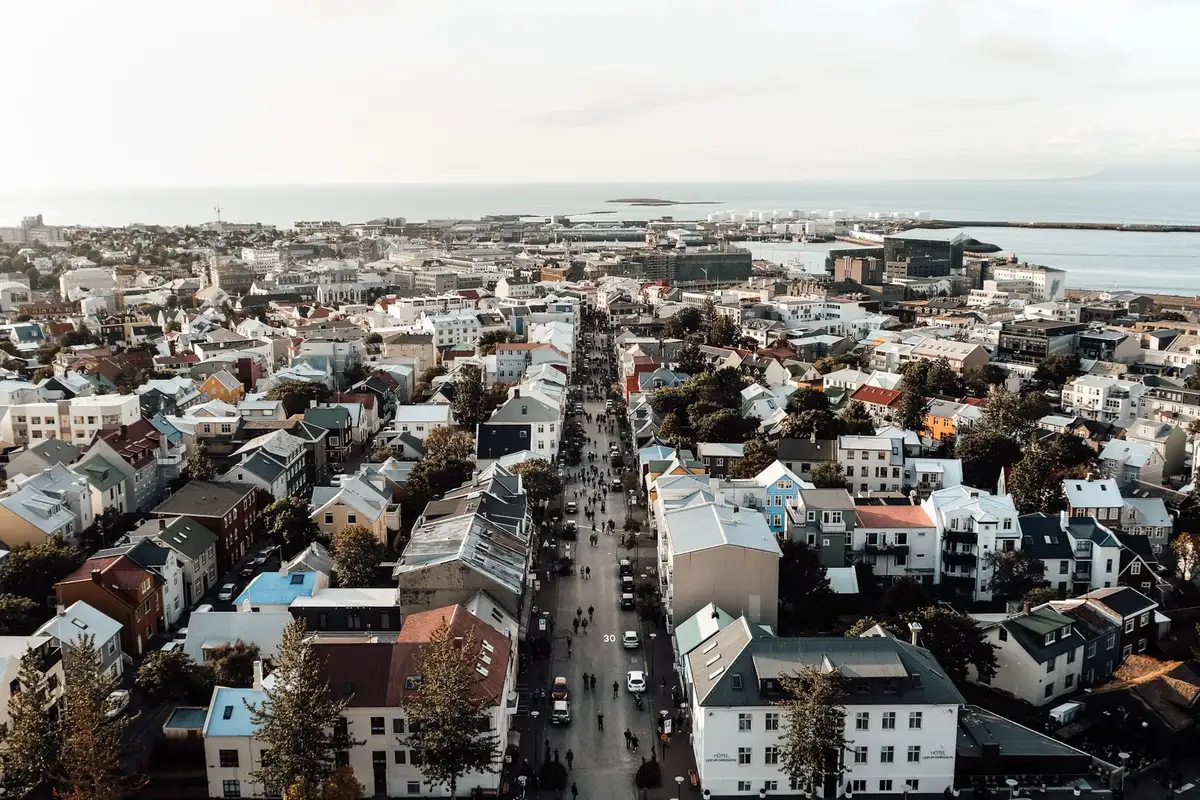
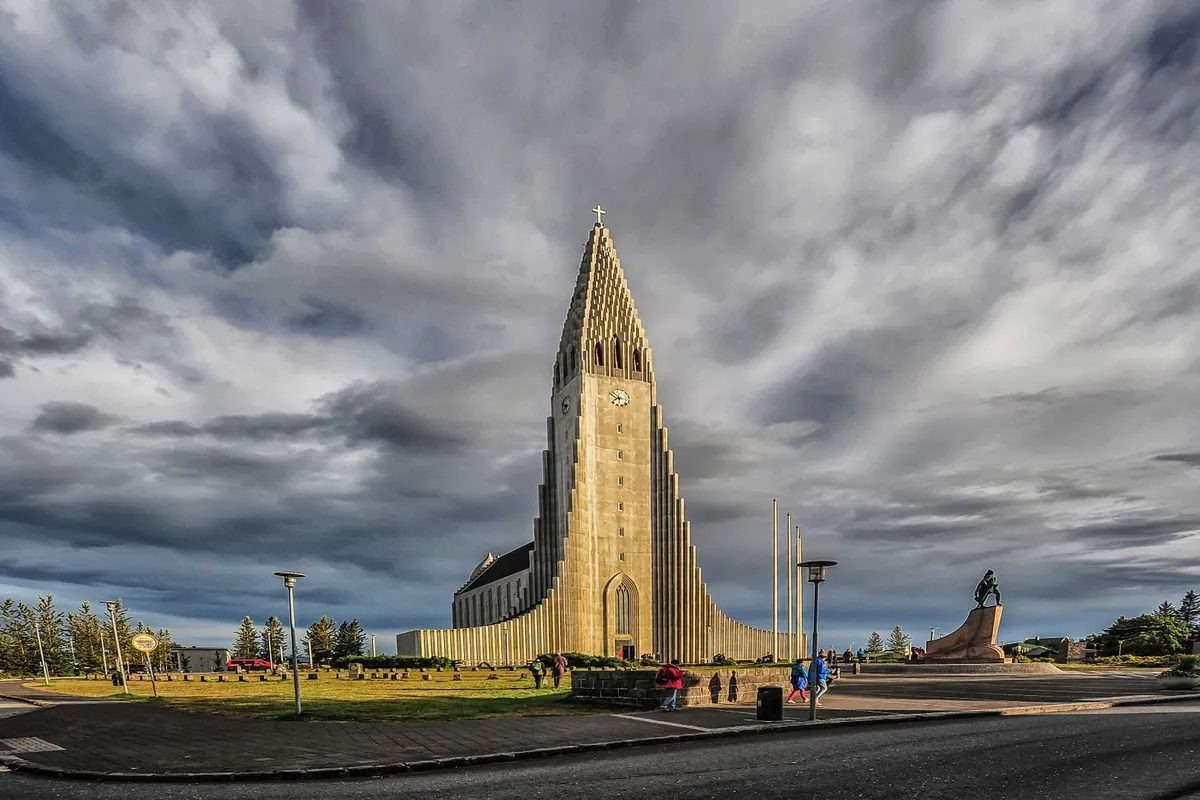
Head up to Hallgrímskirkja early, walk down Skólavörðustígur, and continue to Tjörnin, Harpa, and the Old Harbour. This route is more rewarding when you alternate architecture, cafés, and views instead of rushing between map points. The Sun Voyager fits in nicely late afternoon, with better light when the sky clears.
End the day at a public pool, not necessarily a tourist lagoon. The local geothermal bathing culture is part of the city and is usually a more budget-friendly choice. Pack your swimsuit in your daypack: a public pool beats jet lag better than one more indoor attraction.
Day 2: Golden Circle without overpacking
Thingvellir, Geysir, and Gullfoss make up the classic circuit. Leave early, accept that it’ll be a day on the road, and don’t tack on the south coast just because “it looks close on the map.” If you don’t want to drive in winter, go with a guide. Bring snacks, water, and layers; the wind chill at Gullfoss can feel very different from the capital.
The Golden Circle is worth it for the contrast between history, tectonic faults, steam, and waterfall—not for a checklist of stops. If you’re traveling in summer, set aside time to hike at Thingvellir; in winter, prioritize safety and available daylight.
Day 3: Sky Lagoon, Blue Lagoon, or northern lights
Sky Lagoon is closer to the city and fits well on arrival or before your flight; Blue Lagoon requires more logistics and a reserved time slot. Neither automatically replaces the other. The Blue Lagoon tour from Reykjavík is handy if you want an organized transfer. Confirm access and hours on the day, since geological conditions can change operations.
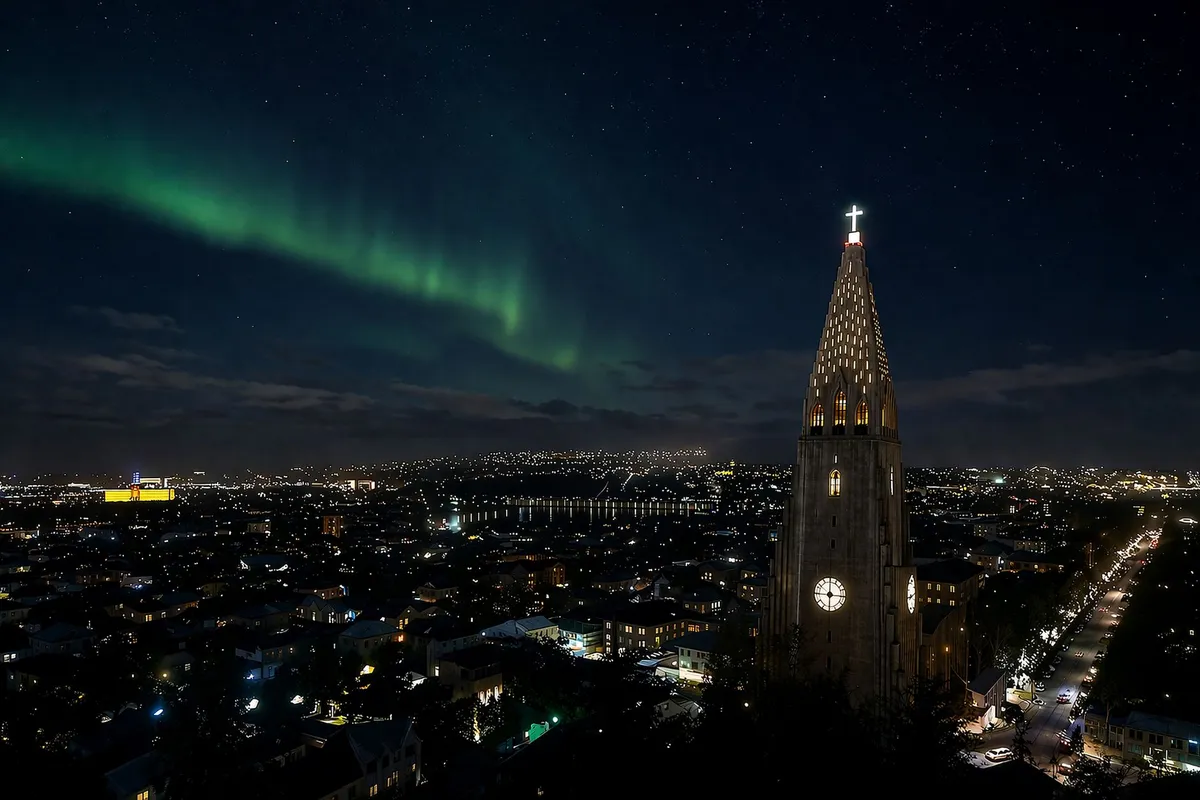
The northern lights are never a guarantee. Check clouds and activity, keep your evening flexible, and don’t sacrifice a whole day for a bad forecast. An aurora tour buys logistics, not a clear sky.
If the aurora is your trip’s top priority, compare Tromsø vs. Iceland for seeing the northern lights, choosing the season, and estimating costs before locking in your nights in Reykjavík.
Best time, costs, and what to skip
Summer brings long days and easier driving; winter offers aurora nights but cuts daylight and raises the risk of bad weather. Reykjavík is pricey: supermarkets, bakeries, and public pools balance your budget better than trying to eat cheap at tourist restaurants. Book lagoons and tours ahead in high season.
To plan another European capital at a similar pace, also check out the 3-day Belfast itinerary. Don’t try to turn Reykjavík into a sampler of all of Iceland: that choice leaves room for the weather and makes the trip better.
Frequently asked questions
Are three days enough in Reykjavík?
Yes, for the center, one big excursion, and a lagoon; not for covering all of Iceland.
Do I need to rent a car?
Not for the capital. For trips outside it, only if you’re comfortable with the weather and roads.
Can you see the northern lights in Reykjavík?
It’s possible, but it depends on clouds, darkness, and solar activity.
Sky Lagoon or Blue Lagoon?
Sky Lagoon is closer to the city; Blue Lagoon requires more travel and is the more famous experience.
Conclusion
Reykjavík pays off more when you pick one nature experience per day and let the city breathe between outings. Voyage Voyage helps you keep the itinerary ambitious but doable.