 Marcelo Oliveira
Planning a trip to Prague gets much easier once you understand the logic of the city: the historic center is compact, but the most popular attractions run on a schedule. This complete Prague guide organizes your arrival, itinerary, neighborhoods, and the choices that help you avoid wasting time in lines or on unnecessary detours.
Hotels in Praguefree cancellation options onlySee hotels ›Booking.com partner (advertising): we may earn a commission at no extra cost to you.
For a first visit, set aside three full days in Prague: one for the Old Town and Charles Bridge, another for the Castle and Malá Strana, and a third for neighborhoods, museums, or a day trip. The city rewards those who start early and leave room to wander without turning the itinerary into a marathon.
How to get to Prague
Václav Havel Airport Prague (PRG) is west of the center. To get there without an expensive cab, take a bus connected to the metro or the Airport Express to the main train station; check the route, ticket, and any construction on the PID website before you board.
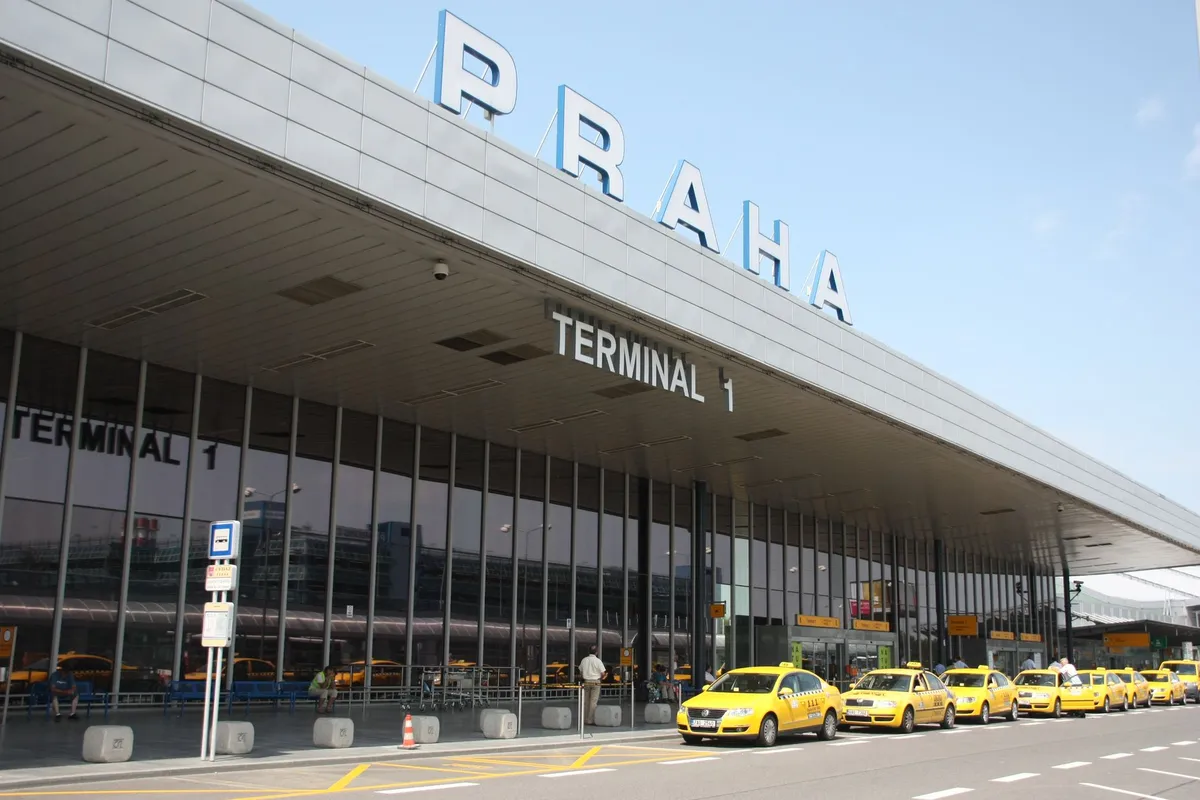
If you’re arriving by train, you’ll likely get off at Praha hlavní nádraží, with the metro and trams nearby. For Brazilians, Czechia is part of the Schengen Area: for short tourist stays, the general rule is no visa required, but travel insurance and other requirements should be checked with the Czech consulate.
Best time to visit Prague and how many days to stay
May, June, September, and early October usually offer a good balance of pleasant temperatures and long days; July, August, and Advent bring bigger crowds and pricier accommodation. Three days work well for seeing the classics, while four days give you room for museums and a day trip.
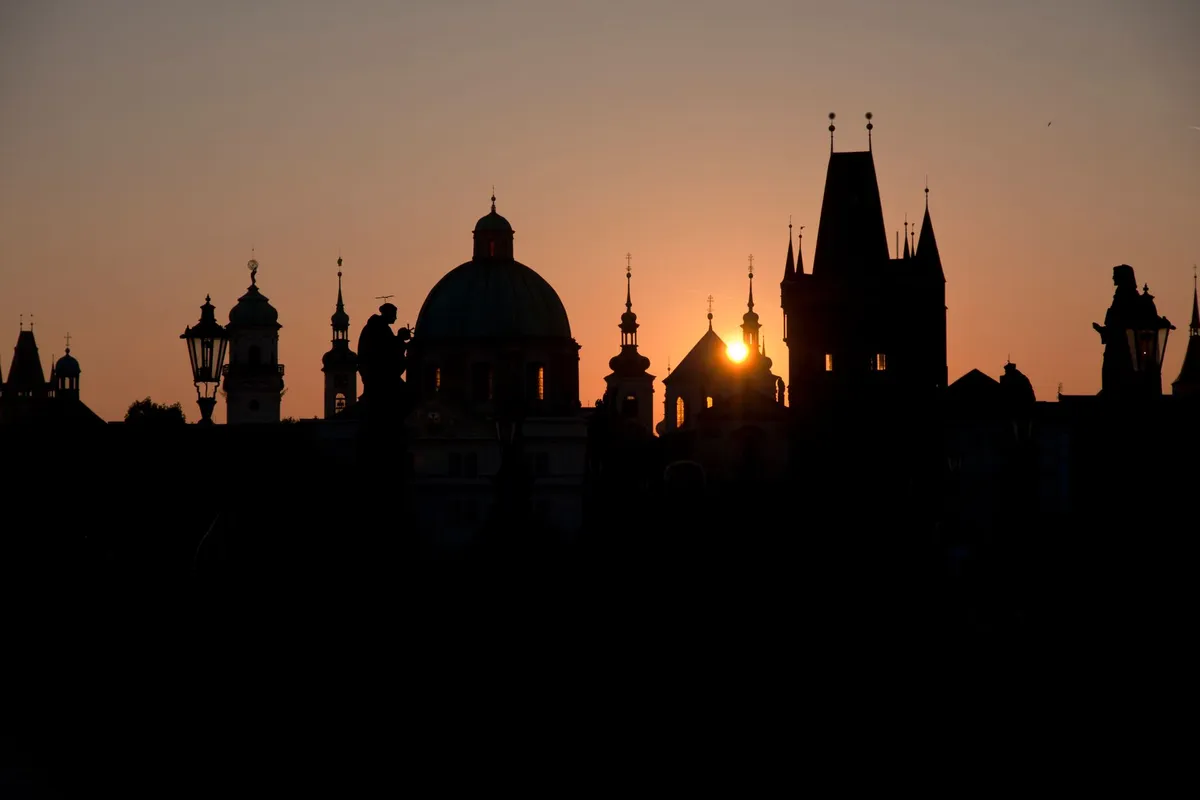
Winter creates the atmosphere of the Christmas markets, but it also means short daylight and intense cold. If Charles Bridge is a priority, cross it near sunrise; after 9 a.m., the vibe changes completely.
What to see in Prague in three days
Prague is best explored by area: focus each part of your day on one side of the Vltava River. That way, you see the icons without repeating climbs, crossings, or tram connections.
Day 1: Old Town, the clock, and Charles Bridge
Start at the Old Town Square (Staroměstské náměstí), where you’ll find the Astronomical Clock and the Church of Our Lady before Týn. Climbing the Old Town Hall Tower gives you a quick read of the medieval layout. Follow Karlova Street to Charles Bridge and save the west bank for late morning.
Day 2: Prague Castle and Malá Strana
Prague Castle is a complex, not a quick visit: St. Vitus Cathedral, the Old Royal Palace, and Golden Lane all need planning. Tickets, circuits, and hours vary by season; check the official Prague Castle website. Head down through Malá Strana, pass by St. Nicholas Church, and end at Kampa Island.
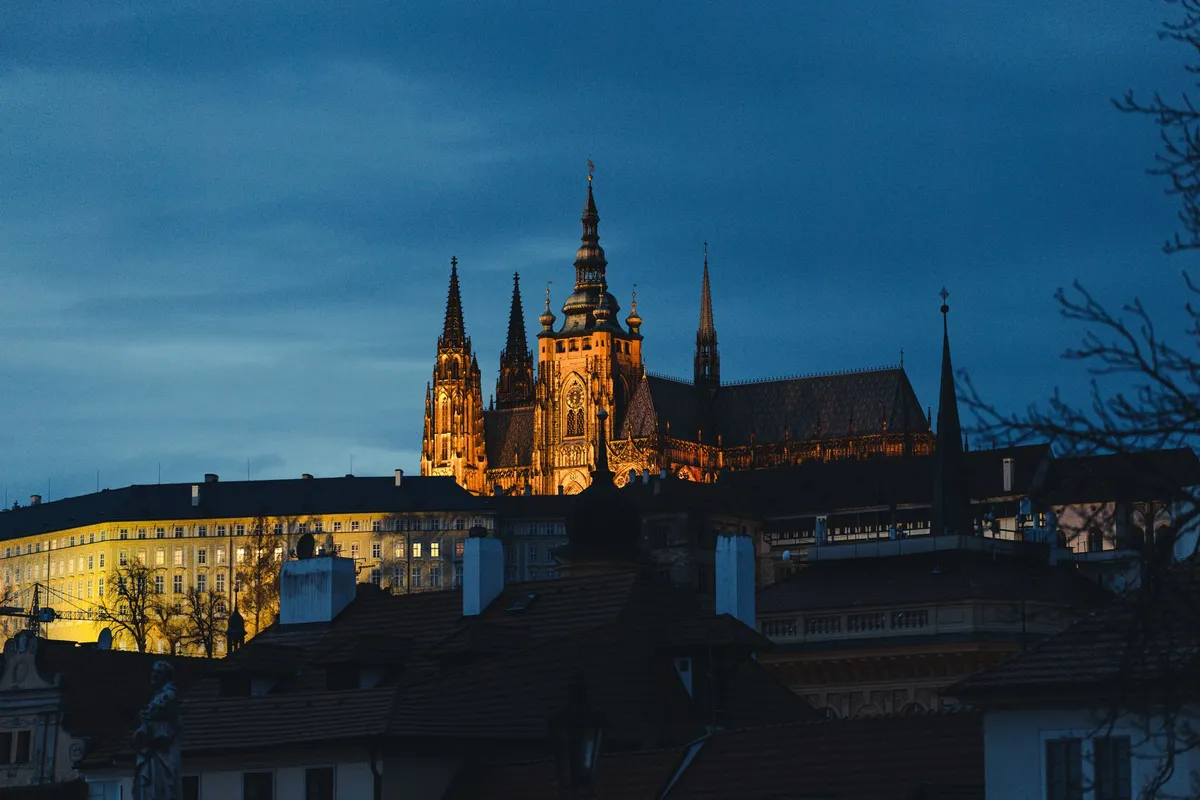
To understand the city without being glued to a map, it makes sense to book a full Prague tour. It’s especially useful on the first day, before you go back to the places you want to explore at your own pace.
 See activities in Prague on GetYourGuide ›
Day 3 could include the Jewish Quarter, Clementinum, Municipal House, and Wenceslas Square. Instead of trying to fit everything in, choose between Jewish history, Art Nouveau architecture, or the David Černý sculpture trail.
What to pair with Prague
Prague pairs well with a Central European trip. The Vienna guide helps you plan the most natural sequence, and the Budapest 2- or 3-day itinerary completes the classic trio. For a day trip, Český Krumlov is the most photogenic option, but it takes a full day.
Where to eat in Prague
For Czech food, look for restaurants away from the streets right around the Astronomical Clock. A typical order includes svíčková, goulash, and local beer; check the menu to see if service is included and confirm the price before sitting down in very touristy areas.
Trdelník is a popular treat for travelers, but it’s not a historic Czech tradition; treat it as a tourist snack, not the meal that defines the city.
Where to stay in Prague without complicating your itinerary
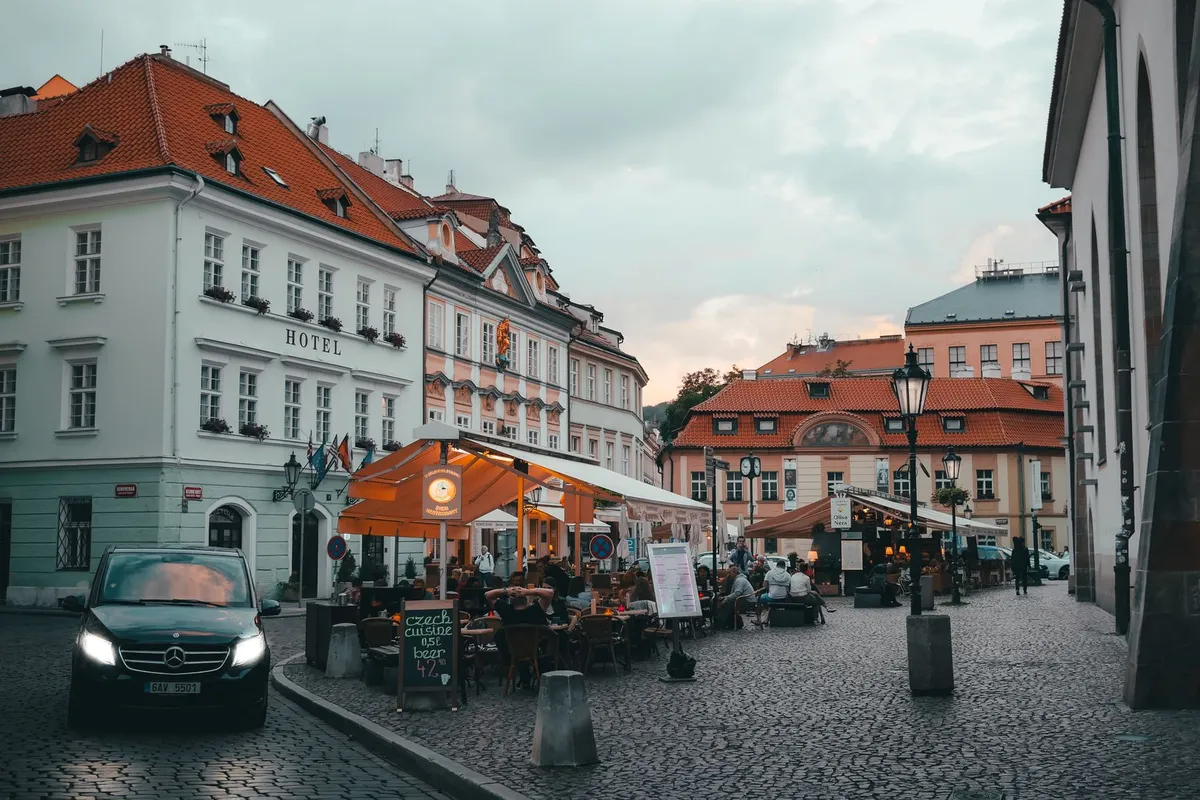
Staré Město is central and pricey; Malá Strana is quiet and charming, but it involves more uphill walking. Nové Město and Vinohrady usually offer good metro access, local restaurants, and a better balance between hotel and location.
 See hotels in Prague on Booking ›
Practical tips for enjoying Prague
The currency is the Czech koruna (CZK), not the euro. Cards work well, but carry a small amount of local cash and avoid exchange offices with unclear rates. Use the Lítačka/PID app for transport and validate your ticket when required. To organize your card, cash, and a backup plan for your whole trip through Europe (not just Prague), check out the guide to money in Europe: card, cash, and a plan B.
In the Old Town Square, exchange offices, restaurants with photos, and taxis without a set price are the easiest mistakes to avoid. The biggest savings in Prague don’t come from cutting attractions: they come from sleeping near the metro and walking whole areas in the same day.
A detailed itinerary for the first day
Arrive at the Old Town Square before the crowds pick up, watch the clock without waiting too long for the show, and walk to the Clementinum. The library and tower visit usually has set times, so it’s worth booking your spot the day before you plan the rest. Next, head down Karlova Street knowing it’s a tourist street: stop to admire the facades and passageways, but save shopping and lunch for the side streets.
On Charles Bridge, stand on the half facing the castle for the classic photo; then cross at a leisurely pace toward Malá Strana. The neighborhood is especially pleasant when you move away from the main road and into the streets leading to Kampa Island. In the late afternoon, pick a viewpoint or head back to the riverbank. This layout keeps you from backtracking to the same stretch three times and turns the walk into an itinerary, not a list of check-ins.
How to organize your Prague Castle day
The common mistake is arriving at Prague Castle mid-morning without a ticket or priority access. Pick what interests you most — the cathedral, palace history, Golden Lane, or the views — and leave some buffer time for security and navigating the complex. Then, head downhill along Nerudova and take a break in Malá Strana. If you’re tired, take the tram for the uphill leg and save your walking for the descent.
The views are best when the sky clears, but the castle is still a solid choice on a cloudy day since there’s enough interior and history to fill the afternoon. Prices and hours shift depending on the circuit and season, so don’t rely on outdated blog tables when planning your purchase. The official source is always the safest bet.
Budget: Where It Makes a Difference
Prague shouldn’t automatically be treated as a cheap destination. The exchange rate, time of year, and hotel location can swing your total significantly. Accommodation costs hit hardest on summer weekends and during the Christmas season; booking ahead in Vinohrady or Nové Město is usually a smarter move than paying a hefty premium just to be steps from the Astronomical Clock.
For food, look for menus with clear prices in koruna and compare the final total before you sit down. On transport, costs stay predictable when you buy the duration you’ll actually use, rather than impulse-buying longer passes. Tickets deserve priority in your budget: the Castle, museums, and concerts can be more valuable than a string of small souvenir purchases.
Safety, Language, and Etiquette
Prague is easy to get around with basic English, offline maps, and a card. As with any heavily visited city, keep an eye on your wallet and phone in crowded spots, especially on Charles Bridge, the metro, and around Old Town Square. At restaurants, double-check the bill and tip before paying; at exchange offices, look at the amount you’ll actually receive, not just a rate displayed in the window.
Learning a few basic Czech words is a nice touch, but not required for a short stay. What’s most useful is saving your hotel address, downloading the transport app, and keeping a backup payment method. That leaves you more time to walk — which is the best way to see how Prague shifts once you step off the most photographed streets.
- HotelAs soon as you have datesCompare neighbourhoods and guest ratings.See hotels ↑
- More activitiesTo compareTickets, day trips and tours with flexible cancellation.GetYourGuide ›
Frequently Asked Questions About Prague
How many days do you need to see Prague?
Three full days is the most balanced amount of time for a first visit to Prague. That covers the Old Town, Charles Bridge, Prague Castle, Malá Strana, and a pick between the Jewish Quarter, museums, or a neighborhood outside the center.
What’s the best time to visit Prague?
May, June, September, and early October are usually the best times to visit Prague, combining mild weather with longer daylight hours. In summer and during Advent, Prague gets more crowded and accommodation tends to cost more.
Is Prague expensive for Brazilians?
Prague can cost less than capitals like Paris or London, but tourist prices have gone up. You can keep the trip more controlled by using public transport, staying in Nové Město or Vinohrady, and avoiding tourist-trap restaurants around Old Town Square.
Can you explore Prague on foot?
You can cover a large part of Prague on foot, especially the Old Town, Charles Bridge, and Malá Strana. Use the tram and metro for the airport, Prague Castle, Nové Město, and longer stretches when your legs are tired.
Conclusion
Prague works best when you respect its rhythms: early mornings at the postcard spots, neighborhood walks, and breaks off the main tourist trail. At Voyage Voyage, use this guide as your base and pair the city with Warsaw, Vienna, or Budapest depending on how much time you have.