 Marcelo Oliveira
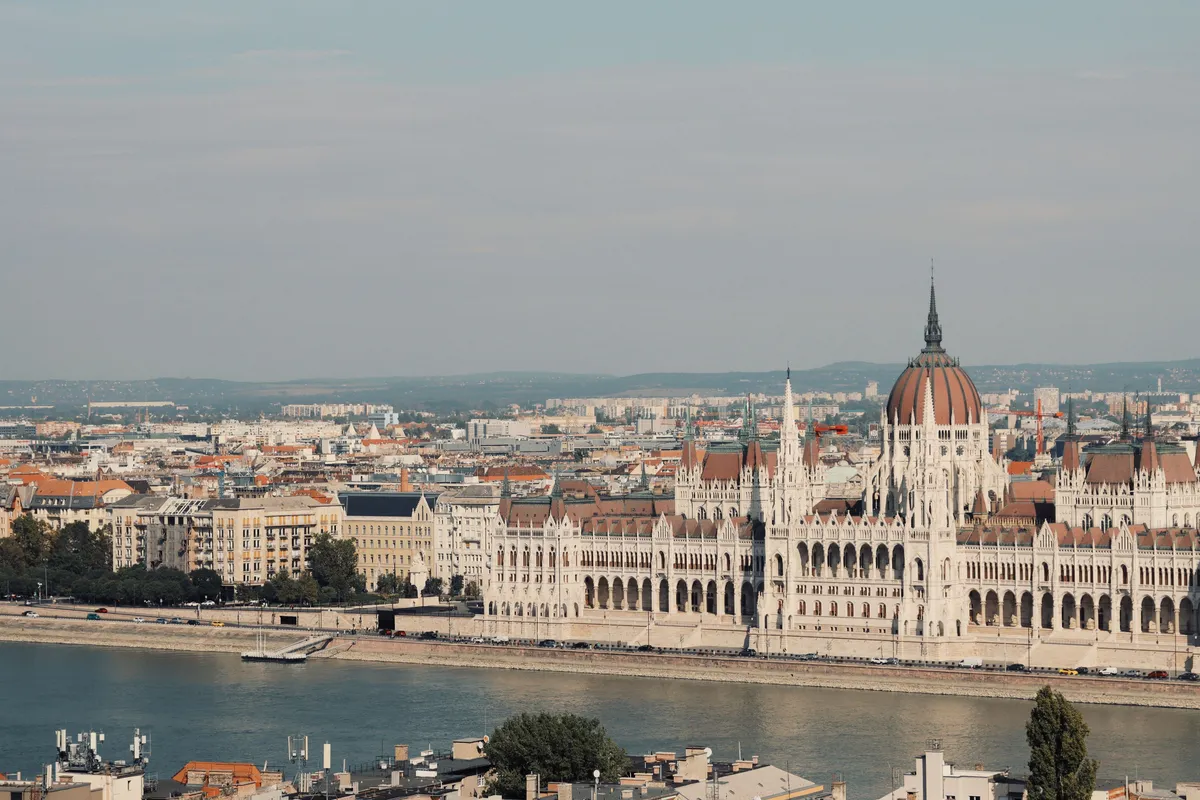
Budapest delivers a packed itinerary even in a short time: on one side of the Danube sits Buda, with its castle and hills; on the other, Pest, home to the Parliament and urban life. If you have 2 or 3 days in the “Pearl of the Danube,” this guide lays out what to prioritize, what it costs, and the most common questions to answer before you book.
Hotels in Budapestfree cancellation options onlySee hotels ›Booking.com partner (advertising): we may earn a commission at no extra cost to you.
Budapest is split between Buda (hills and castle) and Pest (Parliament and city life), Hungarian is the official language, the currency is the forint (HUF), and 2 to 3 well-organized days already cover the essentials, including a thermal bath.
How to get to Budapest
Budapest Ferenc Liszt International Airport (BUD) sits about 16 km from the city center. Bus 100E connects the airport to Deák Ferenc tér in roughly 30 minutes, and private transfers can also be booked in advance. Coming from Vienna, there’s a direct train that takes about 2h40; from Prague, the train ride runs around 7 hours.
Best time to visit and how long to stay
April through June and September–October bring mild weather and fewer crowds at the thermal baths. Summer is hot and busy, especially in July and August; winter has charming Christmas markets but requires bundling up for the cold.
2 days already cover Buda and Pest with a thermal bath included; with 3 days, you can add a nighttime Danube cruise and explore less obvious neighborhoods like the Jewish Quarter.
What to see in 2 to 3 days
Day 1 — Buda: Castle and Fisherman’s Bastion
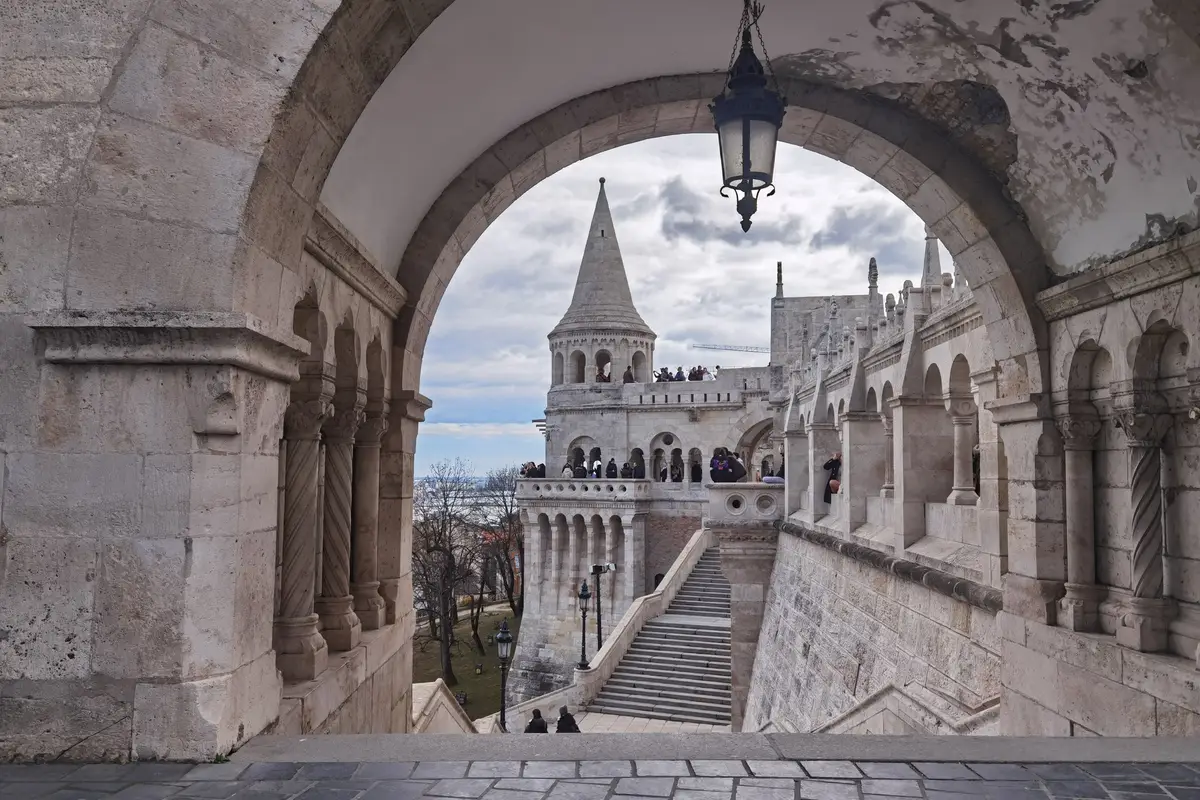
Start at the Buda Castle Complex, which houses the Hungarian National Gallery and the Budapest History Museum. Matthias Church, dating from the 13th century, has a decorated Gothic interior, and right next door the Fisherman’s Bastion offers one of the most beautiful views over the Danube and the Parliament — access to the terraces is usually free outside the paid hours of the main lookout.
Day 2 — Pest: Parliament and thermal baths
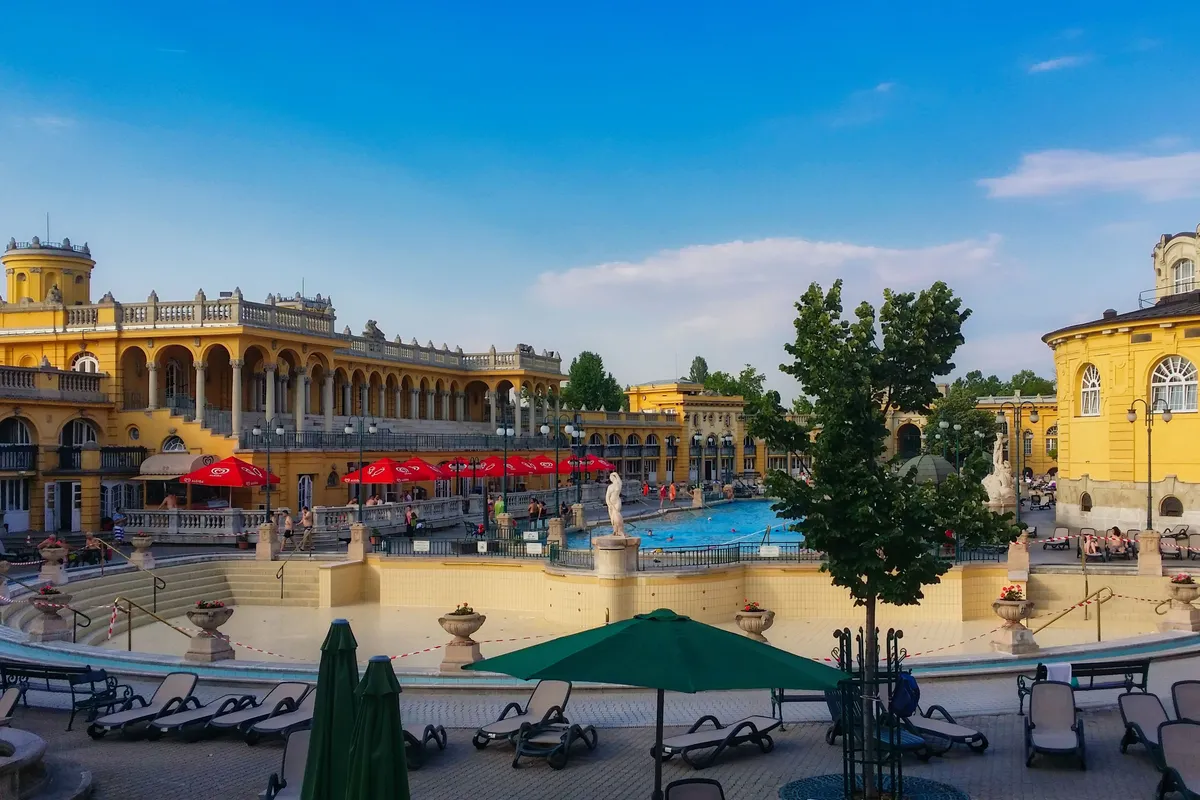
The Hungarian Parliament, one of the largest legislative buildings in the world, can be visited inside on a guided tour (non-EU foreigners pay around 10,000 HUF as of July 2026 — check the updated price). In the afternoon, set aside time for the Széchenyi Thermal Bath, with 18 pools between indoor and outdoor — entry runs around 6,994 HUF (about $20 USD as of July 2026).
Day 3 (optional) — Danube at night and the Jewish Quarter
A sunset boat cruise shows the Parliament and Buda Castle lit up, one of the most photographed experiences in the city. During the day, it’s worth walking through the Jewish Quarter, home to the Great Synagogue — the largest in Europe — and the “ruin bars,” pubs set up in abandoned buildings that have become a nightlife hotspot.
What to pair with Budapest
Travelers with more days can continue by train to Vienna (2h40) or add a day trip to Lake Balaton, the largest body of fresh water in Central Europe, about 1h30 by car. If you want to get your bearings quickly on day one, a guided tour is worth considering.
 Partner · Civitatissee all activities in Budapest ›
- Danube Evening CruiseRating 8.5 · 17,558 reviews on Civitatisfrom€25per personSee ›
- Rudas Baths Tickets + Lunch or DinnerRating 7 · 4 reviews on Civitatisfrom€69.99per personSee ›
- Budapest Opera House Guided TourRating 8.5 · 4,123 reviews on Civitatisfrom€32per personSee ›
- See ›Jewish Quarter Free TourRating 9.4 · 304 reviews on Civitatis
Civitatis prices on 28/09/2026, from, per person. They may change. Want to compare? Activities in Budapest on GetYourGuide ›
A free walking tour of central Budapest on day one helps you understand the Buda-Pest split before exploring on your own. Booking your thermal bath in advance also skips the line at the Széchenyi ticket office.
Where to eat in Budapest
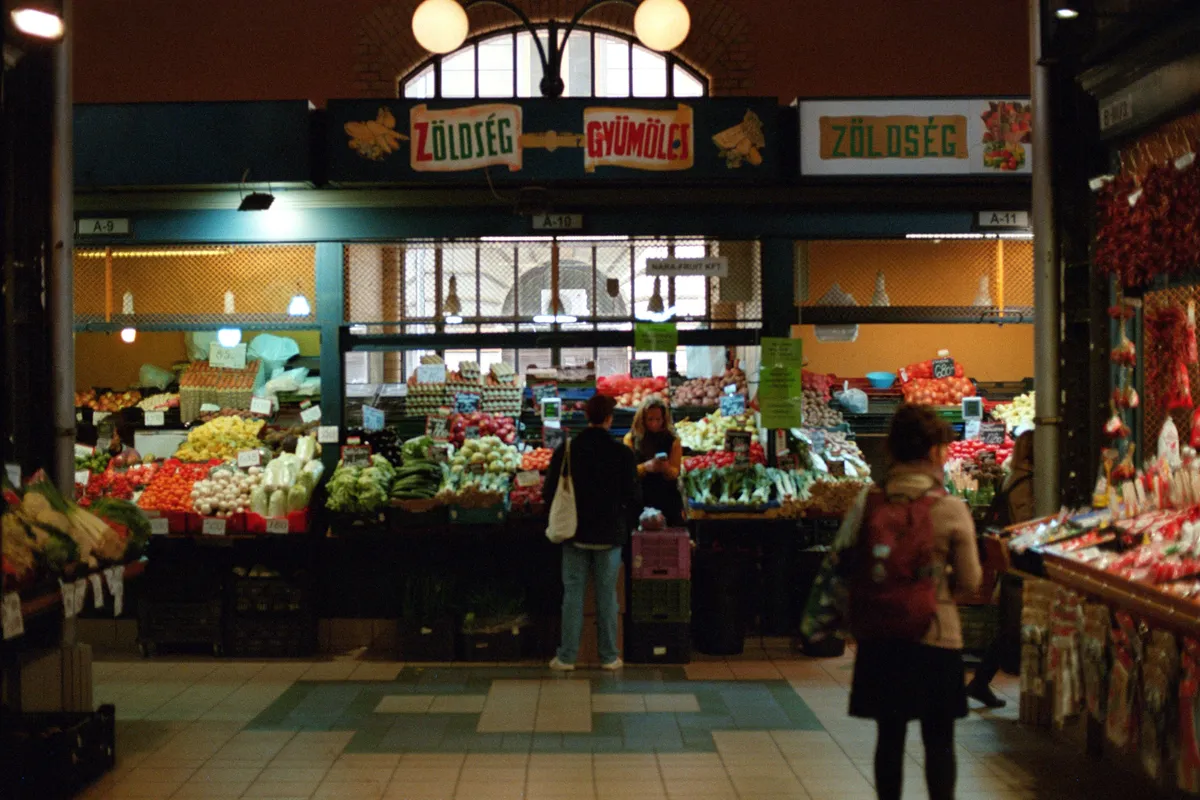
Goulash (a meat stew with paprika) is the dish most associated with the country, but it’s also worth trying lángos (fried dough topped with sour cream and cheese) and Hungarian strudel. The Great Market Hall, near the Liberty Bridge, is a great spot for a cheap, authentic bite.
Where to stay in Budapest
District V (Belváros/Lipótváros), on the Pest side, sits close to the Parliament and is well served by the metro. District VII (the Jewish Quarter) has a lively nightlife scene around the ruin bars and generally more affordable prices. If you prefer more quiet, staying on the Buda side offers better views, at the cost of more walking to Pest’s attractions.
Where to stay in Budapest
| Hotel | Rating | |
|---|---|---|
| BasiliQ HotelBelváros-Lipótváros · St Stephen's Basilica is just a few steps away | 9,61.680 reviews | See prices |
| Wonder - The Luxury Boutique HotelTerézváros · Király utca 36 | 9,61.403 reviews | See prices |
| You Hotel Budapest - Handwritten CollectionJózsefváros · Szentkirályi utca 8 | 9,11.185 reviews | See prices |
| Three Corners Avenue HotelTerézváros · Paulay Ede utca 50 · buffet breakfast | 9,33.064 reviews | See prices |
| BoHo Hotel Budapest - Small Luxury HotelsJózsefváros · The Hungarian National Museum is a 5-minute walk away | 9,61.695 reviews | See prices |
| ibis Budapest StadiumFerencváros · The Hungarian National Museum is 3.4 km away | 9,04.406 reviews | See prices |
| TRIBE Budapest StadiumFerencváros · The Hungarian National Museum is 3.5 km away | 9,12.504 reviews | See prices |
| Dorothea Hotel, Budapest, Autograph CollectionBelváros-Lipótváros · Dorottya utca 2 | 9,21.401 reviews | See prices |
Booking.com rating on 30/09/2026
Practical tips
The local currency is the Hungarian forint (HUF); although some tourist spots accept euros, the exchange rate is usually unfavorable, so it’s worth withdrawing or exchanging HUF at exchange offices downtown. The Budapest Card includes public transport, some entry fees, and a Danube cruise, paying off if you plan to pack in many paid attractions.
As with the rest of the Schengen Area, Brazilians don’t need a visa for tourist stays of up to 90 days in Hungary; keep an eye on the upcoming ETIAS requirement, expected by late 2026.
 HotelAs soon as you have datesCompare neighbourhoods and guest ratings.See hotels ↑
- ActivitiesBefore you travelBook ahead the ones with limited spots.Civitatis ›
 More activitiesTo compareTickets, day trips and tours with flexible cancellation.GetYourGuide ›
Frequently asked questions
What language is spoken in Budapest?
Hungarian is the official language, a Uralic tongue quite different from its neighbors. English is common in hotels and the tourist center, but can be rarer outside of it.
What is Budapest famous for?
Budapest is famous for the Parliament on the banks of the Danube, Buda Castle, the Fisherman’s Bastion, and its thermal baths, a tradition dating back to Ottoman and Roman occupation.
Is it safe to walk at night in Budapest?
Yes, Budapest is generally considered safe even at night in tourist and central areas, like Pest and the Jewish Quarter. As with any big city, it’s worth keeping an eye on your belongings in very crowded spots.
What currency should I bring to Budapest?
The Hungarian forint (HUF) is the official currency. You’ll usually find the best exchange rates at currency exchange offices in the city center, rather than at hotels or the airport.
Is Hungary a rich country?
Hungary has a lower average income than countries like Austria or Germany, but it’s considered a developed economy within the European Union, with a lower cost of living than Western Europe.
How do you say “hi” in Hungary?
Informally, you say “szia” (pronounced something like “see-ya”). “Jó napot” is the more formal greeting, equivalent to “good morning/good afternoon.”
Is Hungary a safe country?
Yes, Hungary is among the European countries considered safe for tourists, with low violent crime rates in tourist areas.
Is Budapest an expensive city?
Not really: Budapest tends to be cheaper than Vienna, Prague, or Berlin, with simple meals going for 2,000 to 3,500 HUF and great value for money on accommodation.
Is Hungary Catholic or Orthodox?
The majority of the Hungarian population identifies as Roman Catholic, with a Protestant minority (mainly Calvinist) and a small Orthodox presence.
Conclusion
With 2 or 3 well-planned days, you can cover the essentials of Buda and Pest, squeeze in a thermal bath, and still have time left for an evening stroll along the Danube. Check out more Central Europe itineraries here on Voyage Voyage, including the complete guide to 7 days in Budapest for those with more time to spare.