 Marcelo Oliveira
Budapest makes perfect sense if you’re looking for a beautiful, walkable European capital full of contrasts: on one side, the Buda hills; on the other, the urban energy of Pest. The best plan is to combine viewpoints, monumental architecture, thermal baths, and a Danube cruise without trying to see everything at a sprint.
Hotels in Budapestfree cancellation options onlySee hotels ›Booking.com partner (advertising): we may earn a commission at no extra cost to you.
If you’re planning your first trip to Hungary, Budapest works best with 3 to 4 days: that gives you time to explore Buda and Pest separately, fit in at least one relaxing thermal bath, take a sunset or evening Danube cruise, and still discover cafés, markets, and beautiful streets without turning your trip into a marathon.
Why Budapest is worth the trip
Budapest has a rare quality: it delivers almost instant visual impact, but it gets even better as you understand the city’s logic. The Danube organizes everything. Buda is higher, more residential, and panoramic. Pest is flat, more intense, and home to train stations, shops, cafés, bars, and most of the most convenient hotels. Instead of competing for your attention with an endless list of attractions, the city invites you to alternate your pace: a morning of monuments, an afternoon at a thermal bath, an evening on the riverbank, and a night among ruin bars, music, and lights reflecting off the water.
Another big plus is the variety. The same trip mixes imperial heritage, traces of the Ottoman era, elegant cafés, markets, historic baths, and neighborhoods with a vibrant nightlife. For Brazilian readers, this usually settles a common question: Budapest isn’t just a pretty city for photos. It’s great for walking, eating well, adapting to different budgets, and building a layered itinerary.
What to do in Budapest
Explore the Buda hills without rushing
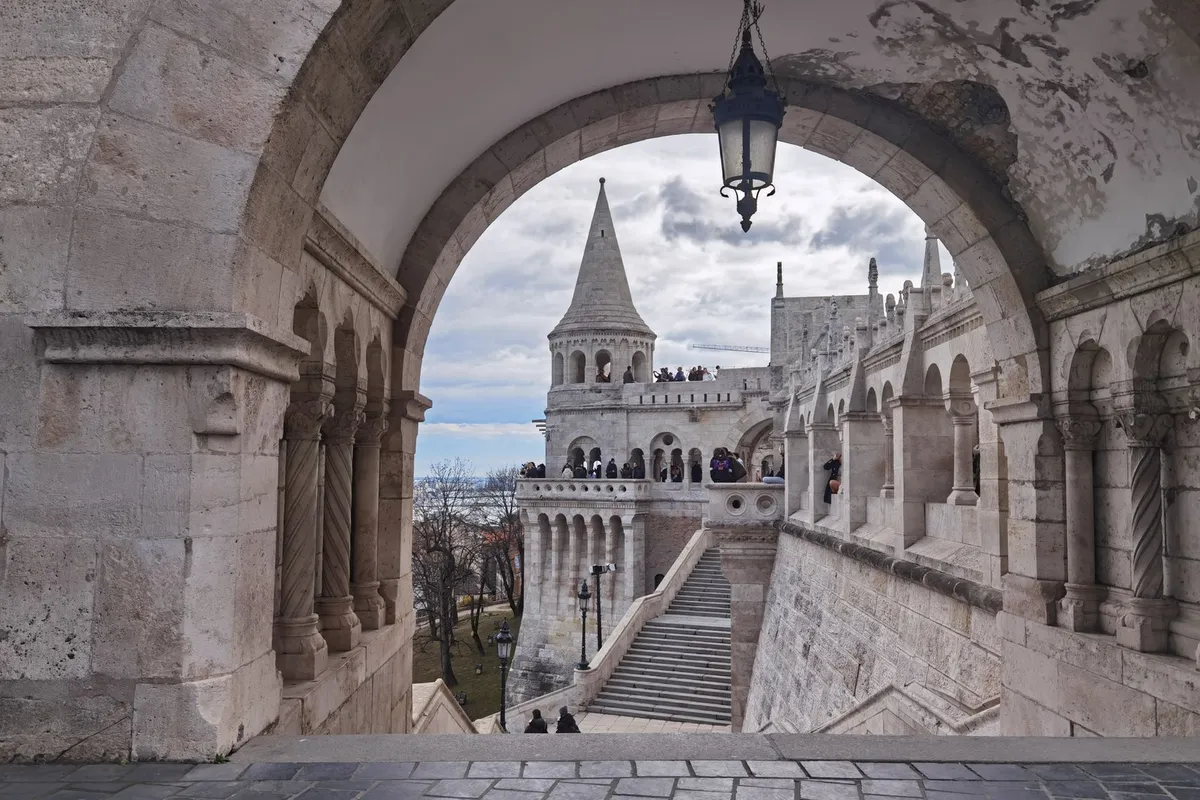
Start in Buda when you want to understand the city’s geography. The Buda Castle area, the surroundings of Matthias Church, and Fisherman’s Bastion offer sweeping views of the Danube and Pest. This is the best place to kick off your trip because it explains Budapest visually. If the weather is clear, go early or late in the afternoon for softer light and fewer crowds.
See the Parliament Building, but save energy for the area around it
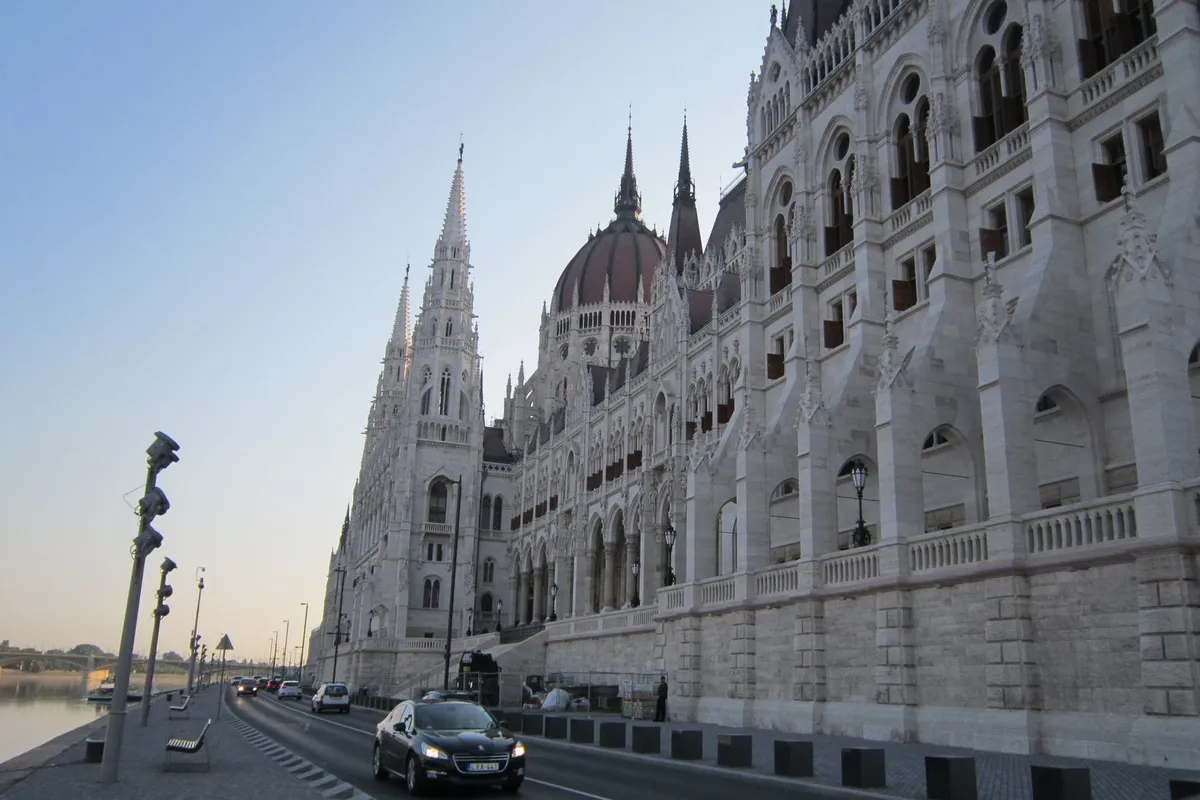
The Hungarian Parliament Building is one of the most striking sights of the trip, whether you see it from the front, from the river, or from the heights of Buda. Even if you don’t go inside, it’s worth walking along the riverbank, taking in the scale of the complex, and then continuing to St. Stephen’s Basilica and the nearby avenues. If you want to visit the interior or need a timed ticket, check the official channels before you go, as hours and availability can change throughout the year. The city’s official tourism portal, Budapest Info, is also a great resource for events, attractions, and destination context.
If you’d rather book a guided tour or get your ticket in advance, the simplest approach is to decide during the planning phase and compare logistics with a ticket for the Hungarian Parliament Building that fits your day’s schedule in Pest.
Pick at least one Danube experience
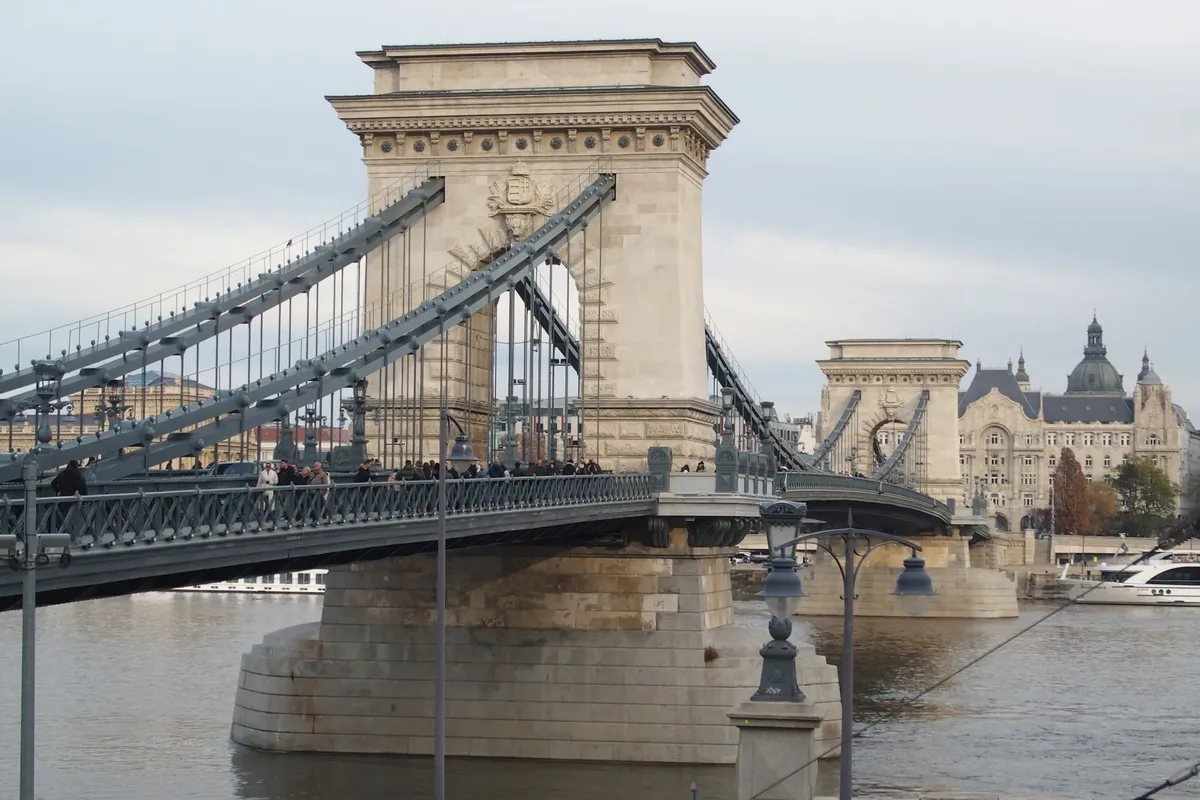
The river isn’t just a backdrop. In Budapest, the Danube changes how you see the city. Crossing the Chain Bridge on foot, strolling along the banks, and watching the lights come on in the early evening is already worth it. If your budget allows for one splurge, a cruise is one of the few tourist activities that genuinely adds something to your itinerary, especially if you want to see the Parliament Building and the bridges from a different angle.
If you want to turn this into a practical outing, a Danube River cruise in Budapest usually works best in the late afternoon or evening, when the city starts to light up and the scenery gets more dramatic.
 Partner · Civitatissee all activities in Budapest ›
- Danube Evening CruiseRating 8.5 · 17,558 reviews on Civitatisfrom€25per personSee ›
- Rudas Baths Tickets + Lunch or DinnerRating 7 · 4 reviews on Civitatisfrom€69.99per personSee ›
- Budapest Opera House Guided TourRating 8.5 · 4,123 reviews on Civitatisfrom€32per personSee ›
- See ›Jewish Quarter Free TourRating 9.4 · 304 reviews on Civitatis
Civitatis prices on 28/09/2026, from, per person. They may change. Want to compare? Activities in Budapest on GetYourGuide ›
Visit the thermal baths with the right expectations
The thermal baths are part of Budapest’s identity, but they work best when you treat the visit as an urban experience rather than a quiet luxury spa. Széchenyi Bath is the most iconic and delivers that classic Budapest photo; other baths might appeal more if you’re looking for a less crowded atmosphere. Either way, check the rules, time slots, and any reservation requirements directly on the attraction’s website, like the Széchenyi Bath.
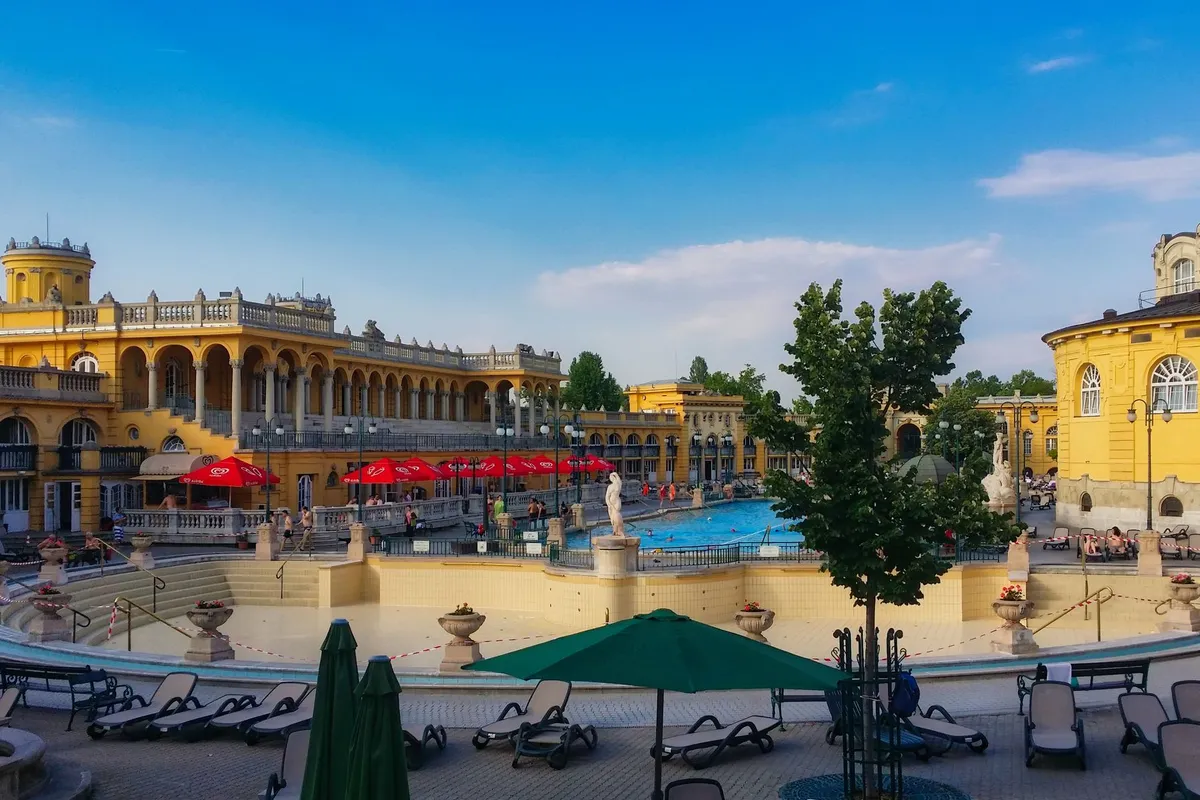
Don’t try to squeeze a thermal bath into a 40-minute gap. Ideally, save this block for mid-afternoon or early evening, especially after a lot of walking. It’s one of the experiences that most sets Budapest apart from other Central European capitals.
Discover Pest beyond the postcards
After the most photogenic spots, Pest keeps the itinerary grounded in real life. This is where the trip gains cafés, markets, bars, and easy getting around. St. Stephen’s Basilica, the area around Andrássy Avenue, the Great Market Hall, and the Jewish Quarter are all great places to explore without feeling rushed. The most interesting thing here is not to try to check everything off: leave room to pop into a pastry shop, sit and watch the local pace, and let the city happen between one attraction and the next.
If you like starting your trip by understanding the historical context and getting your bearings, a free walking tour of Budapest can be a great first activity to help organize the rest of your days.
Where to stay in Budapest
For a first visit, the most practical option is to stay in Pest, especially in areas with easy access to the metro, tram, and walking distance to cafés, restaurants, and attractions. This cuts down on travel time and makes evenings easier. Buda is beautiful, quieter, and more charming for those who prioritize views and atmosphere, but it can be less functional if you want to head out early, come back late, and rely less on uphill walks.
A simple rule of thumb helps a lot:
stay in Pest if you want convenience; choose Buda if the view is a central part of your trip. On either side, it’s worth checking the route to the Danube riverbank and the nearest transport stop on the map, because that changes the experience more than the distance in miles.
Where to stay in Budapest
| Hotel | Rating | |
|---|---|---|
| BasiliQ HotelBelváros-Lipótváros · St Stephen's Basilica is just a few steps away | 9,61.680 reviews | See prices |
| Wonder - The Luxury Boutique HotelTerézváros · Király utca 36 | 9,61.403 reviews | See prices |
| You Hotel Budapest - Handwritten CollectionJózsefváros · Szentkirályi utca 8 | 9,11.185 reviews | See prices |
| Three Corners Avenue HotelTerézváros · Paulay Ede utca 50 · buffet breakfast | 9,33.064 reviews | See prices |
| BoHo Hotel Budapest - Small Luxury HotelsJózsefváros · The Hungarian National Museum is a 5-minute walk away | 9,61.695 reviews | See prices |
| ibis Budapest StadiumFerencváros · The Hungarian National Museum is 3.4 km away | 9,04.406 reviews | See prices |
| TRIBE Budapest StadiumFerencváros · The Hungarian National Museum is 3.5 km away | 9,12.504 reviews | See prices |
| Dorothea Hotel, Budapest, Autograph CollectionBelváros-Lipótváros · Dorottya utca 2 | 9,21.401 reviews | See prices |
Booking.com rating on 30/09/2026
How Many Days to Spend in Budapest
Budapest doesn’t require a full week to make sense, but it’s also not a great fit for a rushed day trip. Three full days already allow for a solid first dive. Four days leave room for a thermal bath, a river cruise, viewpoints, and a more humane pace. If you like detailed trips, it’s worth cross-referencing this guide with our Budapest 2 or 3-day itinerary and also the 7-day Budapest itinerary.
Budapest also fits really well into trips combined with cities like Vienna. If that’s your plan, our guide on what to do in Vienna helps balance the pace between the two capitals. For those extending their circuit through Central Europe, Krakow is another great continuation, and the 5-day Krakow itinerary can join that conversation.
Getting Around
Budapest works really well with a mix of walking and public transport. The tourist center is spread out enough to tire out anyone trying to do everything on foot, but compact enough to make for fluid days. To get from the airport to the center, there’s a dedicated public connection operated by BKK; still, schedules, operating hours, and operational details can change, so it’s worth checking the official BKK website before you fly.
If you prefer to land with everything already sorted, especially on night flights or with accommodations further out, it also makes sense to compare transfers in Budapest. It’s not mandatory, but it can simplify your first day quite a bit.
Practical Itinerary for a First Taste
Day 1: Buda and First River Views
Head up to the Buda Castle area, pass by Matthias Church, stroll along Fisherman’s Bastion, and make your way down toward the river at a relaxed pace. End the day by crossing the Chain Bridge on foot. It’s the most scenic day of the itinerary and helps build a visual repertoire for the rest of the trip.
Day 2: Parliament, Pest Center, and the Danube at Dusk
Dedicate the morning to the Parliament building and the Danube riverbank, then head to St. Stephen’s Basilica and use the afternoon for Andrássy Avenue, cafés, or the Great Market Hall, depending on your style. Wrap up with a riverside stroll or a cruise. This is where the city starts showing why it’s one of the most beautiful capitals in the region.
Day 3: Thermal Baths and the Jewish Quarter
Set aside a few hours for a thermal bath and keep the rest of the day more open. The Jewish Quarter, ruin bars, and the surrounding streets fit well into this block, especially if you enjoy nightlife or simply want to see Budapest step out of monumental mode and into everyday life.
Day 4: Fine-Tuning
If there’s a fourth day, use it to revisit what you loved most, add a museum, check out another thermal bath, or simply slow down. Budapest rewards that kind of slack: when you stop rushing, the city grows on you.
 HotelAs soon as you have datesCompare neighbourhoods and guest ratings.See hotels ↑
- ActivitiesBefore you travelBook ahead the ones with limited spots.Civitatis ›
 More activitiesTo compareTickets, day trips and tours with flexible cancellation.GetYourGuide ›
Frequently Asked Questions About Budapest
Is Budapest worth it for a first trip to Hungary?
Absolutely. For most travelers, Budapest concentrates the essentials of a first trip to the country, delivering architecture, history, thermal baths, and a great base for understanding Hungarian urban culture.
How many days are ideal in Budapest?
The best balance is usually 3 to 4 days. Anything less requires bigger cuts; more time allows for day trips, other neighborhoods, and a less rushed experience.
Is it better to stay in Buda or Pest?
For convenience, Pest usually works better. For those who want quiet, hills, and a more scenic setting, Buda can be more interesting. On a first visit, Pest tends to make daily life easier.
Are Budapest’s thermal baths really worth visiting?
Yes, as long as you go in with the right expectations. They work best as a cultural and relaxation experience rather than a quick stop between two monuments.
Conclusion
Budapest is one of those cities that holds its own on the map, but it gets even better when you arrive with some strategy. Use this guide as a foundation, adjust the pace to your travel style, and then dive deeper into planning with the specific itineraries from Voyage Voyage. If the idea is to turn this first visit into a more solid plan, start with the site’s itineraries and check the official Budapest tourism website for details that change with the season.