Jericoacoara easily makes the list of trips that look simple on a map but turn into a mess when your itinerary mixes lagoons, east and west side tours, a miscalculated transfer, and nights that are just too short. In four days, you can see the essentials of Jeri at a relaxed pace, hit the beach, fit in the right lagoons, and still leave room for the sunset that made the village famous. The secret is less about doing everything and more about putting together an order that respects the distances in the sand.
Jericoacoara in 4 days works really well for a first trip: one day to arrive and get a feel for the village, one for the east side, one for the west side, and a final day to repeat what made the most sense without rushing. This way, you avoid crossing dunes at bad times, spread out your tours better, and don’t turn Jeri into an exhausting checklist.
How to get to Jericoacoara
The most practical way to get to Jericoacoara these days is to fly into the Comte. Ariston Pessoa Regional Airport in Cruz, identified by the code JJD, and then take a transfer or 4×4 to the village. The airport is outside Jeri’s central area, and the final stretch still requires logistics on a sand road, so it’s worth booking this transfer in advance instead of trying to figure it out on arrival. Coming from Fortaleza means a much longer overland journey that can eat up almost a full day when your goal is just four nights.
If you want to keep the trip smooth from the start, it makes sense to book the transfer between Fortaleza and Jericoacoara, especially if you’re landing in the capital of Ceara or want to avoid negotiating the final stretch on the sand. For a short trip, that kind of predictability is worth more than saving a little money and losing half a day sorting out connections.
It also helps to arrive with the right expectations: Jeri isn’t a destination for a regular rental car or improvised transportation. The village streets are sand, many tours leave early, and everything revolves around buggies, open-air safari trucks, ATVs, and shared transfers. If you like the idea of a northeastern coast with slightly more organized logistics, it’s worth comparing our Fortaleza in 5 days itinerary and the Natal between dunes and sea proposal.
Best time to visit and how long to stay
The best time to see Jeri with steadier skies, beautiful water, and stronger winds is usually between July and December. That’s exactly when the destination gets on the radar of people looking for beaches and kitesurfing, so the village gains energy but also picks up the pace and prices. Between January and May, the landscape can get greener and the lagoons tend to fill up better, but the chance of rain increases and the itinerary becomes less predictable.
Four full days handle a first trip really well because they let you split the east and west sides without rushing. In three days, Jeri still works, but it usually means sacrificing one of the sides or giving up free time in the village. With five or six days, the destination gets even better for anyone who wants to mix beach clubs, kitesurfing, a walk to Pedra Furada, and a lazy afternoon. For the most common request from people who just want to know where to start, four days are the sweet spot between cost, travel time, and making the most of it.
What to do in Jericoacoara in 4 days
The best four-day itinerary in Jericoacoara is one that respects the destination’s geography. Instead of rushing around to check names off a list, build each day around a specific area. This cuts down on time in the car, keeps you from dragging yourself back to the village exhausted, and leaves room for what Jeri does best: sunset on the sand, a relaxed dinner, and small last-minute decisions based on wind, tide, and energy.
Day 1: Village, main beach, and Duna do Por do Sol
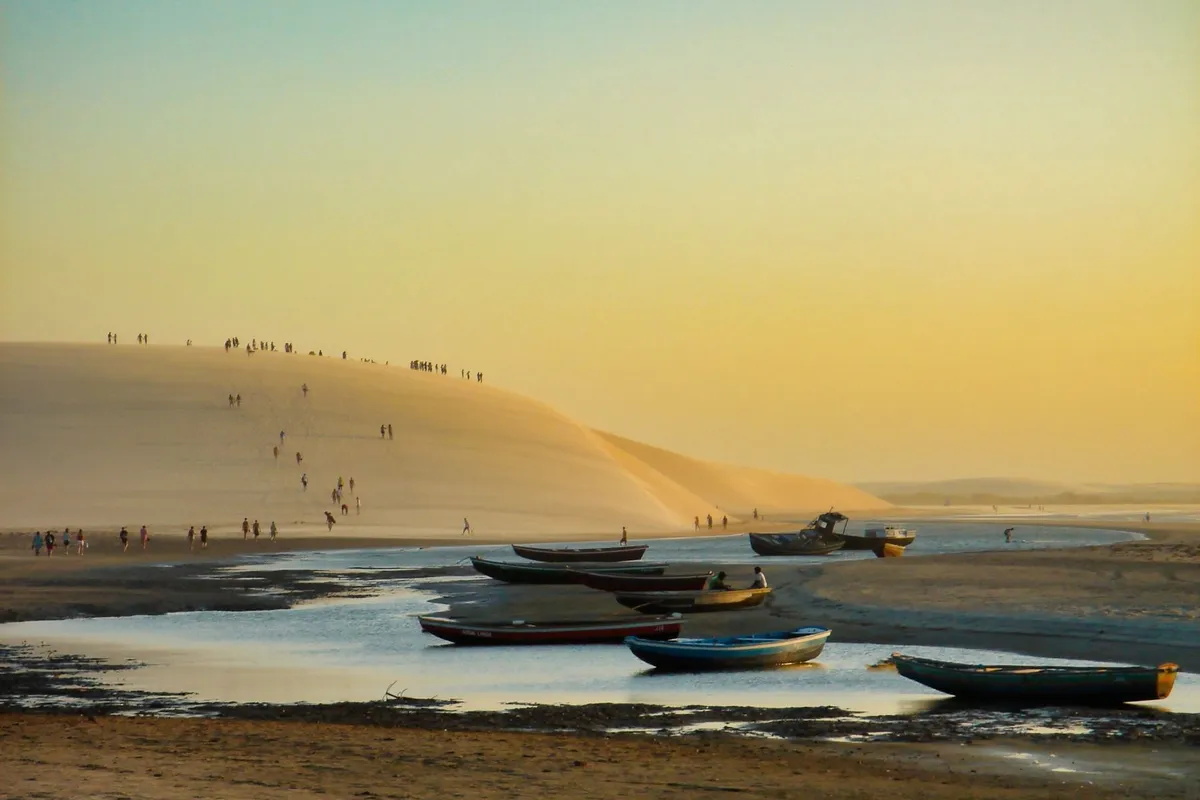
Use the first day to arrive, check in, and get a sense of the village’s real scale. Walk along the main beach, see where the access points to the Duna do Por do Sol are, and let the afternoon drift until the time when everyone heads up to watch the sun drop into the sea. It sounds like an obvious plan, but it works in Jeri because it helps your body get into the rhythm of the place. At night, have dinner near Rua Principal or Rua do Forro and resist the urge to book a tour too early if your arrival was tiring.
Day 2: East side with Pedra Furada and Lagoa do Paraiso
The second day usually works best on the east side. This is where you’ll find Pedra Furada, Arvore da Preguica, and Lagoa do Paraiso, which remains one of the most striking images people picture when they think of Jericoacoara. The combination makes sense because it brings together a natural postcard, viewpoints, and a stretch of fresh water that’s great for spending part of the day. If you prefer convenience, it’s worth booking the east side tour of Jericoacoara instead of figuring out transportation piece by piece.
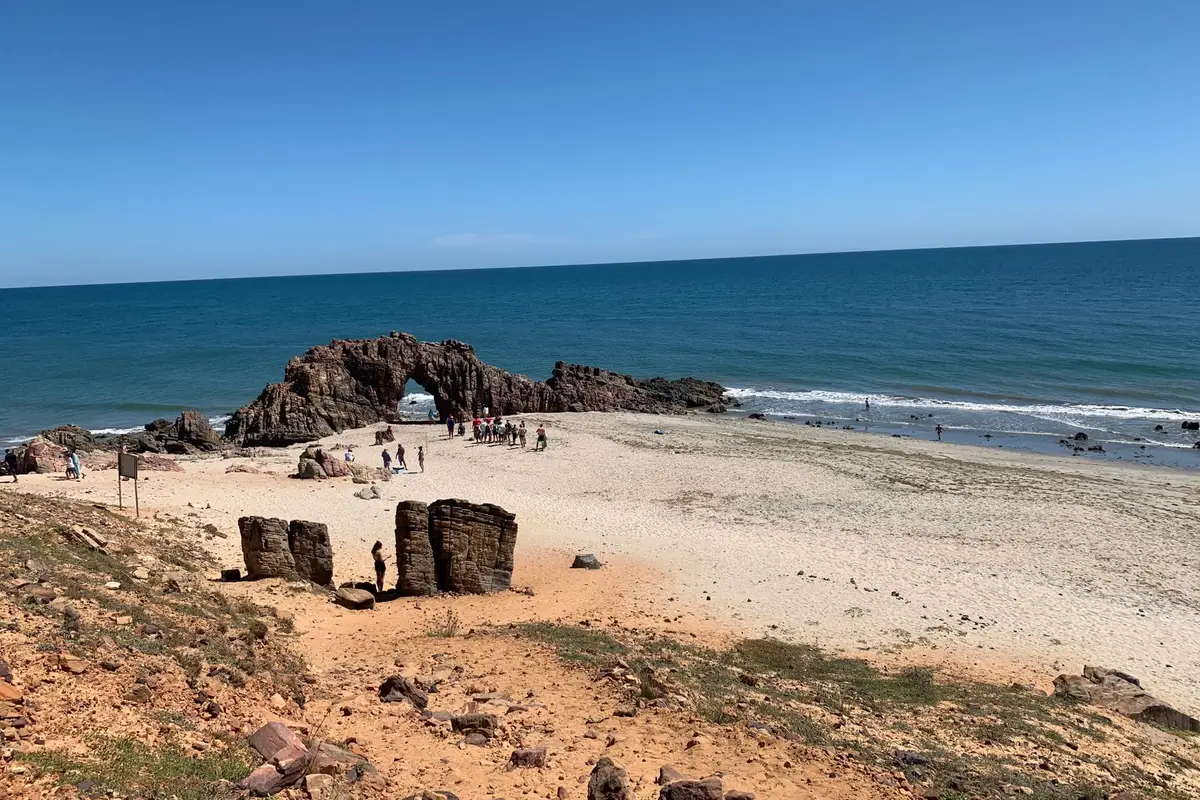
The walk to Pedra Furada deserves some careful planning. In milder hours, it works much better than in the harsh midday sun. If your goal is to take photos with more peace and quiet, leave early or arrange a less rushed time window with your driver. Between mid-July and mid-August, the sun’s alignment with the opening in the rock tends to draw even more people in the late afternoon, so the experience is beautiful but less solitary. Since the village sits inside the Jericoacoara National Park, some access points and local dynamics make more sense when you think of the destination as a protected area, not just a village beach.
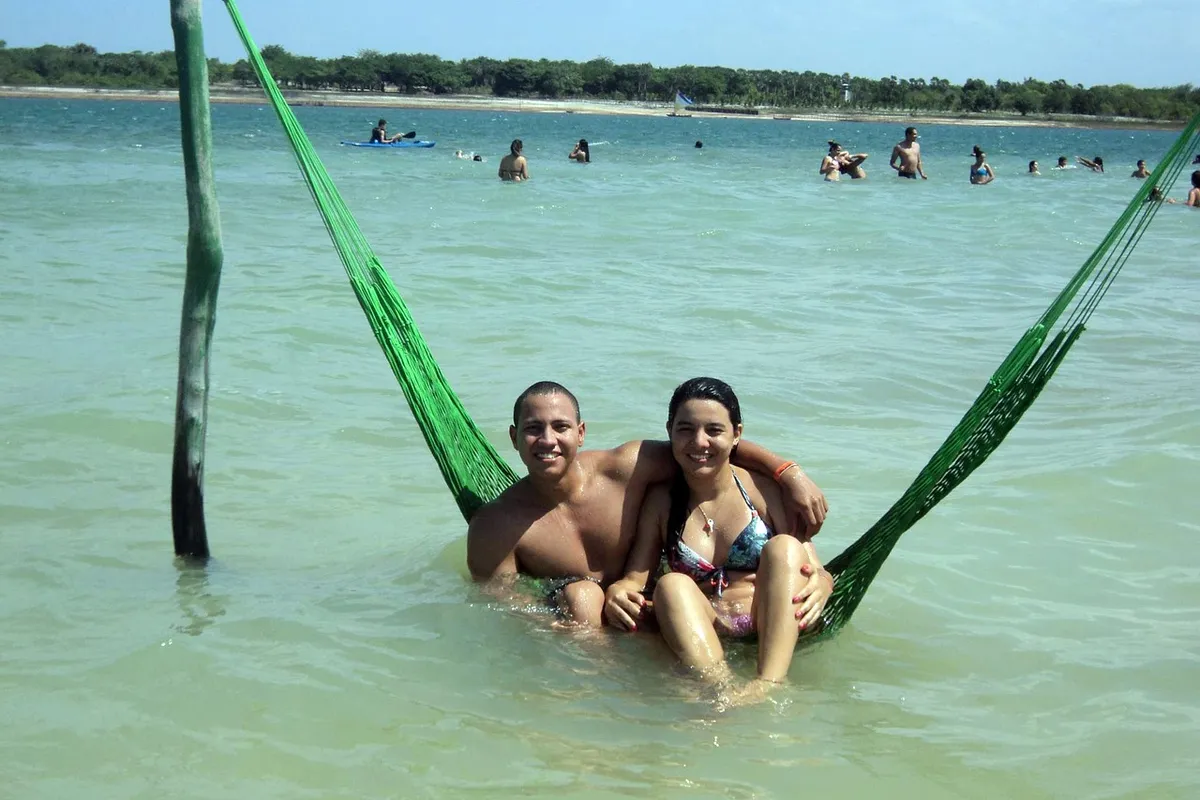
At Lagoa do Paraiso, the most common mistake is trying to do everything quickly and leave within an hour. It’s not worth it. This is exactly the part of the itinerary where you win by slowing down, eating there, getting in the water without a clock, and accepting that Jeri is also about staying put, not just moving around.
Day 3: West side with Guriu, Tatajuba, and dunes
The third day works best on the west axis, which has a more rugged and adventurous feel. This is the side that usually includes the crossing to Guriu, a more dramatic stretch of sand, wilder lagoons, and the Tatajuba region. If the east side is the classic postcard day, the west side is the day that brings back the scale of the dunes, the wind, and that sense of isolation so many people are looking for in Jeri.
This is also a great day to book a buggy or open-air truck as part of the experience, not just as a way to get around. If you love raw landscapes, wind in your face, and scenic roads, the west might end up being your favorite. If you prefer something more straightforward and photogenic, the east usually wins. The best four-day itinerary embraces that difference and doesn’t try to cram both sides into the same outing.
Day 4: Repeat the best or invest in the village
Treat the fourth day as fine-tuning. If you loved the lagoons, go back. If you felt the village deserved more calm, stick around, take an early walk, find a slow coffee spot, and let the main beach set the pace. If you practice or want to try wind sports, use this day for a lesson, especially between July and December, when Jeri’s kitesurfing calendar heats up. If you’re just here for the scenery, simply saving a long beach afternoon works perfectly well.

What to pair with this itinerary
Jericoacoara pairs beautifully with Fortaleza if you want to mix city and beach in the same state. The capital makes international arrivals easier, offers a different urban scale, and can work as either a gateway or a farewell stop. If you’re putting together a broader Northeast Brazil trip, it’s also worth comparing Jeri with destinations where logistics depend less on a 4×4, like Florianopolis in 5 days or the Buzios proposal, though Jeri’s sandy-village vibe is far more unique.
Where to eat in Jeri
In Jericoacoara, it’s worth prioritizing two types of meals: long lunches on tour days and light dinners in the village. On lagoon days, eating along the way is part of the plan and helps you avoid going back stuffed for the night. In the village, the smartest move is choosing restaurants within a short walk of your inn, because walking on sand after a full day in the sun weighs more than you’d think. Fish, seafood, tapiocas, and ice-cold caipirinhas almost naturally become part of the routine.
Save your most indulgent meal for the night of day 1 or 2, when your body isn’t yet worn out from the long transfers. This makes a huge difference for anyone arriving in Jeri wanting to truly live the village, not just sleep between tours.
Where to stay in Jericoacoara
For a four-day itinerary, the best place to stay is the village itself, close enough to the beach and the main strip to do everything on foot. You don’t need to be right on the busiest street; in fact, being a block or two away usually means better nights. The key is avoiding accommodations that require constant motorized transfers, because that eats away at the convenience that makes Jeri work so well on a short trip.
If you want quiet, look for inns deeper in the village’s layout. If you want nightlife and quick dinner options, stay closer to the central hubs. Either way, confirm how sand access and luggage transfers work, because some arrivals look simple at booking time and feel far less friendly in person.
Practical tips for your trip
Bring cash or a card with a safety margin, because the infrastructure has improved a lot, but a sandy, windy destination can still surprise you with spotty signal and card machines. Another key point is checking the tourism or preservation fee before you fly, since these rules can change and it’s worth confirming on the municipality’s official channel. For a short trip, it also helps to have your transfer from the airport or Fortaleza sorted in advance.
Pack light clothing, flip-flops that can handle walking, real sunscreen, and a bag that closes securely. The combination of sun, sand, and wind is rough on phones, cameras, and the patience of anyone who overpacks. On tours, always ask about tides and how long you’ll stay at each stop, because that changes the quality of your day more than the exact list of attractions. If you want to simplify the logistics, you can also book a west Jericoacoara tour and lock in the main planning.
Frequently asked questions
Are four days enough in Jericoacoara?
Yes. Four days are more than enough for a first visit, as long as you set aside one day for the east side, one for the west, one for the village, and a final flexible block. Anything less requires some tough cuts.
What’s the best time to visit Jericoacoara?
For steadier skies and more predictable beach weather, the period between July and December usually works best. Between January and May, the landscape can be greener and the lagoons fuller, but the chance of rain goes up.
What’s the most practical way to get to Jericoacoara?
The most practical route is flying into Cruz airport, which serves the Jericoacoara region, and then taking a transfer or 4×4 to the village. Coming via Fortaleza means a much longer overland journey.
Do you need to rent a car in Jericoacoara?
In most cases, no. The village runs on sand, and tours are usually done by transfer, buggy, open-air truck, or quad bike. For a four-day trip, a car rarely offers any real advantage.
Are the east and west tours worth it?
Yes, especially on a first visit. The east delivers Lagoa do Paraiso and Pedra Furada with more ease; the west shows a rawer Jericoacoara, with dunes, crossings, and a more adventurous landscape.
Conclusion
Jericoacoara pays off far more when you accept that you don’t need to turn the village into a marathon. In four days, the destination delivers exactly what it promises: beach, wind, lagoons, sand, and sunsets that beg for less hurry. If that’s the kind of trip you want to put together, keep exploring the itineraries on Voyage Voyage to pair Jeri with Fortaleza and other stretches of Northeast Brazil.