This Iceland itinerary works best when you treat the Ring Road as a trip of at least eight days, not a race for photos. This guide lays out the route, the costs, and the best time to go, plus an alternative plan for those who don’t want to drive.
Duration: 8 days for the Ring Road; 10 to 12 days to include detours at a relaxed pace.
Base: Reykjavík on arrival and departure; a different town each night along the circuit.
Airport: Keflavík (KEF), usually a separate arrival from Reykjavík.
Transport: a rental car gives you freedom; tours based in Reykjavík work for a short trip without a car.
Budget: expensive destination; set aside extra beyond lodging and car rental.
Season: summer for easier driving; winter for the northern lights, with a shorter, more flexible route.
Entry: check passport, insurance, and immigration rules before booking.
How many days do you need to drive the Ring Road in Iceland?
Set aside at least seven days; to avoid turning every stop into a rushed photo op, eight days is the comfortable minimum. Visit Iceland notes that the Ring Road, Route 1, is 1,322 km long and recommends a minimum of seven days.
With seven nights, you’ll be driving almost every day, but you can still see the essentials: the waterfalls and beaches of the South, the glacial lagoon, the Eastfjords, the Mývatn region in the North, and the return through the West. With ten days, add Snæfellsnes or an extra night in the East. The Westfjords don’t fit into this shorter loop—they need their own trip or extra days.
Use the distance between overnight stops as your main criterion, not just the kilometers. Wind, stops, short hikes, and weather stretch out a leg that looks simple on the map.
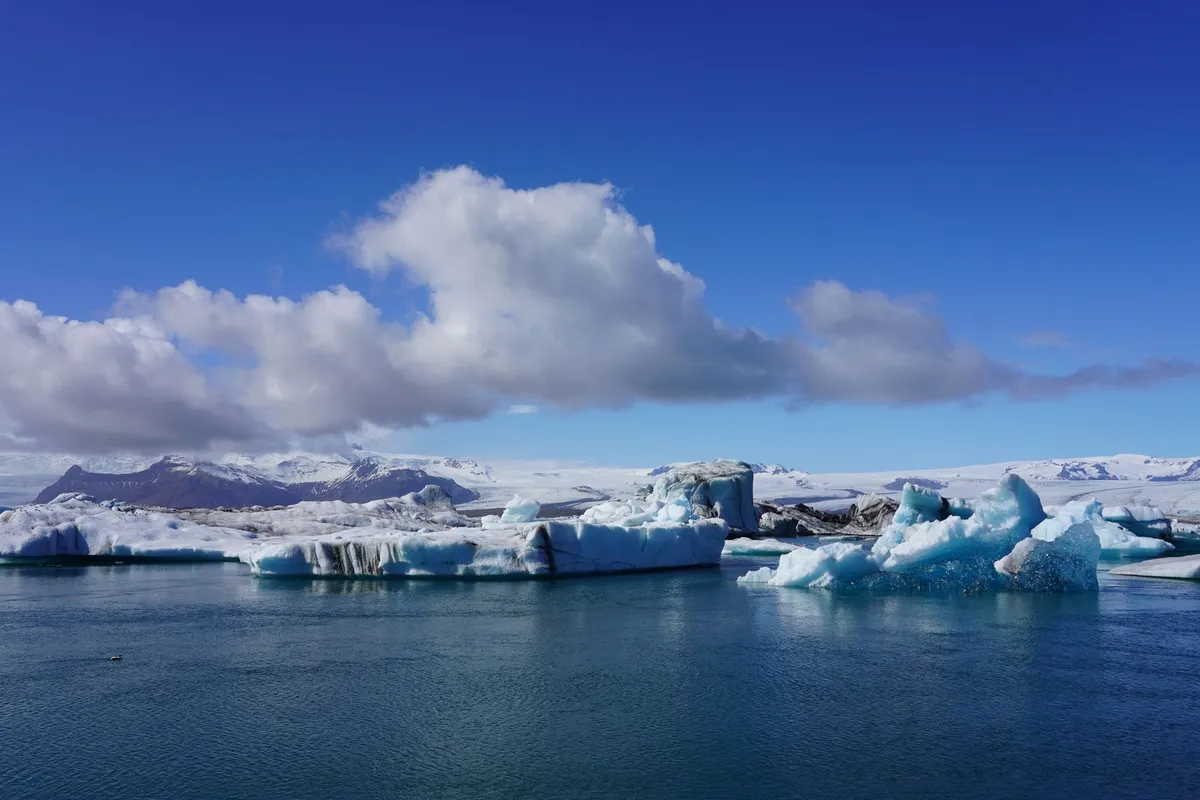
8-Day Ring Road Itinerary: The Sequence That Avoids Backtracking
You can drive the loop in either direction; for a first trip, heading south first concentrates the most famous stops early on and leaves the return through the North and West more direct. The choice doesn’t change the rule: 1,322 km demands buffer days.
- Day 1 — Arrival and Reykjavík: sleep in the capital if your flight lands late in the day. Use the time to stock up at the grocery store and pick up the car only the next morning if it’s just going to sit parked.
- Day 2 — Golden Circle and Selfoss/Hella: Þingvellir, Geysir, and Gullfoss make a great first impression. Sleep to the south to shorten the next day.
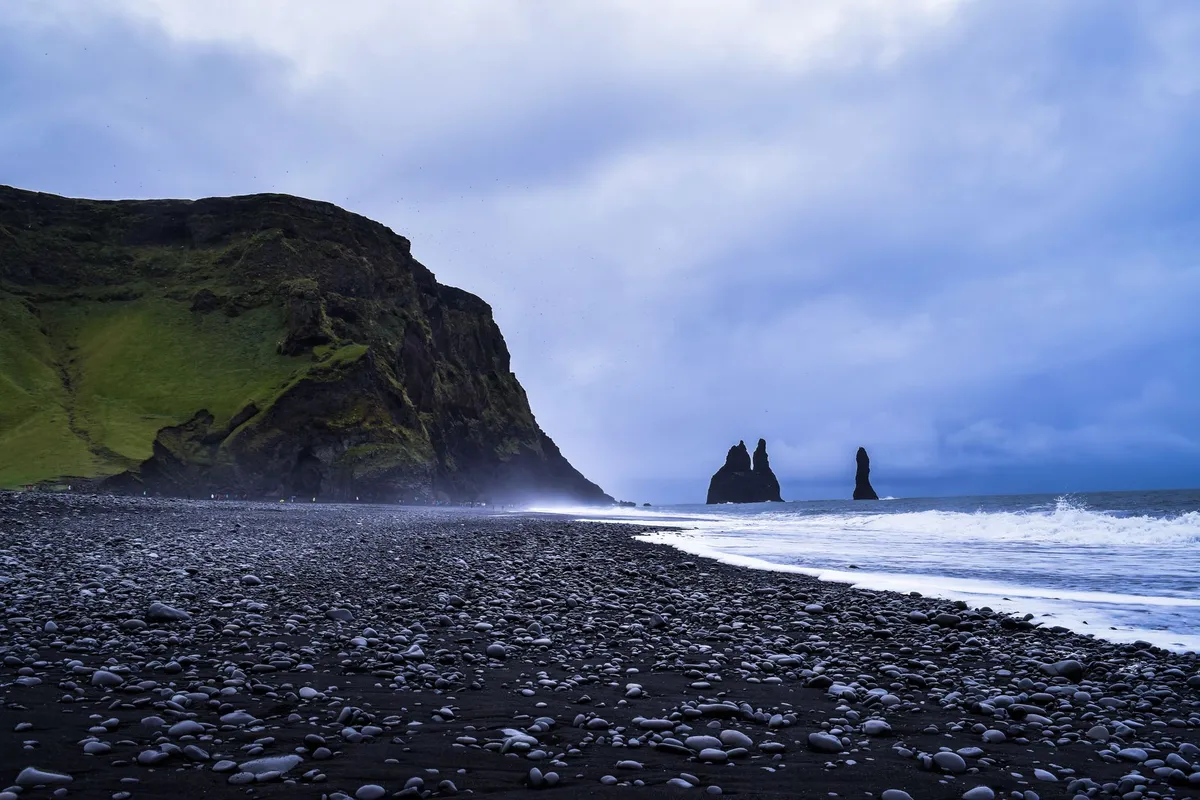
- Day 3 — South Coast and Vík: Seljalandsfoss, Skógafoss, and Reynisfjara beach are all on the way. At Reynisfjara, keep your distance from the sea: sneaker waves are a real danger.
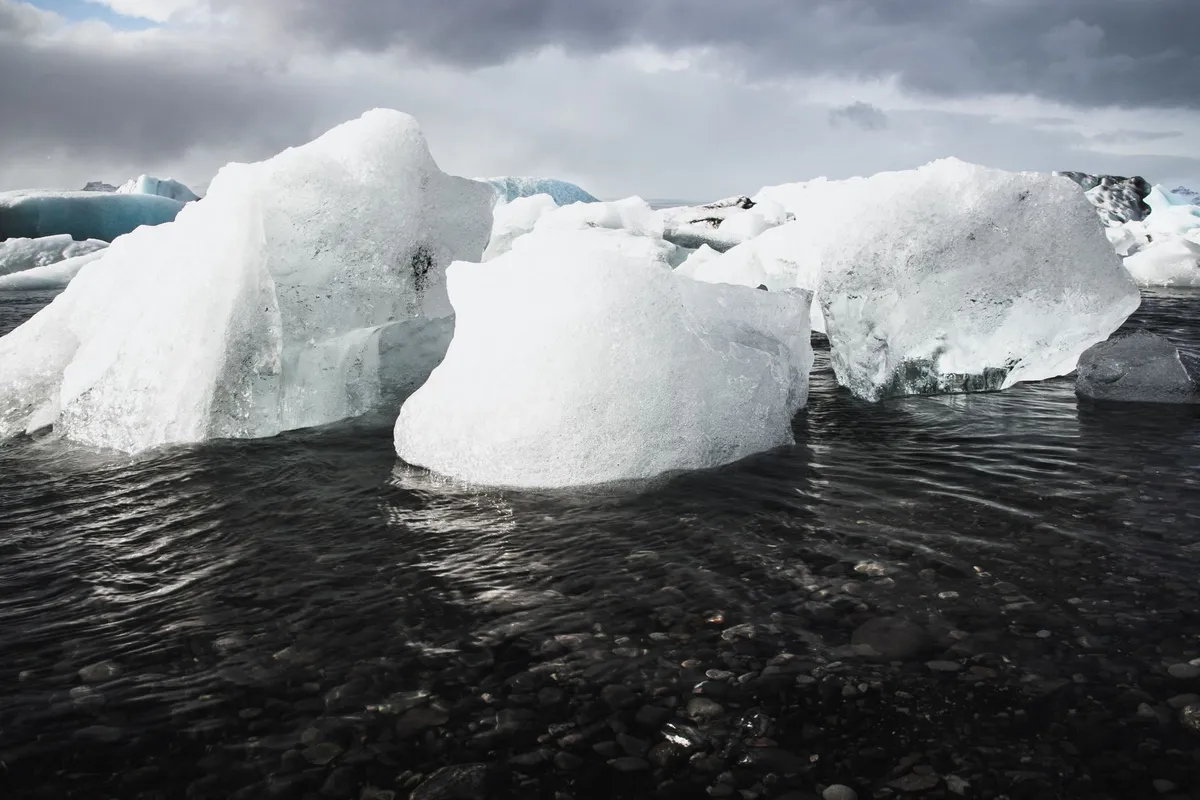
- Day 4 — Vík to Höfn: pass by Fjaðrárgljúfur if conditions allow, then Skaftafell and Jökulsárlón. Sleep in Höfn or nearby.
- Day 5 — Eastfjords and Egilsstaðir: this is the day to accept that the landscape demands a slow pace. Choose Egilsstaðir if you prioritize services; coastal villages if you prioritize scenery.
- Day 6 — Mývatn: Dettifoss, Hverir, and the lake area fill the day nicely. Sleep in Mývatn or Akureyri depending on your booking.
- Day 7 — Akureyri and Borgarfjörður: cover the North without trying to squeeze in every attraction. This is a travel day, so keep one main stop and a plan B.
- Day 8 — Return to Reykjavík/KEF: time your drive to your flight. If you’re sleeping in Reykjavík, also check out our 3-day Reykjavík itinerary.
Hotel bookings drive this itinerary more than the urge to “check off” every stop. If bad weather is forecast, swap a nearby visit or skip a detour; don’t push yourself to drive tired at night.
How Much Does a Trip to Iceland Cost?
For planning, consider a mid-range reference of about US$ 275 per person per day, excluding airfare (verified in August 2026), according to the 2025–2026 estimate from GoIce Travel. As a safe range, work with US$ 220 to US$ 350 per person/day before your flight; July, a single room, car insurance, and paid lagoons push the total up significantly.
| Profile | How they travel | What costs the most |
|---|---|---|
| Budget | grocery stores, shared rooms or camping when possible, shared car | vehicle coverage and lodging availability |
| Mid-range | guesthouse/simple hotel, shared car, and a few activities | nightly rates, food, and insurance |
| Comfort | well-located hotel, larger car, and lagoons/tours | high season and paid activities |
Get three separate quotes: car with all fees and protection, lodging per night, and food. Then add fuel, parking, flights, and activities. Don’t treat the insurance deductible as a detail: read the exclusions for wind, gravel, and road damage before accepting the rental.
For a two-person, eight-day trip, splitting the car and room is the most concrete way to save. Cooking some meals cuts daily costs; dropping essential insurance to lower the daily rate is not a safe saving.
When to Go to Iceland?
June to August is the easiest window for a first Ring Road trip: more daylight, more accessible roads, and more options in remote areas. In winter, the trip is still possible, but it requires daily monitoring of road, snow, wind, and alerts—guidance reinforced by Visit Iceland.
| Season | Choose it if you want | The adjustment needed |
|---|---|---|
| Summer | full Ring Road, hikes, and long days | book lodging and car early |
| September/October | less light, autumn colors, and a chance of aurora | accept itinerary changes due to weather |
| Winter | aurora and snowy landscapes | shorten the route, keep buffer time, and avoid driving under pressure |
| Spring | transition with fewer crowds for part of the season | check road and service openings |
Prioritizing the aurora? Check out where to see the Northern Lights and what it costs and our guide to the best time to see the aurora. It’s never guaranteed on any given night—the sky and solar activity call the shots, so don’t use an aurora hunt to justify a long stretch of driving.
Do you need a 4×4 for the Ring Road?
No. The Ring Road doesn’t require a 4×4, according to the official tourism source. A 4×4 only makes sense for certain mountain roads and specific conditions—don’t rent one just because of the trip’s name.
Before you head out, check road conditions and the forecast; do it again before each long stretch. If a route closes or the wind picks up, changing your plan is just part of the trip. Never drive an F-road without the right vehicle and authorization, and don’t cross rivers unless you know the procedure and local conditions.
Can you explore Iceland without driving?
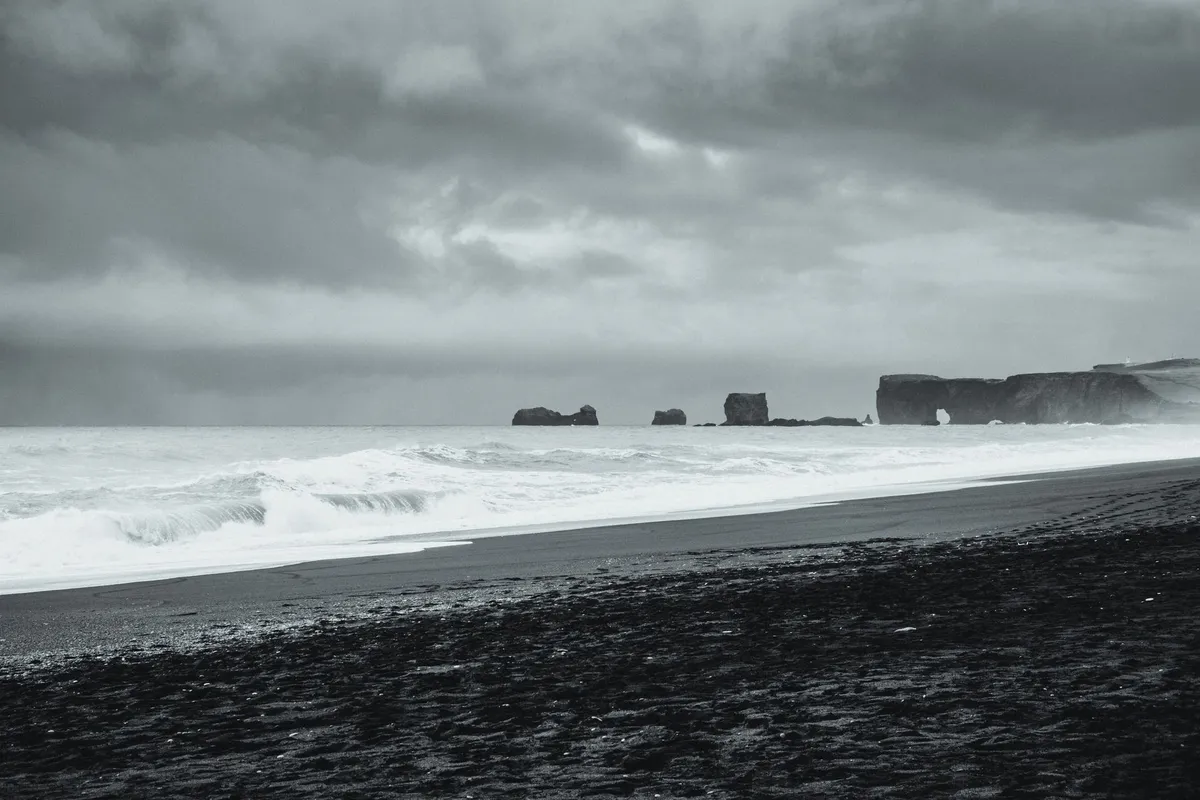
Yes, as long as you base yourself in Reykjavík and accept seeing the country in pieces. There’s a South Coast and waterfalls tour leaving from the capital; it covers one of the most in-demand stretches without a rental.
Build three independent days: the Golden Circle, the South Coast, and an aurora or lagoon activity. The Golden Circle route is another solid day-trip option. For the full Ring Road, a multi-day tour or a car are the more realistic solutions; public buses and walking routes just can’t match the freedom of stopping at every attraction.
Do Brazilians need a visa to enter Iceland?
For tourism, double-check the current requirements before you fly. The official Ísland.is page states that non-EEA/EFTA visitors must have a passport issued less than ten years ago and valid for at least three months after departure; Schengen rules cap short stays at 90 days within any 180-day period.
Bring proof of accommodation, return travel, and funds, and check your airline’s requirements too. Entry rules can change—this is a step to review on the official channel close to your date, not something to trust from an old list.
Five mistakes that can derail your Ring Road trip
- Booking one night in each town with no buffer for weather.
- Choosing a car by daily rate and discovering fees or exclusions at the counter.
- Planning your KEF arrival, Reykjavík stay, and car pickup as if they’re all the same place.
- Adding the Westfjords to an eight-day itinerary.
- Treating an aurora forecast as a guaranteed appointment.
Frequently asked questions
Which direction should you drive the Ring Road?
There’s no mandatory direction: heading south first puts waterfalls, beaches, and Jökulsárlón at the start. Choose your direction based on the forecast, accommodation bookings, arrival time, and which stretch feels safest to drive.
Is it safe to drive in Iceland in winter?
It can be safe for drivers with experience, the right vehicle, and flexibility, but winter demands daily checks on roads, wind, snow, and alerts. Shorten your route, keep spare nights, and never drive just to honor a reservation.
Is Iceland an expensive destination?
Yes: accommodation, car, insurance, fuel, and activities add up fast. A mid-range benchmark of US$275 per person per day, verified in August 2026, is a good starting point; real quotes for your dates will set the final number.
The safest starting point
Plan for eight days, choose stays that break up the long drives, and let the weather fine-tune your route. The Ring Road rewards a little slack in your schedule: that’s how a shift in the wind becomes a route adjustment, not a travel headache.