The Glacier Express connects St. Moritz to Zermatt in 7h30, crossing 291 bridges, 91 tunnels, and the Landwasser Viaduct — and it’s called the “slowest express train in the world” because it runs at an average of 38 km/h on purpose: so you can actually see the scenery, not just pass through it. This isn’t a bullet train; it’s a panoramic showcase on rails, with floor-to-ceiling windows and assigned seating.
The short version: a 2nd class ticket costs CHF 159 and the mandatory seat reservation adds another CHF 54, totaling CHF 213 per person (Sep 2026). The journey takes 7h30, runs in two seasons (summer and winter), and you should book well in advance because window seats sell out during peak months.
| Price | CHF 159 (2nd class) or CHF 272 (1st class), full St. Moritz–Zermatt route (Sep 2026) — official price |
|---|---|
| Seat reservation | Mandatory, CHF 54 in any class, released 93 days before departure (Sep 2026) |
| Free? | No exemptions; the Swiss Travel Pass covers the transport but not the mandatory reservation |
| Duration | 7h30 on the full route (St. Moritz ↔ Zermatt), 291 km |
| Season | Summer: May 2 to Oct 10, 2026. Winter: Dec 5, 2026 to May 7, 2027 — confirm on the official website |
| How to book | Official website glacierexpress.ch or partner agencies, up to 93 days in advance |
How to get to the Glacier Express stations
The train departs from two ends: St. Moritz, in the Grisons region, and Zermatt, in Valais, at the foot of the Matterhorn — but you can also board in Chur, Disentis, Andermatt, or Brig, which sit midway along the route. St. Moritz connects by regular train to Zurich (about 3h) and Chur (1h30); Zermatt is a car-free village, reached by train from Täsch, where drivers leave their vehicle in the parking lot and switch to the train for the final 12 minutes.
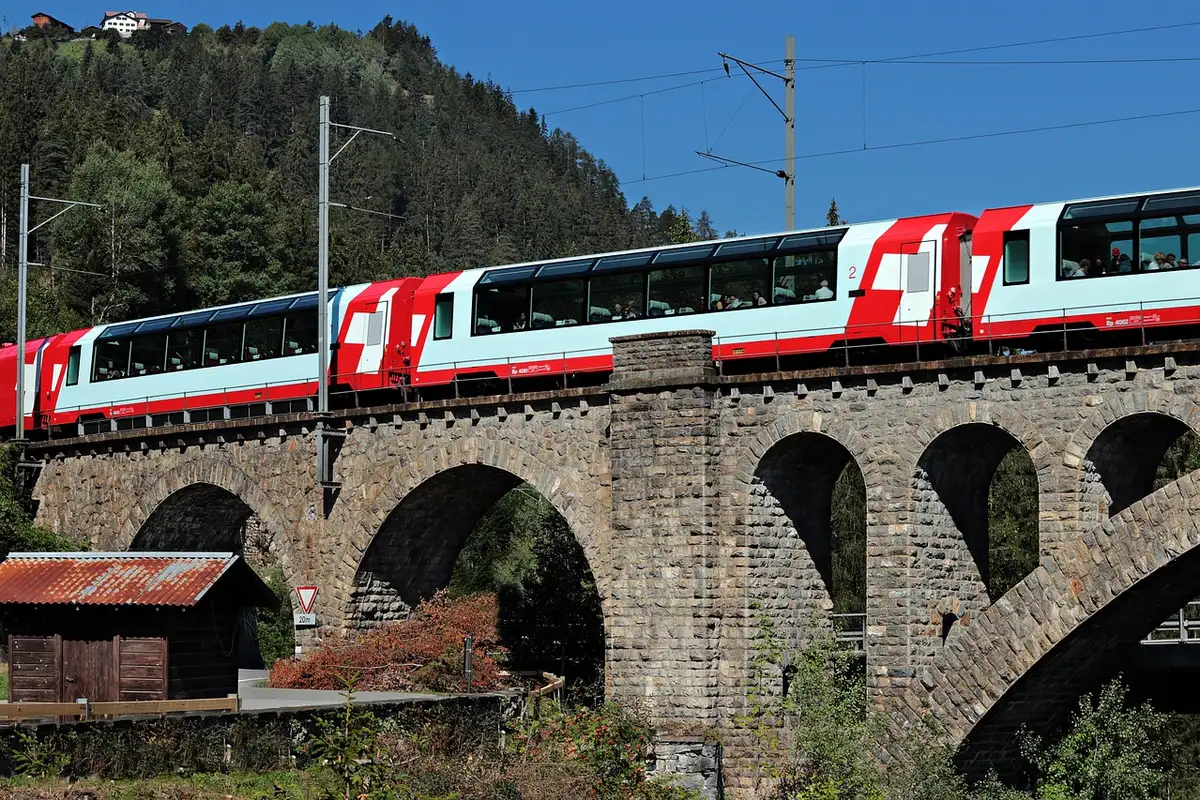
Those arriving by plane usually land in Zurich or Geneva and connect by train — the Swiss network is punctual enough that you can plan tight connections without fear. If you’re coming from Milan, there’s a direct train to Chur or Tirano (the end of the Bernina Express, see below) in just a few hours.
Best time to go and how long the journey takes
The full journey takes 7h30, covering 291 km between St. Moritz and Zermatt at an average speed of 38 km/h — hence the nickname “slowest express train in the world.” The route makes quick stops at intermediate stations, but you can’t hop off and back on with the same ticket without replanning.
The Glacier Express doesn’t run year-round. The summer season runs from May 2 to October 10, 2026, with green valleys and snow only on the peaks; the winter season starts December 5, 2026 and runs through May 7, 2027, with everything blanketed in snow and the Landwasser Viaduct framed in white. Between October and December the train stops for maintenance — confirm the exact dates on the official website before booking flights.
In summer, the heat melts some of the snow on the glaciers visible from the window, so if you want the fully snow-covered postcard scene, aim for December through March. In winter, on the other hand, cloudy or foggy days at lower altitudes can hide the Matterhorn during the final 40 minutes before Zermatt.
What to see from the window: the stretches worth your attention
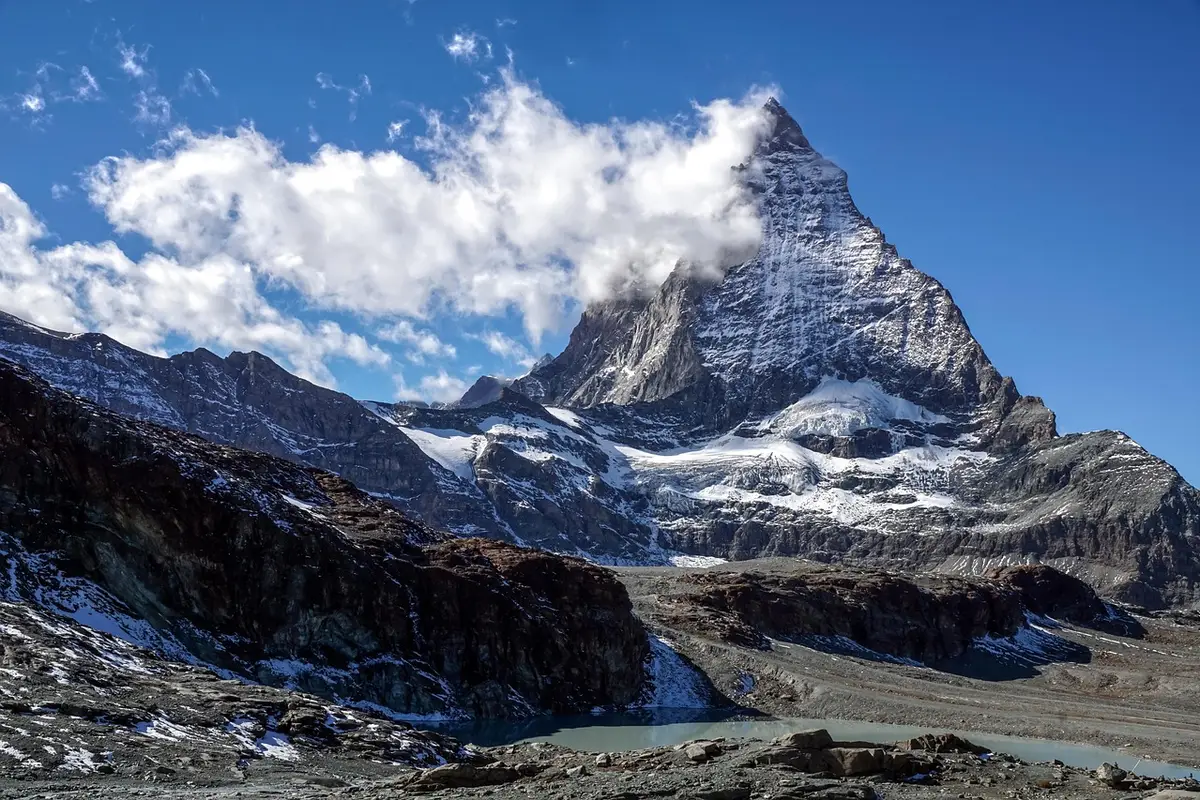
Not the entire route is spectacular the whole time — anyone boarding expecting 7h30 of nonstop wow will be disappointed. The concentrated scenic stretches are: the climb to the Oberalp Pass (2,033 m, the highest point on the line), the Landwasser Viaduct near Filisur (the tight curve over the 65-meter-high valley, with no visible parapet from the window), and the final 40 minutes approaching Zermatt, with the Matterhorn appearing head-on.
The stretch between Reichenau and Disentis, through the Vorderrhein Valley, is tamer — good for resting your eyes, grabbing a bite, or taking a nap. Save your attention (and your camera battery) for the 90 minutes before and after the Oberalp Pass, where the shot everyone posts is taken.
How much the Glacier Express really costs
A 2nd class ticket on the full St. Moritz–Zermatt route costs CHF 159, and 1st class costs CHF 272 (Sep 2026, official price). On top of that comes the mandatory CHF 54 seat reservation in any class — without it you don’t board, even with a Swiss Travel Pass in hand, because the pass covers transport but not the reservation.
Real total cost per person: CHF 213 in 2nd class or CHF 326 in 1st class/Excellence Class (ticket + reservation, Sep 2026). Excellence Class costs the same as 1st class but requires a separate purchase of the premium seat — it includes a paired 5-course menu and is sold as the most sought-after seat on the train, so anyone wanting that experience should book well in advance.
| Class | Ticket | + Reservation | Total |
|---|---|---|---|
| 2nd class | CHF 159 | CHF 54 | CHF 213 |
| 1st class | CHF 272 | CHF 54 | CHF 326 |
| Excellence Class | CHF 272 | CHF 54* | CHF 326* |
*Excellence Class seat subject to separate availability; prices in CHF, Sep/2026 — confirm conversion and availability on the official website.
Add up the rest of the day — transfer to St. Moritz or Zermatt, a meal on board (the train doesn’t include food in the base price, except in Excellence Class) and a night’s stay on arrival — and the real cost of the experience lands between CHF 250 and CHF 450 per person (Sep/2026), depending on the class and whether or not you eat in the dining car.
How to book a seat on the Glacier Express
Bookings open 93 days before your travel date on the official website glacierexpress.ch, and this is the step that causes the most headaches for people who start researching after they’ve already bought plane tickets — without this separately paid reservation, your ticket alone doesn’t guarantee boarding. First-class window seats and Excellence Class spots in July and August tend to sell out within a few weeks of opening.
Step by step: choose your date and route on the official website, select your class, pay for the ticket and the reservation together (international cards accepted), and save the confirmation — it replaces a physical assigned seat. If you have a Swiss Travel Pass or Eurail Pass, you still have to pay the reservation separately; the pass only covers the ticket for the route — check out this guide to train travel in Europe: passes and reservations to understand how these passes work outside Switzerland too.
If your trip through Switzerland goes beyond the Glacier Express, the Swiss Travel Pass pays off: it covers trains, buses and boats across the whole country on the days you choose, including the Glacier Express route (but not the seat reservation, as we’ve seen). You can buy the Swiss Travel Pass online before you board and skip the ticket-counter line in Zurich.
Is the Glacier Express worth it or overrated?
It’s worth it for anyone who loves a slow pace and sees the train as part of the trip, not just a way to get from A to B — but those expecting 7h30 of nonstop visual climax often come away a little disappointed, because much of the route is green or farmland valley without much landscape drama.
It works best for people already passing between Graubünden and Valais (in other words, they were going to take some train anyway) and who decide to do this specific route instead of a faster, cheaper connection. For anyone who just wants to “see the Alps by train” without committing to ending in Zermatt, the Bernina Express (next section) delivers more concentrated scenery in less time and for less money.
Glacier Express or Bernina Express: which to choose
The Bernina Express links St. Moritz to Tirano (Italy) in about 4 hours, costs less and is considered by many travelers the most impressive panoramic stretch in Switzerland per unit of time — it even has open panoramic cars in summer. The Glacier Express is longer, pricier and its advantage is precisely that it connects two complete tourist destinations (St. Moritz and Zermatt) instead of ending in a smaller border town.
| Train | Duration | Best for |
|---|---|---|
| Glacier Express | 7h30 | anyone going from St. Moritz to Zermatt anyway |
| Bernina Express | ~4h | anyone who wants intense scenery in less time and for less money |
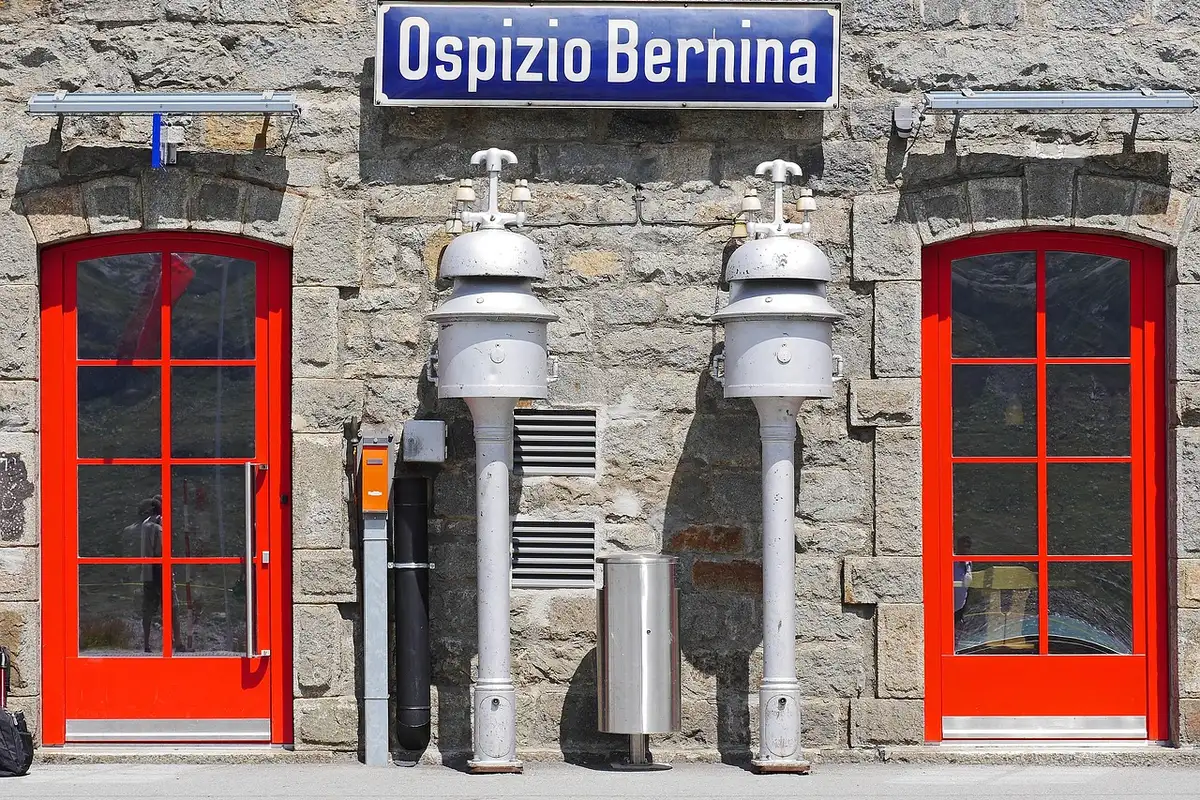
If you only have 1 free day in the Graubünden region and want to decide fast: choose the Bernina Express if the goal is to see beautiful Alps while spending less time and money; choose the Glacier Express if Zermatt and the Matterhorn are already on your itinerary as a destination, not just as an excuse for a train ride.
If the idea is to keep chasing more Alps after Switzerland, the Dolomites, in Italy, are in a neighboring region and can be included on the same travel axis by rail and alpine roads.
Traps and what nobody tells you
Before you buy, check out the most common mistakes made by people who’ve already done the route:
- The reservation isn’t automatic: plenty of people buy the ticket thinking it guarantees their seat, only to find out later they need to book separately — and end up paying more for it in the last-minute rush.
- Glass reflects and gets dirty: on cloudy days, the glass skylight reflects interior light and ruins photos; bring a cloth to clean the glass on your side and avoid flash.
- The middle stretch is weaker: between Reichenau and Disentis the scenery is flatter — it’s not the whole train that impresses, it’s concentrated in a few segments.
- The Swiss Travel Pass doesn’t cover everything: the pass pays for transport but the CHF 54 reservation is always separate, a common surprise for anyone who budgeted without that line item.
- Food on board is extra: except in Excellence Class, meals and drinks are bought in the dining car and cost more than at a street restaurant — bring a snack if you want to save.
- Big luggage is a nuisance: the cars have limited space for large suitcases; if you’re changing cities with long-trip luggage, consider shipping it via SBB CFF FFS Alps Luggage Express (the official Swiss service) so you can travel lighter.
Where to stay before or after the trip
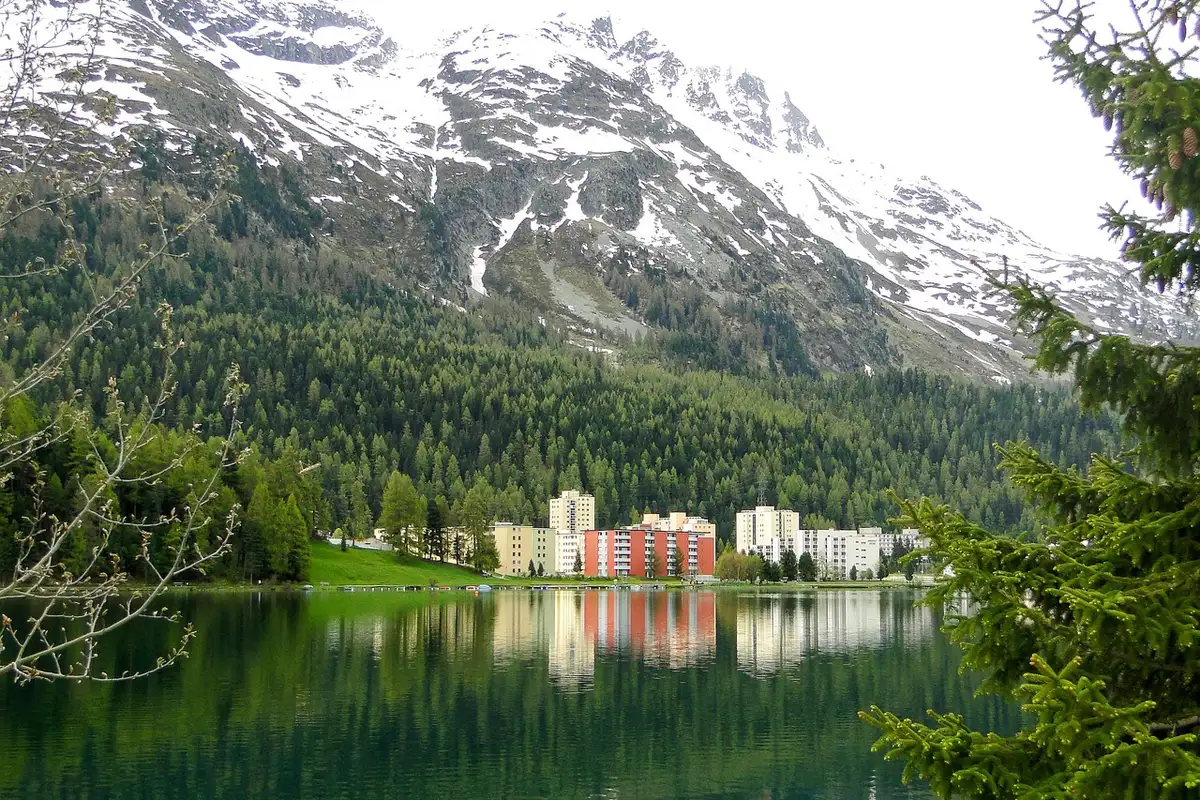
In St. Moritz, accommodations are concentrated near the lake and the station — it’s an expensive town even by Swiss standards, so it’s worth booking ahead to get better prices outside the peak ski season (December to March). In Zermatt, since it’s a car-free village, almost every place to stay is a short walk from the station; if you want a guaranteed view of the Matterhorn from your room, confirm that at booking, because not every inn has that angle.
If your budget is tight, consider sleeping in Chur (cheaper, with good train connections to both ends) and doing the Glacier Express as a day trip or partial segment, saving the expensive night for Zermatt only.
Practical tips for the day of the trip
Arrive at the station 20 minutes early — the train leaves on the dot, with no Swiss tolerance for lateness. Sit on the left side leaving St. Moritz (or the right side leaving Zermatt) to catch the Landwasser Viaduct head-on; bring a jacket even in summer, because the air conditioning is strong and the stops at altitude are cold. Download the train’s route map before boarding, because cell signal drops in several alpine tunnels.
If you’re traveling with Interlaken and the Jungfrau region on the same Switzerland itinerary, you can chain both panoramic trains into a single trip, slotting St. Moritz or Zermatt into opposite ends of the country without backtracking.
Frequently asked questions
Does the Glacier Express run year-round?
No. The Glacier Express operates in two seasons: summer, from May 2 to October 10, 2026, and winter, from December 5, 2026 to May 7, 2027, with a maintenance break between October and December — confirm the exact dates on the official website before planning your trip.
Can you ride just a section of the Glacier Express?
Yes, you can board and disembark at intermediate stations such as Chur, Disentis, Andermatt or Brig, paying for the proportional segment. Partial-segment bookings must be confirmed directly on the official website glacierexpress.ch, since seat reservations follow the same rules as the full route.
Does the Swiss Travel Pass cover the Glacier Express?
The Swiss Travel Pass covers the Glacier Express transport ticket, but it does not cover the mandatory seat reservation of CHF 54, which must be paid separately in any class (Sep/2026).
Is it worth paying for Excellence Class?
Excellence Class costs the same as 1st class (CHF 272) but comes with a separate premium seat and a 5-course paired menu included — worth it for anyone who wants the full dining experience on board and books well in advance, since these are the most sought-after seats on the train.
Do Brazilians need a visa to ride the Glacier Express?
Brazilians don’t need a visa to enter Switzerland for tourist stays of up to 90 days within the Schengen area, so no extra visa is required specifically to board the Glacier Express — always confirm the current entry rules on the official Ministry of Foreign Affairs website before traveling.
Conclusion
The Glacier Express delivers what it promises for anyone who understands the concept: a slow train with alpine scenery and comfort, not a non-stop visual roller coaster. Book in advance, choose the right side of the window and decide calmly between the Glacier and Bernina Express before buying. For more panoramic train itineraries across Europe, Voyage Voyage has other practical guides such as the one for Interlaken and Jungfrau.