 Marcelo Oliveira
El Calafate or Ushuaia — this choice divides anyone planning their first trip to Argentine Patagonia who doesn’t have the days (or the budget) to fit in both destinations. Both sit at the far southern tip of the country, but they deliver completely different experiences: El Calafate is about monumental ice and silence, Ushuaia is about the end of the world, navigation, and subantarctic forests. If you only have time for one, El Calafate is usually the more impactful choice — Perito Moreno Glacier is an experience that’s hard to match. But if your trip allows 6 to 8 days, doing both back to back is the ideal itinerary.
El Calafate or Ushuaia: for those who can only pick one, El Calafate offers Patagonia’s strongest visual punch with Perito Moreno Glacier and the option to extend to El Chaltén. Ushuaia makes up for it with diversity — Beagle Channel navigation, subantarctic forest, and winter skiing. With 7 to 8 days, you can do both in sequence, starting with Ushuaia.
How to get to El Calafate and Ushuaia
Both destinations have airports with direct flights from Buenos Aires (Aeroparque or Ezeiza). The flight to El Calafate (FTE) takes about 3h15; to Ushuaia (USH), 3h30. Aerolíneas Argentinas and Flybondi operate the routes, with prices that vary a lot depending on how far in advance you book — reserve at least 30 days ahead to get reasonable fares.
Between El Calafate and Ushuaia there’s a direct flight operated by Aerolíneas Argentinas, but it doesn’t run daily in every season — in low season it may require a stopover in Buenos Aires. The direct flight takes about 1h20. The overland alternative (bus) takes more than 18 hours with a border crossing through Chile, and only makes sense for those who want the road adventure. The most practical order is to fly from Buenos Aires to Ushuaia first and return via El Calafate (or the reverse), avoiding backtracking to your starting point.
Best time to go and how many days in each destination
The ideal season for both destinations runs from October to April, with the peak between December and February (austral summer). During this period temperatures range from 5 °C to 15 °C in El Calafate and from 2 °C to 12 °C in Ushuaia — yes, it’s cold even in summer, and the Patagonian wind doesn’t let up. Bring layers, a windbreaker, and gloves even in January. If you haven’t packed yet, check out our guide to dressing for Patagonia with the full layering system.
For El Calafate, 3 full days are enough: one for Perito Moreno (walkways + navigation or minitrekking), one for the excursion to Upsala and Spegazzini glaciers, and one for rest or a day trip to El Chaltén. For Ushuaia, 3 to 4 days work well: one for Tierra del Fuego National Park, one for the Beagle Channel, and one or two for trails at Glaciar Martial or Laguna Esmeralda. If you’re doing both destinations, plan for 7 to 8 days total, including travel time.
El Calafate: glaciers, silence, and Perito Moreno
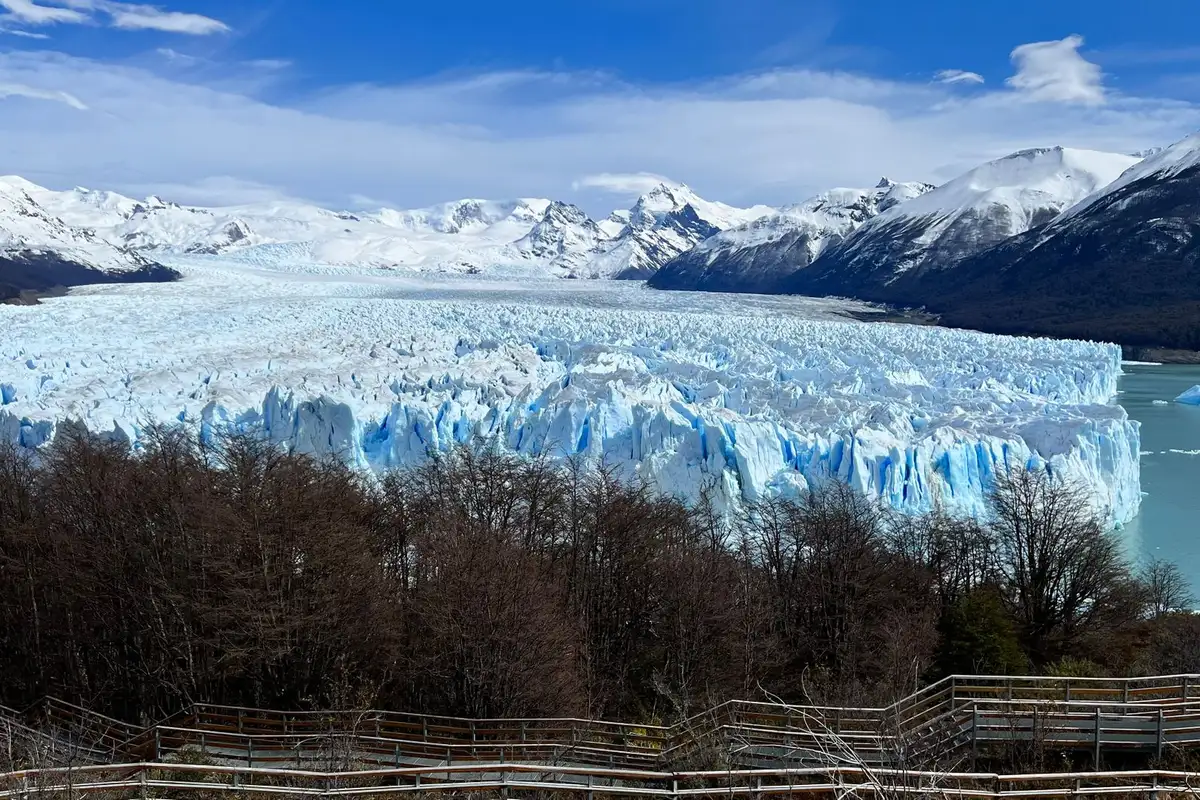
El Calafate exists because of the ice. The town itself is small and functional — one main avenue with restaurants, tour agencies, and souvenir shops — but Los Glaciares National Park, 80 km away, is the reason for the trip. Perito Moreno Glacier is an ice wall 5 km wide and 60 meters tall above the surface of Lago Argentino, and it’s among the few glaciers in the world that are still advancing.
The most accessible visit is via the walkways (a circuit of viewpoints with frontal views of the glacier — bring binoculars to see the calving up close). For those who want to walk on the ice, the minitrekking on Perito Moreno includes a crampon walk across the glacier surface — it’s the most memorable experience in El Calafate and usually sells out weeks in advance during high season.
Beyond Perito Moreno, the Lago Argentino navigation takes you to the Upsala and Spegazzini glaciers — less famous but equally impressive. El Calafate is also the gateway to El Chaltén and its trails to Monte Fitz Roy (see below). To figure out where to base yourself in town, check out our guide to where to stay in El Calafate.
Ushuaia: Beagle Channel, Tierra del Fuego, and the end of the world
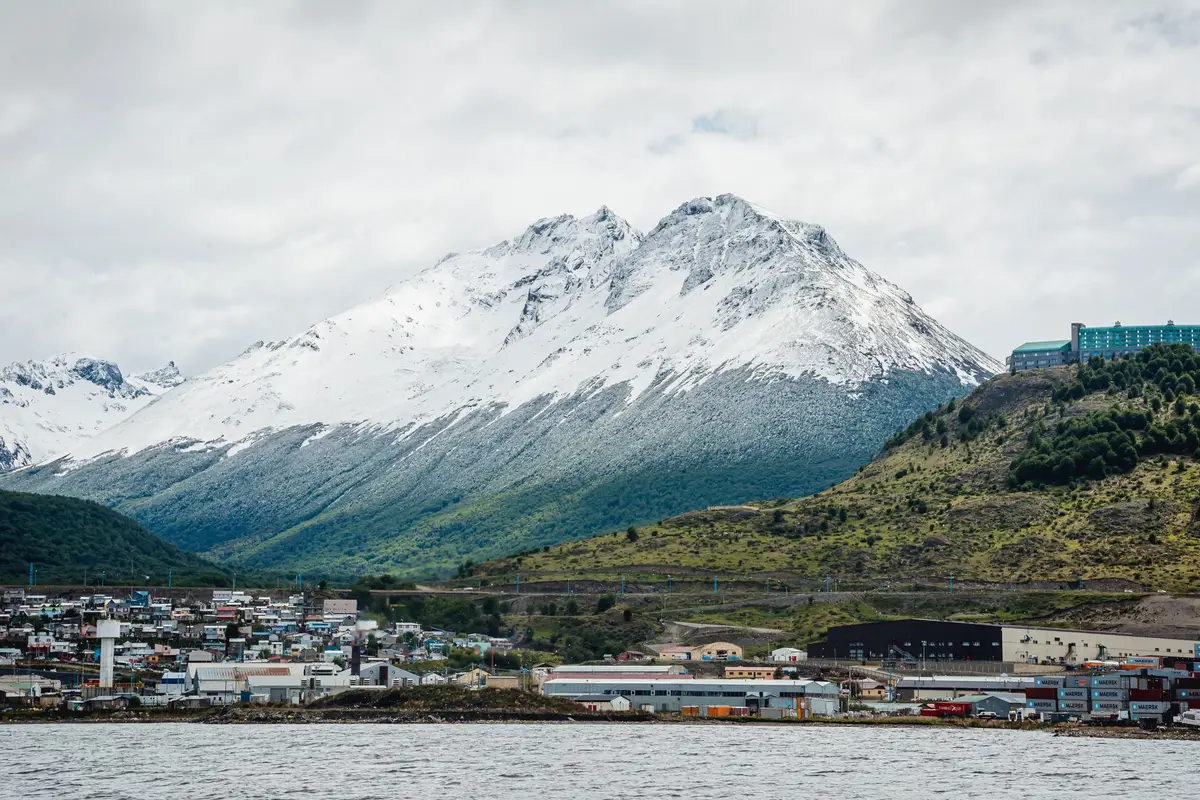
Ushuaia sells an idea — “the end of the world” — and the city delivers. Surrounded by the snow-capped mountains of the Cordillera de Darwin and washed by the Beagle Channel, the capital of Tierra del Fuego has an atmosphere no other Patagonian destination replicates: it’s where civilization meets raw nature.
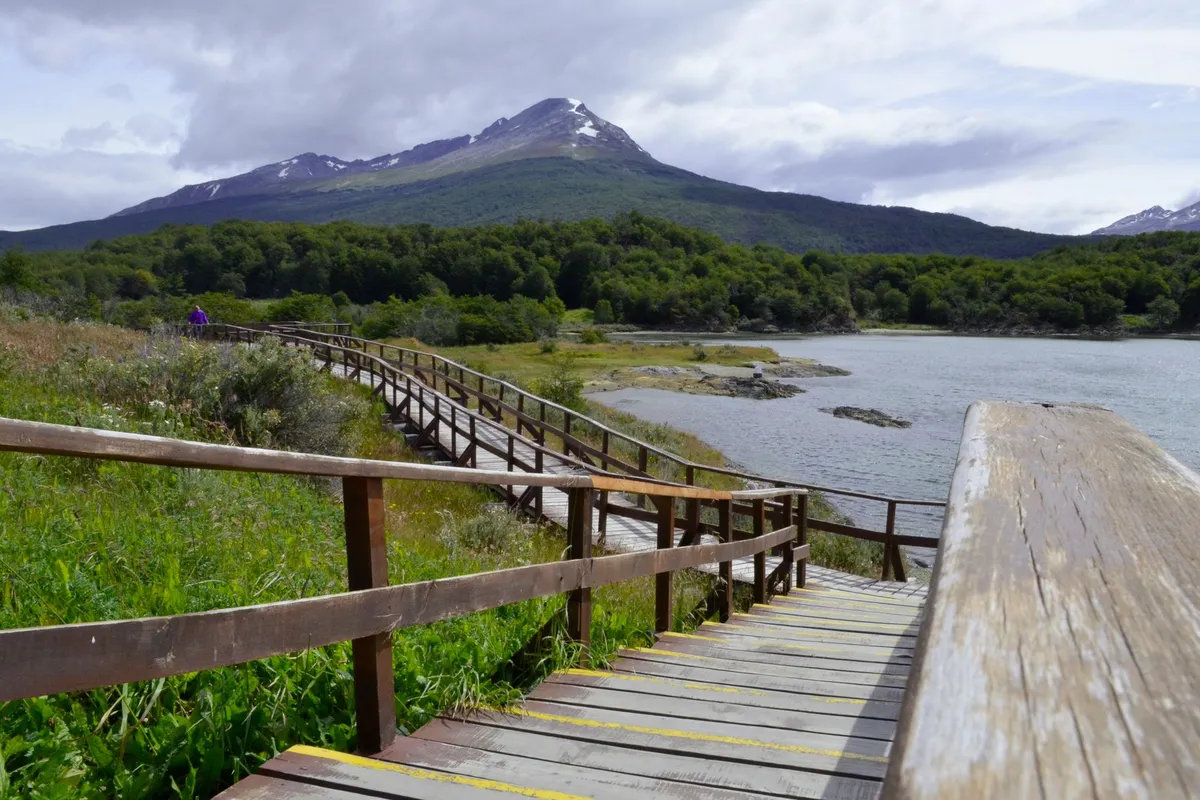
The must-do tour is the Beagle Channel navigation: catamarans leave the port and pass by Isla de los Lobos Marinos, Isla de los Pájaros, and the iconic Les Éclaireurs Lighthouse (which many people confuse with the “lighthouse at the end of the world”). The excursion lasts about 2h30 and runs year-round. Tierra del Fuego National Park is 12 km from the city and offers short trails through lenga forests, lakes, and Bahía Lapataia — the endpoint of Route 3, which begins in Buenos Aires.
For those seeking longer trails, Laguna Esmeralda (7 km round trip, moderate difficulty with peat bog sections) and Glaciar Martial (accessed by chairlift + hike) round out the itinerary. In winter (June–September), Ushuaia transforms into a ski destination at Cerro Castor, the southernmost ski resort on the planet. For a day-by-day itinerary, see our Ushuaia in 4 days guide.
El Chaltén: the bonus that changes your itinerary
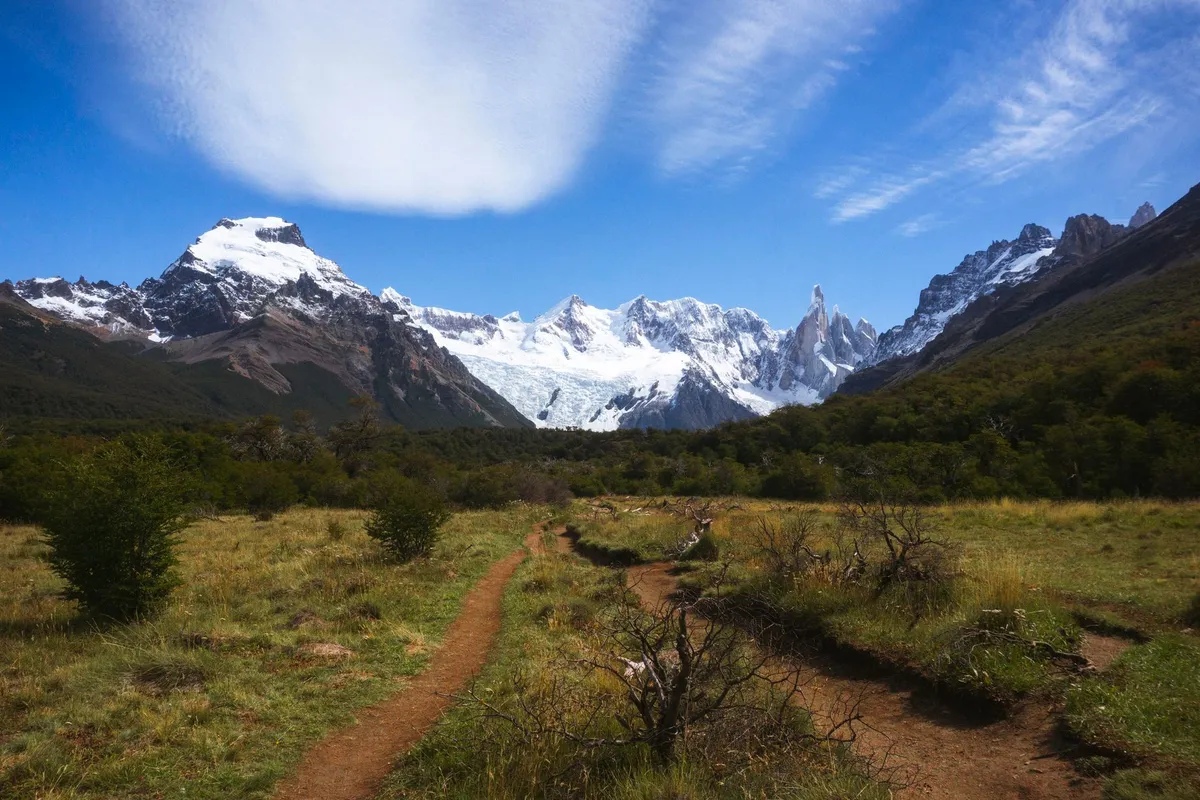
El Chaltén is a 3-hour bus ride from El Calafate and is Argentina’s trekking capital. The village is the starting point for the trail to Laguna de los Tres (base of Monte Fitz Roy) and Laguna Torre — both moderate-to-high difficulty, no guide required. The trail itself is free, but park entry is charged at the El Chaltén entrance: $50,000 pesos per day for foreigners (Parques Nacionales, checked on 10/23/2026). If the ice of Perito Moreno is the strongest visual experience, Fitz Roy is the most physical one.
Anyone adding El Chaltén to an El Calafate itinerary needs at least 2 extra days — one for the Fitz Roy trail (10h round trip) and another for Laguna Torre or rest. Agencies in El Calafate sell 1-day round trips, but the 6-hour bus ride (round trip) eats into your trail time. For those who want to go beyond the Perito Moreno viewpoints, our guide Los Glaciares beyond Perito Moreno details the options.
Comparison table: El Calafate × Ushuaia
| Criterion | El Calafate | Ushuaia |
|---|---|---|
| Main experience | Glaciers (Perito Moreno, Upsala, Spegazzini) | Beagle Channel + Tierra del Fuego National Park |
| Trekking | Minitrekking on the ice + El Chaltén (day trip) | Laguna Esmeralda, Glaciar Martial, park trails |
| Navigation | Lago Argentino (glaciers) | Beagle Channel (sea lions, lighthouse, penguin colony) |
| Snow/skiing | No | Yes (Cerro Castor, Jun–Sep) |
| Ideal days | 3 (+ 2 with El Chaltén) | 3 to 4 |
| Summer temperature | 5 °C to 15 °C | 2 °C to 12 °C |
| Wind | Strong and constant | Strong, with frequent rain |
| Park entry (foreigners, 1 day) | $50,000 pesos (Los Glaciares National Park) | $40,000 pesos (Tierra del Fuego National Park) |
| Ideal for | Those who want maximum visual impact | Those who want diversity: sea, mountain, forest |
Entries: daily pass, General category (foreigners), valid since June 1, 2026, according to the Parques Nacionales table (checked on 10/23/2026). The second day gets a 50% discount within 72 hours; in Tierra del Fuego, only when purchased online. Lodging, navigations, minitrekking, and flights have no official price table: check the current price with the operator before booking.
El Calafate or Ushuaia: which is better?
If you have to choose just one, El Calafate tends to win: Perito Moreno Glacier is an immediate-impact experience that requires no physical preparation, and combining it with El Chaltén adds world-class trekking to your itinerary. Ushuaia shines when you want diversity — sea, mountain, forest, and the mystique of the end of the world — and works especially well in winter for those who want snow and skiing.
For those doing both, the most popular order is Ushuaia first, El Calafate second: you start with the wetter destination and finish with the climax at Perito Moreno. Logistics also favor this order, since many return flights to Buenos Aires leave from El Calafate with better schedules. Those with 8+ days can fit El Chaltén in the middle and build the complete Patagonia triangle. To see up close what Perito Moreno Glacier delivers, we have a dedicated guide.
Practical tips for Argentine Patagonia
Clothing: layering is mandatory — thermal base layer, fleece, and a waterproof windbreaker. Even in summer the wind chill can drop below freezing. Waterproof trekking boots make a difference in Ushuaia (wet peat bog on Laguna Esmeralda) and in El Chaltén.
Money: credit cards are accepted at most restaurants and agencies, but bring Argentine pesos in cash for taxis, tips, and small shops. Brazilians don’t need a visa for stays of up to 90 days in Argentina.
Reservations: minitrekking on Perito Moreno and Beagle Channel navigation sell out in high season — book online at least 2 weeks in advance. Lodging in El Chaltén also sells out fast between December and February.
 HotelAs soon as you have datesCompare neighbourhoods and guest ratings.See hotels ↑
 ActivitiesBefore you travelBook ahead the ones with limited spots.Civitatis ›
 More activitiesTo compareTickets, day trips and tours with flexible cancellation.GetYourGuide ›
Frequently asked questions
Which is better, El Calafate or Ushuaia?
El Calafate is better for those who want the visual impact of giant glaciers, especially Perito Moreno. Ushuaia is better for those seeking landscape diversity — sea, mountain, forest, and snow. For a first trip to Patagonia with limited time, El Calafate is usually the more impactful choice.
How many days do I need in El Calafate and Ushuaia?
El Calafate calls for 3 full days to see Perito Moreno and the Lago Argentino glaciers — add 2 days if you include El Chaltén. Ushuaia works well with 3 to 4 days, covering the Beagle Channel, Tierra del Fuego National Park, and at least one trail. For both destinations together, plan for 7 to 8 days total.
Can you do El Calafate and Ushuaia on the same trip?
You can do El Calafate and Ushuaia on the same trip, and it’s the most popular combination in Argentine Patagonia. There’s a direct flight between the two cities (about 1h20 with Aerolíneas Argentinas), though frequency varies by season. Most travelers do Ushuaia first and finish in El Calafate.
What’s the best time to visit Argentine Patagonia?
The best time to visit Argentine Patagonia runs from October to April, with the peak in the austral summer between December and February. During this period the days are longer (up to 17 hours of daylight in Ushuaia) and temperatures range between 2 °C and 15 °C. Winter works for those who want to ski in Ushuaia, but many tours in El Calafate close or reduce their hours.
Is it very cold in El Calafate and Ushuaia?
It’s cold in El Calafate and Ushuaia even in summer — highs rarely exceed 15 °C, and the Patagonian wind can push the wind chill below freezing. In winter, Ushuaia frequently hits −5 °C. Dress in layers: thermal base layer, mid-layer fleece, and a waterproof windbreaker on top.
Conclusion
If you’re still figuring out countries, duration, and budget, also check out our complete Patagonia itinerary between Argentina and Chile.
El Calafate and Ushuaia don’t compete — they complement each other. If time is short, El Calafate impresses faster with Perito Moreno. If your trip has room for 7 or 8 days, doing both reveals the best of Patagonia: ice, sea, mountain, and forest in a single itinerary. For more guides to Patagonia and Argentina, keep exploring here at Voyage Voyage.