Krakow in 3 days can cover the Old Town, Auschwitz-Birkenau and the Wieliczka Salt Mine, but the plan only works without chaos when each outing gets its own day. The most balanced sequence is to walk the city on day one, set aside day two for the Memorial, and leave Wieliczka for day three. Trying to squeeze Auschwitz and the mine into the same day saves calendar space, but it compresses two demanding visits and leaves zero margin for delays.
Are three days enough for Krakow, Auschwitz and Wieliczka?
Three full days are enough for all three highlights, as long as you accept an intense itinerary of roughly 8 to 10 hours of activity per day and arrive with the main bookings already sorted — a duration also used as a reference in Visit Krakow’s three-day planning guide. Central Krakow is compact; what weighs on the schedule is the two out-of-town trips, the fixed entry times and the very different nature of each visit.
One important distinction: this is not a general guide to everything there is to do in the city. If you have more time on your hands, you’ll find broader coverage in this 5-day Krakow itinerary. Here, the priority is building a first short trip without forcing the Memorial, the mine and the Royal Route to compete for the same time slot.
The plan assumes three nights in the city or, at the very least, arriving the day before and departing after the end of day three. If your flight lands at noon on day one or leaves early on the last day, treat the trip as two and a half days and drop one of the outings. Auschwitz should never become a rushed stopover, and Wieliczka depends on your entry time.
Krakow in 3 days: the short itinerary
The best order uses the urban day as a warm-up, keeps Auschwitz isolated on day two, and saves the most physically predictable visit, Wieliczka, for last. The result is a clear itinerary with free evenings and no two commercial excursions back to back.
- Day 1: St. Florian’s Gate, Floriańska Street, the Main Market Square, the Royal Route and Wawel; Kazimierz comes in the late afternoon if you still have energy.
- Day 2: Auschwitz I and Auschwitz II-Birkenau, with round-trip transport and an evening with no rigid commitments.
- Day 3: the Wieliczka tourist route in the morning or early afternoon; then back to Krakow to finish Kazimierz, the Planty or the Vistula riverbank.
Bookings may flip days 2 and 3. There’s no editorial or logistical problem with that: just keep the rule of never putting Auschwitz on the morning after a late-night arrival, and avoid scheduling a timed city attraction right after returning from the Memorial.
Day 1: the Old Town, the Royal Route and Wawel
Day one is almost entirely walkable and should start north of the Old Town, moving along the Royal Route toward Wawel. That direction cuts down on backtracking: you cross the medieval fabric once, get a feel for where the Main Market Square sits, and end near the river, with Kazimierz a reasonable walk away.
From the city walls to the Main Market Square
Start at the Barbican and St. Florian’s Gate. Floriańska Street leads straight to Rynek Główny, home to the Cloth Hall and St. Mary’s Basilica. Arriving early helps you take in the square before the tour groups show up; if you want to visit the underground museum or the basilica interior, pick just one so the morning doesn’t turn into a string of queues.
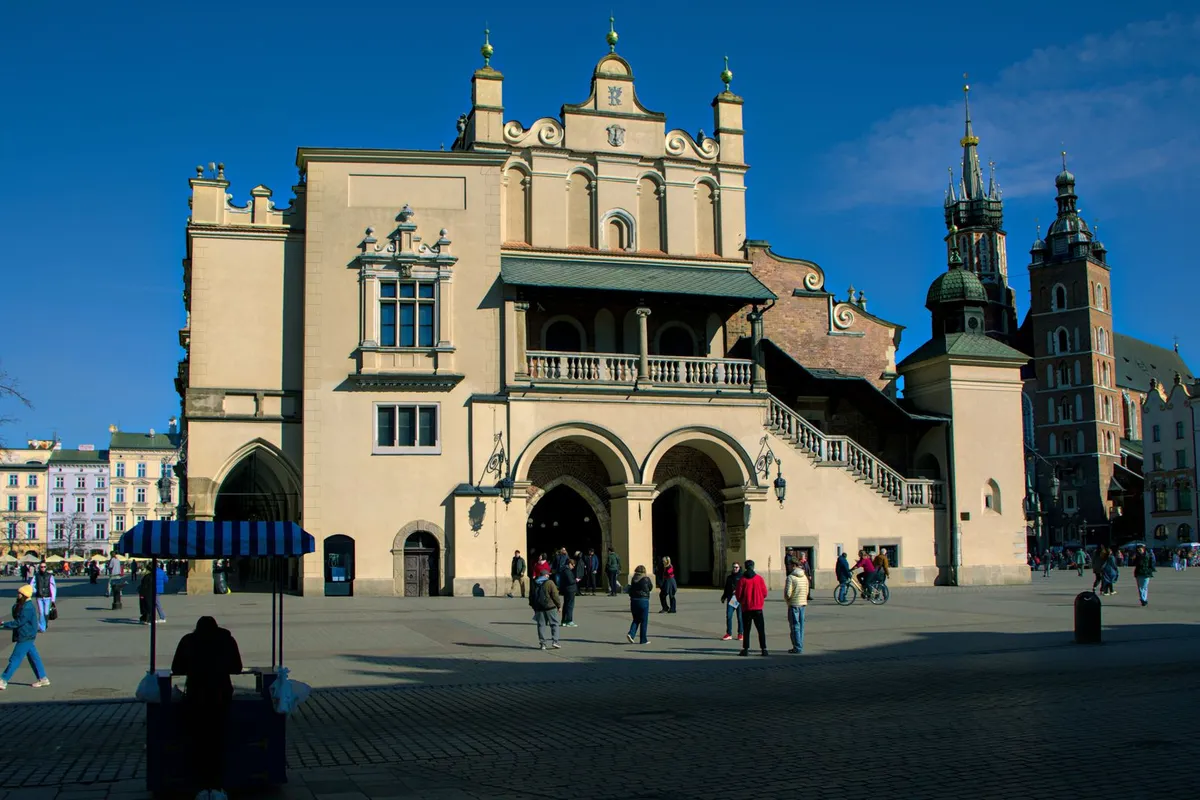
The square isn’t just a photo stop. It organizes the rest of your day: Grodzka Street leaves from its southern edge and continues toward the castle. Save the side streets for short breaks; the common mistake is burning all your energy wandering aimlessly and reaching Wawel just as the interiors are closing.
From Grodzka Street to Wawel Castle
Follow Grodzka, pass the Churches of St. Peter and St. Paul, and arrive at Wawel Hill. The complex can eat up several hours if you buy different interior circuits. On a three-day itinerary, decide in advance between the courtyards and outdoor areas, the Cathedral, or the state rooms; trying to do them all pushes Kazimierz too late into the day.
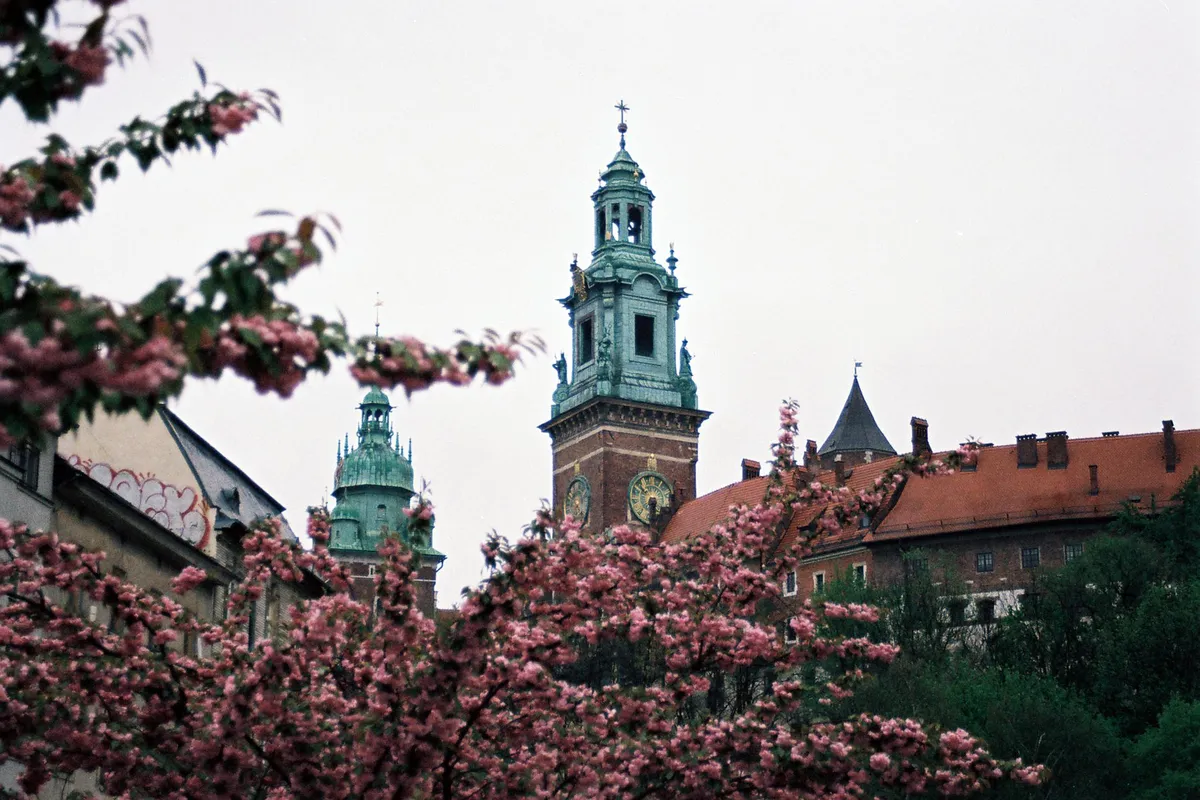
On your way out, head down to the Vistula. If your pace is good, walk to Kazimierz and focus on the Szeroka and Plac Nowy area. If the group is tired, save the district for the afternoon of day three. That choice is worth more than racking up pins on the map: the next day will already be long and emotionally demanding.
Day 2: Auschwitz-Birkenau with time and respect
Day two should be dedicated to the Memorial, including transport, security checks and the visit to both sections. According to the official Auschwitz-Birkenau website, the standard guided tour lasts about 3.5 hours, and visitors are advised to arrive at least 30 minutes before their scheduled time.
Entry cards are personalized, limited in number and, since March, available online only. Don’t count on buying one at the gate. Entry without a guide can be free in specific time slots, but it still requires a reserved pass; the educator-guide service is paid and adds context that simply walking through the blocks doesn’t provide.
Booking, luggage and the real duration
Plan for a 7 to 9-hour outing from Krakow, even if the visit itself is shorter. The Memorial states a size limit of 35 x 25 x 15 cm for backpacks or bags brought inside. There are paid lockers, but traveling light saves extra time at security. The institution also does not recommend the visit for children under 14; families need to factor that in before booking transport.
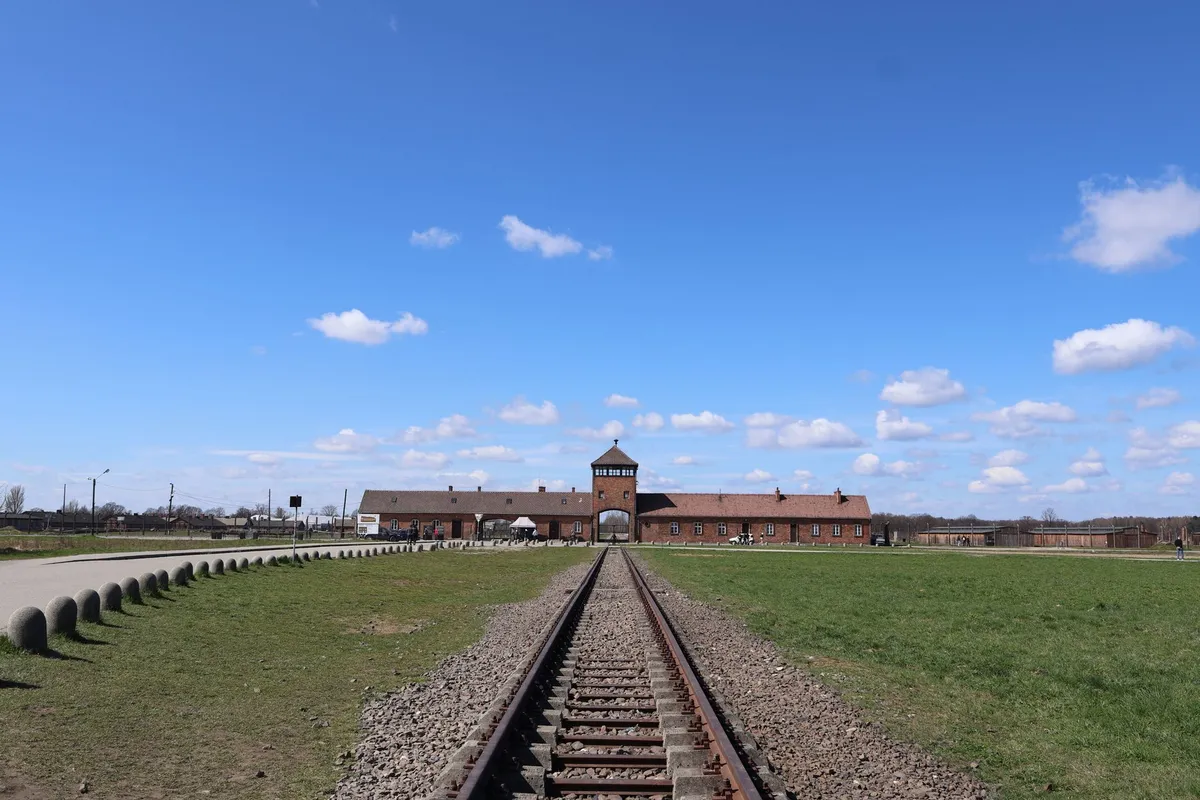
The route includes Auschwitz I and Auschwitz II-Birkenau. The Memorial itself recommends setting aside at least 90 minutes for each part when visiting independently. Don’t plan a tightly timed dinner for the way back: traffic, operational changes and the time you need to process the visit make a flexible evening the smarter call.
A guided tour with transport makes fitting the pass and both sections together much simpler, especially on a short trip. Going on your own gives you more freedom, but it means coordinating a bus or train to Oświęcim, arriving at the right entrance, and dealing with a set time slot. So don’t compare the standalone price as much as the risk of losing your reserved entry.
Day 3: Wieliczka and the Return to Krakow
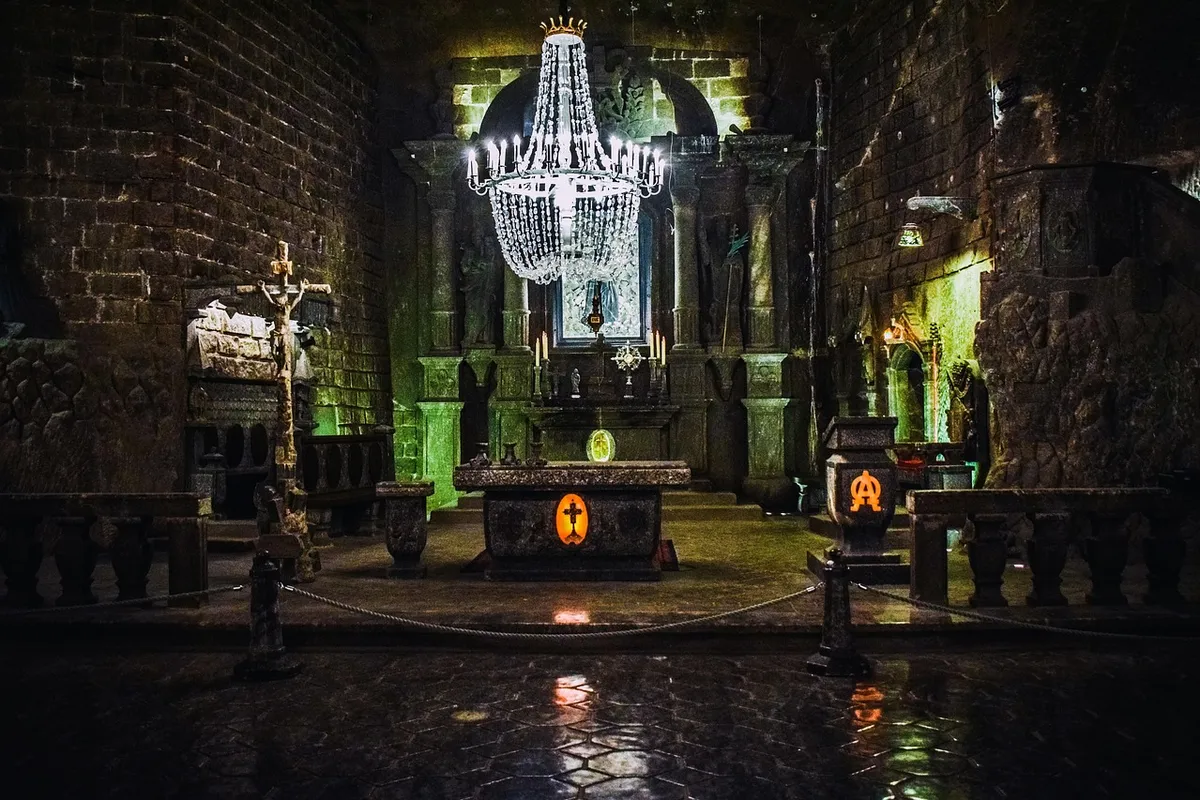
Wieliczka takes 2 to 3 hours just inside the mine; add travel, waiting, and the trip back, and you should set aside about half a day. The official tourist route covers 3.5 km, descends to 135 m, and stays at a steady 17 to 18 °C, even when it’s blazing hot outside.
In August 2026, individual tickets start at 131 PLN per person. At the European Central Bank reference rate of August 28, 2026, that’s roughly 30 euros, before any card markup or conversion fees. Times and ticket categories vary, so double-check when you book, because prices and availability are perishable.
Stairs, Temperature, and Choosing Your Time Slot
The route includes more than 800 steps, though you exit by elevator. It’s not an athletic trek, but sensitive knees, reduced mobility, and claustrophobia can change the decision. Bring a light layer and sturdy shoes. To enjoy Krakow afterward, pick a morning entry; to sleep in a bit after Auschwitz, accept a short urban afternoon.
Wieliczka is easier to reach independently than Auschwitz. The regional train to Wieliczka Rynek-Kopalnia drops you near the entrance, while a tour removes the need to coordinate a train ticket with a guided session. For two people used to public transport, going solo is usually doable; for a family, a larger group, or a high-season trip, the package cuts down on points of failure.
On the way back, don’t try to cram in every attraction you missed. Pick Kazimierz if you skipped it on day one, stroll through the Planty if you want a low-key farewell, or head back to the Rynek for dinner. A rigid evening reservation right after the mine recreates the very pressure this itinerary set out to avoid.
How to Organize Your Transport
The transport decision should be different for each outing: Auschwitz favors an all-in-one solution when time is tight; Wieliczka works well by train or tour. Booking both activities in the same format doesn’t automatically give you an advantage and can cost you flexibility.
The commercial options used in this itinerary can also be reached through the links in the text: go to the section with the Civitatis card for Auschwitz or go to the section with the Civitatis card for Wieliczka.
Book Auschwitz first, because the personalized pass has limited availability. Then fit Wieliczka into the remaining day, and only then buy timed-entry city museums. Staying between the Old Town and Kraków Główny station cuts down on walking for early departures and keeps day one functional.
If your trip continues through Central Europe, the next destinations also call for choosing your pace. Compare the scope of this plan with Warsaw without rushing or with a 2- or 3-day Budapest itinerary; both help you avoid a string of cities planned like a marathon.
When to Adapt or Extend the Itinerary
Stretch it to four days if you want to explore Wawel’s interiors, the Rynek museums, Kazimierz, and Podgórze at a relaxed pace. It’s also the most honest choice for anyone who prefers a quiet evening after Auschwitz or needs to cut down on long walks.
With small children, the Memorial’s own age recommendation may lead you to swap Auschwitz for a second urban day. For people with reduced mobility, check directly with Wieliczka about accessible routes before buying, since the standard tourist route has hundreds of steps and historic structures.
If you only have two days left, choose between Auschwitz and Wieliczka based on the purpose of your trip. The Memorial demands time, preparation, and emotional readiness; the mine offers a shorter underground historical visit that’s physically defined by its stairs. Neither works well as a simple checklist item.
The Next Step Before You Travel
Start with the online reservation for Auschwitz-Birkenau and note the time, meeting point, and baggage limit. Then lock in Wieliczka, leaving at least half a day free around the session. Only then distribute Wawel and the downtown museums.
Double-check times and prices on the official pages the week of your trip. Seasonal changes matter more than fine-tuning the order of streets, and a valid ticket is worth more than a perfect schedule on paper.
With both outings confirmed, keep day one flexible. It’s that margin — not the number of attractions stacked up — that lets you finish Krakow in three days understanding the historic center, giving the Memorial its due time, and visiting Wieliczka without turning the trip into a race.