If you’ve already booked your tickets to the Pyramids of Giza and think you’ve got Cairo figured out, you’re leaving half the city behind. The most vibrant part of Egypt’s capital isn’t out in the desert—it’s in the medieval heart of the city, among minarets, thousand-year-old bazaars, and churches tucked away in alleys that even taxi drivers struggle to find. This is Islamic and Coptic Cairo, and it will completely change the impression you take away from your trip.
Islamic Cairo is the historic district that rose from the 10th century onward, a UNESCO World Heritage site packed with mosques, ancient gates, and the Khan el-Khalili bazaar, which has been operating continuously since the 14th century. Just a few minutes away, Coptic Cairo preserves early Christian churches and a synagogue that have survived side by side for centuries. Set aside at least half a day for both—ideally, dedicate an entire morning to Islamic Cairo and the afternoon to the Coptic quarter, since they sit in different parts of the city and require a taxi or Uber ride between them.
Khan el-Khalili: The Bazaar That’s Thrived for 600 Years
Khan el-Khalili was founded between 1382 and 1389, according to the historical records compiled by Wikipedia, and it remains Cairo’s largest market—and one of the oldest in the Arab world still in operation. The narrow corridors sell everything from spices and perfumes to brass lamps, rugs, and gold, and the whole experience is a sensory overload: the scent of cumin and cardamom mingles with the clamor of vendors calling out to customers.
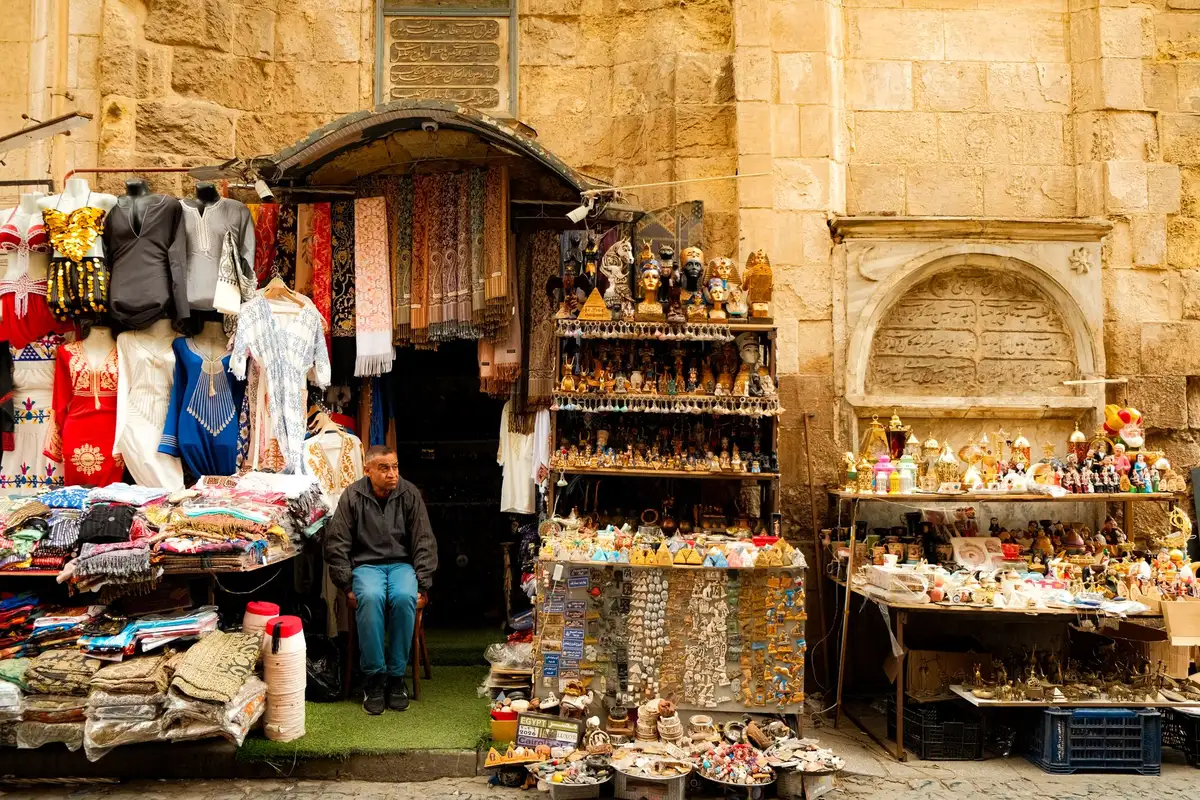
Stop by El Fishawy Café, open since 1773 and one of the market’s most iconic spots, for a mint tea or Turkish coffee while you watch the world go by. Haggling is part of the culture here—start by offering far less than the asking price, keep it light and friendly, and you’ll likely close the deal at half the initial quote.
If you’d rather explore with a local guide who can also unpack the history behind the storefronts, consider the guided tour of Khan el-Khalili and Islamic Cairo, which typically includes stops at mosques and historic gates that are easy to miss without context.
Saladin’s Citadel and the Mosque of Muhammad Ali
Perched on a hill overlooking the city, Saladin’s Citadel is home to the Mosque of Muhammad Ali, also known as the Alabaster Mosque, built between 1830 and 1848 by order of the ruler considered the founder of modern Egypt. The central dome and twin minarets follow the Ottoman mosque model, a striking contrast to the Mamluk architecture that dominates the rest of Islamic Cairo.
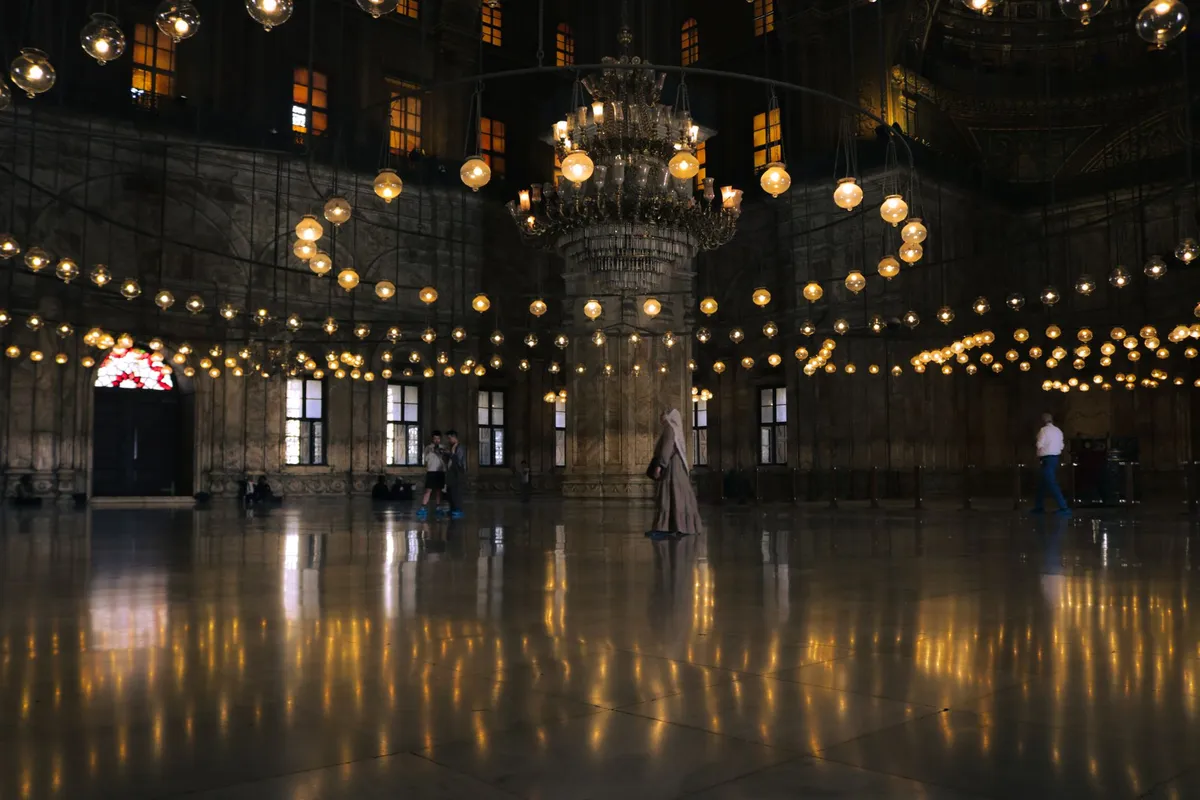
The Citadel is generally open daily from 8am to 5pm, but double-check the hours and current ticket prices on the official website or at the box office before you go—these details change frequently in Egypt. During prayer times, the worship area is reserved for Muslim worshippers; tourists can wait outside or explore other parts of the complex.
It’s also worth wandering the streets around the Citadel to the Mosque-Madrasa of Sultan Hassan, one of Cairo’s most impressive Mamluk structures, with a massive inner courtyard and portals that are staggering in scale.
Coptic Cairo: Egypt’s Oldest Churches
About a 20-minute drive from Islamic Cairo lies the Coptic quarter, also known as “Old Cairo,” where early Christian churches share narrow stone streets with a historic synagogue. The Hanging Church (Al-Muallaqa), built atop the towers of an ancient Roman fortress, according to the Egyptian Ministry of Tourism and Antiquities, is the most famous of the group and houses gilded icons dating back centuries.
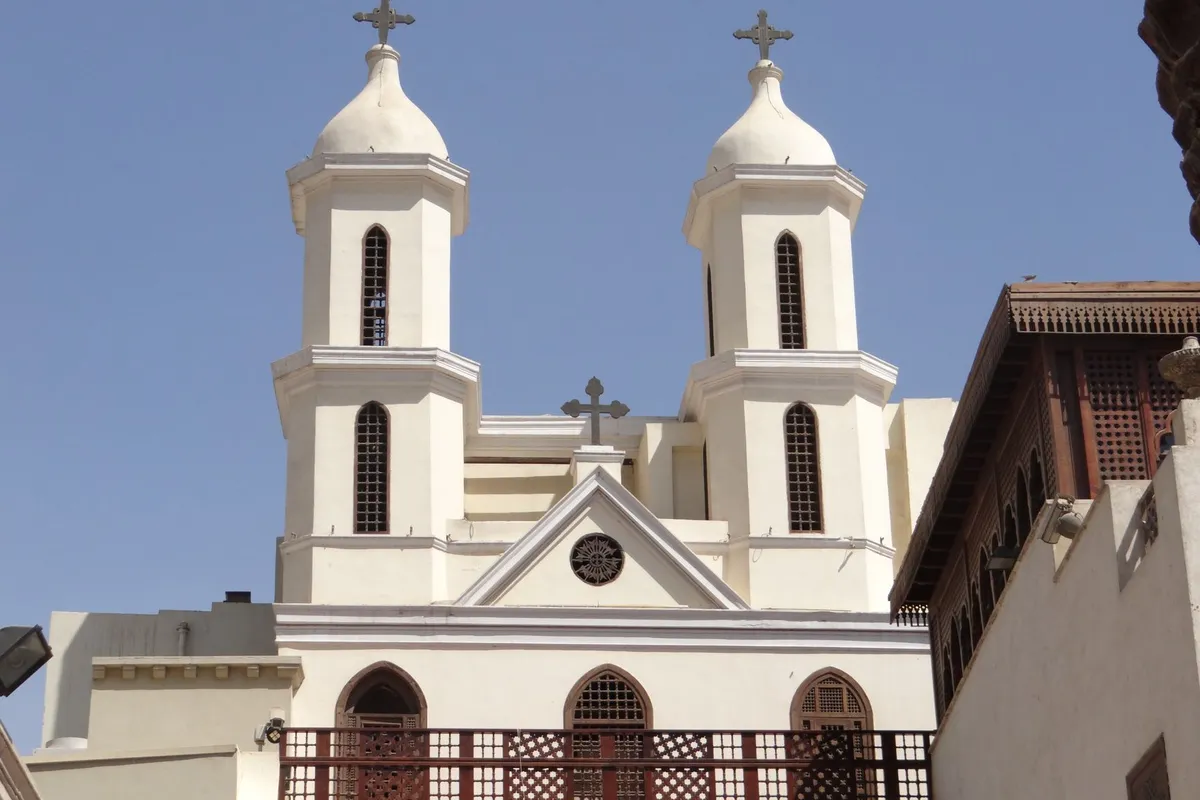
In the same area, visit the Church of St. Sergius (Abu Serga), built over a crypt where, according to Coptic tradition, the Holy Family is said to have taken refuge during their flight into Egypt, and the Ben Ezra Synagogue, the oldest in the country. It’s one of the few places in the world where early Christian churches, a historic synagogue, and mosques coexist on the same block—a testament to a religious coexistence that has endured for centuries.
How to Get There and Move Between the Two Districts
Islamic Cairo and Coptic Cairo sit in different parts of the city and aren’t neighbors—the trip between them takes 20 to 30 minutes by car, depending on traffic. The most practical option is to grab an Uber or arrange a taxi fare in advance, since negotiating a ride on the street usually ends up costing tourists more. Once you’re inside each district, walking is the way to go: both have narrow streets that cars can’t access.
If you’re looking to save time and have transportation sorted, a full tour of Cairo’s historic center typically combines the Citadel, the Mosque of Muhammad Ali, Khan el-Khalili, and the Egyptian Museum in one guided outing, which takes care of the logistics for anyone short on time in the city.
Best Time to Visit
The most comfortable window for exploring Cairo on foot is from October to April, when temperatures hover between 68°F and 82°F—in the summer, midday heat tops 95°F and makes long walks through the bazaar far more exhausting. Arrive at Khan el-Khalili in the early morning, before 10am, to photograph the corridors without the crowds and beat the strongest afternoon heat.
Practical Tips Before You Go
Bring cash (Egyptian pounds) for haggling at the bazaar—most vendors at the smaller stalls don’t accept cards. To enter the mosques, you’ll need to cover your shoulders and legs, and women are typically offered a loaner veil at the entrance; bring your own scarf to speed things up. Informal guides and drivers often approach tourists outside the monuments offering “shortcuts” or family-owned shops—politely decline if you haven’t arranged that beforehand.
Frequently Asked Questions
What Is Islamic Cairo?
It’s Cairo’s historic district, founded during the Fatimid period (10th century) and recognized by UNESCO as a World Heritage Site. It brings together mosques, ancient gates, madrasas, and the Khan el-Khalili bazaar, one of the oldest markets still operating in the Arab world.
How Long Does It Take to Visit Khan el-Khalili?
Two to three hours is enough to walk the main corridors, haggle at a few shops, and stop for tea. If you love exploring smaller alleyways and shopping at a leisurely pace, you can easily spend an entire morning there.
Is Coptic Cairo Worth Visiting?
Yes — it’s a quick stop (2 to 3 hours) that reveals a layer of Egyptian history the pyramids don’t tell: the coexistence of early Christianity, Judaism, and Islam right in the heart of the city.
Is It Safe to Walk Around Islamic Cairo?
During the day and on the bazaar’s busy streets, yes, it’s a fairly safe area for tourists. As with any big city, keep an eye on your belongings in the crowds and be cautious about accepting unsolicited offers from street guides.
Conclusion
The pyramids are the postcard shot, but Islamic Cairo and Coptic Cairo are where the city truly reveals itself — in the noise of the bazaar, the silence of the Ottoman mosques, and the churches that have stood for over a thousand years side by side with a synagogue. Set aside at least half a day for this part of your trip: it just might become the highlight you remember most from Egypt. For more itineraries featuring equally vibrant bazaars and historic centers, check out our guide to Marrakech and its medinas and the complete guide to the Pyramids of Giza right here on Voyage Voyage.