 Marcelo Oliveira
Savannah: the most beautiful city in the southern US is a label that makes sense if you prefer tree-lined streets, historic homes, and an itinerary built on short walks rather than a checklist of isolated attractions. It works especially well as a two-day stop between Charleston, Atlanta, or the Georgia coast. It’s not the right pick for anyone chasing big museums, fast-paced city life, or beaches at the hotel door: what carries the trip here is the layout of the center itself, with its squares, preserved facades, and a pace that asks you to slow down.
Hotels in Savannahfree cancellation options onlySee hotels ›Booking.com partner (advertising): we may earn a commission at no extra cost to you.
Is Savannah worth the trip?
Yes, if the idea is to trade long drives for a city you can understand on foot. The center isn’t just one pretty street: the original urban plan spreads across squares that interrupt the blocks, create shade, and give the walk a sense of direction. The New Georgia Encyclopedia records 22 surviving historic squares; that pattern is what makes the city feel coherent even when you get a little lost.
The verdict is simple: put Savannah on your itinerary if you love urban history, architecture, and restaurants in neighborhoods you can reach on foot. If you only have one night, the city shrinks down to River Street and a rushed loop through the squares; in that case, save it for a trip that lets you sleep two nights. Anyone looking for a compact center with plenty to photograph gets more payoff here than from a whirlwind stop in a big city.

How many days to set aside
Set aside 2 full days for Savannah if your goal is to explore the historic district without turning the map into an obligation. Day one fits the River Street–City Market–central squares axis. Day two heads down Bull Street to Forsyth Park and leaves room for museums, historic homes, or a leisurely lunch. Three days make sense when you want to add Bonaventure, Wormsloe, or Tybee Island.
One night: only as a stopover
Arriving in the late afternoon, do River Street, City Market, and a short walk to one of the northern squares. That’s enough to feel the city, but not to judge it. Don’t promise yourself Forsyth, house museums, and the coast all in the same window.
Two nights: the most balanced measure
With two overnights, the historic district stops being a backdrop and becomes a route. You can pick one indoor visit, stop at a square that wasn’t in the plan, and get back to the hotel before heading out to dinner. It’s the length I’d use for a first visit.
Three nights: when the coast enters the plan
The third day shouldn’t be a pile-up of museums. Use it for one specific extension: Tybee Island, Wormsloe and Bonaventure, or neighborhoods beyond the central circuit. That way you don’t tear apart your two walking days to squeeze in a longer drive.
Where to stay to make the most of Savannah
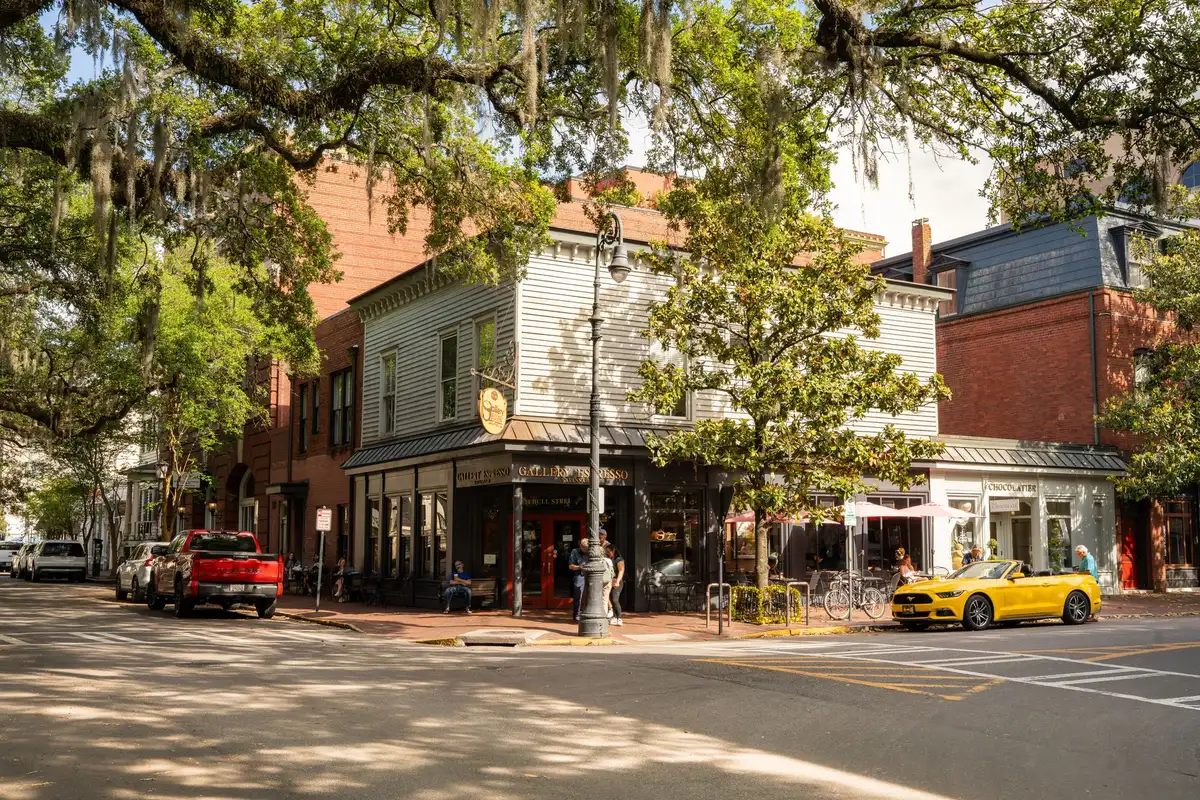
Stay in the Historic District or on the edge between the historic district and Forsyth Park if your goal is to rely as little as possible on a car. The official tourism guide describes the district as an area that brings together River Street, City Market, monuments, museums, and the squares; in practice, that concentration cuts down on the need to park at every stop. Look for lodging by its location on the map, not just by the “downtown” label.
River Street is convenient for a lively night out and river views, but it sits at the far north end. Near Forsyth Park, you’ll be better positioned for quiet mornings and walks through the residential stretch. In between, the area around Bull Street works as a compromise if you want to cover both sides of the itinerary on foot.
 See hotels in Savannah on Booking ›
A base itinerary through the historic district
The best itinerary doesn’t try to visit every square. Use them as breaks between the spots that actually interest you and walk in one direction, from the river south or the other way around. Visit Savannah divides the district into the northern stretch near the river, the more residential southern part, and the MLK Boulevard corridor; that split helps you avoid crossing the city twice in the same day.
Day 1: river, market, and central squares
Start on River Street early, while the area is still less crowded, head up to City Market, and then pick two or three squares along the central axis. Chippewa, Johnson, Lafayette, and Madison each have distinct contexts; trying to “stamp” them all just makes the walk repetitive. Save a historic home or museum for the afternoon, when the sun and your tired legs make an indoor visit pay off more.
Day 2: Bull Street and Forsyth Park
Walk toward Forsyth Park, noticing the shifts between commercial and residential blocks. The park covers about 30 acres according to the official squares and parks guide; it doesn’t need to take up your whole morning, but it works as a stop that gives the itinerary some scale. Loop back through the Victorian District if you love architecture; if that’s not your thing, save your energy for a museum or dinner.
River Street, City Market, and the rhythm of the waterfront
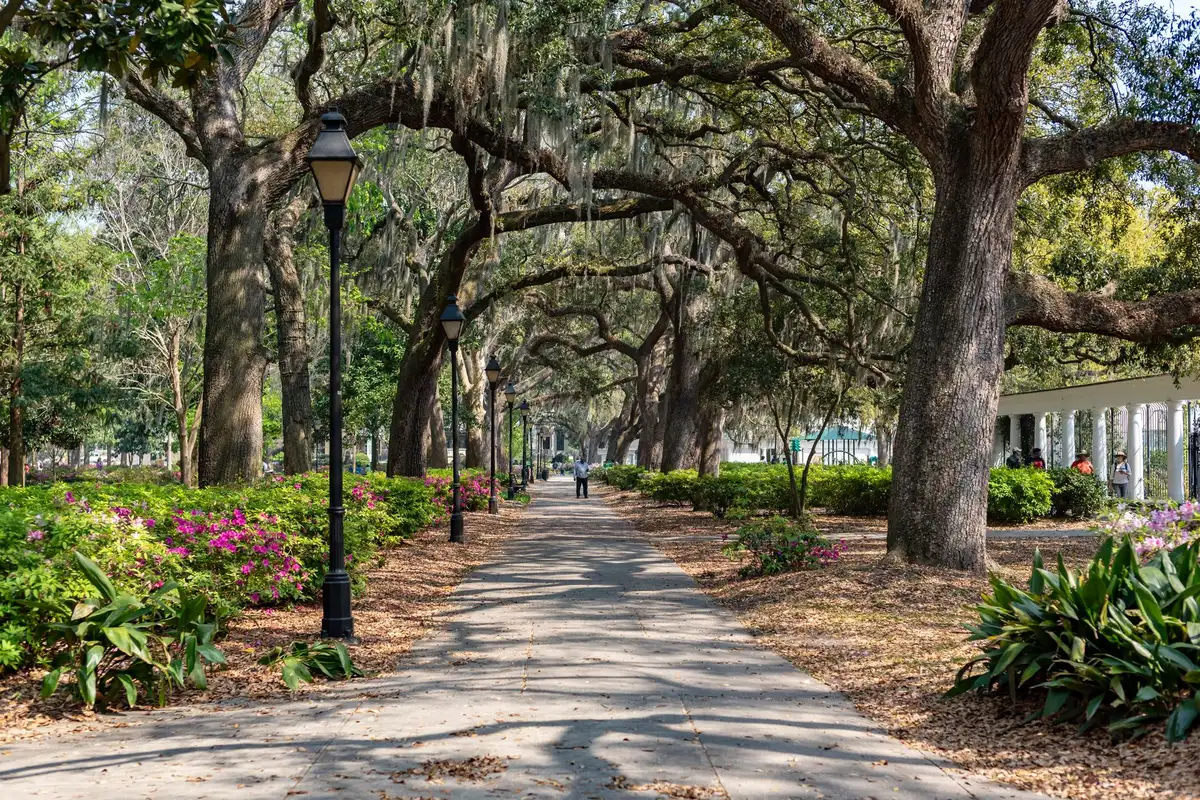
River Street deserves a spot on the itinerary, but it shouldn’t carry the whole weight of your expectations for the city. The old warehouses, the cobblestones, and the river view make for a strong visual opening, though it’s a more touristy, concentrated stretch. Go to walk, watch the river, and grab a drink; then head up to the squares. City Market is nearby and works better as a pass-through or a quick stop than as a destination for a whole half-day.
If you’re into maritime history or want to see Savannah from the water, a river cruise can be a logical add-on. For anyone wanting to escape the center on foot on day three, the Wormsloe and Bonaventure tour covers two spots that would otherwise take more individual planning.
 Partner · Civitatissee all activities in Savannah ›
- Wormsloe & Bonaventure Cemetery Day TripRating 8.3 · 6 reviews on Civitatisfrom€64.84per personSee ›
- American Prohibition Museum Ticketfrom€18.75per personSee ›
- Tybee Island Day Trip & Dolphin Watchingfrom€69.54per personSee ›
- Savannah Trolley Tourfrom€42.01per personSee ›
Civitatis prices on 28/09/2026, from, per person. They may change. Want to compare? Activities in Savannah on GetYourGuide ›
Leave room for a meal or a stroll through the squares between that kind of activity and any other booking. Savannah works best when the day alternates between moving around, visiting, and free time; filling the gap with yet another attraction only diminishes what makes the city special.
When to Include Tybee Island
Include Tybee Island only if you have a third day or if the beach is a genuine priority for your trip. The island sits about 17.5 miles from the Historic District, and the drive usually takes roughly 20 minutes, according to the official Tybee guide. Those numbers sound small, but the outing stops being an urban walk and demands a different kind of logistics.
It’s a good choice for breaking up two days of buildings and squares, especially in the hotter months. Don’t treat it as “one more attraction” squeezed between lunch and dinner: set aside the whole half-day, check the day’s conditions, and accept that the focus will be the beach and the coast, not downtown Savannah.
Pick either a coastal activity or a free afternoon, not both out of obligation. If the weather is unstable, fall back on the urban plan and spend your third day at Wormsloe, Bonaventure, or in the Victorian District.
Getting Around
In the Historic District, walking covers the essentials. Comfortable shoes matter more than any sightseeing pass, because the route includes uneven sidewalks, stairs, and long oak shadows. To reach Tybee, Wormsloe, Bonaventure, or to head out at night from an area far from your lodging, use a rental car or a rideshare; trying to “save money” on those stretches can eat up the day itself.
Who Savannah Works Best For
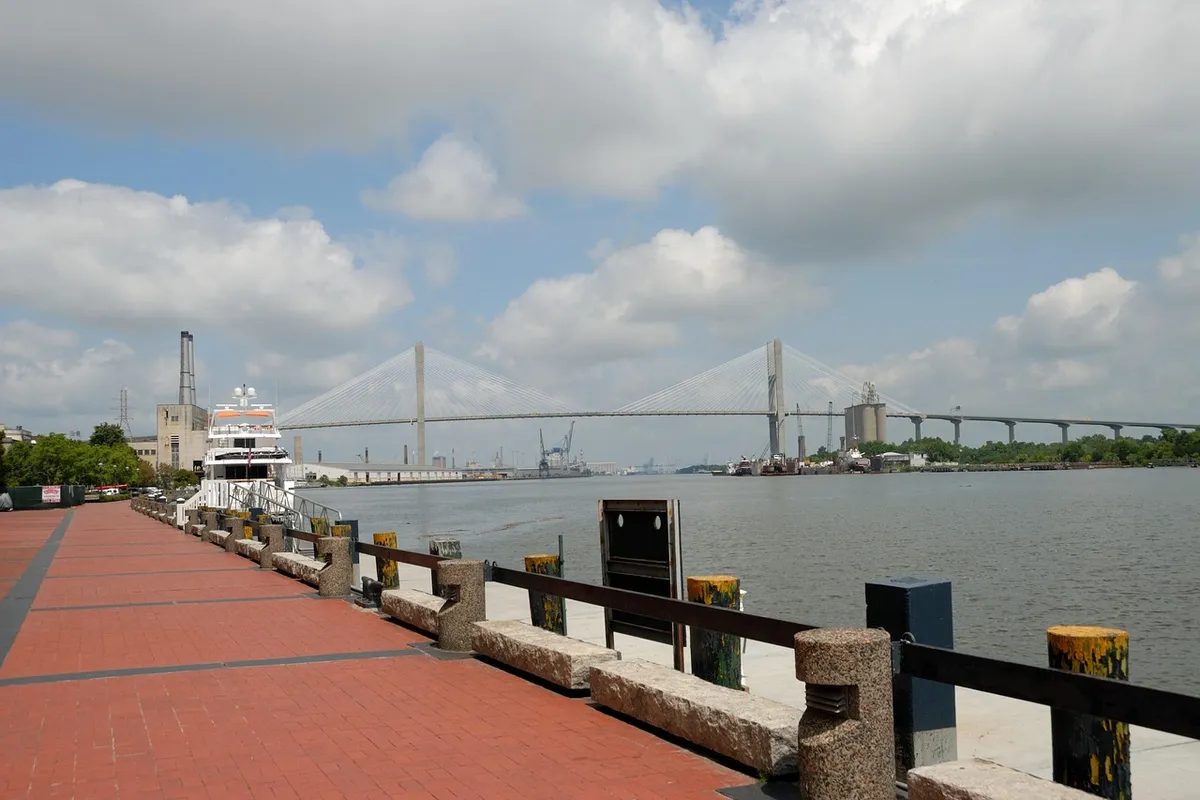
Savannah is a great call for couples, solo travelers, and families who enjoy walking, choosing one or two indoor visits, and leaving room for the unexpected. It’s less suited to anyone who needs a packed schedule of giant attractions or wants to rely on public transit for everything outside downtown.
Build your trip around two nights, stay between River Street and Forsyth Park, and treat Tybee as a separate day. This approach preserves Savannah’s main quality: you don’t go there to “check off” a city, but to move through it at the pace its blocks allow.
If you’re mapping out a bigger trip through Georgia or the Carolinas, use Savannah as a counterpoint to the road-trip cities: here, the best part happens between one address and the next. Arrive with a simple loop in mind, pick one visit that genuinely interests you, and leave the rest of the time for walking.
That choice also lowers the risk of comparing Savannah to destinations that offer something else entirely. It doesn’t need to compete with a major metropolis; its strength lies in the continuity between square, facade, café, and park — something that only shows up when your itinerary has slack, curiosity, and a real willingness to walk without rushing.
Read the table of contents carefully before locking in your bookings.
- HotelAs soon as you have datesCompare neighbourhoods and guest ratings.See hotels ↑
- ActivitiesBefore you travelBook ahead the ones with limited spots.Civitatis ›
 More activitiesTo compareTickets, day trips and tours with flexible cancellation.GetYourGuide ›