 Marcelo Oliveira
Philadelphia, Pennsylvania, is a super practical pick if you want to blend U.S. history, big museums, and walkable neighborhoods without renting a car. In two days, you can cover the historic core and the Benjamin Franklin Parkway; with a third, add Reading Terminal Market, art, and a neighborhood like Fishtown. The key move is basing yourself in Center City.
Hotels in Philadelphiafree cancellation options onlySee hotels ›Booking.com partner (advertising): we may earn a commission at no extra cost to you.
| Time | 2 to 3 days |
|---|---|
| Base | Center City or Old City |
| Getting there | PHL is about 10 miles from Center City |
| Getting around | On foot, SEPTA, and PHLASH |
| Historic entry | Independence Hall: $1 reservation (Aug 2026) |
| Best time | Spring and fall; summer is hot and humid |
Where is Philadelphia and why does its geography change your itinerary?
Philadelphia sits in the eastern United States, in the state of Pennsylvania, between New York City and Washington, D.C. It’s right on the Northeast rail corridor: about 90 miles from New York and 140 miles from Washington, according to the official tourism board. That makes it easy to slot in as its own destination or as a train stop between the two capitals.
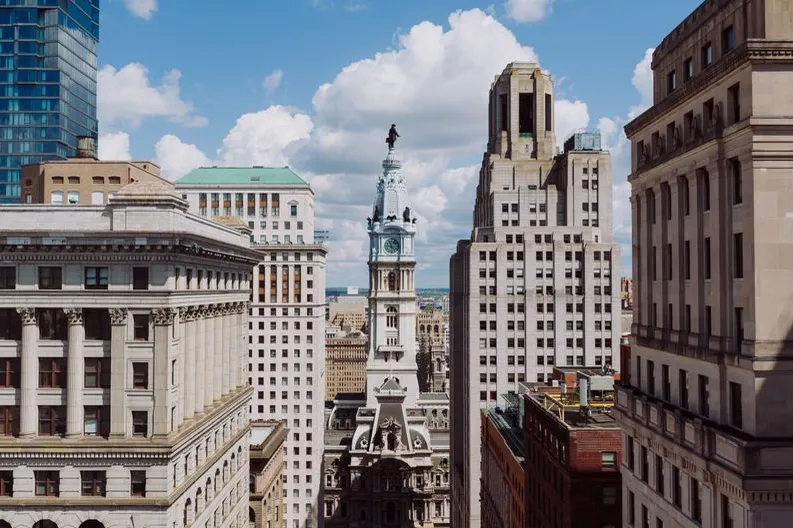
Don’t confuse the city with the state capital: Harrisburg is Pennsylvania’s capital. Philadelphia is the state’s largest city and has enough urban scale to deserve at least two nights. For a first visit, sleep between City Hall, Rittenhouse Square, and Old City; from there, the two main itinerary hubs are within walking distance or a short subway ride.
What to do in Philadelphia without turning your day into a race?
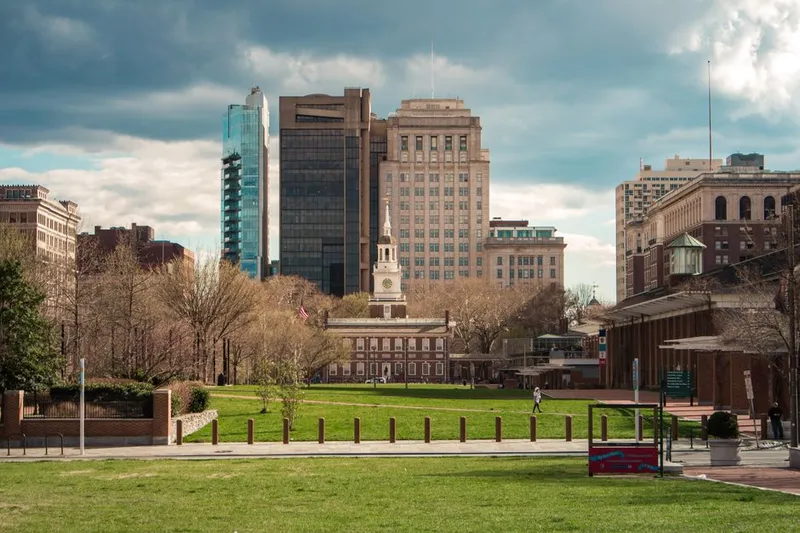
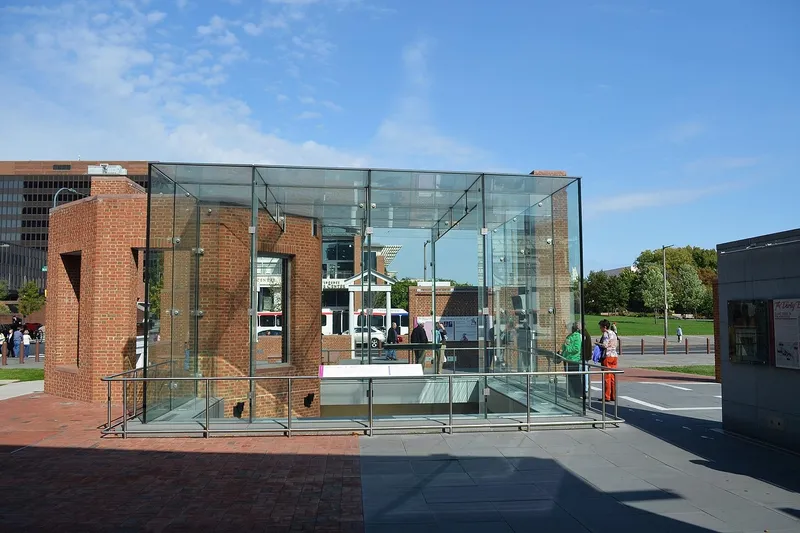
Start at Independence National Historical Park: the Liberty Bell, Independence Hall, Congress Hall, and the surrounding Old City streets are all close together. The National Park Service notes that most sites are free; for the guided tour of Independence Hall, the reservation costs $1 per person as of August 2026. Book it before planning the rest of your day, especially on weekends.
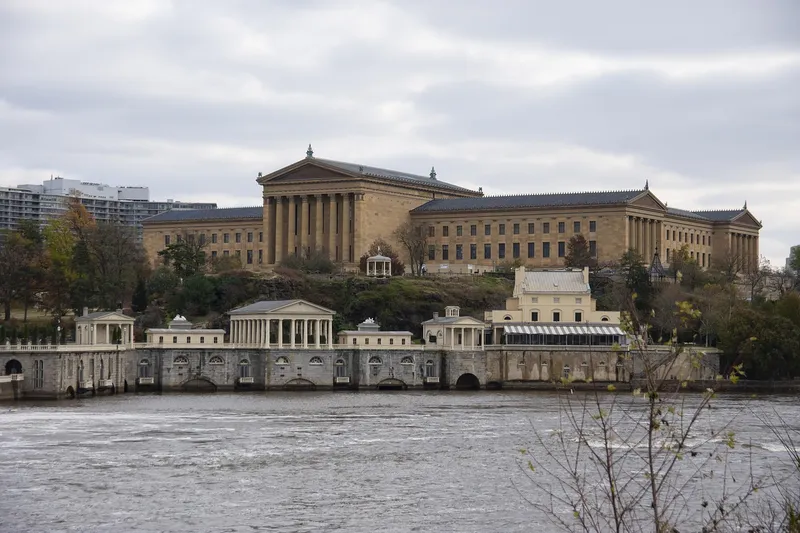
Then walk over to Elfreth’s Alley and head to Reading Terminal Market for lunch. The market works best as a quick, purposeful stop, not an attraction to fill an entire afternoon: pick a stall, eat, and get back out on the street. In the afternoon, choose just one museum. The Philadelphia Museum of Art is the broadest option; its official site shows it closed on Tuesdays and Wednesdays with extended hours until 8:45 PM on Fridays, verified in August 2026. The steps are free, but they don’t replace the visit if your priority is the collection.
Set aside another window for the Benjamin Franklin Parkway: the Barnes Foundation, Rodin Museum, Franklin Institute, and the art museum all compete for the same stretch. If you prefer more recent history, you can swap part of it for the Museum of the American Revolution. The Philadelphia Museum of Art is closed Tuesdays and Wednesdays and open until 8:45 PM on Fridays, as of August 2026. To decide, use the same logic as our Washington D.C. museum guide: pick the collection you actually want to see, rather than collecting admission stamps.
Common mistake: scheduling Independence Hall for mid-afternoon and leaving the Liberty Bell “for later.” The line, security check, and your reserved time slot rule the morning; arrive early and keep the rest of Old City flexible.
How to get around Philadelphia without a car?
If you’d rather have Old City contextualized by a guide, the Civitatis guided tour of Philadelphia covers the main historic sites. Check the language, meeting point, and date conditions before booking.
 See activities in Philadelphia on GetYourGuide ›
Philadelphia works great without a car because Old City, Center City, and the Parkway have walkable stretches, while SEPTA’s subway, buses, and trolleys handle the longer jumps. The local fare is $2.90 per ride as of August 2026, with two transfers within two hours included when using a payment method accepted by the network, per Visit Philadelphia. Use the subway for South Philadelphia and the Airport Line train to connect PHL to central stations.
For a day focused on the sights, PHLASH is simpler than juggling multiple fares: the day pass costs $5 as of August 2026 and links Penn’s Landing, Independence Mall, Reading Terminal Market, the Parkway, and the Museum of Art. The service is seasonal; in 2026, it runs daily from May 22 to August 30 and only Friday through Sunday for the rest of the season, so check the official calendar before relying on it.
Is Philadelphia hot? Which season makes travel easier?
Between June and August, expect humid heat and plan your walks for early in the day; in winter, the cold cuts down how long you’ll want to be outside. Spring and fall usually spread outdoor routes and museum visits out more comfortably.
Philadelphia is hot in the summer, with humid days that make long walks less pleasant, and cold in the winter. Spring and fall balance the outdoor itinerary better, but they don’t guarantee stable weather. If you’re traveling between June and August, start Old City early, save the museum for the afternoon, and bring water; if you’re going in winter, stick to one area per stretch so you don’t waste time moving between spots.
There’s a historical reason the city feels familiar from books: it’s where the Declaration of Independence and the U.S. Constitution were debated and signed. That’s the curiosity behind the cluster of memorials downtown, not a reason to visit every historic house. If your main interest is colonial history, compare the pace with Boston and the Freedom Trail before splitting too many nights between the two.
What does a two-day trip to Philadelphia actually cost?
The historic core can be budget-friendly: reserving Independence Hall costs US$ 1 per person as of August 2026, and the Liberty Bell is free to enter. Costs climb when you add museums, meals, and a hotel, so plan one free history day and one paid culture day instead of trying to squeeze everything into a single itinerary.
| Lean urban day | Realistic range per adult |
|---|---|
| History + PHLASH | US$ 6: US$ 1 reservation + US$ 5 transit, no meals (Aug 2026) |
| Art + SEPTA | US$ 5.80 for two local rides, plus admission to your chosen museum (Aug 2026) |
As a bare-bones reference, two days without a paid museum come to US$ 11 in August 2026: US$ 1 for Independence Hall, US$ 5 for PHLASH, and two SEPTA rides at US$ 2.90 each. That total doesn’t include hotel, food, or airport transfers. It’s a useful reality check to avoid the trap of calling the destination “free” and then discovering transit and reservations cost money.
What nobody tells you before you go?
- Independence Hall requires a reservation for the guided tour; a free ticket doesn’t mean you can just show up.
- PHLASH doesn’t cover every season, since frequency and operating days change throughout the year.
- The Parkway museums can’t all be done justice in a single afternoon.
- A cheesesteak is a meal, not a full food tour; mix it up with Reading Terminal or neighborhoods like East Passyunk.
 HotelAs soon as you have datesCompare neighbourhoods and guest ratings.Booking ›
- More activitiesTo compareTickets, day trips and tours with flexible cancellation.GetYourGuide ›
Frequently asked questions about Philadelphia
Smart route: keep Old City for the morning and the Parkway for the afternoon to avoid crisscrossing Center City repeatedly.
Book first: your Independence Hall time slot goes on the calendar before lunch, museums, and photos.
Also compare the historic side of Boston and the Freedom Trail to decide how many nights each city deserves.
What is the capital of Philadelphia?
Philadelphia isn’t a state, so it doesn’t have a capital. It’s a city in Pennsylvania; the state capital is Harrisburg. Philadelphia is Pennsylvania’s largest city and holds most of the state’s tourist attractions.
What country is Pennsylvania in?
Pennsylvania is in the United States. It’s one of the states in the American Northeast, and Philadelphia sits in its eastern portion, near the road and rail links to New York, New Jersey, and Washington, D.C.
What is the largest city in Pennsylvania?
Philadelphia is the largest city in Pennsylvania. Pittsburgh is another major city in the state, but it’s out west and shouldn’t be treated as an add-on to a short Philadelphia trip.
What are the cities in Pennsylvania?
Besides Philadelphia, Pennsylvania has cities like Pittsburgh, Harrisburg, Allentown, Erie, Reading, and Lancaster. For urban tourism, Philadelphia and Pittsburgh are the most distinct hubs; Harrisburg is the administrative capital.
Where was the city of Philadelphia in the Bible?
The Philadelphia mentioned in Revelation was in Asia Minor, in modern-day Turkey, near the present-day city of Alaşehir. It’s not the same Philadelphia as the one in Pennsylvania, which was founded many centuries later in the United States.
Who is Philadelphia worth it for?
Philadelphia pays off most for travelers who want to understand American history and walk through real neighborhoods, not just snap photos of landmarks. Prioritize your Independence Hall time slot, pick one museum, and use public transit so you’re not paying for a parked car. Sort out your base and reservations before booking your flights.