Planning a trip to the Pantanal starts with a choice that changes everything: North or South. Cuiabá and Poconé lead to the Transpantaneira; Campo Grande provides access to Miranda, Aquidauana, and the Corumbá region. The wet or dry season dictates road conditions, navigation, and your chances of spotting wildlife.
Quick answer: book four to five nights at a single Pantanal lodge, choose one region, and travel during the dry season if your priority is concentrated wildlife. Switching between the North and South Pantanal on the same trip costs you more road time than it delivers in experience.
North or South Pantanal: Choose Your Gateway
In the North, fly into Cuiabá and head to Poconé and the Transpantaneira. In the South, Campo Grande is the most common gateway to Miranda and Aquidauana; Corumbá has an airport and access to the Paraguay River. Lodge transfers take the worry out of dirt roads and bridges. Don’t rely on a low-clearance car during the rainy season.
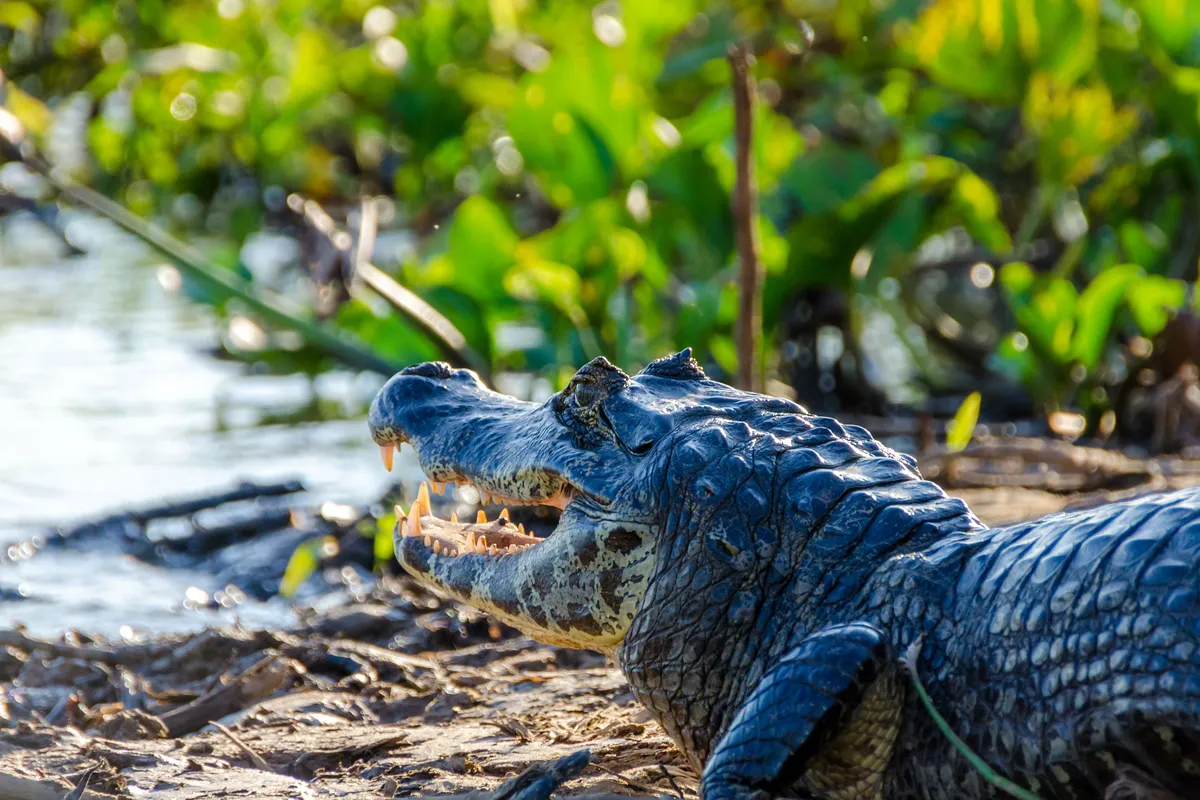
Wet or Dry Season: When to Visit the Pantanal
The wet season spreads water across the plains, favoring mirrored landscapes and boat trips. The receding and dry seasons concentrate animals near rivers and bays, improve road conditions, and usually favor land safaris. Dates vary between North and South and from year to year. Fires and smoke can also alter the experience; check current conditions.
For birds and mammals, early morning and late afternoon are the best times. The midday heat reduces activity. No ethical lodge promises a jaguar sighting. Guides increase your chances, but wild animals don’t follow a script.
What to Do in Four Nights
Alternate open-vehicle safaris, short hikes, boat trips, canoeing, and night observation depending on the region. Repeating outings at different times matters more than cramming in activities. A typical day starts before sunrise, pauses during the heat, and returns to the forest in the late afternoon.
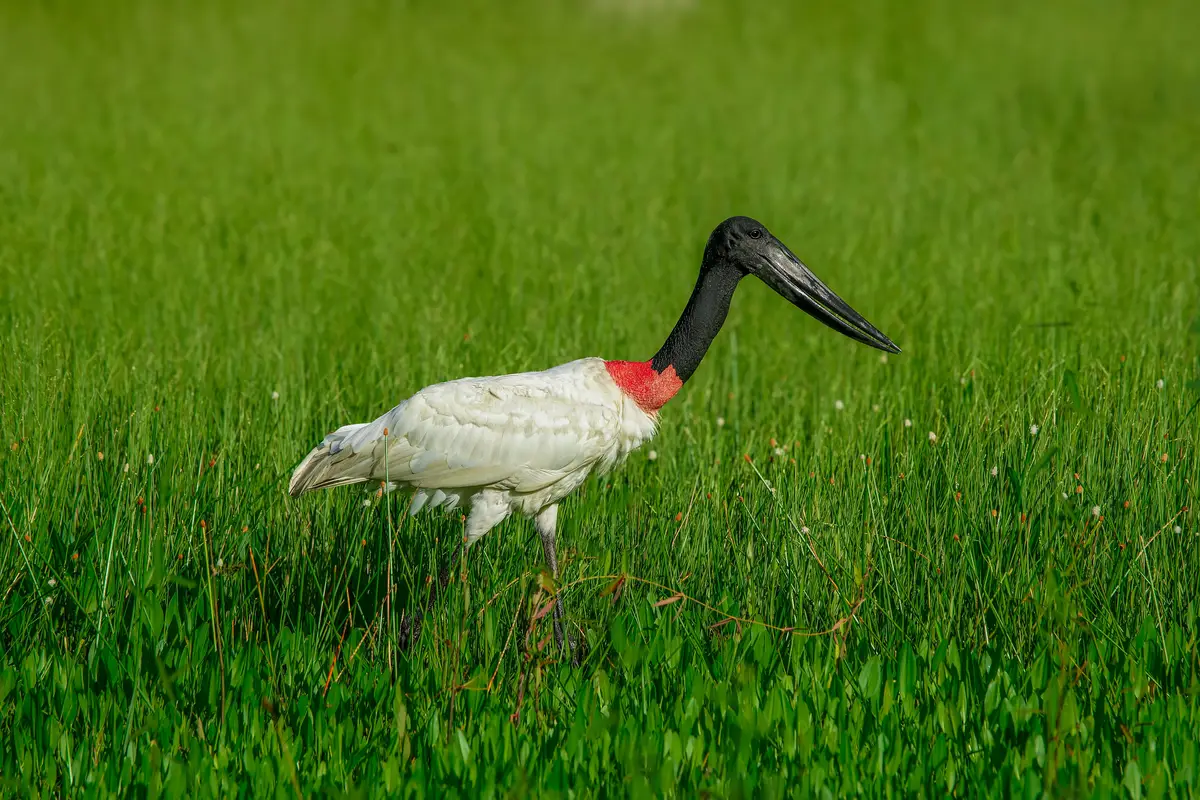
In the North, Porto Jofre is known for river expeditions in search of jaguars, with long travel times and strict approach rules. In the South, farms near Miranda and Aquidauana combine horseback riding, boating, and wildlife observation. Check out the available activities in the Pantanal, but confirm the departure base before booking.
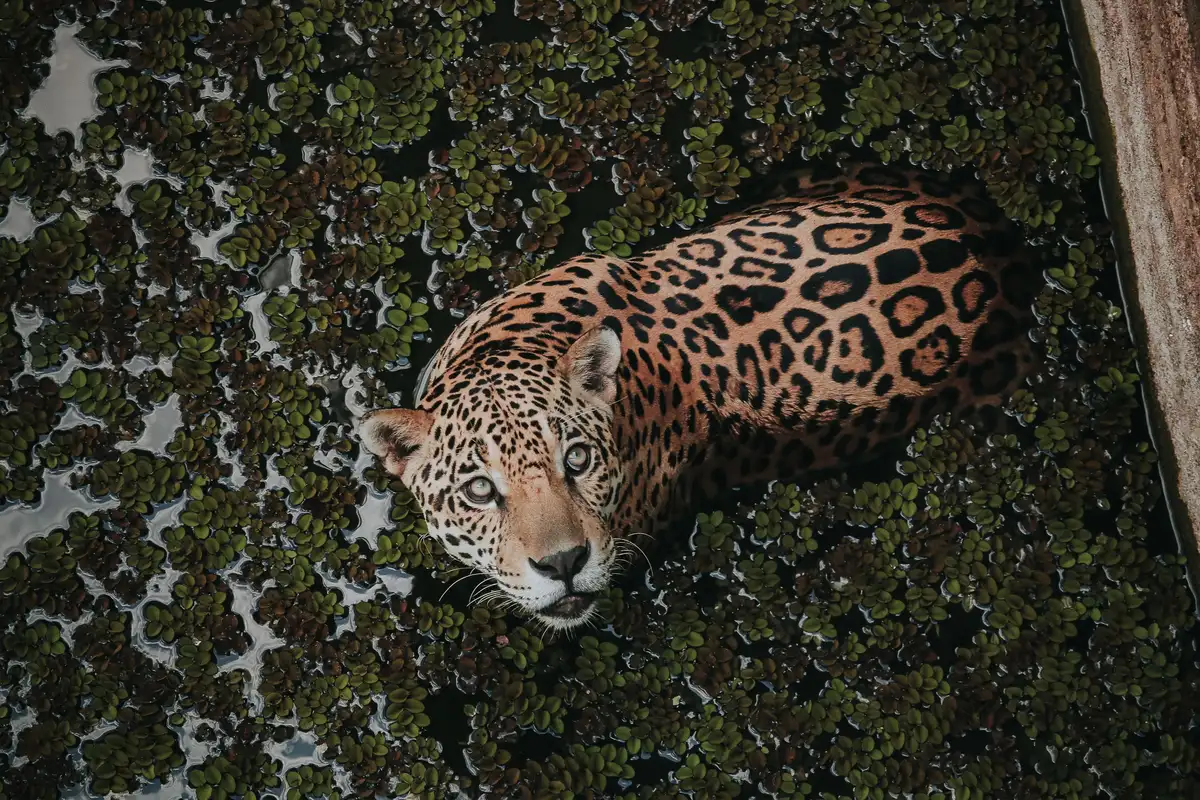
What to Combine with the Pantanal
In the North, Chapada dos Guimarães offers waterfalls and cliffs. In the South, Bonito is the classic pairing, but it requires a multi-hour transfer; use our guide to five days in Bonito. Don’t try to fit the North, South, and Bonito into one week.
Pantanal Flavors
Fish like pintado and pacu, piranha broth, carreteiro rice, quebra-torto, and sopa paraguaia show up on regional tables. Lodges include meals and adjust schedules to fit your outings. Let them know about dietary restrictions before you arrive, as markets are far away and supplies are limited.
Where to Stay and What to Compare
Farm lodges offer packages with meals, guides, and activities; riverboat hotels focus on navigation and fishing or observation. Compare group sizes, vehicles, animal welfare policies, distance from the airport, and included activities. The cheapest nightly rate can end up costing more if transfers and tours are charged separately.
Practical Tips and Safety
Wear light, long-sleeved clothing in neutral tones, a hat, insect repellent, sunscreen, and closed-toe shoes. Bring binoculars and dust protection for your camera. Never approach wildlife on your own. Visit Brasil introduces the biome, and Unesco documents the conservation area.
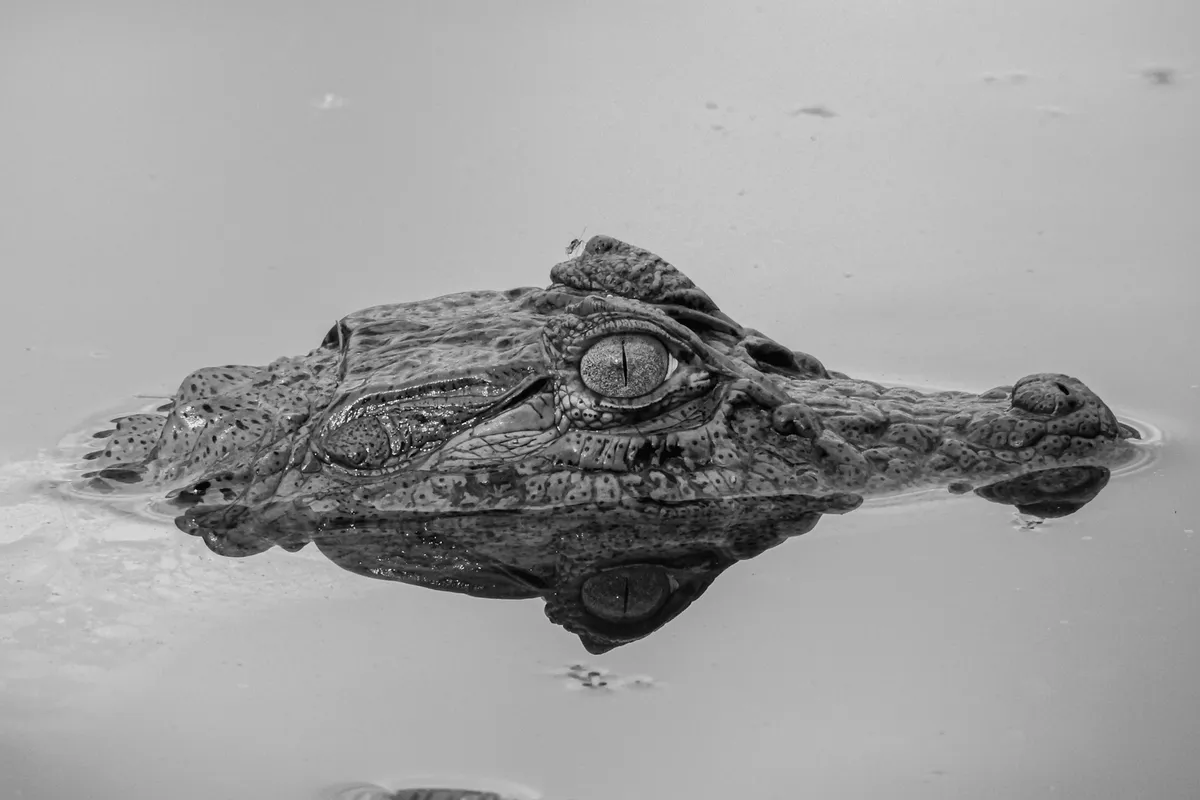
Travel insurance and communication with your lodge are part of the planning. Cell signal can fail, and medical care is far away.
Frequently Asked Questions
Which is better, North or South Pantanal?
The North favors the Transpantaneira and Porto Jofre; the South combines farms and access via Campo Grande. Both have wildlife.
What is the best time to go?
The dry season favors roads and animal concentration; the wet season favors navigation and scenery.
How many days should I stay?
Four to five nights at a single base.
Is seeing a jaguar guaranteed?
No. Sightings depend on nature, season, and search effort.
Do I need a 4×4 car?
On many access roads, yes; a lodge transfer is usually safer.
Conclusion
The Pantanal isn’t a checklist of animals; it’s a cycle of waters. Choose North or South, align the season with your priorities, and stay several days at the same base; Voyage Voyage helps you trade anxiety for observation.