 Marcelo Oliveira
The cobblestone streets rise and fall endlessly, and around every corner, a baroque tower appears against the Minas Gerais sky. That’s how most visitors discover what to do in Ouro Preto: by walking slowly, because the city doesn’t give itself away in a rushed afternoon. A former capital of the Minas Gerais captaincy and stage for the Inconfidência Mineira, it holds Brazil’s largest collection of baroque art in churches, museums, and mansions that have stood since the 18th century.
Hotels in Ouro Pretofree cancellation options onlySee hotels ›Booking.com partner (advertising): we may earn a commission at no extra cost to you.
Quick answer: in Ouro Preto, set aside at least 3 days to visit the baroque churches signed by Aleijadinho (highlights include São Francisco de Assis and Nossa Senhora do Pilar), the Inconfidência Museum at Praça Tiradentes, and take a day trip to Mariana, 15 km away. Stay near Praça Tiradentes, wear closed-toe shoes because of the cobblestones, and confirm church hours before heading out, since most close on Mondays.
How to get to Ouro Preto
The most common way is by car or bus from Belo Horizonte, about 100 km away—just over 1h30 by the BR-356 highway. Regular buses leave from BH’s bus station, with more frequent departures on weekends. Those flying in land at Tancredo Neves International Airport (Confins) or Pampulha Airport, both with transfer options and car rentals to the city.
Within the historic center, the most practical way to get around is on foot, since most streets are narrow and cobblestone, with steep hills that make driving difficult. For longer stretches or hauling luggage to your inn, taxis and ride-hailing apps work well in town.
Best time to visit and how long to stay
The dry season, from May to September, is the most popular: less rain, mild daytime temperatures, and cool nights—bring a jacket even if you’re visiting during the Brazilian summer, because Ouro Preto’s nights get quite chilly year-round due to the altitude. July tends to be crowded due to school holidays, so those prioritizing peace and quiet might prefer May, June, or August.
As for how long to stay: 2 days cover the essentials of the historic center, but 3 to 4 days let you include Mariana, a waterfall in the surroundings, and a more relaxed pace through the churches and museums without rushing. Those with a deeper interest in history and sacred art can stretch it to 5 days and also explore Congonhas, with its prophets by Aleijadinho.
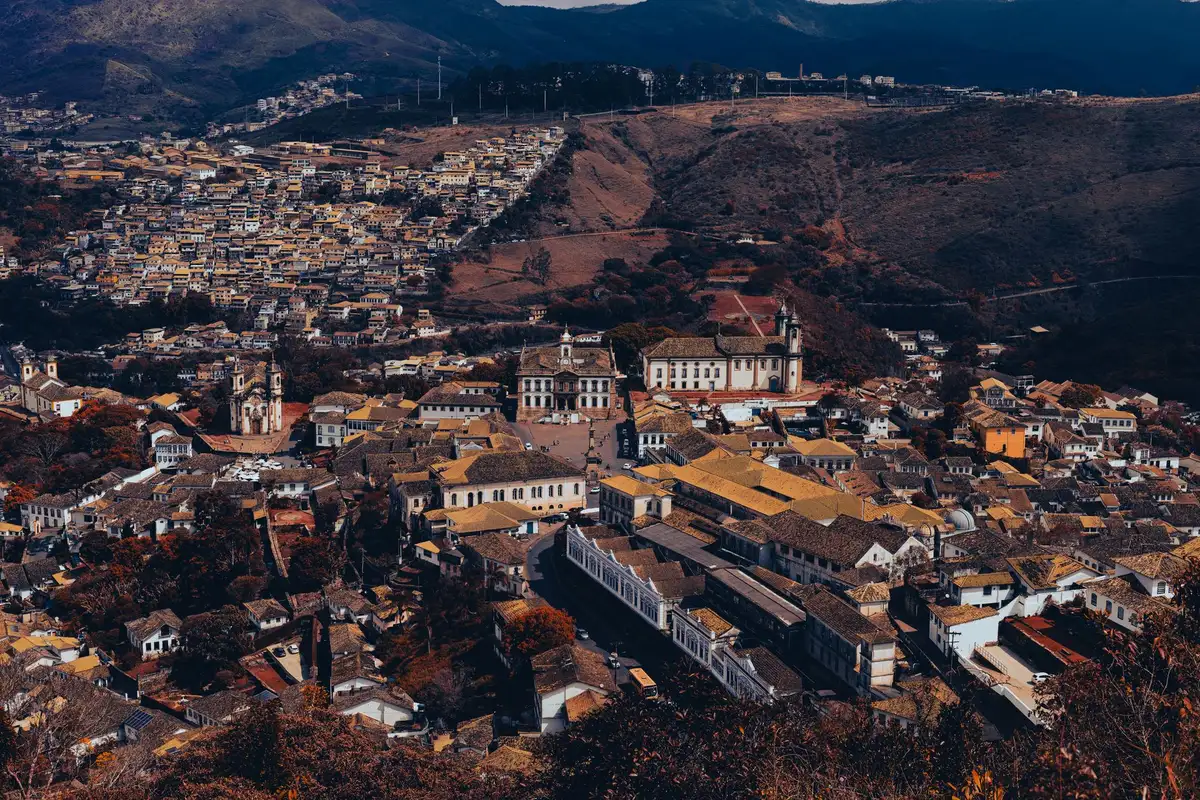
What to see in the historic center
The natural starting point is Praça Tiradentes, the heart of the historic center and home to the Inconfidência Museum, which holds original documents from the 1789 separatist movement, colonial furniture, and one of the country’s most complete collections of baroque sacred art. From there, streets fan out into hills leading to over a dozen churches—worth wearing comfortable sneakers, because the cobblestones don’t forgive heels.
Igreja de São Francisco de Assis
Considered the masterpiece of Minas Gerais baroque, it was designed by Aleijadinho and built between 1766 and 1810. The carved soapstone facade and the ceiling painted by Manoel da Costa Ataíde, with scenes from the life of Saint Francis, form a set rarely matched in colonial Brazil.
Igreja de Nossa Senhora do Pilar
Here, the highlight is the interior: about 400 kg of gold cover the carvings, altars, and columns, one of the richest gilded woodwork ensembles in the country. It’s quite a contrast with the sober exterior of the facade.
Museu Aleijadinho and the church circuit
The Museu Aleijadinho operates inside the Santuário de Nossa Senhora da Conceição de Antônio Dias and is part of a circuit that also grants access to the Igreja de São Francisco de Assis and the Igreja de Nossa Senhora das Mercês e Perdões. The combined ticket costs R$ 10 (full) and R$ 5 (half), Tuesday to Sunday, from 8:30 am to 12 pm and 1:30 pm to 5 pm—worth confirming prices on the official website before you go, since adjustments happen without much notice. A little-known detail: the Igreja Matriz de Nossa Senhora da Conceição is closed for restoration, and part of its collection has been temporarily moved to the Igreja de São Francisco de Assis, so don’t be surprised to find pieces “out of place” during your visit.
The Igreja de Nossa Senhora da Conceição, when it reopens, should continue charging around R$ 6 for the ticket that also grants access to the Museu do Aleijadinho, and the small Igreja de São José charges R$ 2—both symbolic amounts compared to what you’d pay at museums in other capitals.
Rua Direita and Feira do Largo de Coimbra
For shopping and crafts, Rua Direita (Conde de Bobadela) and Rua Cláudio Manoel concentrate shops selling sweets, cheeses, and soapstone pieces. On weekends, the Feira do Largo de Coimbra, facing the Igreja de São Francisco de Assis, brings together local artisans—a good place to buy a souvenir that isn’t mass-produced.
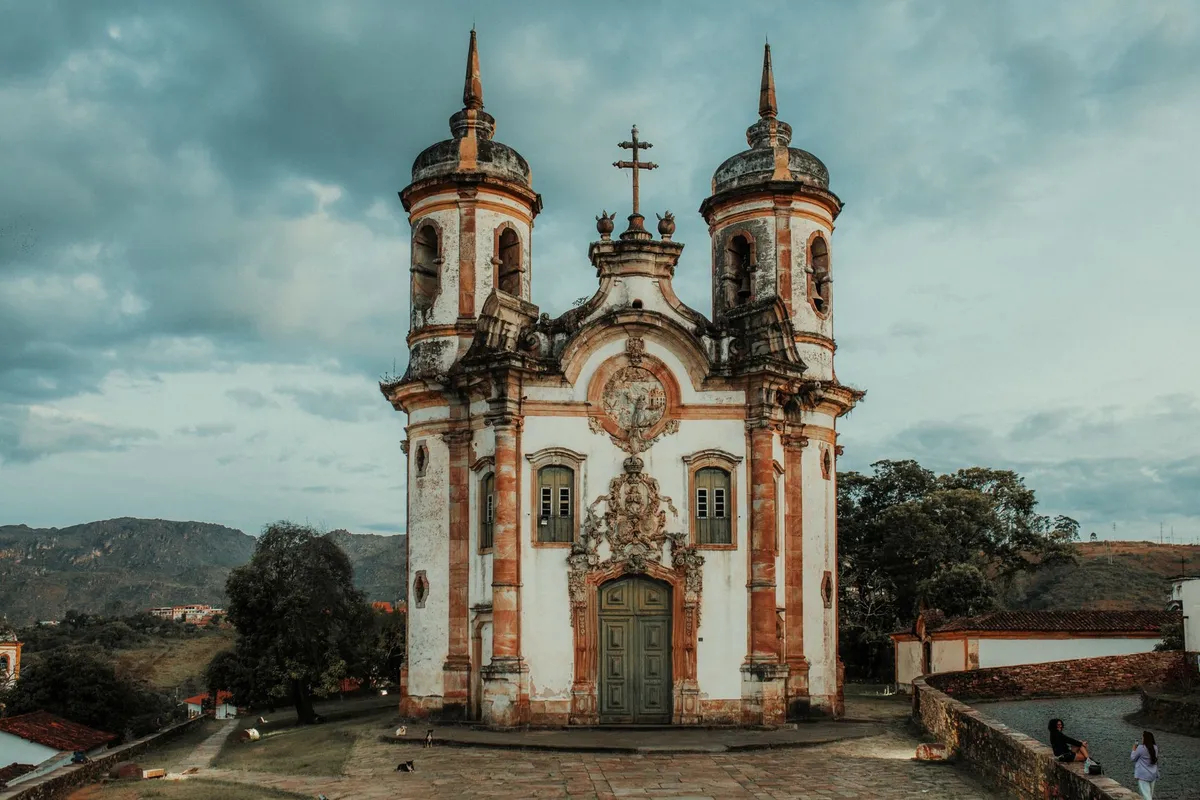
For those who prefer to have everything organized without worrying about routes and explanations, a guided tour of Ouro Preto’s historic center covers the main churches and squares with a local guide, which really helps you understand the context behind all that gilded woodwork.
 Partner · Civitatissee all activities in Ouro Preto ›
- The Great Central Mine Guided Tourfrom€14.05per personSee ›
- Cabral Waterfalls Day TripRating 9.3 · 3 reviews on Civitatisfrom€41.46per personSee ›
- Ouro Preto & Mariana TourRating 9.3 · 14 reviews on Civitatisfrom€74.12per personSee ›
- Day Trip to Mariana & Passagem Gold MineRating 9.6 · 5 reviews on Civitatisfrom€59.23per personSee ›
Civitatis prices on 28/09/2026, from, per person. They may change. Want to compare? Activities in Ouro Preto on GetYourGuide ›
What to pair with Ouro Preto
The city of Mariana is just 15 km away and also holds baroque churches and a listed historic center, making it a great half-day trip. Another nearby option is Lavras Novas, a rural district 15 km away known for waterfalls and trails—ideal for those wanting to mix urban sightseeing with nature. Those with more time can head to Congonhas, about 90 km away, to see the Prophets carved by Aleijadinho at the Santuário do Bom Jesus de Matosinhos.
To simplify the logistics of going to and from Mariana in the same day, there are day trips to Mariana from Ouro Preto, with transportation and itinerary already organized.
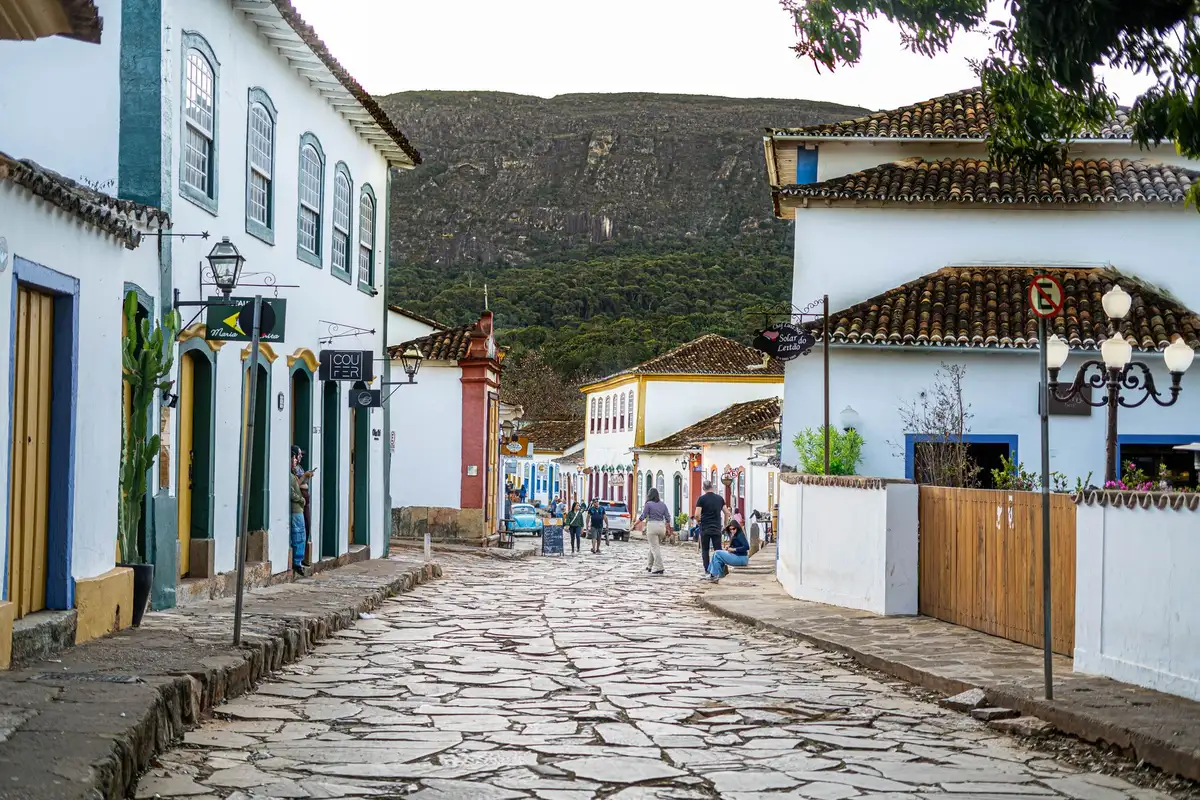
Where to eat
Minas Gerais cuisine dominates the menu: tutu de feijão (a creamy bean stew), feijão tropeiro (a hearty bean-and-farofa mix), torresmo (crispy pork belly), and the inevitable pão de queijo (cheese bread) show up at nearly every restaurant in the historic center. Be sure to set aside time to try the traditional copper-pot sweets sold in the little shops along Rua Direita, still made by hand by local producers. Restaurants with views of the churches tend to charge a bit more, but the experience of dining with the illuminated Matriz church glowing in the background is worth it for at least one night of your trip.
Where to Stay
The area around Praça Tiradentes is the best located, with guesthouses in historic mansions just steps from the main churches and museums — ideal for those who want to walk everywhere. For travelers on a tighter budget, neighborhoods a bit farther from the center, like Padre Faria or São Cristóvão, offer cheaper lodging just a short walk or rideshare trip from the historic district.
Where to stay in Ouro Preto
| Hotel | Rating | |
|---|---|---|
| Pouso CentroCity centre · Quarto econômico com duas camas em beliche | 8,6873 reviews | See prices |
| Pousada Marotta450 m do centro · Quarto duplo e café da manhã | 8,6533 reviews | See prices |
| Casa dos Meninos B&BHistoric centre · Quarto quádruplo disponível para dois adultos | 9,2224 reviews | See prices |
| Pousada Casa do PilarHistoric centre · Quarto quádruplo deluxe | 9,7121 reviews | See prices |
| Hotel Pousada do Arcanjo1 km do centro · Quarto deluxe standard com café da manhã | 9,4217 reviews | See prices |
| Pousada Sinhá Olímpia1,8 km do centro · Quarto queen com café da manhã | 9,41.309 reviews | See prices |
| Hotel Recanto do Ouro1,9 km do centro · Quarto standard queen com café da manhã | 9,25.417 reviews | See prices |
Booking.com rating on 30/09/2026
Practical Tips
Wear closed-toe, comfortable shoes — the cobblestones are brutal on flip-flops and heels. Bring a jacket even on a summer trip, because the nights get chilly due to the altitude. Most churches close on Mondays, so plan your itinerary from Tuesday to Sunday. Bring cash for admission to the smaller churches and for the stalls at the Feira do Largo de Coimbra, since not all of them accept cards.
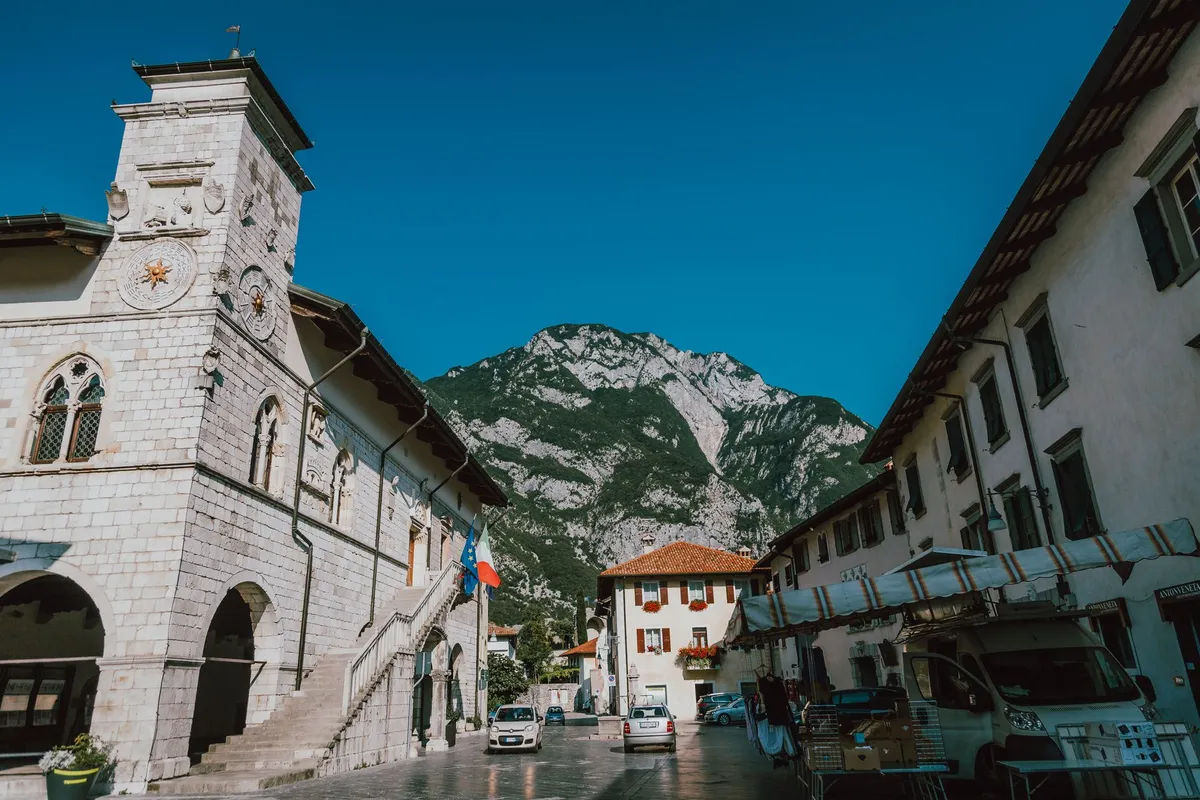
It’s also worth checking out our 5-day Belo Horizonte itinerary, since the capital of Minas Gerais is usually the gateway for those visiting Ouro Preto.
 HotelAs soon as you have datesCompare neighbourhoods and guest ratings.See hotels ↑
- ActivitiesBefore you travelBook ahead the ones with limited spots.Civitatis ›
 More activitiesTo compareTickets, day trips and tours with flexible cancellation.GetYourGuide ›
Frequently Asked Questions
How many days do you need to see Ouro Preto?
Two days cover the essentials of the historic center, but the ideal is 3 to 4 days to include Mariana and visit the churches at a relaxed pace, without rushing between closing times.
How much does it cost to get into Ouro Preto’s churches?
Admission is symbolic: the Aleijadinho Museum circuit with three churches costs R$ 10 (full price) and R$ 5 (half price); the Igreja de São José charges R$ 2. Confirm current prices directly with the parishes before your trip.
Is it worth visiting Mariana on the same trip?
Yes. Mariana is just 15 km from Ouro Preto and has its own set of Baroque churches and a protected historic center, working well as a half-day round trip.
What’s the best time of year to visit Ouro Preto?
The dry season, from May to September, is the most recommended due to the mild climate and lower chance of rain, although nights are cold year-round because of the city’s altitude.
Conclusion
Ouro Preto rewards those who arrive willing to walk slowly up the hillsides and pay attention to the details carved in soapstone and gilded woodwork. Set aside a few days, lace up a good pair of sneakers, and let Mariana and the surrounding waterfalls round out your itinerary. For more travel inspiration across Brazil and the world, keep exploring Voyage Voyage.