 Marcelo Oliveira
Three days in Nashville are enough to understand why the city draws anyone who loves country and live music — as long as you don’t limit the trip to Lower Broadway. The most efficient split is to use day one for Downtown and the genre’s history, set aside one night for a standout stage, and leave the last day for neighborhoods where the city breathes outside the bar corridor. Honky-tonks belong on the itinerary, but they don’t need to fill every night.
Hotels in Nashvillefree cancellation options onlySee hotels ›Booking.com partner (advertising): we may earn a commission at no extra cost to you.

Does Nashville in three days actually work?
It works because the most useful music attractions are clustered downtown, while neighborhoods like 12South and Centennial Park offer a simple counterpoint on day three. The common mistake is filling the schedule with look-alike bars. Better to pick one Lower Broadway night for the collective energy, one performance or tour with a set time, and one calmer night for songwriters or bluegrass.
The itinerary below is an order, not a mandatory checklist. Swap blocks around based on the day of the week and available tickets. Nashville has shows every day, but small venues can sell out and museums keep their own hours. The official Visit Music City calendar helps confirm what’s happening during your dates.
Day-by-day itinerary
Organize Nashville into three blocks: Downtown and country history on day one, a night of live stage on day two, and neighborhoods outside the center on day three. This distribution cuts down on travel, leaves room for timed tickets and keeps the honky-tonks from taking over the whole experience.
Day 1: Country history and Downtown
Start at the Country Music Hall of Fame and Museum. It gives context to the names, labels and eras that show up on plaques and in conversations around town, so it makes sense to visit before stepping into bars. Allow at least two hours and check hours on the museum’s planning page. Then walk through SoBro, Fifth + Broadway and the area around the Ryman Auditorium.
Late afternoon at the Ryman
The Ryman works well as a bridge between museum and night. Even if there’s no show on your day, a visit helps you place a piece of Grand Ole Opry history. If there’s a performance that genuinely interests you, buy the ticket before locking in the itinerary; the venue is more useful as a stage experience than as a rushed photo stop.
 Partner · Civitatissee all activities in Nashville ›
Nashville Trolley Tour
- Nashville Guided TourRating 10 · 4 reviews on Civitatisfrom€36.61per personSee ›
- Nashville Ghost Tourfrom€25.12per personSee ›
- Country Music Hall of Fame & Museum Ticketsfrom€28.06per personSee ›
- Nashville Music Night Tourfrom€36.87per personSee ›
Civitatis prices on 28/09/2026, from, per person. They may change.
Lower Broadway and the honky-tonks
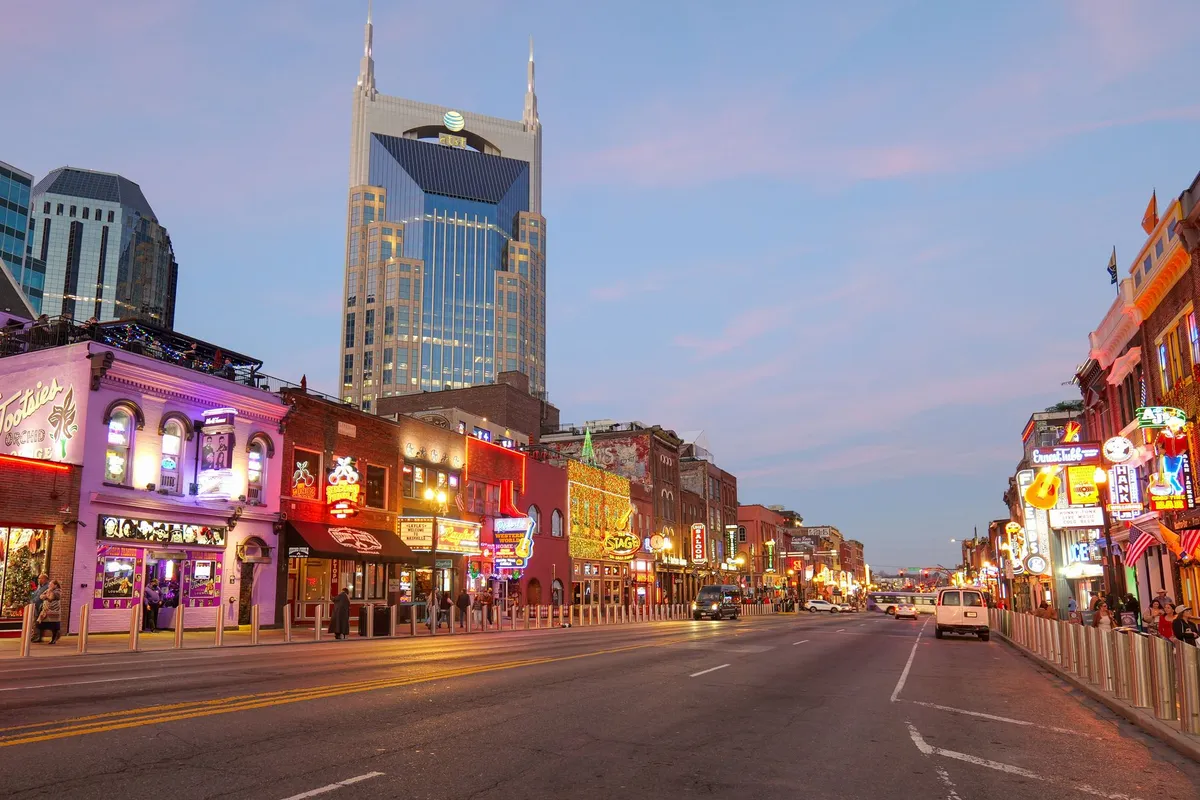
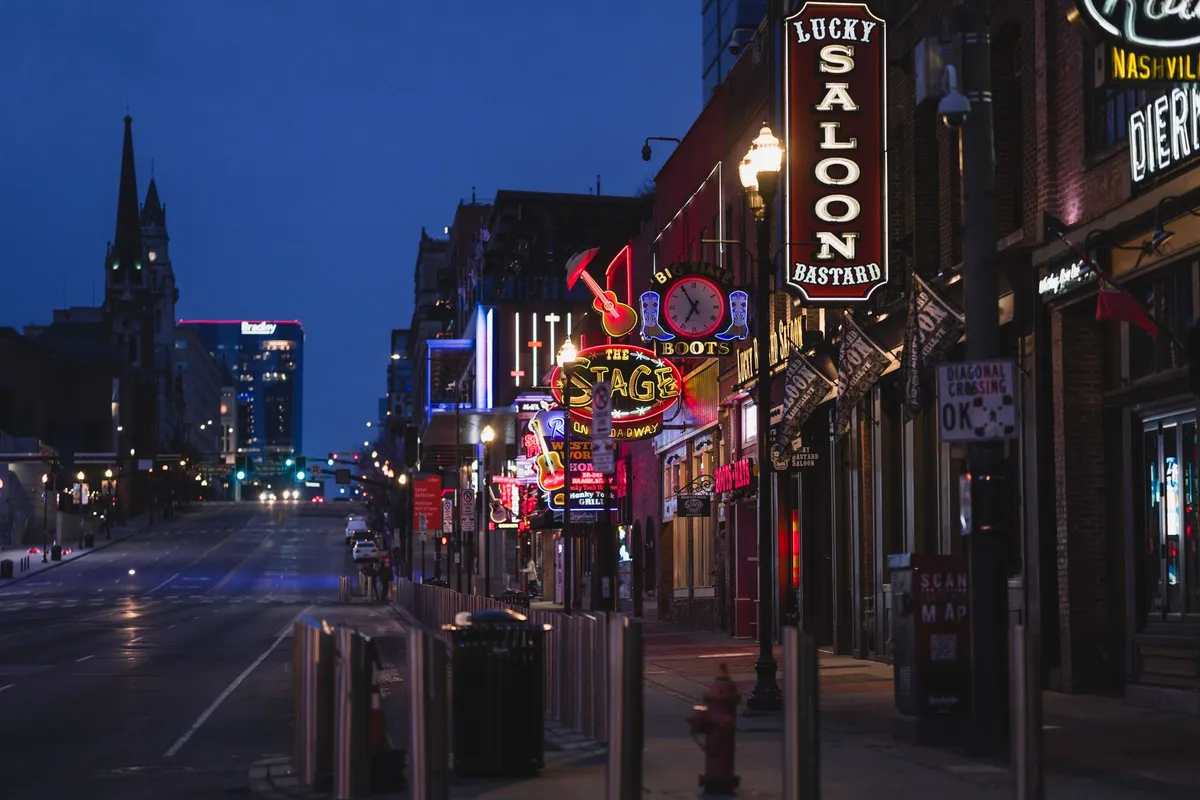
Lower Broadway is the pick for a night of nonstop music, neon, packed bars and bands playing back to back. It isn’t a complete picture of Nashville, but it’s an arrival ritual that works best when you go early, pick two or three spots and accept that there will be crowds. The official nightlife page notes that the city offers genres beyond country — from blues and jazz to rock and pop — and that bars generally close at 3 a.m.
How to pick bars without turning it into a marathon
Start on a ground floor to hear the band without depending on an elevator and rooftop, then head up to a spot with a different setlist or vibe. If the music doesn’t do it for you, leave without ceremony: the whole advantage of Broadway is being able to change stages on foot. Chasing “the best honky-tonk” in the abstract isn’t worth it; go with whatever show is working in the moment and keep your hotel or ride back sorted out.
Day 2: Stage and tradition
Use the morning for an unhurried coffee and, if you ran short on time, finish the museum or take a studio tour. At night, the Grand Ole Opry is the choice for anyone who wants to see a country institution in action, not just hear bar music. Lineups and times vary, so the ticket should drive this day, not the other way around.
If the Opry isn’t on your calendar or doesn’t fit your budget, look for a songwriter round, a bluegrass show or a smaller room. That swap usually makes the itinerary more personal and keeps you from repeating Lower Broadway. The city rewards anyone who alternates the big spectacle with a setting where music is heard seated, with less chatter around you.
After the show, pick a dinner spot or one last stop near your neighborhood. Nashville doesn’t require every night to end on Broadway. Saving energy makes day three better and cuts down on pricey rides after midnight.
Day 3: Neighborhoods outside the center
On day three, get out of Downtown. Centennial Park offers an outdoor breather and the Parthenon; 12South is great for walking, eating and seeing a more residential and commercial side of the city. These two blocks don’t replace music, but they explain why Nashville is more than its tourist bar strip. Depending on your interests, fit in a venue in East Nashville or a songwriter session at night.

Bookings and logistics
Prioritize bookings with a set time: the Country Music Hall of Fame, tours, the Grand Ole Opry and any small room you really want. Staying in SoBro or Downtown cuts down on travel on day one, but it isn’t mandatory; what matters is planning your nighttime rides before you drink. For short visits, rideshare apps and walking handle the center well, while farther neighborhoods call for extra planning.
The two cards above make sense at different moments: the museum ticket for day one and the night tour for anyone who prefers guided context over picking bars at random. They’re options, not obligations; compare times with your schedule before booking.
End the trip with a deliberate choice: if traditional country is the priority, keep the Opry and the museum; if the fun is in discovering new music, cut one fixed attraction and leave a night open. Nashville works best when the itinerary has structure — but not when it feels like an attendance sheet.
Three days don’t exhaust the city, and that’s part of the advantage. You leave with a map of neighborhoods, stages and styles for a next visit, without turning every meal and every night into a race.
A morning that isn’t just getting from A to B
Set aside at least one morning to wander without a music goal: neighborhood cafés, Centennial Park or a short walk around the hotel. The break is useful because Downtown can be intense and because nighttime schedules start late. Nashville gets more interesting when you alternate a concert hall, a busy street and a moment without amplified sound.
Food and breaks between stages
Don’t plan a long dinner minutes before a show with assigned seating. Keep meals shorter near the center on museum and Ryman days; on day three, enjoy your chosen neighborhood for a more relaxed meal. Hot chicken can be part of it, but it doesn’t have to be an itinerary obligation. The good choice is the one that fits between time slots and doesn’t force a rideshare sprint to the next attraction.
When to adapt the itinerary
If you arrive on a Friday, do Broadway on day one and lock in the most competitive night. If you come on a weekday and prefer to listen closely, swap a bar block for a songwriter session. The difference between a memorable trip and an exhausting schedule usually comes down to this adaptation: use the landmarks as structure, but let the actual programming lead the night.
The official three days in Nashville itinerary also suggests combining Downtown, the museum and Lower Broadway. Use it to adjust the sequence if a ticket changes. Since show and exhibit times vary, always confirm before leaving the hotel.
Finally, don’t treat the city as an endurance test. One well-chosen night, a museum visited at a leisurely pace and a neighborhood explored on foot count for more than a long list of addresses. The three-day itinerary leaves room for that choice and, for that reason, works for first-timers.
If your flight lands in the late afternoon, turn the first night into a short walk down Broadway and save the museum for the next morning. If you arrive early, do the opposite: start with the collection and use the night to hear music without rushing. That small flip beats trying to squeeze two timed programs into the same slot.
It’s also worth checking for big games, conventions or festivals during your dates, since they affect rates and transportation. On a short itinerary, hotel location and show times matter more than adding another attraction. A well-chosen neighborhood gives you back time to walk and listen.
Nashville doesn’t have to be experienced at maximum volume. Between one stage and the next, leave space to observe the city, have dinner and decide whether that’s the music you want to keep hearing. That’s how three days stop being just a circuit of attractions and find their own rhythm.
 HotelAs soon as you have datesCompare neighbourhoods and guest ratings.Booking ›
- ActivitiesBefore you travelBook ahead the ones with limited spots.Civitatis ›