What to do in Medellin starts with a three- or four-day itinerary: use the metro and Metrocable to get a feel for the city, set aside a morning for Comuna 13, and save Guatapé for a separate day. Medellín is a big city with very different neighborhoods; safety and travel time should guide your route from the moment you pick your hotel.
Medellín is safe for travelers who stay aware of their surroundings, avoid flashing phones and cash, and use rideshare apps or official taxis at night. The capital of Antioquia has solid highlights like Plaza Botero, Jardín Botánico, Pueblito Paisa, and Comuna 13, but the best itinerary mixes urban attractions with breaks so you’re not crossing the valley multiple times in one day.
Getting to Medellín and getting around the city
José María Córdova International Airport is in Rionegro, outside the urban area; plan for a transfer, authorized taxi, or bus into Medellín and don’t book a tight activity right after you land. The domestic Olaya Herrera airport is more central but serves a different set of routes. In the city, the metro runs along the north-south axis and connects to the cable cars, the Metrocables, which are also worth riding for the views.
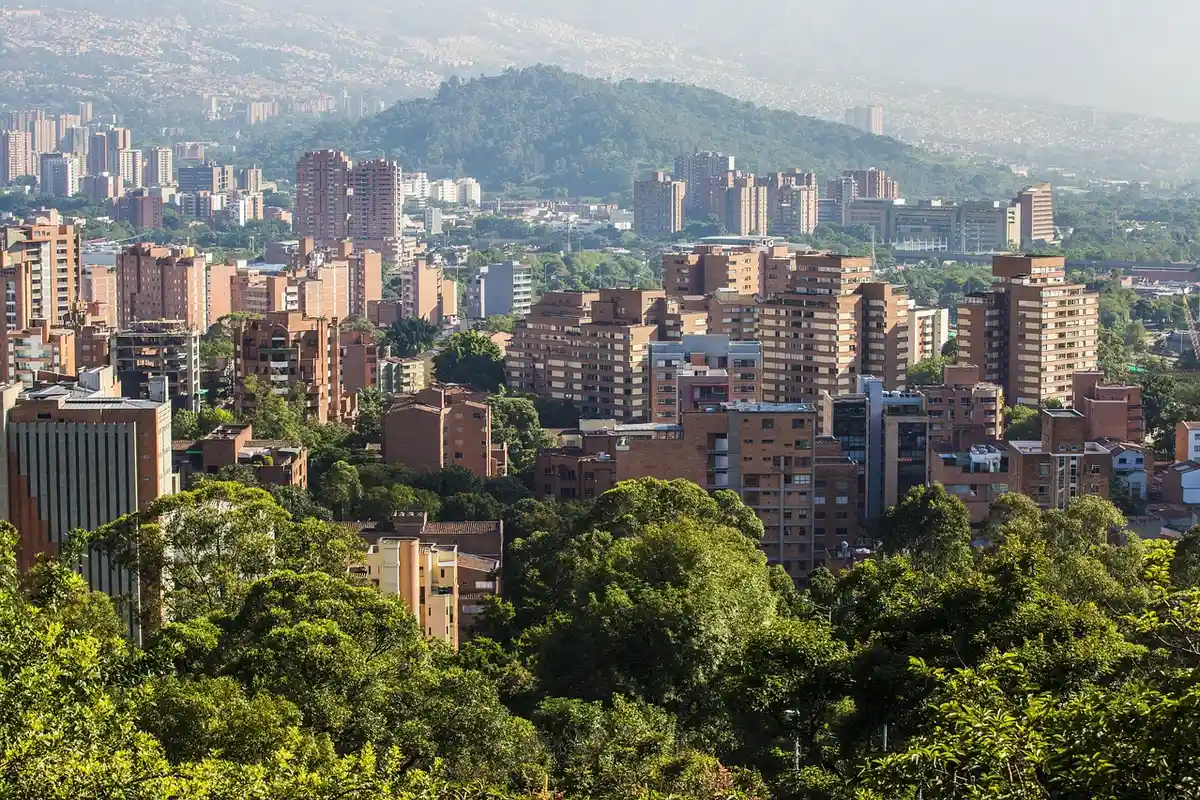
Buy or top up a Cívica card to use the integrated system and keep your phone stashed on crowded platforms. The metro works well for daytime trips but doesn’t cover every sight: you’ll still walk to the Museo de Antioquia, the Centro, and Pueblito Paisa; for El Poblado and Provenza, a rideshare usually saves time. Group visits by neighborhood: Medellín looks compact on a map, but the terrain changes every route.
There isn’t much Colombia content on Voyage Voyage yet, but our guide to Guatapé in two days helps you decide whether to stay in the city or sleep near the Piedra. To understand the region before booking tours, check the Medellín Tourism Subsecretariat, which runs information points in Comuna 13, Parque Arví, and Pueblito Paisa.
How many days to spend in Medellín
Three full days work well for a first visit: one for the Centro and Comuna 13, one for El Poblado, Jardín Botánico, and viewpoints, and one for Guatapé. Four days give you room for Parque Arví, museums, or a lazy afternoon in Laureles. Two nights feel rushed if you also want to do Guatapé; in that case, pick between the day trip and a deeper Medellín experience.
Start at the Centro early, when the Museo de Antioquia and Plaza Botero are busy with locals and visitors alike. Then do Comuna 13 with a local guide, especially if you want to understand the murals, the escalators, and the neighborhood’s transformation without treating it as a backdrop. On day two, leave room for El Poblado or Laureles, neighborhoods with a different scale and more restaurant options.
If you’re planning to combine destinations, the Caribbean coast demands a different pace: our guide to San Andrés in four days doesn’t work as a quick add-on, but it’s a great follow-up if you want beach time after the mountains. For a shorter route, head to Guatapé and return to Medellín the same night.
What to do in Medellin: attractions worth the trip
The best of Medellín isn’t just a list of viewpoints. Plaza Botero is packed with Fernando Botero’s sculptures and sits right in front of the Museo de Antioquia; visit in the morning and keep a close eye on your belongings, since the Centro is lively and doesn’t have the same vibe as El Poblado. Nearby, the Palacio de la Cultura Rafael Uribe Uribe is a quick architectural stop.
Jardín Botánico Joaquín Antonio Uribe offers another breather, with green space and fairly easy metro access. Pueblito Paisa, on Cerro Nutibara, is better for the viewpoint than as a historical replica. Parque Arví deserves half a day: take the Santo Domingo–Arví Metrocable, check the operating hours that day, and head back before dark if you’re not on a tour.
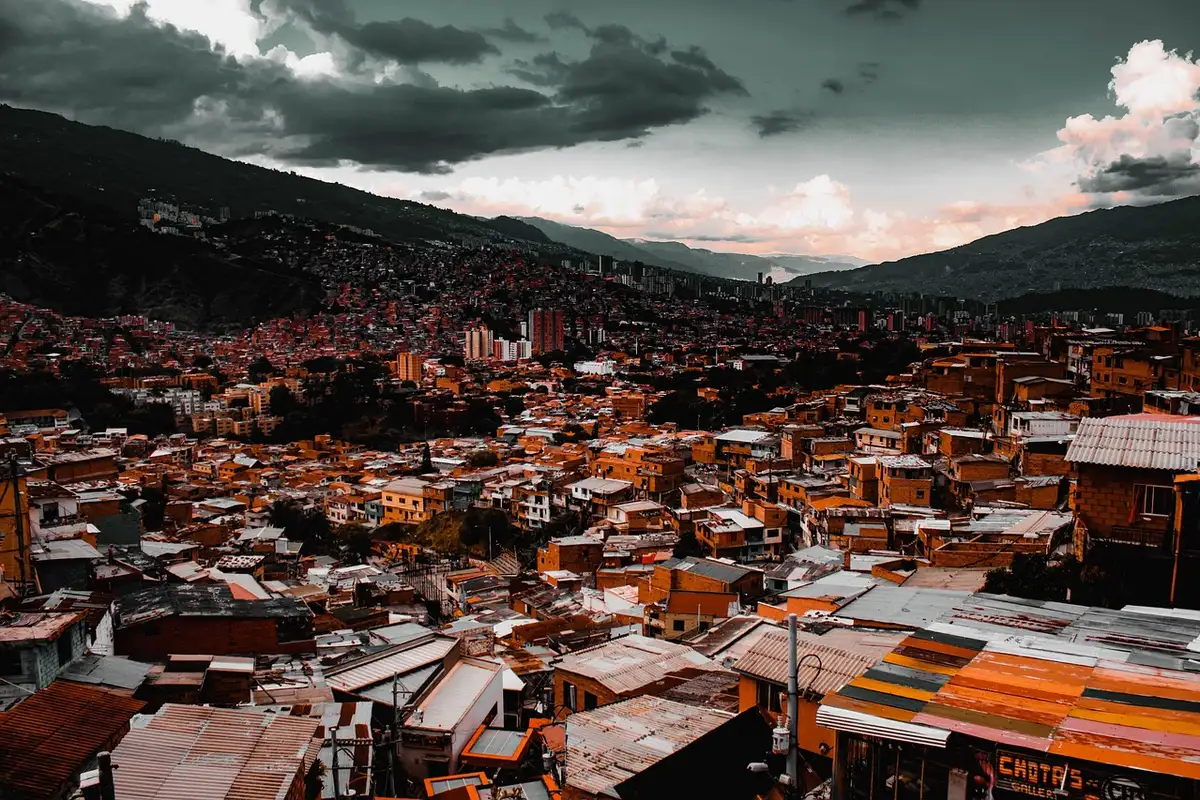
Comuna 13 is worth it when you visit it as a living neighborhood and give it time. The route is full of street art, music, shops, and public escalators, but it draws big crowds; arrive early and don’t take invasive photos of residents. You can book a Comuna 13 tour to get context and hit the highlights without winging the route.

At night, Provenza has bars and restaurants, but it doesn’t have to be your only dinner option. Laureles is less touristy and has pleasant streets to explore; El Poblado is more convenient if you prioritize hotels and nightlife. Don’t walk long distances alone after drinking, even in areas popular with visitors.
Is Medellín safe? What changes in practice
Medellín shouldn’t be treated as a risk-free destination, nor avoided because of an old reputation. The city government introduced the 2026–2030 District Tourism Safety Plan to tackle issues like theft, sexual exploitation, and informal businesses; the plan’s existence doesn’t replace smart choices on your end. Use licensed accommodations, credentialed guides when it makes sense, and keep emergency contacts saved.
In practice, avoid accepting approaches from strangers, exchanging money on the street, or carrying all your cards. At bars and dating apps, don’t leave your drink or phone unattended, and prefer heading back with someone or using a ride you called yourself. The local advice that sums it up well: no dar papaya — in other words, don’t make it easy for someone to steal from you by flashing valuables.
Comuna 13, the Centro, and transit terminals don’t require panic, but they do require more attention. Ask your hotel about the route back, leave your passport in the safe, and carry a copy. For current facts and alerts, follow the Medellín Mayor’s Office channels before your trip.
Is Guatapé worth a day trip?
Guatapé is worth the day trip if you want to climb Piedra del Peñol, wander past the colorful zócalos, and see the reservoir, but it’s a long day. Leave early; the road trip varies with traffic, and the visit loses its charm when the staircase is squeezed in late afternoon. If you love photography or want to take a boat ride, you’ll get more out of staying one night.
A Guatapé tour with a boat ride handles the logistics if you don’t want to rent a car. Compare the meeting point, whether the Piedra entrance is included, and how much free time you get in town. The site’s Guatapé article is the best internal resource for planning this choice.
Where to stay in Medellín
El Poblado is the easiest base for a first trip: it’s packed with hotels, cafés, and restaurants, but it costs more and can be noisy near Provenza. Laureles offers more residential streets and a less touristy routine; it works if you’re okay relying on rideshares. Envigado is a calm alternative, but it adds travel time to the Centro.
Choose the location before you worry about the hotel’s decor. Check for a 24-hour front desk, whether your flight arrives late, and if the Guatapé tour picks up guests from your neighborhood. In Medellín, saving a few bucks on an isolated stay can cost you time and mobility every single day.
When putting together your budget, separate what’s predictable from what changes daily. Hotels and flights are usually the biggest chunks; food can range from simple menus to restaurants in Provenza, and rideshare fares get pricier during peak hours and on the way back from bars. Paid tours should be compared by what they include, not just the advertised price. A guided excursion can save you hours of logistics, while going solo lets you set your own pace and eat wherever you want.
Bring an international card that works with contactless payments, a small amount of Colombian pesos, and a backup payment method stored separately. Small bills make everyday purchases easier; before accepting any currency exchange, confirm the rate and stick with established exchange houses. At restaurants, check whether the suggested tip has already been added to your bill and decide calmly. Basic Spanish goes a long way for confirming addresses, meeting points, and return times.
It’s also worth adjusting your expectations to the weather. Medellín is known for its relatively mild temperatures, but rainy afternoons are common and can change the experience at viewpoints and outdoor activities. Pack a light rain jacket, shoes with good grip, and a discreet portable charger. If it rains on the morning of your Comuna 13 visit, don’t cancel automatically: part of the route still runs, but stairs and walkways require extra caution.
The widget highlights an activity tied to the most popular stop on the itinerary. Read what’s included and compare the schedule with your Guatapé day to avoid two long outings back to back.
Frequently Asked Questions
Is Medellín safe for tourists?
Medellín is safe for tourists who take standard urban precautions: choose the right neighborhoods, don’t flash valuables, use rides you’ve booked yourself, and avoid long walks at night. The city has areas with different levels of risk.
How many days should you spend in Medellín?
Three full days is a solid amount of time for Medellín: one for the city center and Comuna 13, another for neighborhoods and parks, and a third for Guatapé. Four days leaves room for Parque Arví and museums.
Is Comuna 13 worth it?
Comuna 13 is worth it for its graffiti, history, and community initiatives, as long as you visit respectfully and give yourself enough time. Arriving early or going with a guide helps you understand the context beyond the photos.
Is Guatapé worth a day trip?
Guatapé is worth a day trip if you want to climb Piedra del Peñol and wander through the colorful town. Leave early, since the trip from Medellín takes up a good chunk of the day; an extra night lets you explore at a more relaxed pace.
How much does it cost to travel to Medellín?
The cost of Medellín depends on flights, season, hotel, and tours. Build your budget in Colombian pesos, leave room for rideshare fares, and confirm prices for attractions and tours close to your travel dates.
Conclusion
Medellín works best for travelers who are willing to do fewer things each day and take the time to understand where they are. Set up a comfortable base, put Comuna 13 and Guatapé on your itinerary with proper context, and let the city reveal its contrasts. At Voyage Voyage, our Colombia guides help you keep the trip going without forcing the pieces together.
To plan another urban adventure in Colombia, also check out the Bogotá itinerary.