 Marcelo Oliveira
London fits into five days when each day stays focused on one area: start with Westminster, move on to the City and Tower Bridge, set aside a day for Bloomsbury and the West End, walk the South Bank of the Thames, and finish in Greenwich. This order keeps the farthest sights for their own days and stops you from crisscrossing the city again and again. The itinerary below is complete, but it doesn’t try to turn every morning into a race: you pick the interiors you actually want to see and leave breathing room for lines, rain and breaks.
Hotels in Londonfree cancellation options onlySee hotels ›Booking.com partner (advertising): we may earn a commission at no extra cost to you.
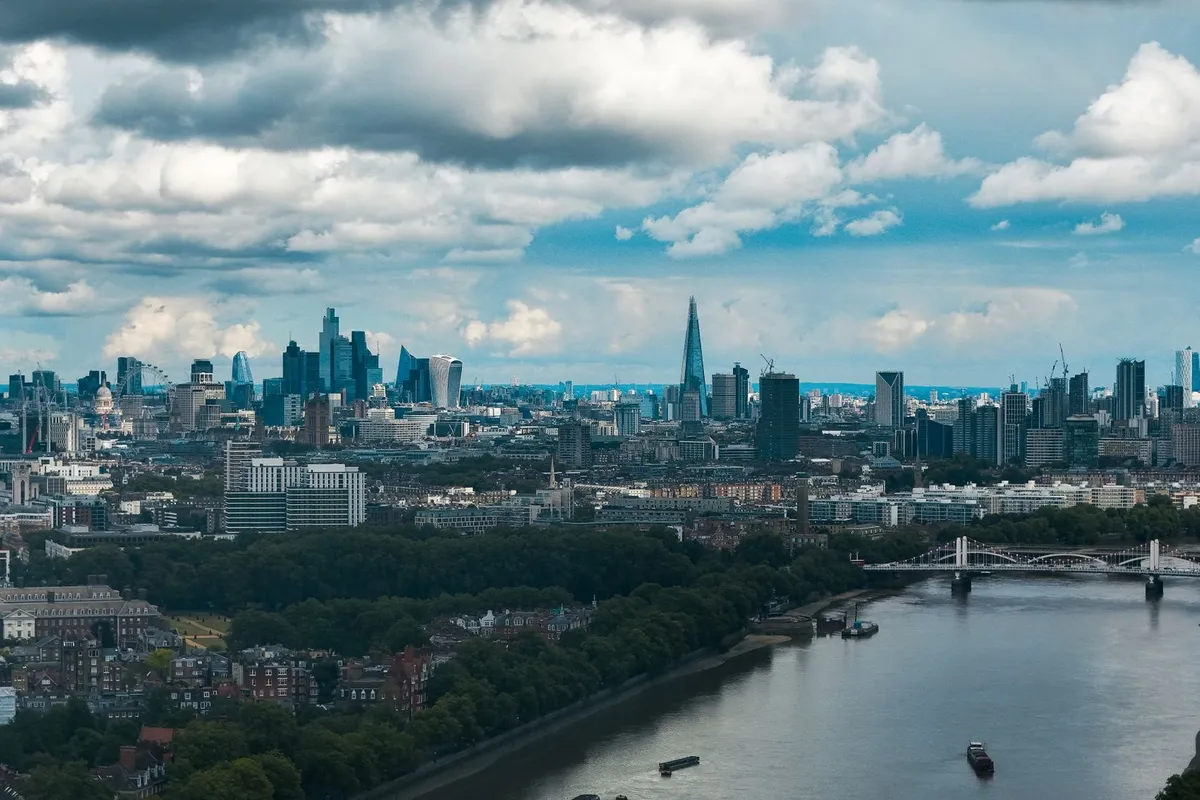
How to use this 5-day London itinerary
The best way to use this itinerary is to treat each day as a walkable loop, with metro or boat rides only between loops. The idea follows the logic of the area-by-area route recommended by Visit London, but with more time for interiors and a sequence built for five days. You can swap the order around based on the ceremony calendar, your arrival day and your ticket times.
Some attractions work well as anchors — Westminster Abbey, the Tower of London, the British Museum and St Paul’s — while others need no ticket at all, like St James’s Park, Trafalgar Square, Millennium Bridge, Borough Market and the Thames viewpoints. Book the anchors first; the open-air stops give the rest of the day its flexibility.
Where to stay in London
| Hotel | Rating | |
|---|---|---|
| Park Plaza London Westminster BridgeSouth Bank / Waterloo · At the end of Westminster Bridge, opposite Big Ben | 8,422.352 reviews | See prices |
| Park Plaza County Hall LondonSouth Bank / Waterloo · Behind the London Eye, within walking distance of Waterloo | 8,612.466 reviews | See prices |
| H10 London WaterlooSouth Bank / Waterloo · Near Lambeth North station, a 10-minute walk from Waterloo | 8,82.681 reviews | See prices |
| citizenM London BanksideSouthwark / London Bridge · Next to Tate Modern; compact, modern room | 8,73.768 reviews | See prices |
| London Bridge HotelSouthwark / London Bridge · Right next to London Bridge station | 9,14.078 reviews | See prices |
| Eurotraveller Hotel Premier Tower BridgeSouthwark / London Bridge · Cheaper option with a high rating near the river | 8,24.089 reviews | See prices |
| Strand PalaceCovent Garden / Strand · Between Covent Garden and the river, a short walk from Embankment | 8,517.948 reviews | See prices |
| The Z Hotel StrandCovent Garden / Strand · Small rooms, central location at a lower price | 8,37.943 reviews | See prices |
| Tavistock HotelBloomsbury / King's Cross · Bloomsbury, near Russell Square (direct Piccadilly line to Heathrow) | 8,213.644 reviews | See prices |
| citizenM London ShoreditchShoreditch · For those who want bars and nightlife in East London | 8,73.313 reviews | See prices |
Booking.com rating on 30/09/2026
Before you start: pace, bookings and transport
Plan for two to three paid attractions a day, not five: in London, time spent in security lines, getting around and resting weighs as much as distance on the map. The only exception is Westminster day, when a visit to Parliament or Big Ben should be paired with nearby outdoor sights.
What to book before you travel
Book timed tickets for Westminster Abbey, the Tower of London, the London Eye, St Paul’s and any West End show. The British Museum is free for the permanent collection, but recommends booking a time slot; the museum is open daily from 10am to 5pm and stays open until 8:30pm on Fridays, according to the official page consulted in August 2026. For Big Ben, the official page states that tickets are released three months in advance, on the second Wednesday of each month at 10am.
How to pay for transport
For most visitors, using a contactless card or phone is the simplest route: TfL accepts contactless, Oyster and Visitor Oyster and applies daily and weekly caps under pay as you go. Always use the same card or device to tap in and out; foreign cards may charge a conversion fee. If you’re traveling as a group, compare the costs before spreading different cards among different people.
Leave a 20 to 30 minute buffer for any attraction with security checks or a timed entry. When deciding between the Tube, bus and boat, think about what you want to see along the way: the bus helps link nearby areas without stairs, while the Thames boat is slower but turns the journey into part of the sightseeing.
Day 1: Westminster, Parliament and St James’s Park
Start with Westminster because it packs London’s symbols into a compact area and lets you do a lot outdoors before stepping into an attraction. Arrive via Westminster or Waterloo station, cross the bridge for your first view of the whole ensemble, and walk through Parliament Square, past the Abbey and into the park.
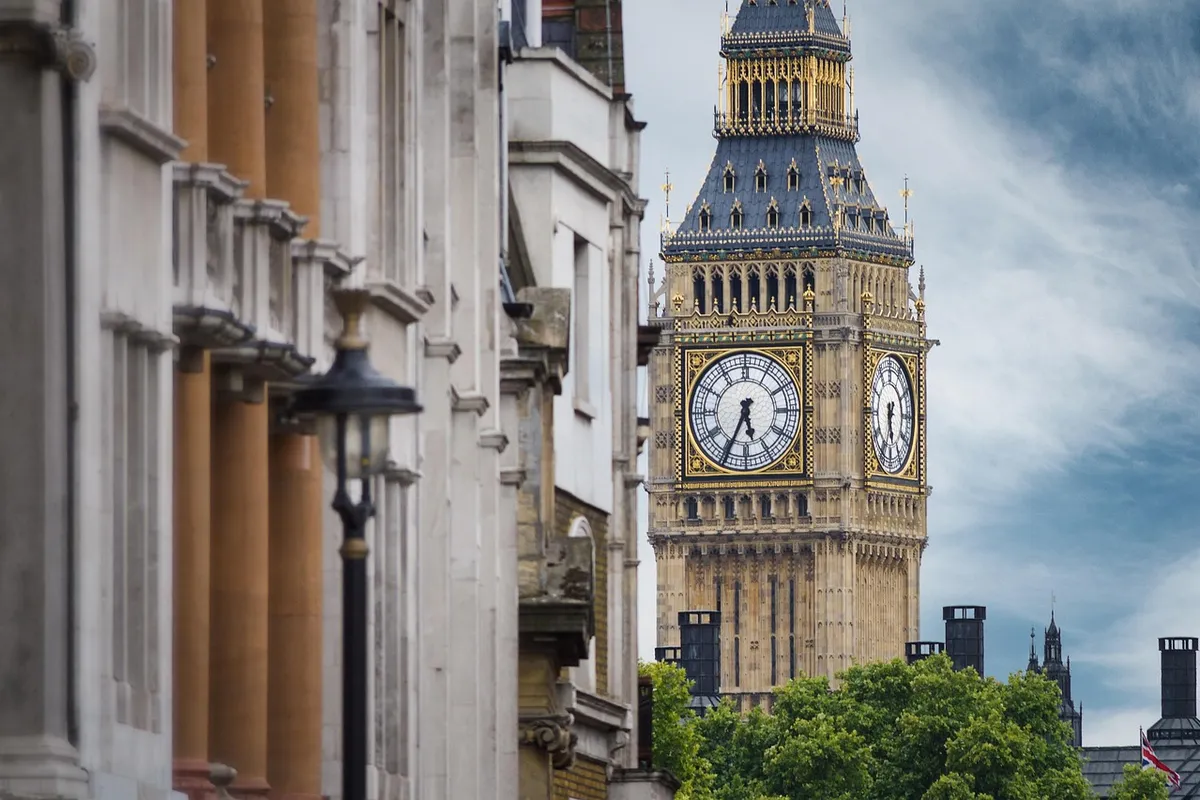
Pick one main interior. The guided tour of the Palace of Westminster lasts 90 minutes and takes in Westminster Hall, the House of Commons and the House of Lords; the official Big Ben tour is a different experience, lasting up to 90 minutes with 334 steps. Don’t book both back to back without factoring in the effort and the security time.
Then walk to Westminster Abbey if that’s your paid ticket for the day, and cross St James’s Park toward Buckingham Palace. The Changing of the Guard depends on the official calendar and can shift the crowds, so treat the ceremony as a bonus, not a mandatory centerpiece. Finish at Trafalgar Square and Covent Garden, where you’ll find dinner options and easy access to the West End.
If you want to climb Big Ben, save the Abbey for another time slot or another day: the tower tour requires a minimum age of 11, and involves loud noise and a narrow spiral staircase. For a lighter first afternoon, just do the exterior visit, the park and the riverbank, and save your budget for an interior that genuinely suits your group.
Day 2: Tower Bridge, the Tower of London and the City
Give your second day to the central east, because Tower Bridge, the Tower of London, the Monument, Leadenhall Market and St Paul’s all sit on the same City circuit. Start early at the bridge, walk the walkway for Thames photos, and head to the Tower of London, where the interior visit usually eats up a good chunk of the morning.
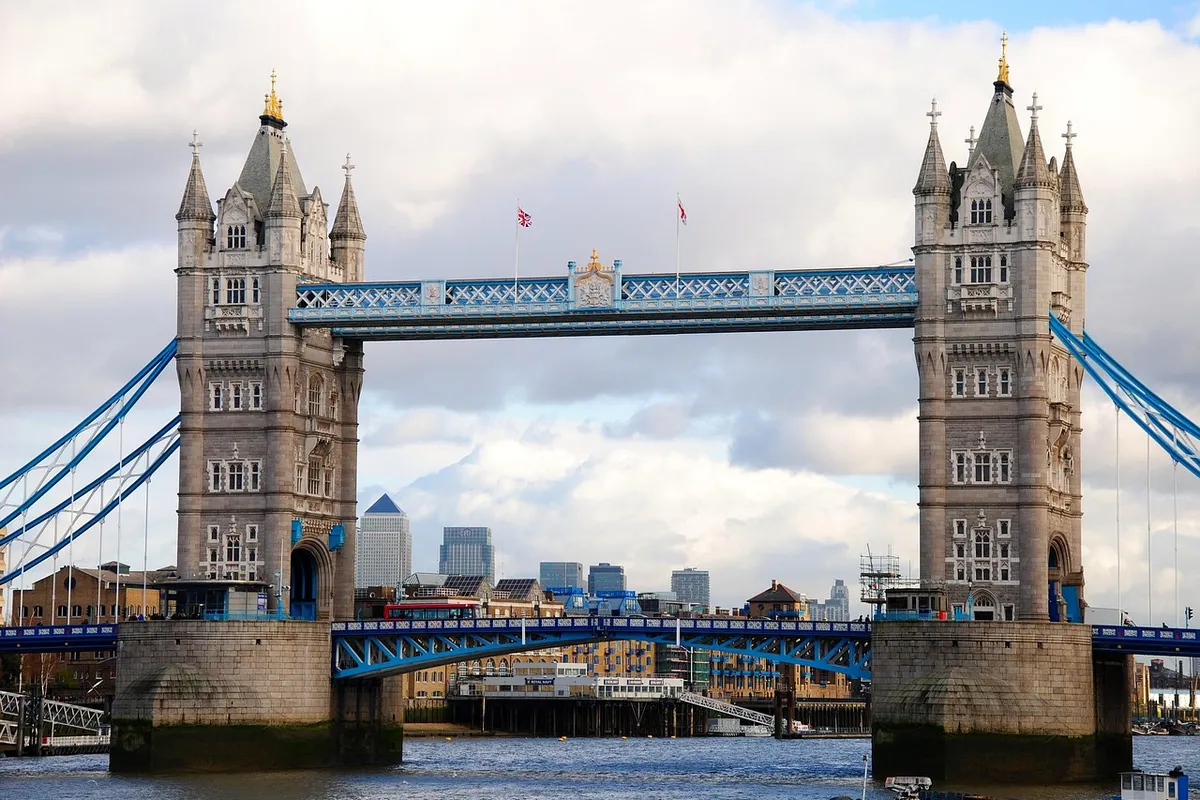
The Tower of London is far more interesting when you set aside time for the walls, the Crown Jewels and a Yeoman Warder guided tour, instead of just racing to the main exhibition. The official site warns that there are uneven, worn and sometimes slippery surfaces; wear sturdy shoes and don’t count on a fully flat walk.
After lunch, walk through the City to St Paul’s Cathedral. St Paul’s sightseeing runs Monday to Saturday from 8:30am, with last entry usually at 4pm, but the calendar can change; confirm the day before you buy. If you still have energy, cross the Millennium Bridge to Tate Modern and finish with a river view at dusk.
If you’d rather have a lighter late afternoon, swap Tate Modern for Borough Market and the walk to London Bridge. The route works even without buying a ticket for Tower Bridge, because the best views of the bridge and the river show up on both banks.
Day 3: British Museum, Covent Garden and the West End
Use your third day for a more cultural, compact stretch: British Museum in the morning, the streets of Bloomsbury and Covent Garden after that, with the West End saved for the evening. The payoff is practical: if it rains, the museum soaks up several hours; if the weather clears, you can cut the galleries short and walk more.
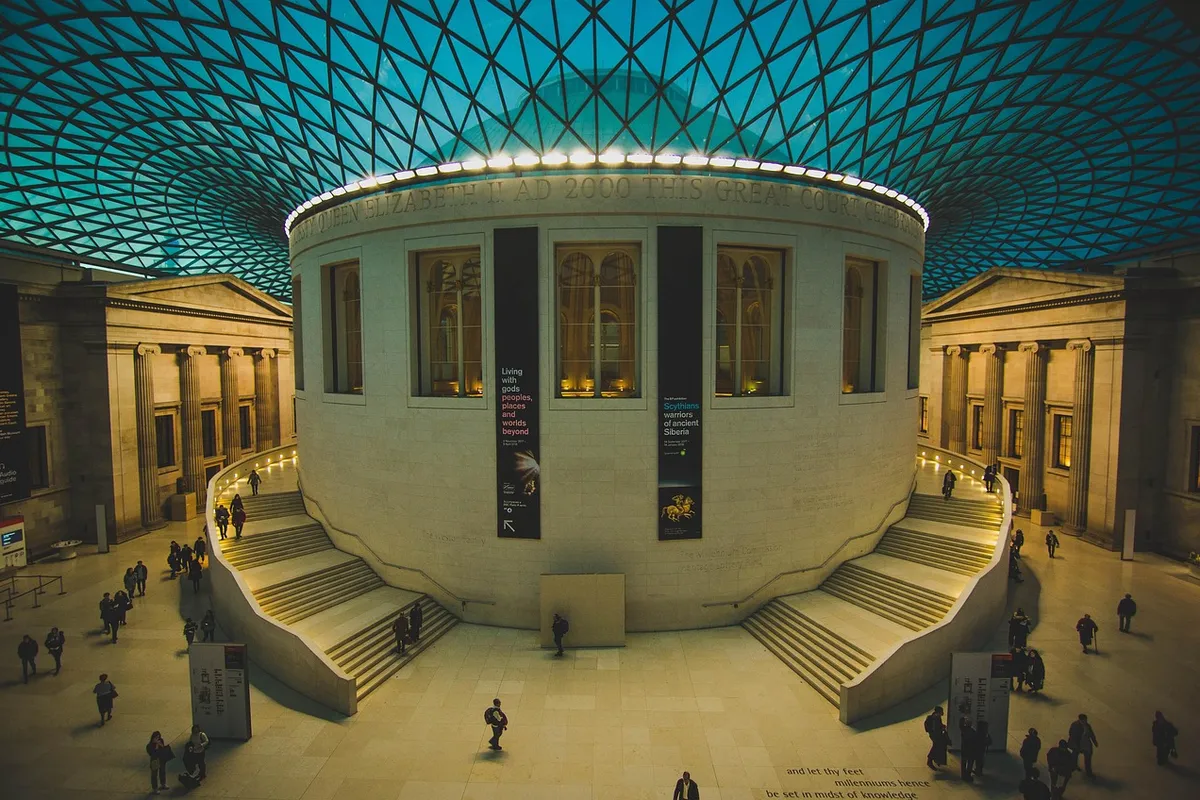
Don’t try to see the entire British Museum collection. Pick two or three core areas, like Egypt, Greece and the history of writing, and set an exit point so the visit doesn’t turn into a maze. Permanent admission is free, but there’s security screening, bag checks and the possibility of a line if you show up without a time slot.
Next, head down Russell Street toward Covent Garden, Seven Dials and Soho. Take a break before the theater; West End shows usually start at 7:30 pm and end around 10 pm, so a dinner far from the theater creates an unnecessary rush. If your group doesn’t want a show, swap the evening for Chinatown and a short stroll through Piccadilly Circus.
Day 4: South Bank, London Eye and the Thames riverside
Save your fourth day for walking the South Bank, starting at the London Eye and heading toward Waterloo, the National Theatre, Southbank Centre, Tate Modern and Borough Market. Booking the Ferris wheel in the morning helps you enjoy the view before the clouds roll in and keeps the rest of the day flexible for museums or breaks.
The London Eye is a good choice if you want a geographic read on the city, but you don’t need to ride it to enjoy the riverside. Between Westminster Bridge and Millennium Bridge there are benches, cafés, public art and views of Parliament; the stretch is most rewarding when you walk it without turning every spot into a mandatory stop.
If you haven’t visited St Paul’s on day two, cross via Millennium Bridge and spend the afternoon at the cathedral. If you already have, choose Tate Modern, Shakespeare’s Globe or just Borough Market. For families, the day works best with one paid attraction and a long outdoor break; for adults, it’s a good slot for a cruise or dinner on the river.
 See activities in London on GetYourGuide ›
Day 5: Greenwich and a flexible evening
Close out the itinerary in Greenwich to experience a more open, maritime London without repeating the historic center. Take the DLR, the Tube or a boat depending on where you’re starting, and set aside a morning for Cutty Sark, the National Maritime Museum, the park and the area around the Royal Observatory; pick your indoor stops based on the time and your group’s interests.
How to build the day without overpacking it
Start with the observatory or the ship, have lunch near Greenwich Market and save the climb through the park for afterward. The hill changes the pace of the outing, so it’s not a good idea to book another far-off attraction right after. If you have a ticket for the cable car at North Greenwich, treat it as an optional add-on, not an obligation in the same block.
On your last night, keep it easy and close to where you’re staying: a pub, a neighborhood restaurant, a rescheduled musical or a short walk. That buffer comes in handy if an attraction was closed, the weather slowed your travel or you simply want to revisit the place you liked most.
Tickets, getting around and how to manage your budget
Your budget becomes more predictable when you separate admission from transport and buy only the attractions that support your priority. Big Ben, for example, costs £55 for adults on tours starting August 1, 2026, and requires 334 steps; the Abbey, Tower of London, St Paul’s and the London Eye have their own prices and should be checked on the official pages in the month of your trip.
For timed attractions, arrive 20 to 30 minutes early and add screening time when the official page calls for it. For the free museums, book if you can, but keep a plan B: the British Museum, National Gallery, Tate Modern and Natural History Museum let you reshuffle the day when crowds or rain change your plans.
If you want to compare with another sequence, check out the 7-day London itinerary with classics and hidden gems, the London Eye and Tower of London in one day itinerary and the Big Ben in London outdoor guide. They work as references for extending your trip or splitting up attractions that were grouped here to fit into five days.
How to adapt the five days
Adapt the itinerary by swapping the experience, not just adding stops: on a rainy day, add more time at the British Museum or Tate Modern; on a tired day, see Westminster from the outside and save the Big Ben climb for later; with kids, cut long indoor visits and protect breaks in parks and markets.
If it’s your first trip
Keep Westminster, Tower of London, British Museum and a viewpoint as your priorities. They’re four different decisions — political history, medieval past, cultural collection and a read on the city — and they balance the five days better than cramming everything into palaces.
If you already know the classics
Swap an indoor stop for neighborhoods: Notting Hill, Hampstead, Shoreditch or Kew can replace part of your Bloomsbury or Greenwich day. The swap makes sense when your memory of London already includes the big landmarks and you’d rather watch how the city changes from one area to another.
With five days, the best itinerary isn’t the one that stacks up the most tickets, but the one that lets each area make sense. Use paid attractions as anchors, walk between them when the distance is short and accept that a free afternoon can be the best-spent part of the trip.
Before you head out, check the official calendars for Parliament, the Abbey, museums and cathedrals, plus the transport situation. London changes the operating hours of its buildings for ceremonies, events and maintenance; a quick check keeps your sequence from depending on a time slot that no longer exists.
If your first day starts later, just push Westminster to the next morning and use the evening in Covent Garden. The region-by-region structure still works because it was designed to be rearranged without forcing you to cross London from one side to the other.
 HotelAs soon as you have datesCompare neighbourhoods and guest ratings.See hotels ↑
- More activitiesTo compareTickets, day trips and tours with flexible cancellation.GetYourGuide ›