 Marcelo Oliveira
Kuala Lumpur often shows up on lists of Asia’s most-visited cities, but Malaysia’s capital isn’t explained by its skyline alone. On a single day, you can ride up an iconic skyscraper, step into a Hindu temple inside a limestone cave, have dinner in a neighborhood of bright lights, and end the night watching the city light up from above.
Hotels in Kuala Lumpurfree cancellation options onlySee hotels ›Booking.com partner (advertising): we may earn a commission at no extra cost to you.
If you want to know what to do in Kuala Lumpur without wasting time, here’s the short answer: set aside 2 or 3 days to combine Petronas, Batu Caves, Bukit Bintang, and a city viewpoint in one itinerary. That way, you’ll hit the essentials without turning your trip into a race between malls and ticket lines.
Getting to Kuala Lumpur
The most common route for travelers coming from Brazil is to land at Kuala Lumpur International Airport (KLIA) and then take the train, a ride-hailing app, or a transfer into the city center. If your focus is staying around KLCC, Bukit Bintang, and Chinatown, it’s worth booking a place in an area well connected to the rail network right from arrival—it saves a ton of time on getting around in the following days.

Kuala Lumpur works best when you plan your day around hubs rather than scattered points on a map. The Petronas Towers area is easy to pair with the modern center, while Batu Caves calls for a dedicated early-morning outing. If you’re coming after a stop in the neighboring city-state, our Singapore guide helps you put together a well-rounded urban double-header in Southeast Asia.
On the towers’ official access page, the complex notes that the easiest way to reach KLCC is to get off at the KLCC station on the Kelana Jaya line, or to connect from KL Sentral. The official route reference is here. This matters because traffic in Kuala Lumpur doesn’t mix well with a tight schedule.
Best time to visit and how long to stay
Kuala Lumpur works year-round, but the experience shifts quite a bit depending on rain, humidity, and your tolerance for heat. Since the city mixes walking stretches, elevated walkways, the metro, and lines at entrances, two factors weigh more than in other Asian capitals: getting out early and not overloading your day. In general, 2 full days cover the basics; 3 days leave room to eat better and see the city without rushing.
If your trip is short, use day one for KLCC and Bukit Bintang, day two for Batu Caves and the historic center, and save day three for a detour or to revisit the area you liked most. That kind of approach works better than trying to squeeze everything into a single day just because the city looks compact on a map.
Another useful tip is to buy Petronas Towers tickets in advance. On the official admission page, the towers list regular visiting hours from Tuesday to Sunday and holidays, from 9 a.m. to 10:30 p.m., with last entry at 9:30 p.m., plus specific closure windows on Mondays and select dates in 2026. That’s the official page I checked on July 6, 2026, because hours are exactly the kind of detail that changes.
What to see in Kuala Lumpur
Kuala Lumpur gets more interesting once you accept that it doesn’t have a single face. The city shifts pace constantly: from the polished glow of the Petronas area to the colorful ritual of Batu Caves, from the chaotic intersections of Bukit Bintang to a viewpoint that puts everything back into perspective. Instead of chasing an endless checklist, I’d structure the itinerary around four clear blocks.
These are the highlights that best sum up a first visit:
Petronas Twin Towers
They remain the city’s great symbol, and for good reason. On the official site, the complex highlights the climb to the Skybridge and the 86th-floor observation deck as the core of the visit, in a structure that reaches 452 meters tall. The ideal is to go early or late in the afternoon—you’ll get better light for photos and reduce the chance of hitting a crowded area.
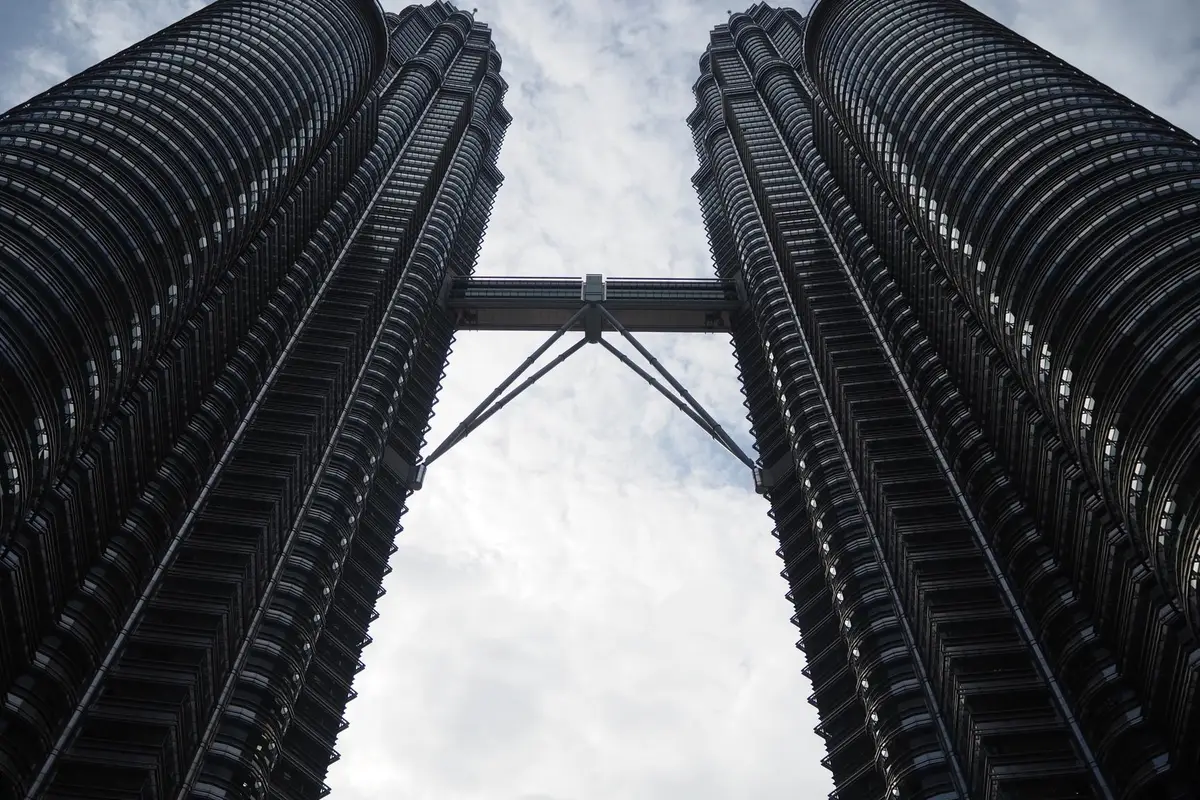
If you want to handle this without improvising, you can book your Petronas Towers ticket in advance. It’s the kind of purchase that makes sense even for travelers who don’t love organized tours, because it keeps you from losing a good window of the day to lines or sold-out tickets.
Batu Caves
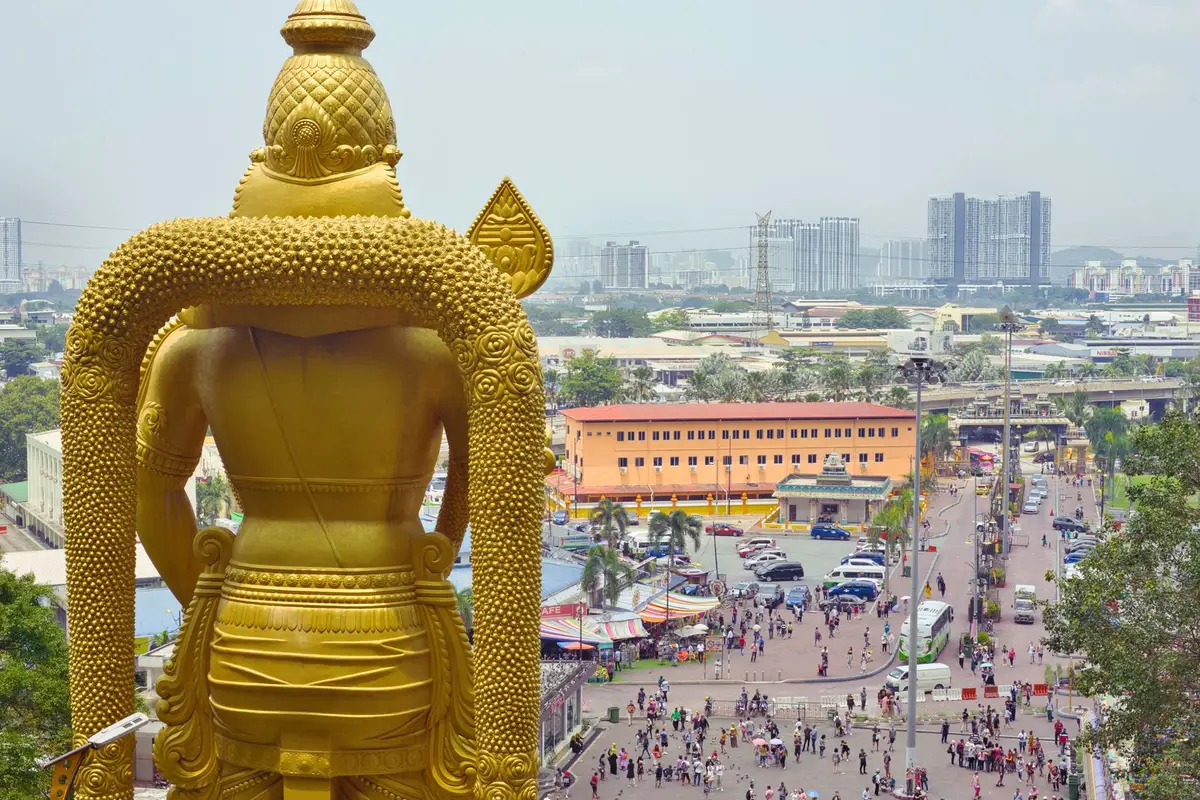
Batu Caves delivers exactly the contrast many people are looking for in the city. The cave complex and Hindu temple sits on the outskirts of Kuala Lumpur and is best visited early, before the heat sets in and before the colorful staircase gets too crowded. It’s not just a photo of the golden Murugan statue: the place works through the impact of the limestone, the climb, and the shift in atmosphere compared to the modern center.
 Partner · Civitatissee all activities in Kuala Lumpur ›
- Batu Caves Day TripRating 7.7 · 240 reviews on Civitatisfrom€17.48per personSee ›
- Kuala Lumpur City & Batu Caves TourRating 7.8 · 41 reviews on Civitatisfrom€29.86per personSee ›
- Cameron Highlands Day TripRating 7.4 · 72 reviews on Civitatisfrom€86.07per personSee ›
- Taman Negara Rainforest TourRating 8.2 · 76 reviews on Civitatisfrom€157.74per personSee ›
Civitatis prices on 28/09/2026, from, per person. They may change. Want to compare? Activities in Kuala Lumpur on GetYourGuide ›
If you’d rather combine city and temple in a single outing, check out this panoramic tour of Kuala Lumpur and Batu Caves, which fits well with the focus of this article.
Bukit Bintang
Bukit Bintang isn’t just a shopping district. It’s the area where Kuala Lumpur shows its most vibrant, most urban, and most walkable side, especially if you link up Pavilion, Jalan Alor, and the surrounding intersections in the late afternoon. Here, it makes sense to slow down a bit, watch the movement, and use the evening for a great meal.
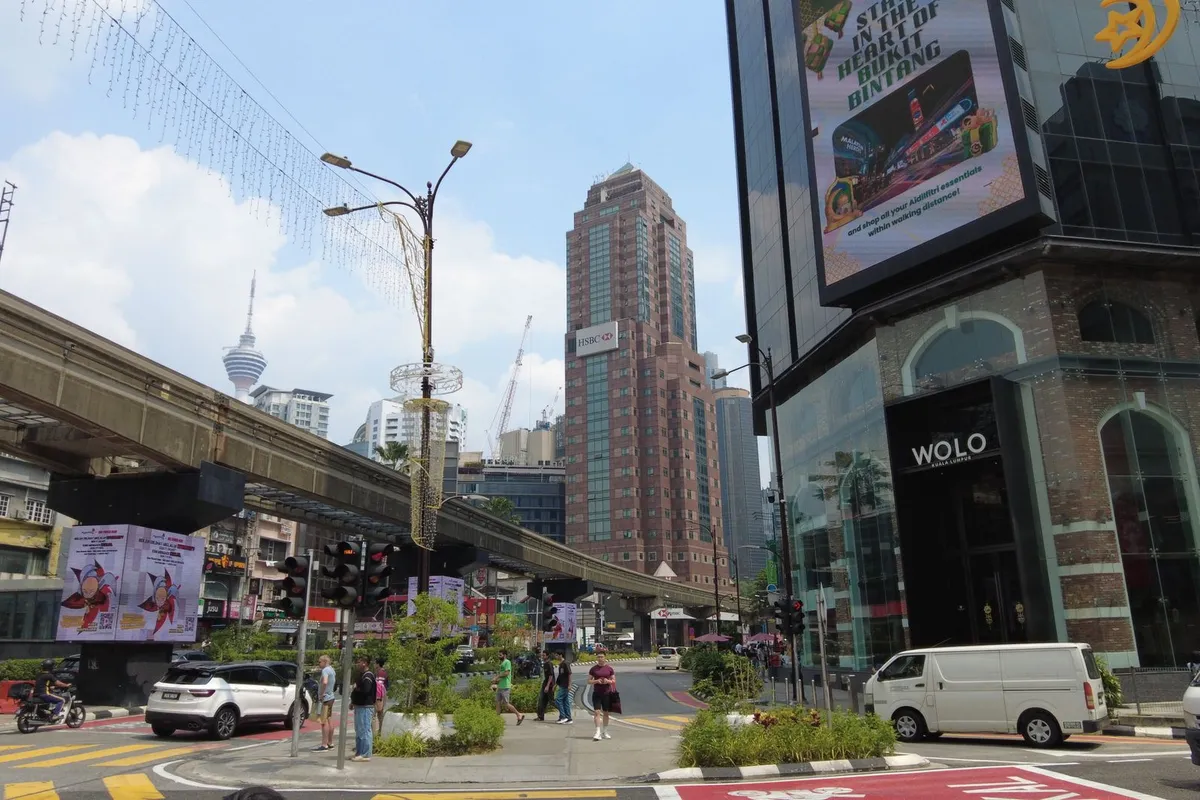
If your profile is more foodie than shopper, the real payoff comes from wandering without a strict plan through the busier streets and picking a spot to pause in Jalan Alor or nearby. Bukit Bintang works best as an atmosphere experience rather than a list of places to check off.
KL Tower
The KL Tower, also known as Menara Kuala Lumpur, usually makes the itinerary as the city’s most panoramic viewpoint. The open view of the Petronas Towers helps justify the climb, especially for those wanting a broader perspective of the city center. There’s just one important detail: on July 6, 2026, the tower’s official website appeared to be unavailable. So, if visiting is a priority, confirm hours and operations shortly before you go, so you don’t base your day on outdated information.
The most common mistake here is splitting the city’s parts up too much. Kuala Lumpur gets much stronger when you combine the high, the ritual, and the street in the same itinerary. That’s why I scrapped a “shopping and luxury in KLCC” angle: it loses exactly the diversity that makes the capital hold up so well over 2 or 3 days.
What to Pair with Your Trip
Kuala Lumpur pairs beautifully with other Southeast Asian destinations that also thrive on urban contrast. Singapore fits in for its organization and logical transport leap; Bangkok comes in on the sensory side, with temples and street life. If you’re putting together this axis, our Bangkok without the rush guide helps balance the days before or after Malaysia.
Another great combo is Hong Kong, especially for those who love vertical cities and want to compare two very different metropolises on the same trip. The article on Hong Kong and the post on Victoria Peak help you build that second urban block without wasting any travel time.
What I’d avoid is squeezing Kuala Lumpur in as a lost night between flights. The city needs at least one well-planned full day to show its best. Without that, it just becomes a layover with a Petronas photo, and that reads way too small for what the destination delivers.
Where to Eat
Kuala Lumpur makes sense at the table. Instead of chasing the “most famous” restaurant, it works better to pick your meal by neighborhood and time of day. Jalan Alor and its surroundings are great for a livelier night, while the KLCC area usually serves better as a break between visits. It’s also worth leaving a window for a coffee or dessert with a view, because that helps slow the itinerary down in a city that pushes you to overdo it.
If I had to sum it up in one simple rule, it would be this: don’t book every meal in advance. The Malaysian capital rewards flexibility, and a lot of the good stuff shows up exactly when you feel the street’s rhythm and adjust your route on the fly. That’s especially true in Bukit Bintang, where the night energy can quickly change your mood for an early dinner, a snack, or just wandering longer.
Where to Stay
For a first visit, I’d split Kuala Lumpur into two practical logics. KLCC is better for those who want to be near the Petronas Towers, walkways, metro, and a more polished image of the city. Bukit Bintang works better for those who want to walk out for dinner, have more nightlife, and feel the urban rhythm for more hours. In both cases, the priority shouldn’t be a “pretty” hotel but easy rail connections.
If your trip is short, pick a hotel that gets you to KLCC or Bukit Bintang quickly without relying on heavy traffic. That matters more than switching accommodations or hunting for rates far from the center. Kuala Lumpur rewards a lean, well-located base, especially when you’re combining Petronas, Batu Caves, and the modern center in just a few days.
Where to stay in Kuala Lumpur
| Hotel | Rating | |
|---|---|---|
| Hyatt Centric City Centre Kuala LumpurKLCC · Jalan Sultan Ismail 17 | 9,11.232 reviews | See prices |
| Hotel Indigo Kuala Lumpur on the Park by IHGKLCC · Jalan Puncak 5 | 9,21.848 reviews | See prices |
| KLoe HotelBukit Bintang · Jalan Bukit Bintang 227 | 9,01.790 reviews | See prices |
| EQ Kuala LumpurKLCC · Equatorial Plaza, Jalan Sultan Ismail | 9,11.414 reviews | See prices |
| The RuMa Hotel and ResidencesKLCC · Jalan Kia Peng 7 | 9,43.726 reviews | See prices |
| Grand Hyatt Kuala LumpurKLCC · Jalan Pinang 12 | 9,02.708 reviews | See prices |
| Traders Hotel, Kuala LumpurKLCC | 9,05.917 reviews | See prices |
| Impiana KLCC HotelKLCC · Jalan Pinang 13 | 8,23.972 reviews | See prices |
Booking.com rating on 30/09/2026
Practical Tips
Public transport helps a lot, but the heat distorts your sense of distance. A stretch that looks short on the map can get exhausting in the middle of the afternoon. So structure your day with an early start for the most crowded attraction, a break window during the heavy hours, and an outdoor return in the late afternoon. In Kuala Lumpur, pacing beats quantity.
Brazilians usually find simple rules for tourism in Malaysia on short stays, but since these rules change, the safest bet is to confirm the current requirement before boarding. The same goes for the KL Tower, whose official website was down at the time of this research. For the Petronas Towers, I chose to use the hours and official page verified on July 6, 2026, precisely because that data is perishable.
If you want to make the most of your time, you can also use Kuala Lumpur as a base for day trips. But on a first visit, I’d only do that after seeing the capital’s essentials. Trying to squeeze in Malacca, Cameron Highlands, or Genting Highlands without really knowing the center tends to dilute what the city does best.
 HotelAs soon as you have datesCompare neighbourhoods and guest ratings.See hotels ↑
- ActivitiesBefore you travelBook ahead the ones with limited spots.Civitatis ›
 More activitiesTo compareTickets, day trips and tours with flexible cancellation.GetYourGuide ›
Frequently Asked Questions
How many days are enough to see Kuala Lumpur?
For most travelers, 2 full days cover the essentials. With 3 days, you can fit in the Petronas Towers, Batu Caves, Bukit Bintang, and a viewpoint with more breathing room and less rushing.
Is Batu Caves far from central Kuala Lumpur?
It’s on the outskirts of the capital, but it’s still an easy outing to fit in. The ideal is to leave early and treat the visit as its own block of the day, without stacking too many other stops right after.
Is it worth going up the Petronas Towers?
Yes, especially on a first trip. The towers remain the city’s strongest visual symbol, and buying tickets in advance helps you avoid wasting time in the most crowded part of the itinerary.
Where should I stay on my first visit: KLCC or Bukit Bintang?
KLCC works better for those who want convenience with the metro and central attractions. Bukit Bintang is better for those who prioritize dining, nightlife, and a livelier scene within walking distance.
Is Kuala Lumpur worth it on a Southeast Asia itinerary?
Absolutely. The city pairs well with Singapore, Bangkok, and Hong Kong because it delivers contrast between modernity, religion, food, and nightlife districts without demanding too many days.
Conclusion
Kuala Lumpur is worth the trip when you build an itinerary that respects the city’s contrasts, instead of trying to see everything at once. If the idea is to combine Petronas, Batu Caves, Bukit Bintang, and a viewpoint without wasting time, Voyage Voyage already leaves you with a much smarter plan for your first visit.