Istanbul in 4 days by public transport works best when the itinerary follows the geography: Sultanahmet first, then the bazaars and Karaköy, the Asian shore on day three, and finally a longer Bosphorus cruise. The T1 tram line and the municipal ferries handle most of the getting around and save you from burning hours in traffic between attractions that look close on the map but are separated by water, hills and crowds.
Are four days enough for this slice of the city?
Four full days are enough for Hagia Sophia, the Grand Bazaar, the Spice Bazaar, Kadıköy, Üsküdar and a Bosphorus experience, as long as each day stays in one part of the city. This plan doesn’t try to cover every palace and mosque; it uses the tram and the ferry as the backbone of the itinerary.
The official GoTürkiye Istanbul portal helps you gauge just how many neighborhoods and attractions there are. In four days, your picks have to be deliberate: Sultanahmet covers the monumental heritage, Eminönü and Beyazıt concentrate the markets, while Kadıköy and Üsküdar show you an everyday urban rhythm that doesn’t fit into a visit confined to the historic peninsula.
Choose accommodation near a T1 or Marmaray station, or near a pier with frequent service. Staying on a pretty street that leaves you dependent on taxis and steep hills can eat up the whole advantage of this itinerary. Sultanahmet makes day one easy; Sirkeci and Karaköy balance access to the tram, ferries and evenings with more dining options.
Voyage already has a general guide to Istanbul in 4 days. This sub-topic is different: it shows you where to board, when to cross the strait and how to avoid redundant back-and-forth. For a broader cultural read, see also Istanbul between mosques, bazaars and the Bosphorus.
Consider four nights, or arriving the day before. If your first day starts after lunch, drop Topkapı or the Basilica Cistern, but keep Hagia Sophia and the walk around Sultanahmet. Lines, prayer times and entry checks make overly tight schedules unreliable.
The itinerary at a glance, by lines and shores
The most efficient order moves from the monumental core to the markets, crosses to Asia, and leaves the panoramic cruise for when you already recognize the neighborhoods you’ve seen from the water.
- Day 1: Sultanahmet, Hagia Sophia, the Blue Mosque and one extra attraction.
- Day 2: Grand Bazaar, Spice Bazaar, Galata Bridge and Karaköy.
- Day 3: ferry to Kadıköy, the market and Moda; return via Üsküdar.
- Day 4: short or long Bosphorus cruise, with Beşiktaş or Ortaköy.
Days 3 and 4 can swap depending on the weather. The city ferry is still useful under cloudy skies, but a panoramic cruise loses some of its point in heavy rain or fog. Check the day’s operations on the day itself.
Day 1: Sultanahmet and Hagia Sophia
Keep your first day in the historic core, because Hagia Sophia, the Blue Mosque, the Hippodrome, the Basilica Cistern and Topkapı are all within walking distance. Get off at the Sultanahmet T1 station and skip taxis between these stops.
Hagia Sophia without blowing up the rest of your day
Hagia Sophia functions as a mosque, and tourist visits follow their own rules. Check the official ticket channel and reconfirm access and hours: religious activities can change the flow of visitors. Dress appropriately, wear shoes that are easy to slip off when asked, and don’t treat the visit as a quick photo stop.
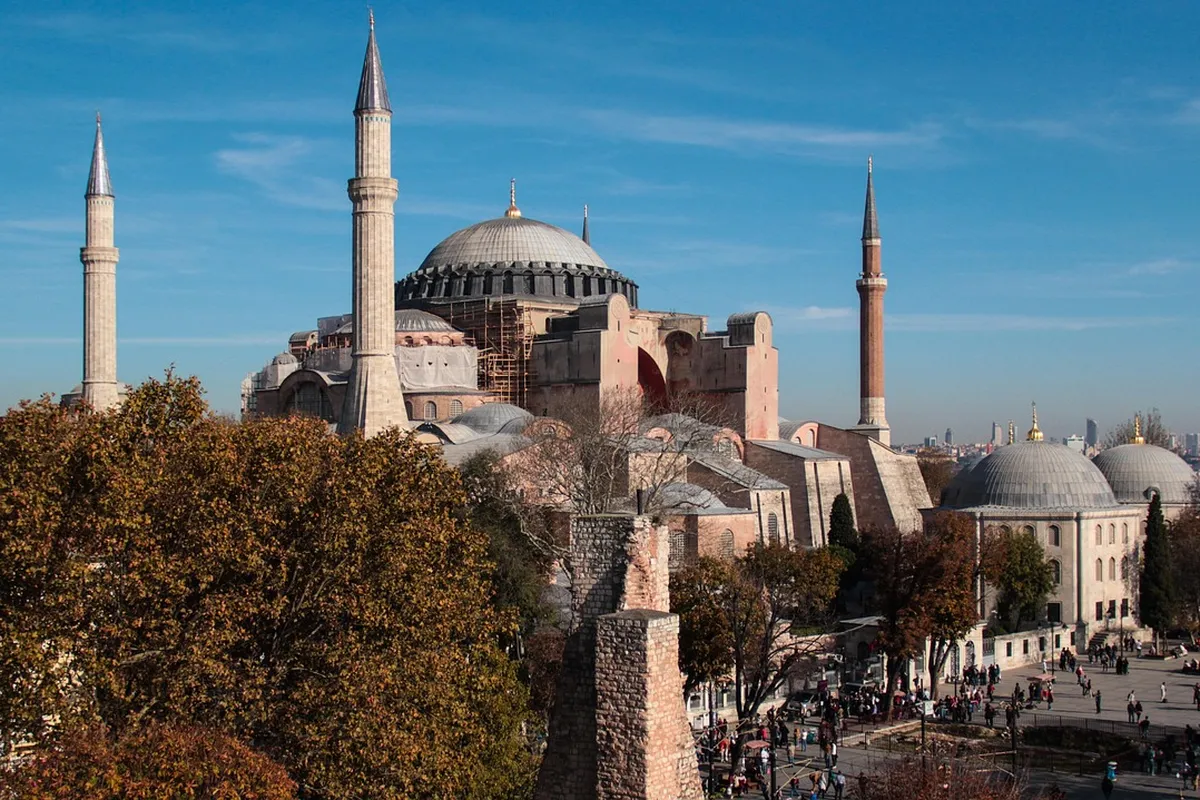
Pick just one long attraction afterward: Topkapı demands several hours, while the Basilica Cistern is more compact. The Blue Mosque is an easy add thanks to its proximity, but it also depends on religious hours. Finish at the Hippodrome or walk to Gülhane instead of crossing the city late in the afternoon.
If you want to jump straight to this day’s booking options, go back to the Civitatis card for Hagia Sophia.
Day 2: Grand Bazaar, Eminönü and Karaköy
Day two follows the T1 from Beyazıt-Kapalıçarşı to Eminönü and ends on the other side of the Galata Bridge. This sequence links different markets without doubling back to Sultanahmet mid-day.
Grand Bazaar first, Spice Bazaar after
Start at the Grand Bazaar when the shops open and the corridors still let you get your bearings. Set a meeting point, because the complex has many entrances. Compare before you buy and haggle respectfully; the point of this itinerary is to watch the crafts, jewelry, fabrics and commercial flow, not to collect rushed bargains.
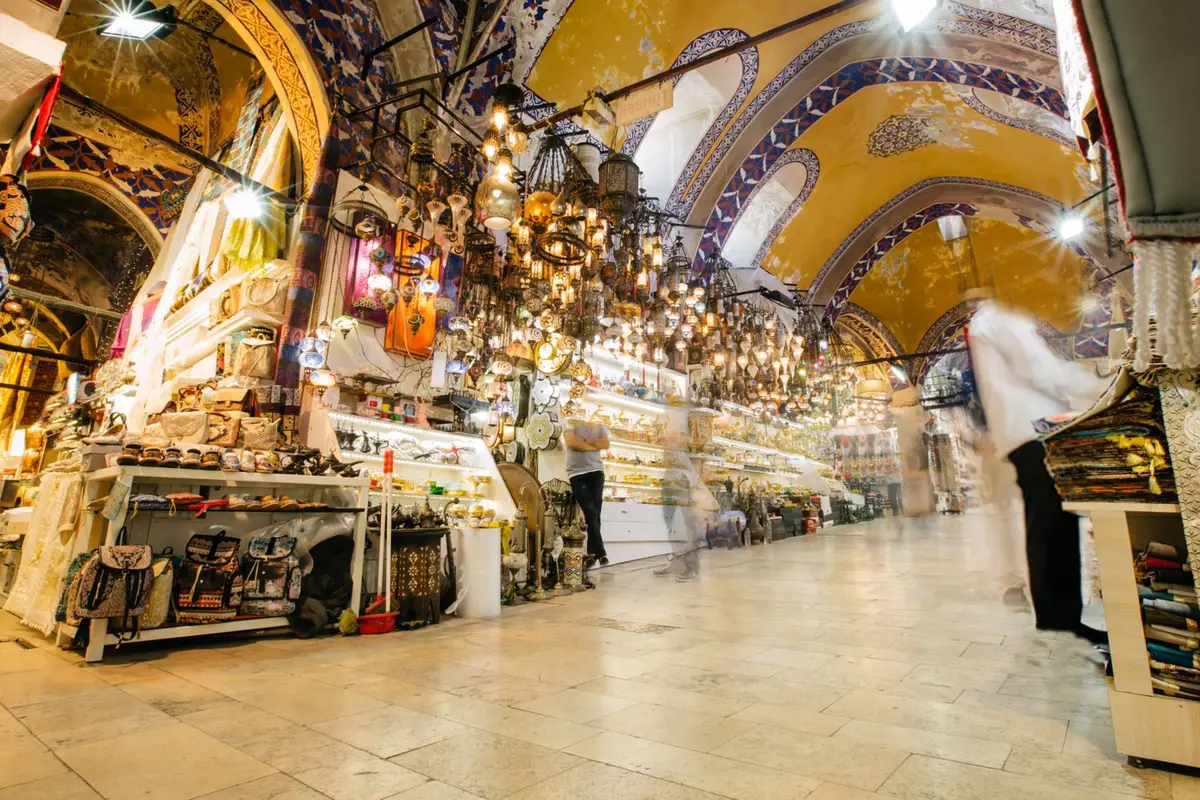
Walk down or take the T1 to Eminönü for the Spice Bazaar. It’s smaller and easier to navigate. Then cross the Galata Bridge watching the ferries go by and finish in Karaköy. Climbing up to the Galata Tower is optional; the hills wear you out more than the distance suggests.
Day 3: ferry to Kadıköy and Üsküdar
Day three uses the ferry as transport, not as a packaged tour: board at Eminönü or Karaköy for Kadıköy and set aside most of the day for the Asian shore. The official lines connect the terminals in about 20 to 30 minutes, depending on the stop and the service.
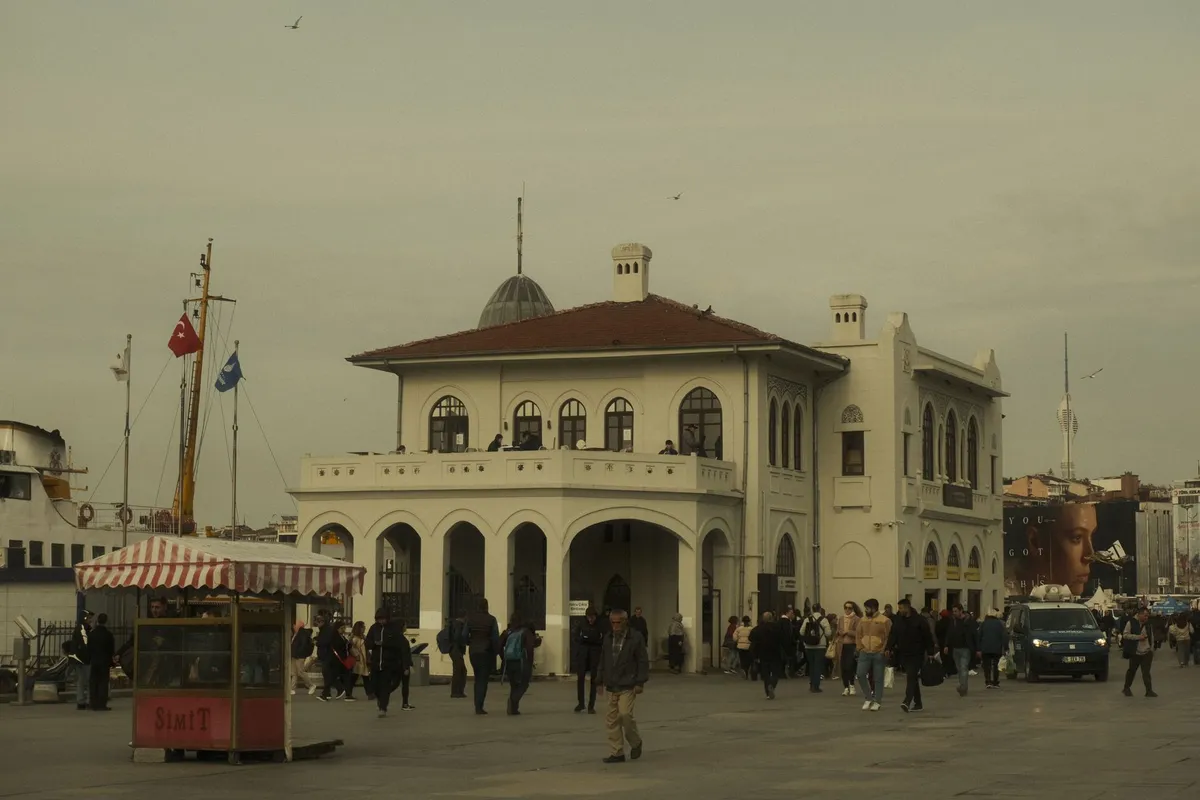
In Kadıköy, wander through the market, follow the shopping streets and choose between Moda or a long lunch break. The neighborhood works best without a long checklist of monuments. Then take the Marmaray or the ferry to Üsküdar and walk along the waterfront; the view of the European shore changes how you read the first two days.
Schedules vary by day and season. Check the official Şehir Hatları inner-city lines before heading out. Don’t count on the last boat if you have evening plans on the European side.
Day 4: Bosphorus short, long or by ferry
Day four demands a clear choice: the regular ferry handles transportation and offers scenery; the short tour devotes a few hours to the strait; the long one reaches sections to the north and eats up a big chunk of the day. The municipal operator lists both domestic lines and official Bosphorus cruises.
When a cruise adds something
Choose a cruise if you want commentary, a reserved seat or a sunset departure. Stick with the ferry if budget and local routine matter more. Don’t do both out of obligation: after your day in Kadıköy, you’ll have already crossed the water and taken in the urban skyline.
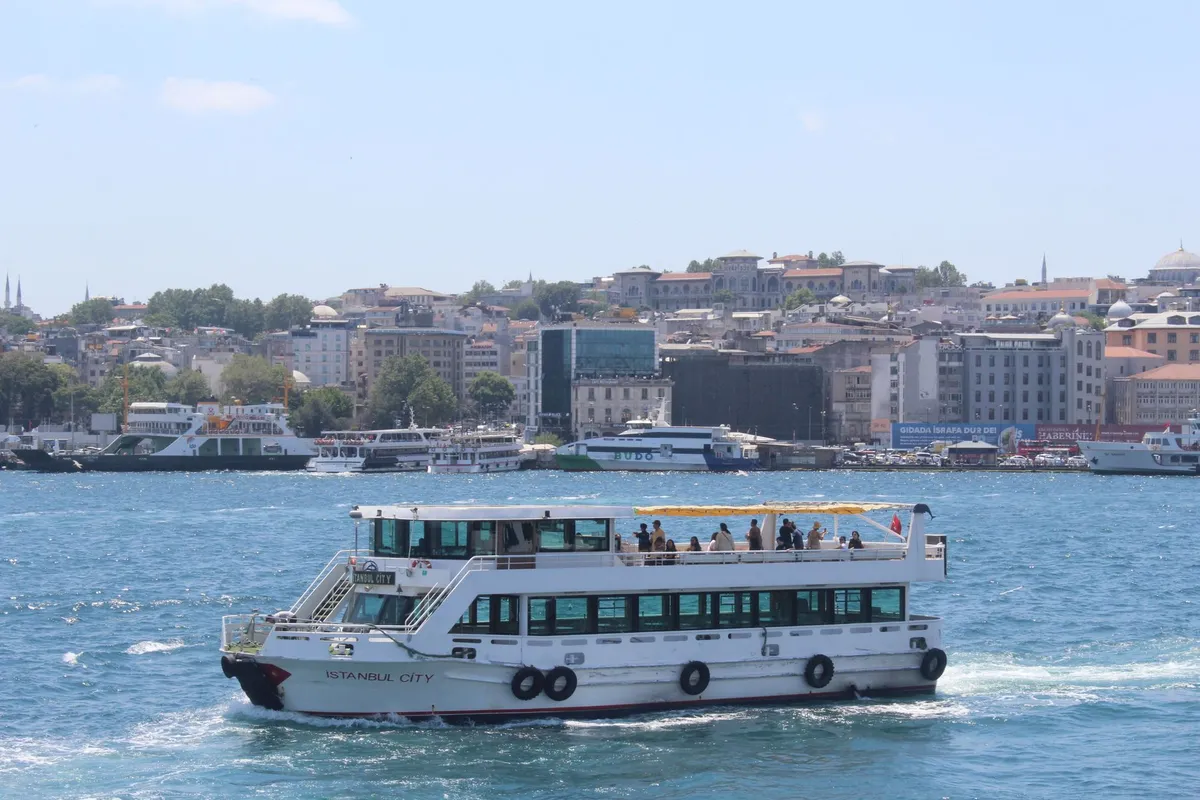
Pair the short crossing with Beşiktaş or Ortaköy. For the long tour, don’t schedule a palace on the same day. Weather and wind can change the experience; confirm the departure pier and arrive early.
The article’s second navigation link leads to its own section: jump to the section with the Civitatis card for the Bosphorus.
How to use the T1, Marmaray and ferries
The official T1 line connects Sultanahmet, Beyazıt-Kapalıçarşı, Eminönü, Karaköy and Kabataş. It’s the backbone of the first two days. Marmaray runs under the strait and serves as a fast alternative when the ferry is delayed or when you need to get back from Üsküdar.
Use a rechargeable transit card and keep a balance before the turnstiles. At peak times, let a packed vehicle go by instead of boarding with a big backpack. A taxi can help at night, but it shouldn’t be the basis of your itinerary: traffic and detours make timing unpredictable.
Plan connections with a 20 to 30 minute buffer. Ferry terminals have different gates, and the destination name matters more than following the crowd. At Eminönü, confirm whether the departure is for Kadıköy or Üsküdar; at Karaköy, check whether the line makes an intermediate stop. On the way back at night, Marmaray offers a fast alternative, but it doesn’t replicate the view from the crossing.
The card doesn’t eliminate the need to check current fares and rules. Prices change and some integrations depend on the payment method. Top up at official machines, keep small bills on hand and avoid accepting unsolicited help near the terminals. For groups, every traveler should understand where to get off: a packed T1 is not a good place to decide your destination.
If your trip continues through Turkey, the contrast with the coast shows up in the Antalya itinerary without the rush. Don’t treat the connection as a day trip; set aside dedicated days.
How to work around lines and religious hours
Mosques aren’t attractions with neutral opening hours. Double-check schedules, avoid collective prayers and accept changing the order between Hagia Sophia, the Blue Mosque and the Basilica Cistern. Fridays call for extra care.
With reduced mobility, cut down on the hills in Karaköy and Galata and use the funicular when it makes sense. With kids, leave just one long indoor attraction on the first day and turn the ferry to Kadıköy into a break, not another commitment.
In heavy rain, prioritize the bazaars, the cistern and museums; move the Bosphorus to the best weather window. That flexibility is worth more than keeping the original order at any cost.
In summer, heat and lines are a reason to start early and use the middle of the day for indoor spots or a breezy crossing. In winter, it gets dark earlier and the scenic cruise needs to be slotted in before then. During Ramadan and holidays, markets, mosques and transport may operate differently; confirm the specific week instead of trusting a generic schedule.
Before you travel, confirm the T1, ferries and access to Hagia Sophia on official channels. With those three checks done, the four days stop being a race between continents and start working as a readable sequence of neighborhoods, markets and crossings.