Antalya, on Turkey’s southwestern coast, works best when you don’t treat the city just as a resort base. Between the historic old town of Kaleiçi, urban beaches like Konyaalti, the dramatic cliffs over the Mediterranean, and day trips to Greco-Roman ruins, you can put together a well-balanced trip without switching hotels every day. The secret is mixing beach, city, and history into the same itinerary.
Antalya is worth 4 to 5 days on a first visit: that’s usually enough time to explore Kaleiçi, enjoy at least one beach, see the Düden Waterfalls, take a boat trip or visit ruins, and still fit in a relaxed day trip. If you want to combine Antalya with Cappadocia and Istanbul, think of the city as the lightest, sunniest part of your route.
Where is Antalya and how to get there
Antalya sits on Turkey’s southwestern coast, facing the Mediterranean, in the region many call the Turkish Riviera. For Brazilian travelers, it usually comes into the itinerary after Istanbul, via a domestic flight or an international connection. The city’s airport is Antalya Airport, about 13 km from the center, and the terminal’s official website states it operates separate terminals for international and domestic flights.
In practice, the smoothest way to get there is to fly into Istanbul and continue on a domestic flight. If you’re looking to save money, there are also long-distance buses, but they make more sense for those putting together a larger route across the country. For airport transfers, the best option is usually a private transfer or taxi when your accommodation is in Kaleiçi, because the old town’s streets are narrow, with uphill sections and uneven cobblestones. If your hotel is in Lara or Konyaalti, a door-to-door transfer is even more worthwhile.
Brazilians traveling for tourism usually enter Turkey without hassle, but immigration rules change. Before you fly, double-check the visa requirements and minimum passport validity on official Turkish sources and your airline, such as the official Turkish e-Visa portal.
Best time to visit, how many days, and costs
The best time to visit Antalya is from April to June or September to October. During these months, the heat is usually strong enough for the beach, but without the intensity of July and August, when the city gets pricier, more crowded, and the midday sun is relentless. If your priority is warm water and full-on summer vibes, the peak of summer delivers that. If you want to combine the beach with walks through ruins and the old town, the shoulder seasons work better.
For most people, 4 full days is the sweet spot. In 3 days, you can see the essentials, but you’ll have to make choices. With 5 days, Antalya takes on a different character, opening up room for a boat trip, an archaeological day trip, or a more relaxed beach day. If your focus is Antalya city itself, don’t underestimate travel time between beaches, ruins, and viewpoints.
How much does the trip cost? For a mid-range comfort level, Antalya tends to be easier on the wallet than many Mediterranean coastal destinations in Europe. A couple can expect to spend, on average, between 90 and 180 euros per day on hotel, meals, transport, and basic entrance fees, not including international flights. On a budget itinerary, leaning more on simple accommodation and local food, that number can drop significantly. For 10 days in Turkey, including Istanbul and Antalya, a traveler usually plans for around 900 to 1,800 euros per person, excluding the Brazil-Turkey flight, depending on standards, booking lead time, and internal travel.
Some costs change quickly. The entrance to the upper section of the Düden Waterfalls, for example, was around 70 Turkish lira in 2025 according to travel reference sources, while the lower section, in the park on the cliffs, is usually free. It’s always worth checking the current price on-site or through official channels before planning your day.
Things to do in Antalya, Turkey
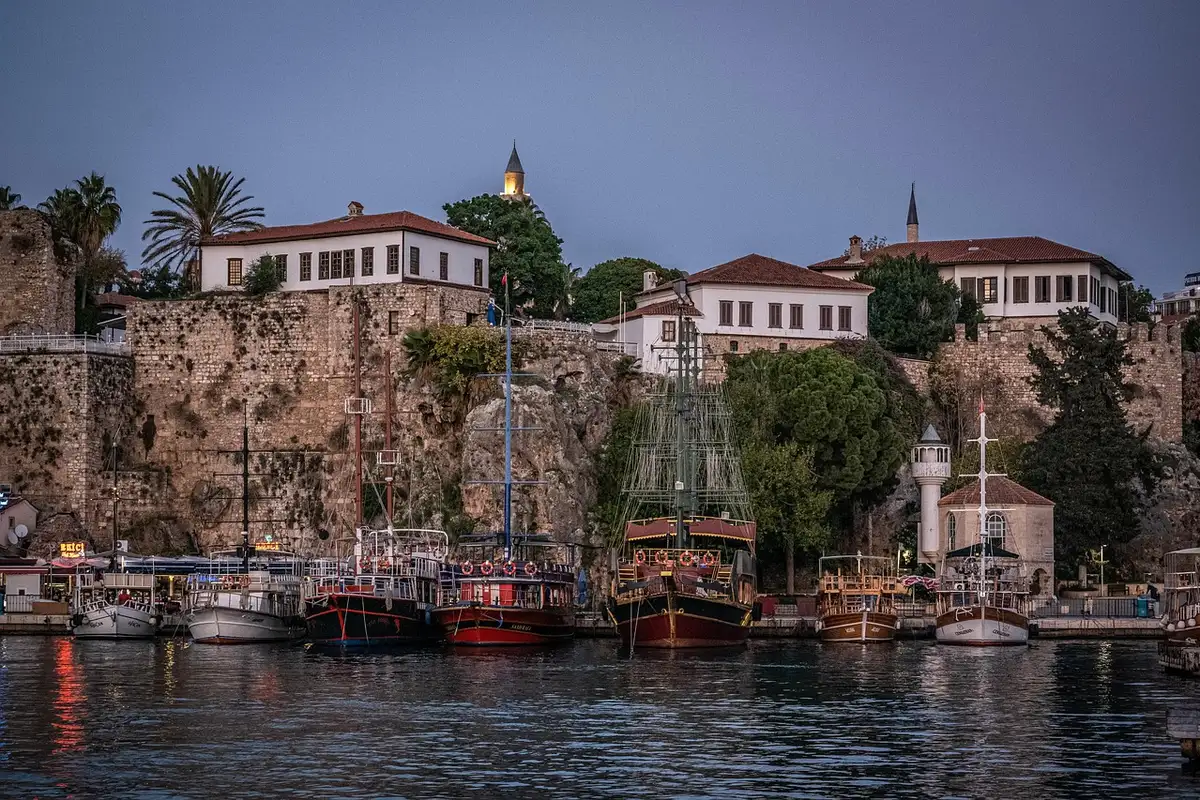
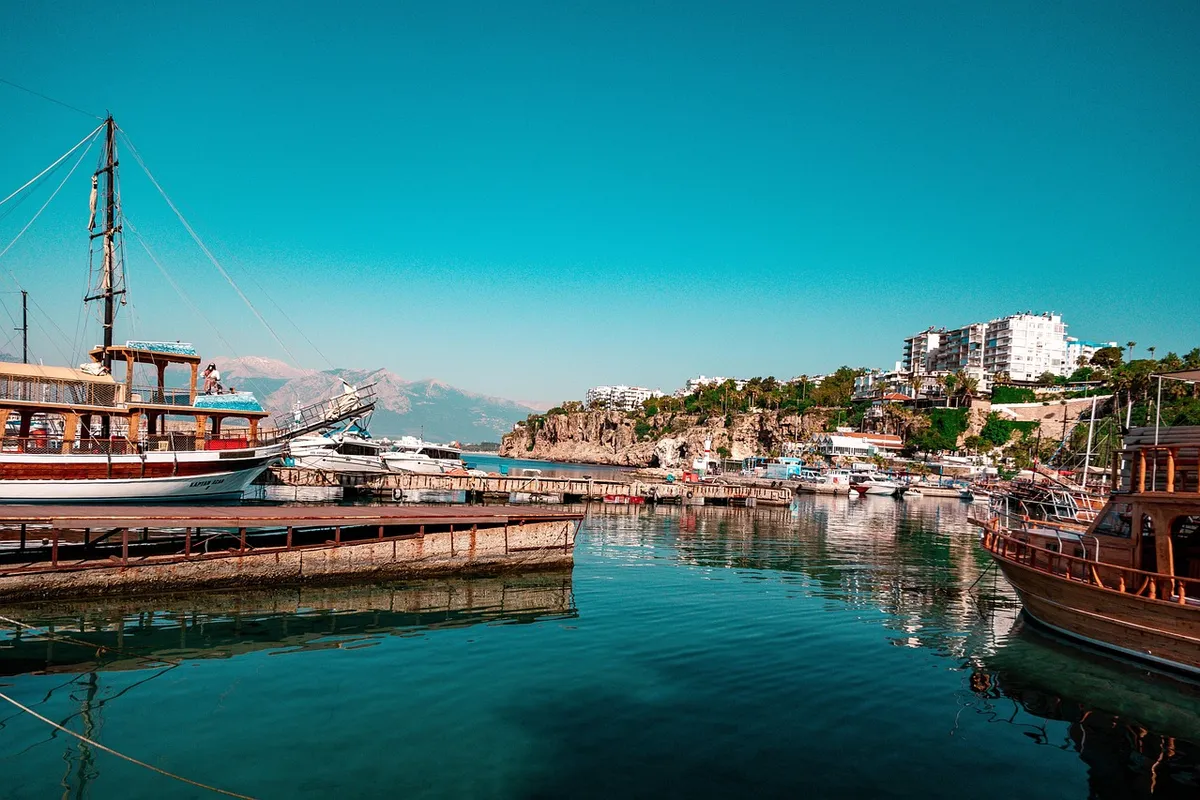
The biggest mistake in Antalya is rushing off on a tour before understanding the city. Start with Kaleiçi, the historic core: cobblestone streets, restored Ottoman houses, small squares, and the old marina. That’s where Antalya makes sense for travelers who love a city with texture, not just a resort. You can easily connect Hadrian’s Gate, walk down to the harbor, and end the late afternoon watching the light hit the city walls.
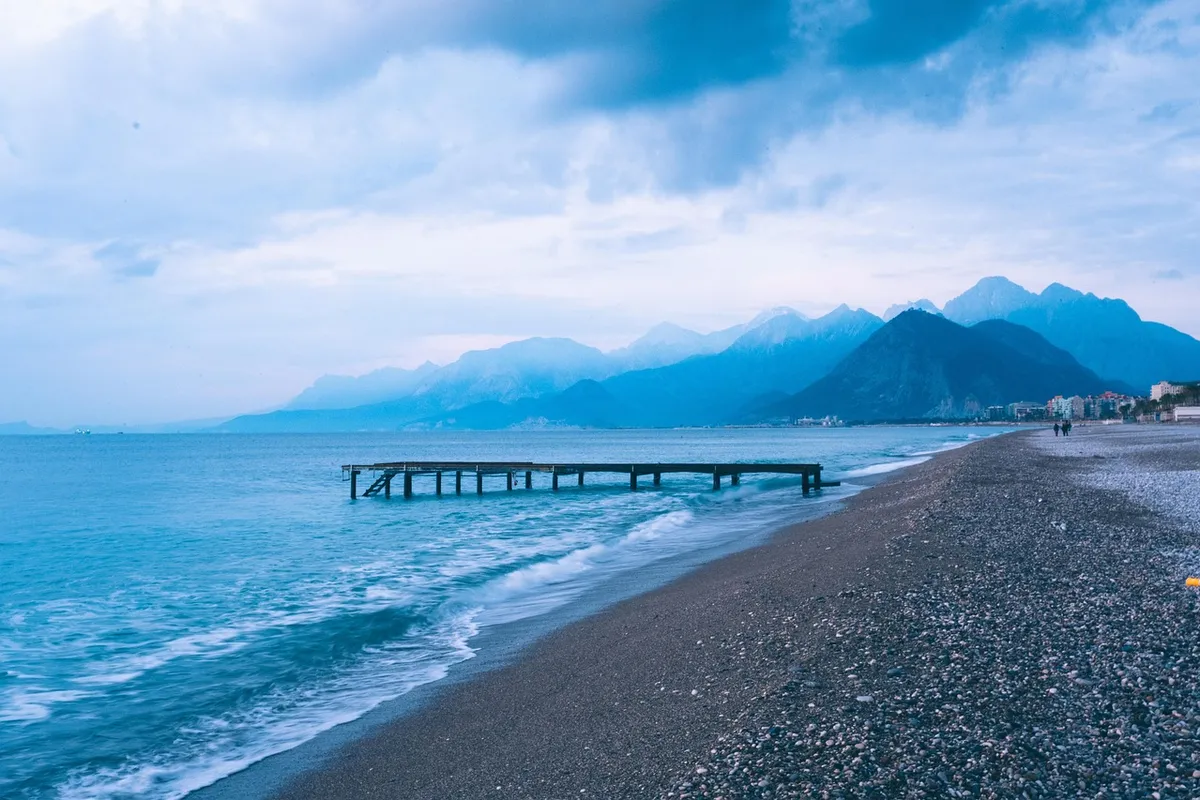
Then, pick an urban beach to get a feel for the city’s geography. Konyaalti is more open, long, and practical, with a pebble shore and a mountain backdrop. Lara is the more classic choice for those who prefer resort amenities and softer sand. If your goal is just to get in the water without much hassle, both work; if you’re after photos and a walk along the promenade, Konyaalti usually delivers more.
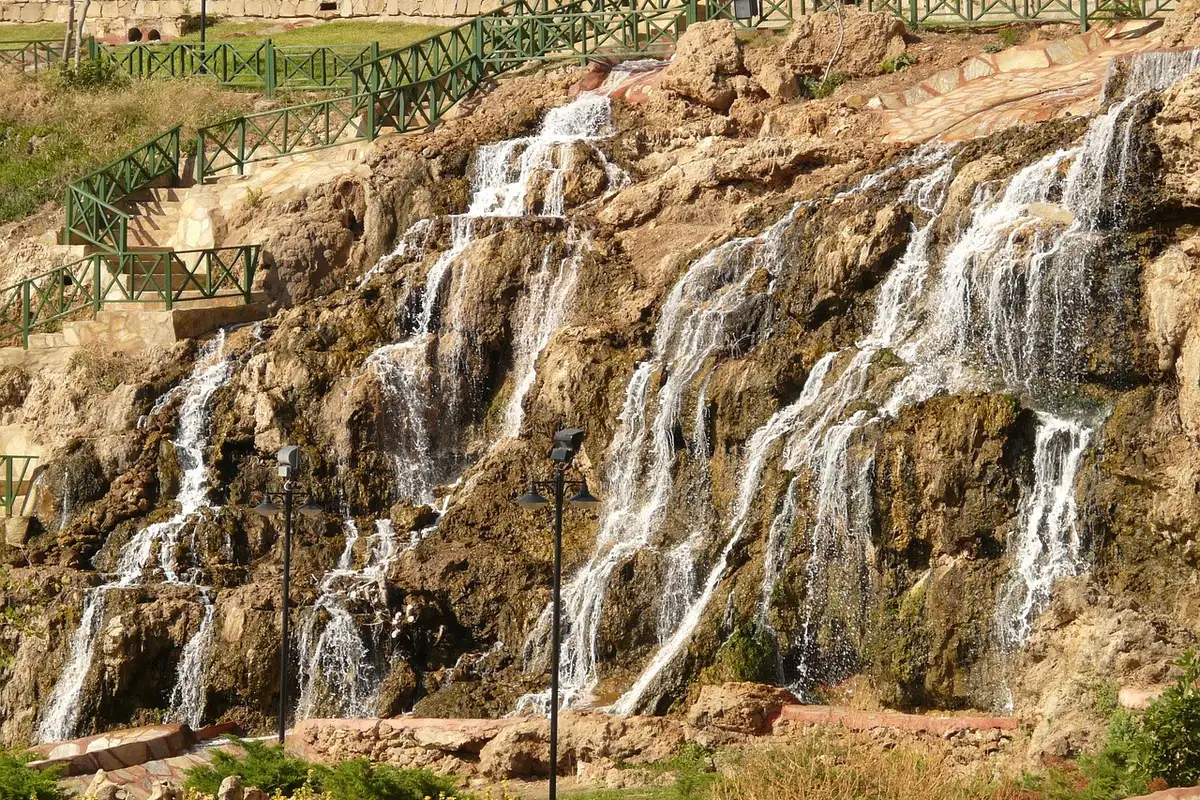
The Düden Waterfalls easily make the list of things to do in Antalya because they solve two common traveler desires: seeing nature without straying too far from the urban core and adding variety to a beach-and-history itinerary. The lower section is scenic, plunging off the cliffs into the sea. The upper section offers a greener park with short trails and a pause-worthy atmosphere. If you’re short on time, pick just one. If you have a more relaxed full day, fit both in at different times.
For those who prefer a ready-made excursion, it makes sense to book a tour of Antalya and the Düden Waterfalls, which usually simplifies the logistics between the center, viewpoints, and waterfalls. It’s a great shortcut for a first visit, especially if you don’t want to negotiate transport at every stop.
If your profile leans more toward ruins, Antalya also works as a base for places like Perge, Aspendos, and Termessos. Instead of trying to see everything, pick a focus. Perge and Aspendos pair well for those wanting to understand the Roman presence in the region; Termessos appeals more to those up for rough terrain and wanting mountain views alongside archaeology. Antalya doesn’t have to be just sea or just ancient stone: the city shines precisely when you mix the two.
What to combine with Antalya in Turkey
Antalya speaks to two very different sides of Turkey. The first is the urban, cultural Turkey of Istanbul, which fits in nicely right before or after the coast. The second is Turkey’s dramatic landscapes, like Cappadocia or Pamukkale, for those who want to create contrast in the same itinerary. If you’re planning the trip from scratch, think of Antalya as the part where the pace slows down.
You can also pair the city with a day on the water. The Gulf of Antalya, especially when seen from the sea, puts the scale of the cliffs into perspective and helps you understand why the city became one of Turkey’s tourism hubs. For that kind of day, a practical option is booking a cruise on the Gulf of Antalya, ideal for anyone who wants a lighter day between historical sightseeing.
If your question is “what’s the most beautiful city in Turkey?”, Antalya rarely wins unanimously, because the answer depends on the traveler’s profile. Istanbul is grander; Cappadocia is more scenic; but Antalya has a rare advantage: it combines sea, a walkable historic center, and strong day trips without demanding an exhausting itinerary. For many people, that’s worth more than a “most beautiful” city in any absolute sense.
Where to eat in Antalya
Antalya rewards those who step away from the hotel’s international menu. It’s worth seeking out Turkish kitchens with grilled meats, mezes, pide, and pistachio desserts, plus Antalya’s piyaz, which often shows up as a local specialty. In Kaleici, you pay more for the view and the atmosphere; in more residential neighborhoods, the cost drops and the food tends to be more straightforward. The best rule of thumb here is to avoid empty restaurants with giant menus in five languages.
For a no-fuss lunch, look for kebab spots and daily specials outside the most touristy stretch of the marina. For a more atmospheric dinner, Kaleici works well, as long as you accept paying for the whole package. If you really want to save, make lunch your main meal and leave dinner for snacks, pide, or dessert with Turkish coffee.
Where to stay in Antalya
Where to stay in Antalya depends more on your travel style than your budget. Kaleici is the best base for those who want to walk everywhere, dine at their doorstep, and feel a bit of history every day. Lara makes sense for those prioritizing beach, resort, and easy airport access. Konyaalti appeals to those who prefer an urban beach, more space, and a less touristy routine than Lara. For a first trip, Kaleici or Konyaalti usually strike the best balance between sightseeing and logistics.
If you’re only spending a few days, staying in Kaleici saves time and makes the itinerary more charming. The only caveat is choosing a hotel with good luggage access. In Lara, the advantage lies in amenities and comfort, but you’ll rely more on transportation to reach the historic area. In Konyaalti, daily life feels lighter for those who want to alternate beach time with restaurants and evening strolls.
A good strategy for 4 or 5 nights is to stay in a single base the whole time. Antalya isn’t a destination that calls for constant hotel changes, unless you deliberately want to split your trip between the city and a resort.
Practical tips for planning your trip
Bring footwear that can handle stone, uphill climbs, and heat. Kaleici doesn’t mix well with heavy luggage or smooth soles. In summer, structure your days with early beach time, late-afternoon historical sightseeing, and a break during the hottest hours. On ruins tours, bring water and real sun protection; the Mediterranean sun in high summer doesn’t forgive improvisation.
It’s also worth knowing what Antalya isn’t. It doesn’t have Istanbul’s historical density or Cappadocia’s almost surreal experience. Its strength lies in the combination: beautiful sea, simple logistics, great views, and plenty of ways to structure your trip without rushing. That’s why it easily earns a spot on the list of Turkey’s must-sees, especially for those who want a lighter stretch between bigger cities.
For those who like to plan ahead, a useful official reference is Antalya Airport, which centralizes terminal and ground transport information. For historical context on Kaleici and Hadrian’s Gate, the old center itself and its layered Roman, Byzantine, Seljuk, and Ottoman occupation is usually the best starting point. As for the Antalya Museum, traditionally one of the country’s most important, recent encyclopedic sources list it as closed since July 2025, so don’t count on it without checking its status before your trip.
Frequently asked questions
What to do in Antalya, Turkey?
On a first trip, prioritize Kaleici, Hadrian’s Gate, the old marina, an urban beach like Konyaalti or Lara, and at least one stop at the Duden Waterfalls. If you have more time, add a boat tour or ruins like Perge and Aspendos.
Where is the city of Antalya in Turkey?
Antalya is in southwestern Turkey, on the Mediterranean coast. It’s one of the main gateways to the so-called Turkish Riviera and is usually connected to Istanbul via domestic flights or international connections.
How much does a trip to Antalya, Turkey cost?
At a mid-range standard, budget around 90 to 180 euros per day for a couple, not including international flights. The final cost varies quite a bit depending on the season, the hotel’s neighborhood, the number of tours, and whether or not you use all-inclusive resorts.
How many days to spend in Antalya, Turkey?
Four or five days is the most balanced duration for a first trip. Three days is enough for the essentials, but at a tighter pace; five days lets you combine beach, historic center, and a day trip without sacrificing rest.
Where to stay in Antalya, Turkey?
Kaleici is the best choice for those who want historic charm and to do a lot on foot. Konyaalti works well for mixing beach and city. Lara makes more sense for those who want resort amenities and easy airport access.
Conclusion
Antalya works best when you accept that it doesn’t need to compete with Istanbul or Cappadocia. The city delivers something else: a sunnier, more walkable stretch of travel that’s easy to fit in without exhaustion. If that mix of historic center, beach, and short excursions matches your style, Antalya has every chance of being one of the best surprises on your itinerary. To keep planning your trip, keep exploring the guides from Voyage Voyage.
If your trip continues into Turkey’s interior, also check out our Cappadocia guide with balloons, timing, and costs.