The Great Barrier Reef is the largest coral reef system in the world, stretching over 2,300 km along the coast of Queensland in northeastern Australia. It’s made up of more than 2,900 individual reefs and 900 islands, so vast it’s visible from space, forming a mosaic of blues that shifts in tone with the water’s depth. For the Brazilian traveler, getting here takes some planning — it’s on the other side of the world — but the experience of diving or snorkeling among living corals and colorful fish justifies every hour of flight time. The question we hear most before a trip is always the same: where’s the best place to access the reef, and is it worth choosing Cairns or Port Douglas?
How to get to the Great Barrier Reef
There are no direct flights from Brazil to Australia, so the route typically goes through Santiago, Buenos Aires, Auckland, or an Asian hub like Dubai or Doha, with a final connection in Sydney, Brisbane, or Melbourne. From there, a domestic flight of about 2.5 hours takes you to Cairns, the most common gateway to the reef. Port Douglas is about a 1-hour drive north of Cairns and is often the choice for those seeking quieter, less crowded reefs.
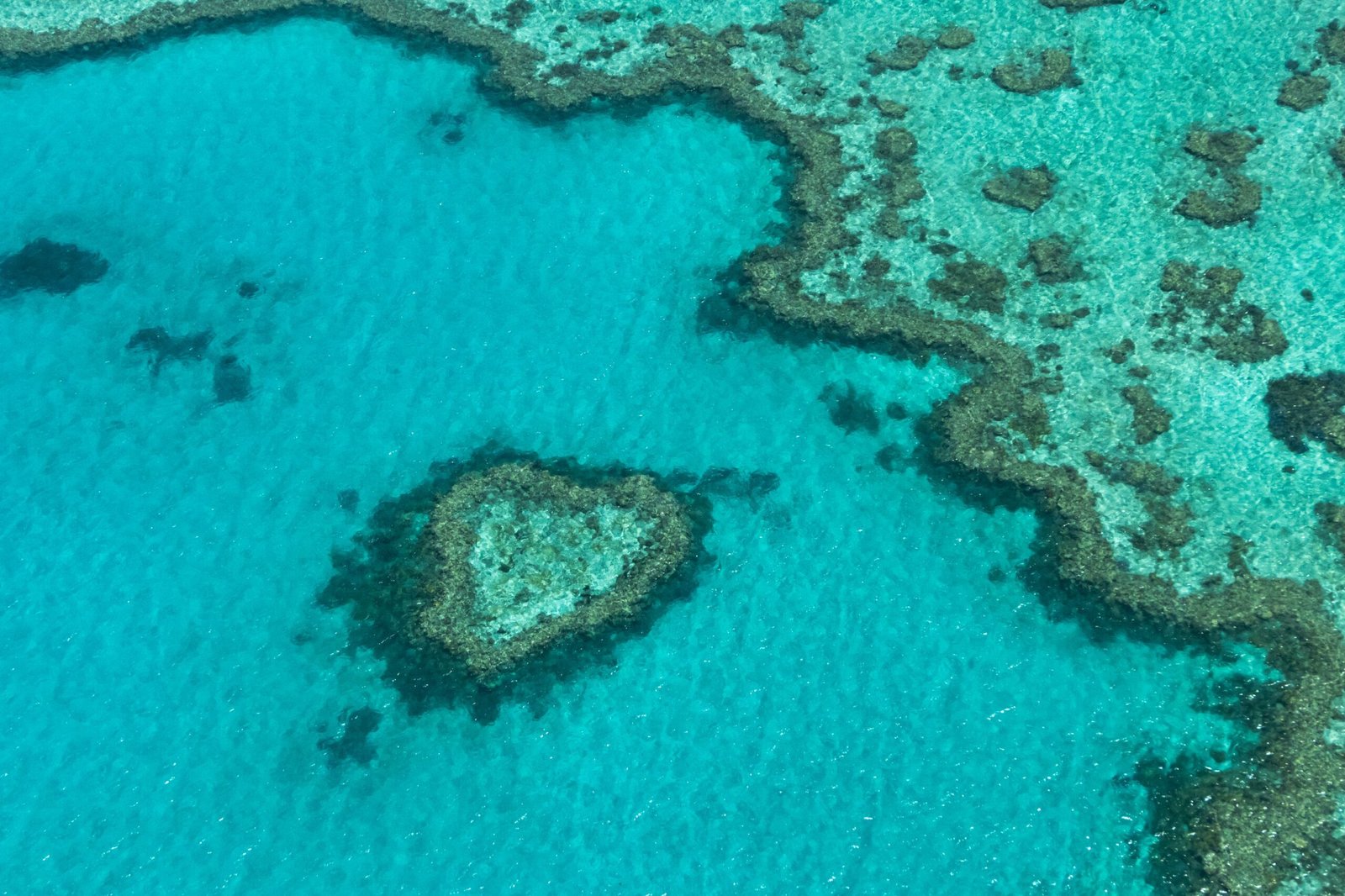
Once you’re in Cairns or Port Douglas, the only way to reach the reef is by boat — there’s no “walking” to the Great Barrier Reef. Tour operators pick up guests from central hotels or depart directly from the marina, and the boat ride to the dive and snorkel sites ranges from 30 to 90 minutes, depending on the reef you choose.
Best time to visit and how long to stay
The water is clearest and calmest between June and October (the Australian winter), when diving visibility is typically at its best and the heat is milder for exploring the region. From November to March, it’s summer in the southern hemisphere, bringing higher temperatures, possible monsoon rains, and a higher risk of box jellyfish on the beaches (which doesn’t affect boat trips to the reef but does limit swimming in the sea along the coast). Avoid going between December and March if your priority is swimming directly from the beach, as many beaches are closed for swimming during this time due to jellyfish.
Plan for at least 3 days in the region: one to recover from the long journey, one full day on a boat out to the reef, and a third to explore the Daintree Rainforest or the Cairns markets. If you have more time, you can add a second day on the reef at a different spot, since each section of the barrier offers a different underwater landscape.
It’s also worth noting that between November and April is cyclone season in northern Queensland. It’s rare for a cyclone to hit Cairns directly, but tours can be canceled due to bad weather during this window — if you’re traveling then, avoid leaving your reef trip for the last day so you have room to reschedule without missing the main activity of your trip.
What to see and do on the reef
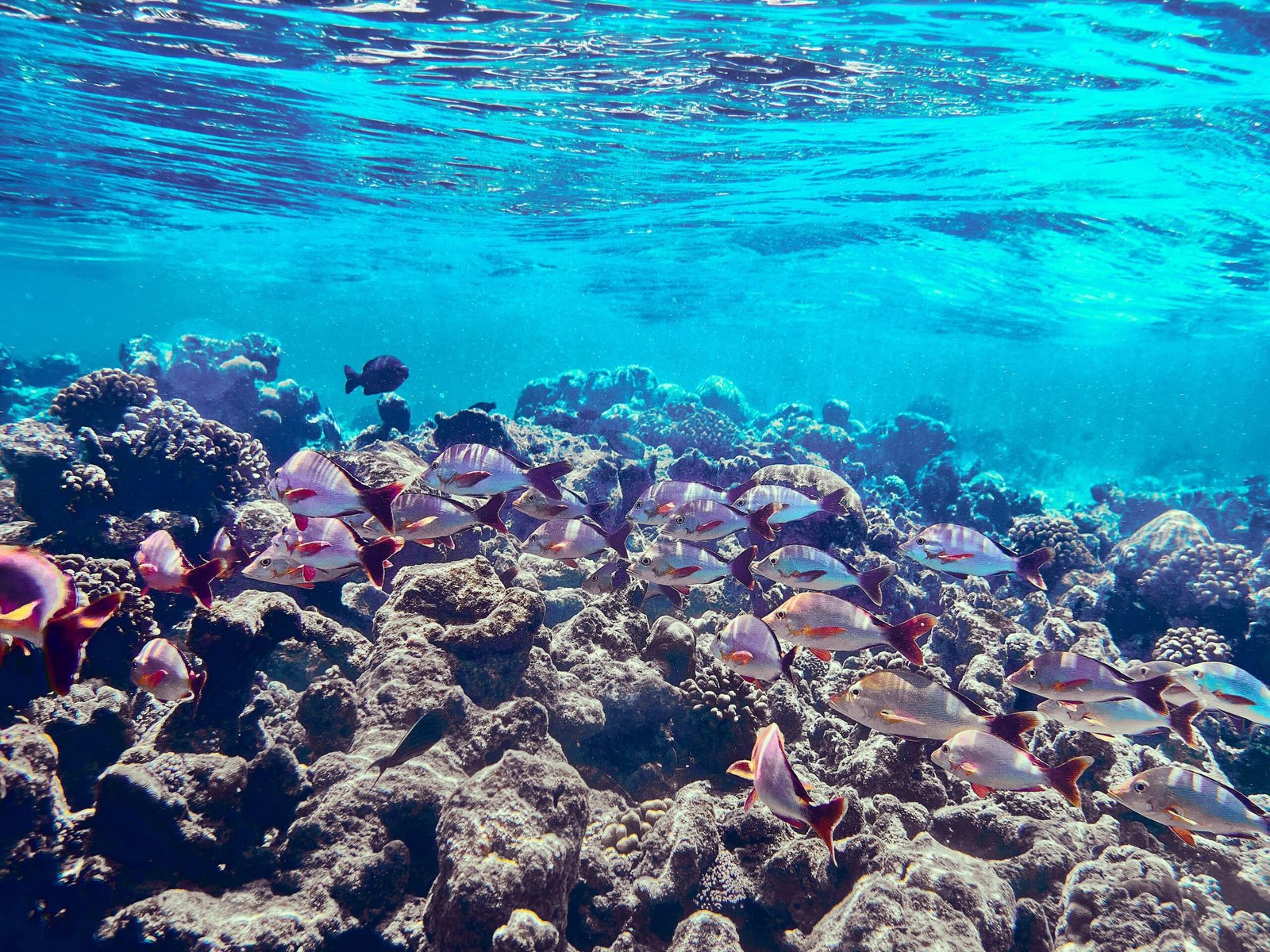
The core experience is simple to describe and impossible to capture in photos: you get in the water and see brain corals, staghorn corals, and entire schools of clownfish, butterflyfish, and green sea turtles swimming just a few feet away. Day trips leave early in the morning, last about 8 hours including transit and activities, and usually include a light breakfast and a buffet-style lunch on board.
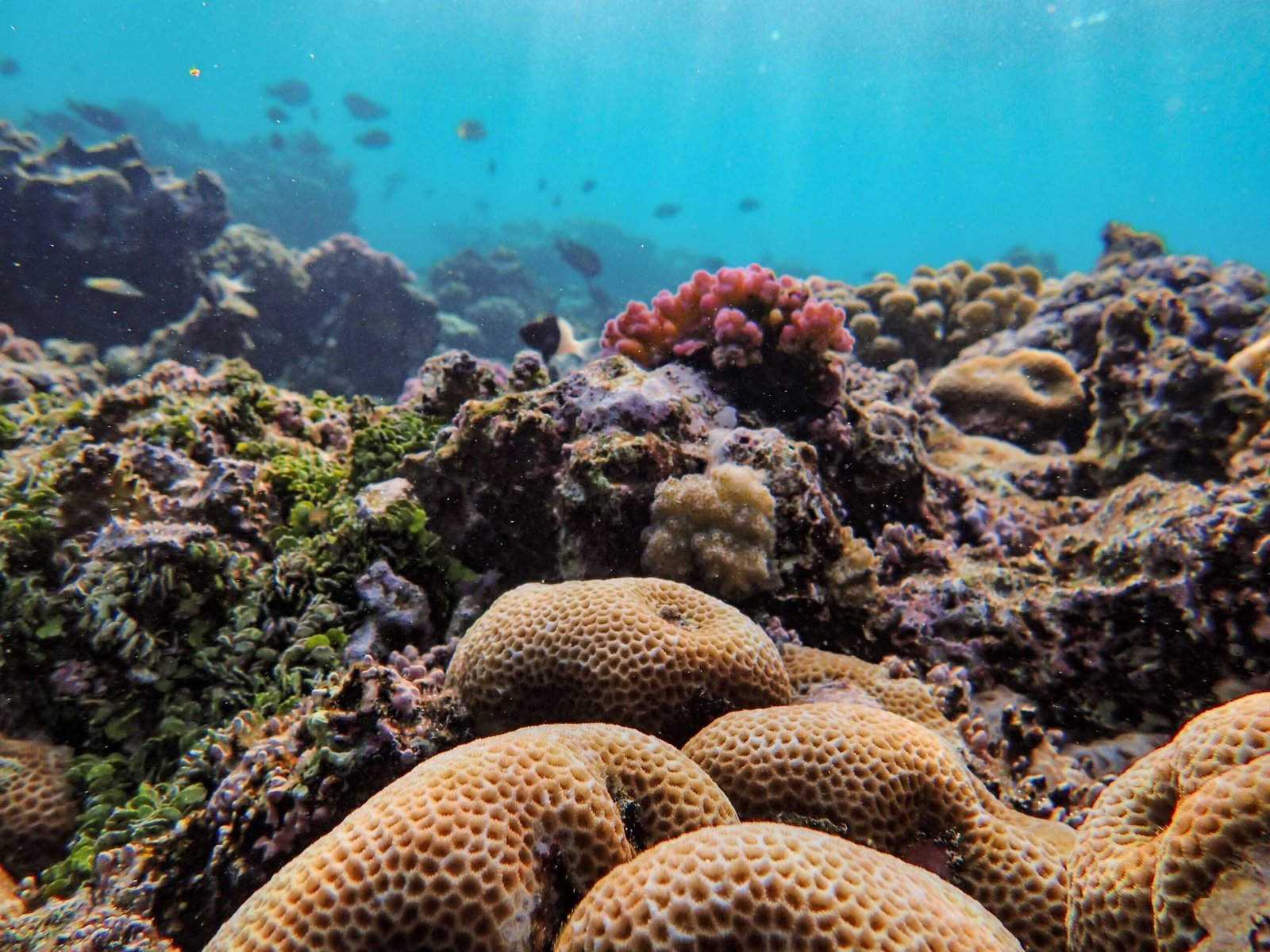
For those who have never dived, snorkeling already delivers a big part of the visual experience, with equipment included in most packages. A full-day snorkeling trip typically starts at around AU$ 200, plus a mandatory environmental fee of about AU$ 15 charged by all operators for the upkeep of the marine park. If you want to scuba dive, you’ll pay more: in Port Douglas, a day trip with two dives starts at AU$ 310 per person; in Cairns, similar options start around AU$ 250, with equipment included.
Beyond traditional diving and snorkeling, there are semi-submersible submarine tours for those who don’t want to get in the water, scenic helicopter flights over the Heart Reef (a heart-shaped reef famous in aerial photos), and fixed floating platforms in the middle of the ocean, some with a slide and an underwater observatory.
Among the most visited spots from Port Douglas are Agincourt Reef, on the outer edge of the barrier with clearer water due to its distance from the coast, and Opal Reef, which is closer and common on half-day trips. Departing from Cairns, Moore Reef and Michaelmas Cay feature fixed platforms with great facilities for families and beginners, including shallow areas for those trying snorkeling for the first time. It’s worth asking the operator which reef is on the day’s itinerary before booking, as the choice significantly changes the experience.
Green Island
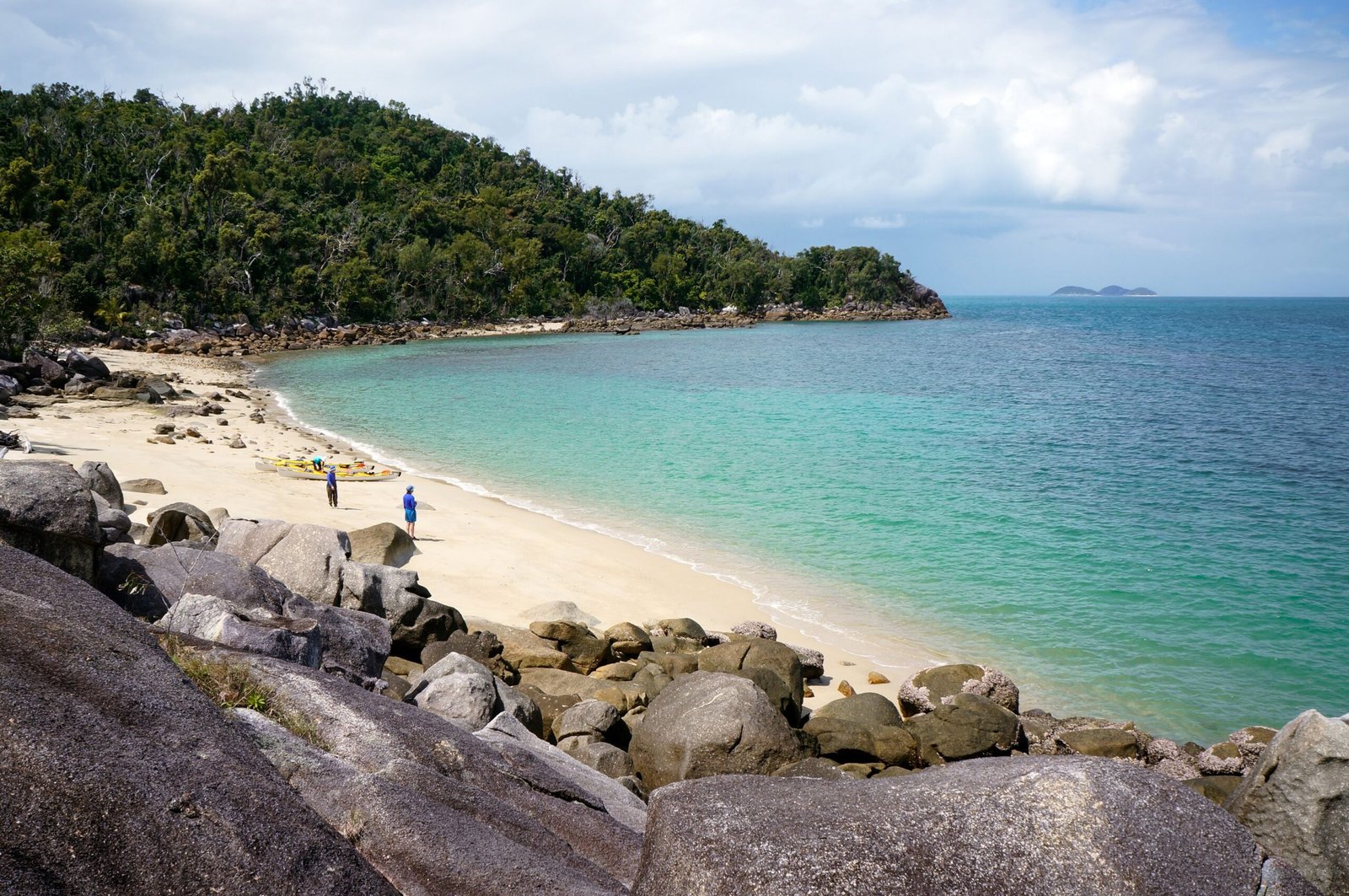
About 45 minutes by boat from Cairns, Green Island is a true coral cay with white sand and a small rainforest reserve in the center — you can walk the entire island in under an hour. It’s a great destination for those traveling with young children or seeking a more relaxed day, as it combines beach, a short trail, and snorkeling in one stop, without needing to book a full dive package.
Low Isles
Two small islands surrounded by shallow, crystal-clear water, accessible mainly by catamaran from Port Douglas. The water tends to be calmer here than at other points on the reef, which makes it much easier for first-time snorkelers or families with kids. Some tours include a stop at a historic sailing ship along the way, with lunch served on board.
Michaelmas Cay
A sandbank that serves as a seabird sanctuary, surrounded by one of the most marine-life-rich reefs near Cairns. It’s forbidden to step on part of the sand to avoid disturbing the nests, but the snorkeling area around it makes up for it: dense schools of fish and good visibility most of the year.
What to combine with your trip
Since the journey to Australia is long, few Brazilian travelers come just for the reef. It’s common to combine Cairns with Sydney or Brisbane on the same itinerary, as domestic flights connect the cities in just a few hours. If your route includes Sydney, be sure to check out our guide to the Sydney Opera House, one of the country’s most photographed symbols and a near-must-stop for anyone already crossing the Pacific.
Near Cairns, the Daintree Rainforest and the village of Kuranda (accessible by a historic train or a skyrail over the canopy) round out a 4 to 5-day itinerary in the region nicely, balancing the blue of the ocean with the green of the world’s oldest rainforest.
Where to eat in Cairns and Port Douglas
The Esplanade, Cairns’ waterfront, concentrates most of the tourist-oriented restaurants, with a great selection of fresh seafood and Australian dishes like grilled barramundi. Rusty’s Market, open Thursday through Sunday, is the local spot for tropical fruits, juices, and street food at more affordable prices than the waterfront restaurants. In Port Douglas, Macrossan Street is home to most of the bars and restaurants, with great seaside seafood options at sunset.
In both destinations, it’s worth making dinner reservations on weekends during high season (June to August), when the most popular restaurants fill up fast. Cafés with Wi-Fi and strong coffee are also easy to find in both towns, handy for anyone wanting to work remotely for a morning before their reef trip.
Where to stay
In Cairns, the Esplanade area concentrates hotels across all price ranges just steps from the free public lagoon and the boat departure points—a solid choice if you’re not renting a car. Port Douglas has a more laid-back, resort-style vibe, with accommodations geared toward honeymooners and families, and it usually costs a bit more than Cairns. If you’re watching your budget, base yourself in Cairns and do a day-trip van ride to Port Douglas on reef days, since the drive between the two is about an hour.
Renting a car pays off if you want to explore Daintree and the Captain Cook Highway on your own, with stops at lookouts like Rex Lookout along the way between the two towns. If you’re not driving, you’ll find vans and tour buses connecting Cairns, the airport, and Port Douglas daily, so you can skip the rental car if you’re sticking to the coast.
Practical Tips
Biodegradable sunscreen is mandatory on virtually every boat—conventional sunscreens contain ingredients that harm the coral, and some operators won’t let you board without the right product. Wear your swimsuit under your clothes and arrive at the marina at least 30 minutes early for check-in. If you get seasick, take your medication before boarding, since the crossing can get pretty choppy on windy days. Brazilians need an e-visa to enter Australia—always double-check the current rules on the official Australian government website before booking your flights.
The local currency is the Australian dollar (AU$), and international cards are accepted at most places, including on the boats—but it’s worth carrying some cash for tips or local markets, which don’t always take cards for small amounts. Since Cairns and Port Douglas are on Eastern Australia time, jet lag is usually mild compared to other Northern Hemisphere destinations—the biggest challenge of the trip is really the flight length, not the time zone.
Frequently Asked Questions
What’s the difference between departing from Cairns and Port Douglas?
Cairns has more tour options and more competitive prices; Port Douglas gives you access to more pristine, less crowded reefs, but it usually costs a bit more.
Do I need to know how to swim to snorkel on the reef?
You don’t need to be a strong swimmer—the boats provide flotation vests and most snorkel spots have calm water, but if you’re really nervous about open water, let the crew know before you get in.
Is it better to dive or snorkel?
Snorkeling already shows you a good chunk of the shallow corals and is cheaper; scuba diving takes you down to deeper coral walls and is ideal for those who want to see bigger formations and more varied marine life.
How many days should I set aside for the Great Barrier Reef?
A single day on a boat delivers the core experience, but the ideal is to set aside 3 to 5 days in the region to include travel recovery, the reef trip, and at least one day in the Daintree rainforest.
Conclusion
The Great Barrier Reef requires a long journey, but it delivers one of the few experiences on the planet that truly lives up to the photos. Check out the other destination guides here on Voyage Voyage to put together the rest of your Australia itinerary.