 Marcelo Oliveira
Galápagos isn’t your typical beach vacation: each island changes the logistics, the wildlife you’ll encounter, and the cost of getting around. For a first visit, the best starting point is choosing between Santa Cruz, San Cristóbal, and Isabela before booking any individual tours.
Hotels in Puerto Ayorafree cancellation options onlySee hotels ›Booking.com partner (advertising): we may earn a commission at no extra cost to you.
Quick answer: plan for five to seven days, use Santa Cruz as your most practical base, and add San Cristóbal or Isabela if time allows. Two islands explored thoroughly beat three islands rushed through. Leave some buffer for rough seas and schedule changes.
Getting to Galápagos: Choosing the Right Airport
Flights depart from mainland Ecuador, usually from Quito or Guayaquil, and arrive at the airports on Baltra (near Santa Cruz) or San Cristóbal. Baltra requires a sequence of buses, a short canal crossing, and ground transport to Puerto Ayora. On San Cristóbal, the airport is much closer to Puerto Baquerizo Moreno. Check the airport printed on your ticket and factor in fees, controls, and connection times when planning.
Between inhabited islands, there are fast boats and local flights. The boat saves money but can be uncomfortable in rough seas; the flight cuts transit time but costs more and has its own baggage rules. Avoid scheduling an inter-island boat on the same day as your international flight.
When to Go and How Many Days to Book
Galápagos can be visited year-round, but the sea, water temperature, and wildlife vary. From December to May, the water tends to be warmer and rain comes in showers; from June to November, the Humboldt Current brings cooler, nutrient-rich water with a higher chance of light mist. A wetsuit can make a difference in the cooler months.
Five days allow for one base and two or three tours. Seven days comfortably accommodate two inhabited islands. Ten days open up the possibility of Santa Cruz, Isabela, and San Cristóbal, provided travel days don’t eat up entire days. If you plan to dive, set aside specific days and respect the safety interval before flying.
Galápagos by Island: Which Base Suits You
Santa Cruz: The Most Practical Base
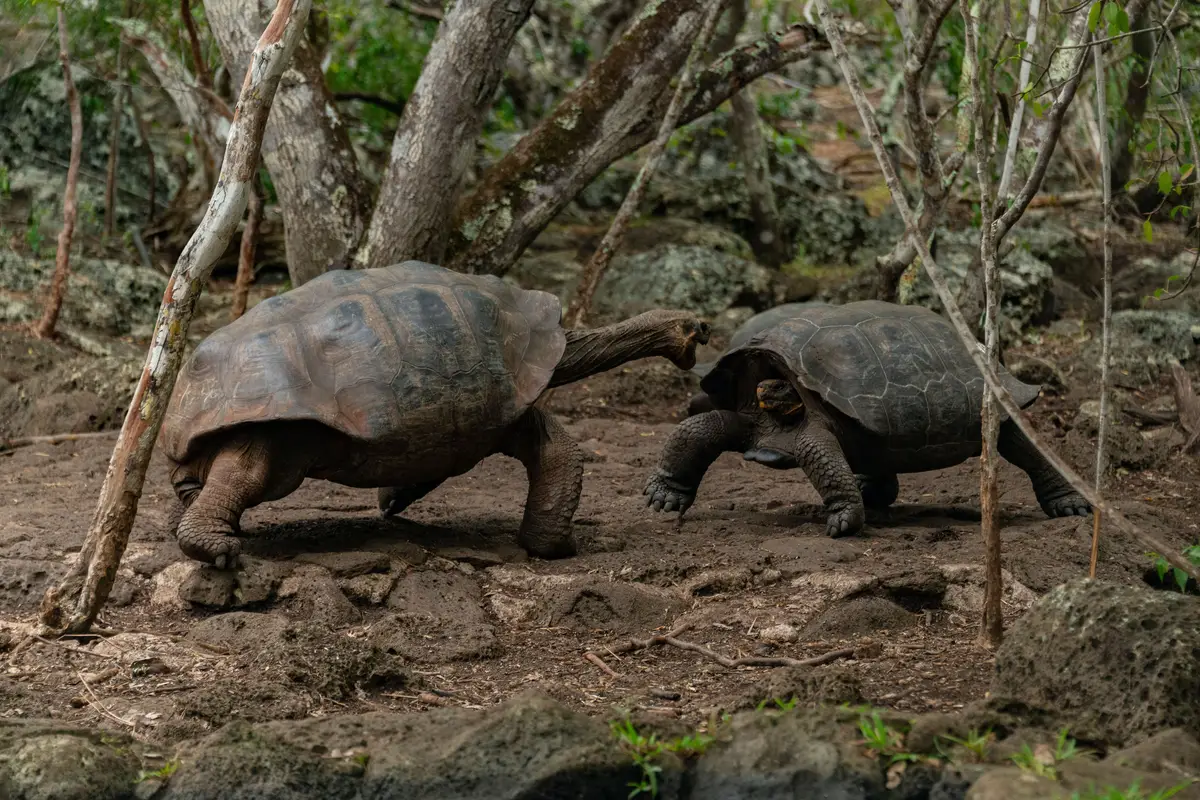
Puerto Ayora has the largest selection of hotels, restaurants, and tour agencies. The island is home to Tortuga Bay, the Charles Darwin Research Station, lava tunnels, and giant tortoise habitats in the highlands. It’s also the departure point for trips to Bartolomé, Seymour Norte, and other uninhabited islands. Ecuador’s official tourism source describes Santa Cruz as the archipelago’s main gateway and tourist hub.
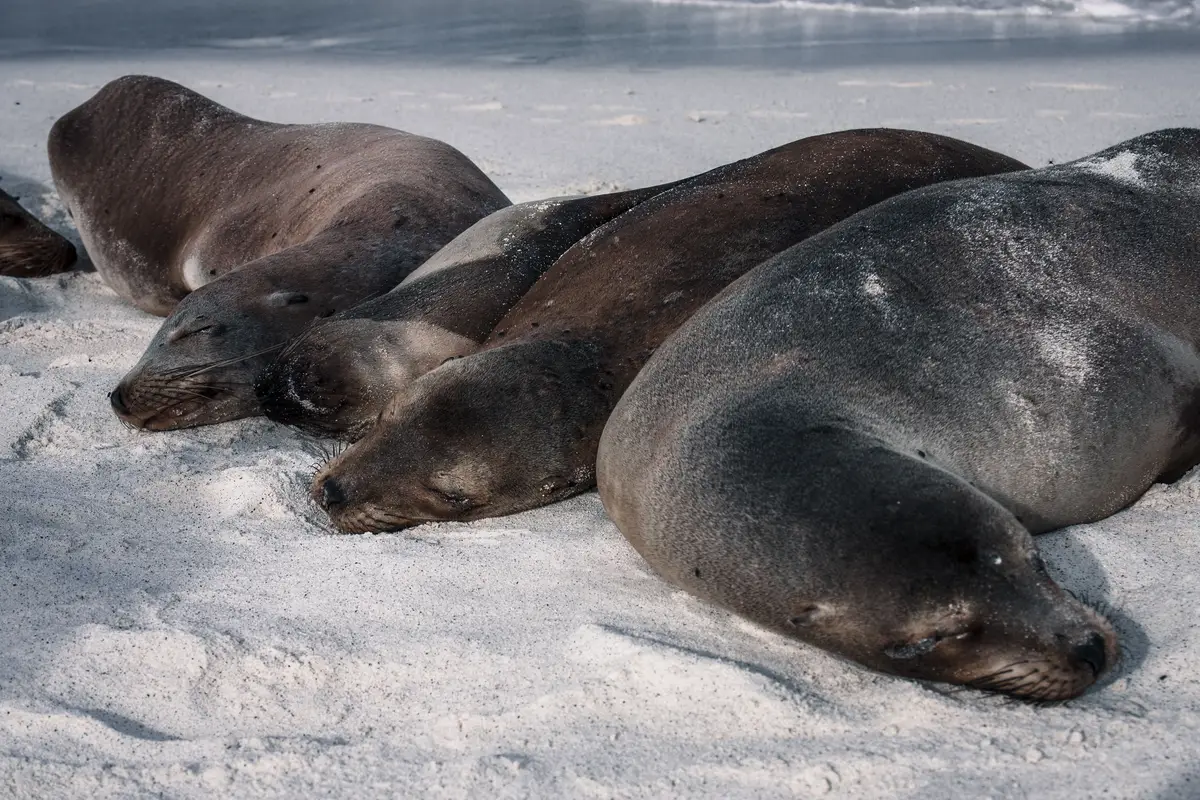
If you want to understand the conservation work with context, check out the Charles Darwin Research Station tour. The activity includes explanations about tortoises, iguanas, and breeding programs; confirm the language, price, and availability for your travel dates.
San Cristóbal: Sea Lions and Easy Access
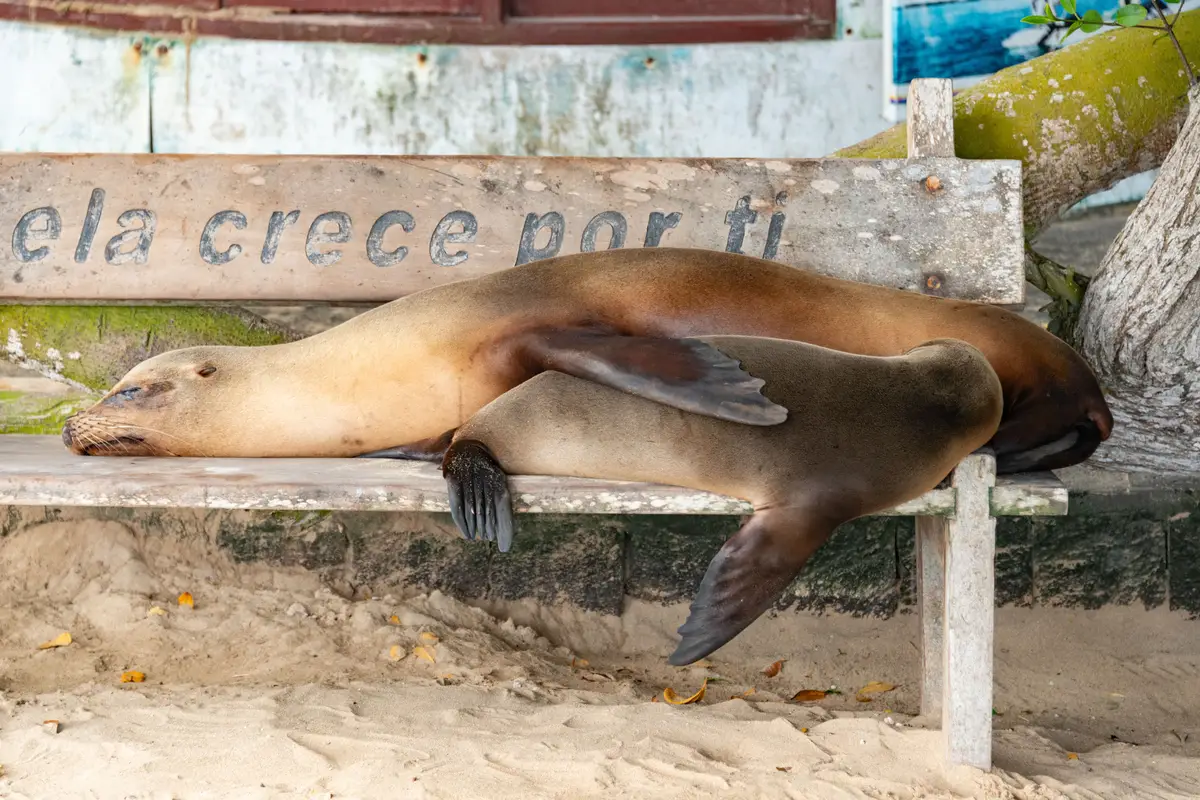
Puerto Baquerizo Moreno combines a nearby airport, urban beaches, and sea lion colonies. The island is the natural choice for those wanting to sail to León Dormido, go snorkeling, and minimize ground logistics upon arrival. Your itinerary benefits from a buffer day, as boat tours depend on operational conditions.
Isabela: Volcanic Landscapes and More Travel Time
Isabela appeals to those who want volcanoes, wetlands, penguins, and formations like Los Túneles. Puerto Villamil is smaller and the pace is slower. The island requires extra attention to boat or flight schedules. Don’t squeeze it into just one night: the travel time will take up a disproportionate part of the experience.
How to Plan a Seven-Day Itinerary
Spend three or four nights on Santa Cruz and three on San Cristóbal or Isabela. On the first day, do a light land-based activity. Book your most desired boat tours for the second and third days, when you still have room for rescheduling. On island-transfer days, don’t plan an extensive schedule.
On Santa Cruz, combine the Darwin Station, Tortuga Bay, and the highlands. On San Cristóbal, alternate between beaches accessible by land and León Dormido. On Isabela, choose between Sierra Negra, Los Túneles, and Las Tintoreras based on your interests and availability. Don’t book all your tours before confirming your island sequence.
 See activities in Puerto Ayora on GetYourGuide ›
Where to Eat and How to Manage Your Budget
Puerto Ayora offers the most variety; Puerto Baquerizo Moreno and Puerto Villamil have options concentrated near the center. Daily specials usually cost less than harbor-facing restaurants. Bring a reusable bottle and confirm if your accommodation provides filtered water. Imported goods arrive by plane or boat, so meals and convenience items cost more than on the mainland.
Where to Stay on Each Island
On Santa Cruz, staying within walking distance of the Puerto Ayora dock simplifies early departures. On San Cristóbal, the central area lets you combine beach, restaurants, and the airport with short commutes. On Isabela, prioritize Puerto Villamil and check if your accommodation arranges transport from the dock. Air conditioning, hot water, and internet shouldn’t be assumed: read recent reviews.
Where to stay in Puerto Ayora
| Hotel | Rating | |
|---|---|---|
| Maytenus GalapagosEl Edén · Calle Petrel y Scalesia | 9,3147 reviews | See prices |
| Patty House GalapagosPampas Coloradas · Calle Española y Av. Baltra | 9,2192 reviews | See prices |
| Alma de cedrelaCity centre · Calle Albatros y Genovesa | 9,1258 reviews | See prices |
| La Mirada Del Solitario GeorgeCity centre · Calle Petrel y Española | 9,0435 reviews | See prices |
| Galapagos DreamsCity centre · Av. Cucuve y Floreana | 8,8171 reviews | See prices |
| Hotel FiestaCity centre · Calle Moisés Brito | 8,7474 reviews | See prices |
| Hotel Palace GalapagosEl Edén · Calle Petrel y Floreana | 8,6140 reviews | See prices |
| Hotel FlamingoCity centre · Tomás de Berlanga and Islas Plazas | 8,6130 reviews | See prices |
Booking.com rating on 30/09/2026
Practical Tips and Responsible Tourism
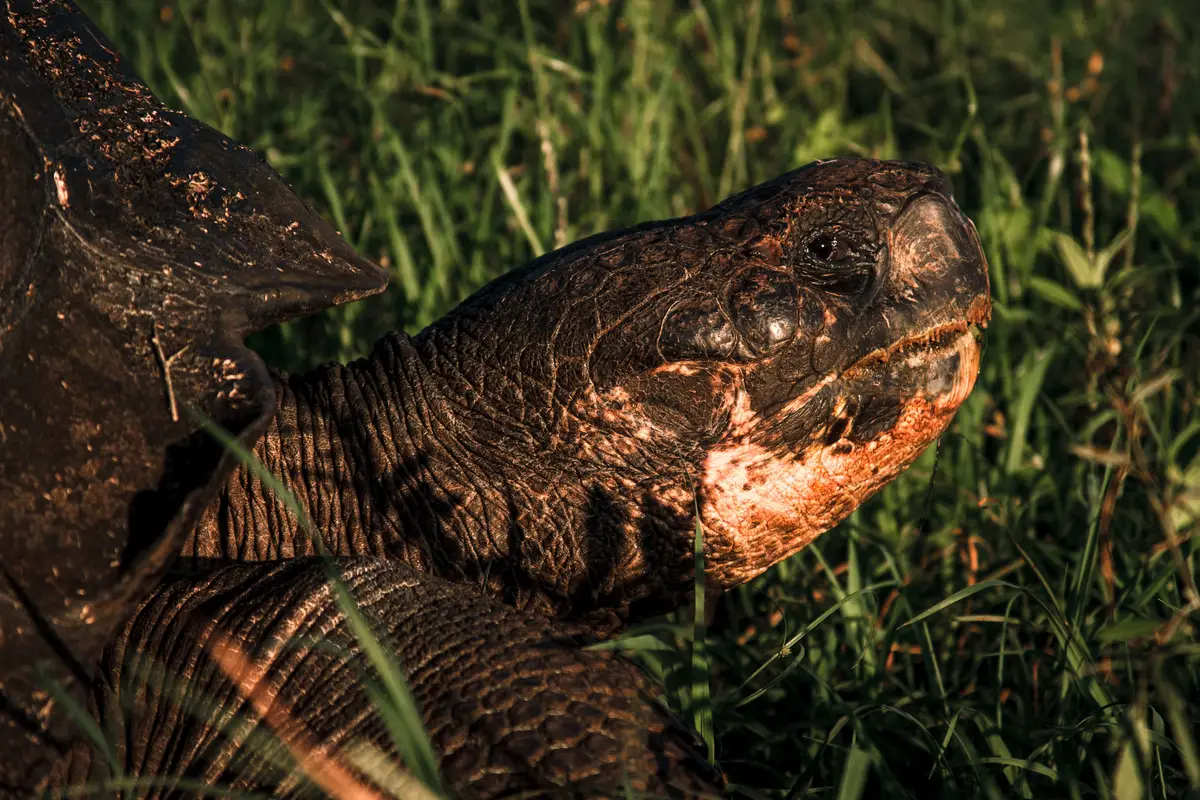
The archipelago is a protected area. Follow the National Park’s instructions, keep your distance from wildlife, don’t feed animals, and don’t remove rocks, shells, or sand. Use reef-safe sunscreen, a hat, and physical sun protection. For current rules, check the official Ecuador Travel portal and the Galápagos National Park.
Bring cash and cards, as connectivity issues can affect payments. Travel insurance with coverage for water activities is wise. Before heading to the archipelago, consider spending a few days in Quito in three days; for another remote island experience, compare with planning for Easter Island.
 HotelAs soon as you have datesCompare neighbourhoods and guest ratings.See hotels ↑
- More activitiesTo compareTickets, day trips and tours with flexible cancellation.GetYourGuide ›
Frequently Asked Questions
How many days are enough in Galápagos?
Five to seven days work well for a first trip. Seven days allow you to combine two islands without turning your itinerary into a sequence of boat rides.
What’s the best island to stay on?
Santa Cruz is the most practical base due to its infrastructure and variety of tours. San Cristóbal makes arrival easier; Isabela offers a more tranquil, volcanic setting.
Is a cruise or land-based stay better?
A cruise reaches remote islands and reduces hotel changes, but costs more. Land-based stays offer freedom and are usually more affordable, with access limited to available tours.
Do I need to book tours in advance?
Yes, for popular boat trips, diving, and high season. Simple land-based activities can be arranged after you arrive.
Is Galápagos an expensive trip?
It’s pricier than mainland Ecuador due to flights, fees, inter-island transport, and supply logistics. Cut costs by picking two islands and booking your stay early.
Conclusion
The Galápagos rewards travelers who choose a few bases, leave room for the sea, and respect nature’s pace. Sort out your islands first, then your excursions: Voyage Voyage helps turn a complex trip into a doable plan.