 Marcelo Oliveira
Cuenca blends a historic center, four rivers, markets, and craftsmanship in an Andean city that feels calmer than Quito. Three days let you stroll among domes and along the Tomebamba’s banks, visit paja toquilla workshops, and set aside a day for Cajas National Park.
Hotels in Cuencafree cancellation options onlySee hotels ›Booking.com partner (advertising): we may earn a commission at no extra cost to you.
Quick answer: spend two days in Cuenca’s center and one in Cajas. Stay near Parque Calderón to explore the historic core on foot and save the Turi viewpoint for late afternoon. Cajas sits at a higher altitude and requires acclimatization, warm clothes, and a plan for fog.
How to get to Cuenca
Mariscal Lamar Airport sits within the urban area and handles domestic flights. Buses connect Quito and Guayaquil, but Andean roads make travel times unpredictable. From Guayaquil, the route crosses highlands near Cajas. If you get motion sickness, choose your seat wisely, bring recommended medication, and avoid scheduling anything right after arrival.
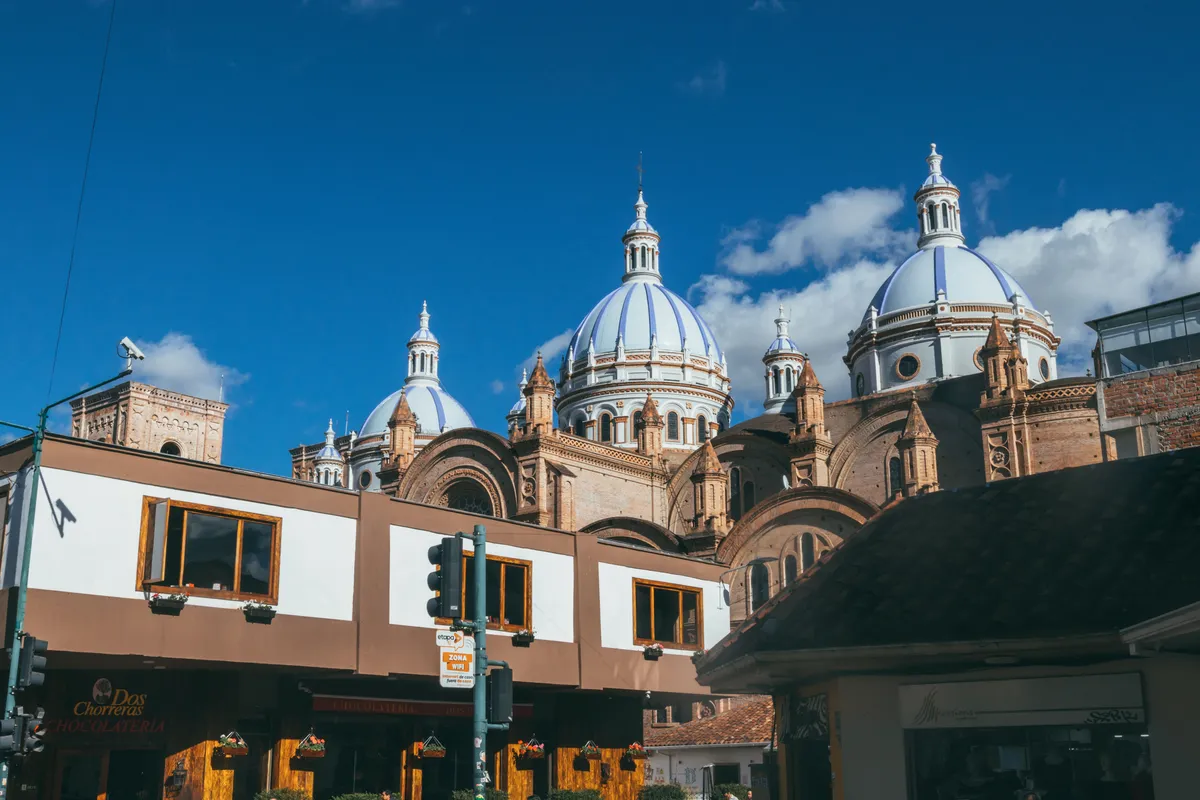
Official taxis and ride-hailing apps handle the airport, bus terminal, and Turi. In the center, walking is more efficient. Compare activities in Cuenca by departure point and whether they include Cajas or archaeological sites.
Best time to visit and how many days to stay
Cuenca has a mild high-altitude climate with scattered rain and rapid weather shifts throughout the day. Pack layers and a light rain jacket for any season. Three days cover the center and Cajas; four allow for markets, workshops, and nearby sites without rushing. Holidays and independence celebrations affect traffic and accommodation.
Cuenca in 3 days between heritage and Cajas
Day 1: Parque Calderón and the domes
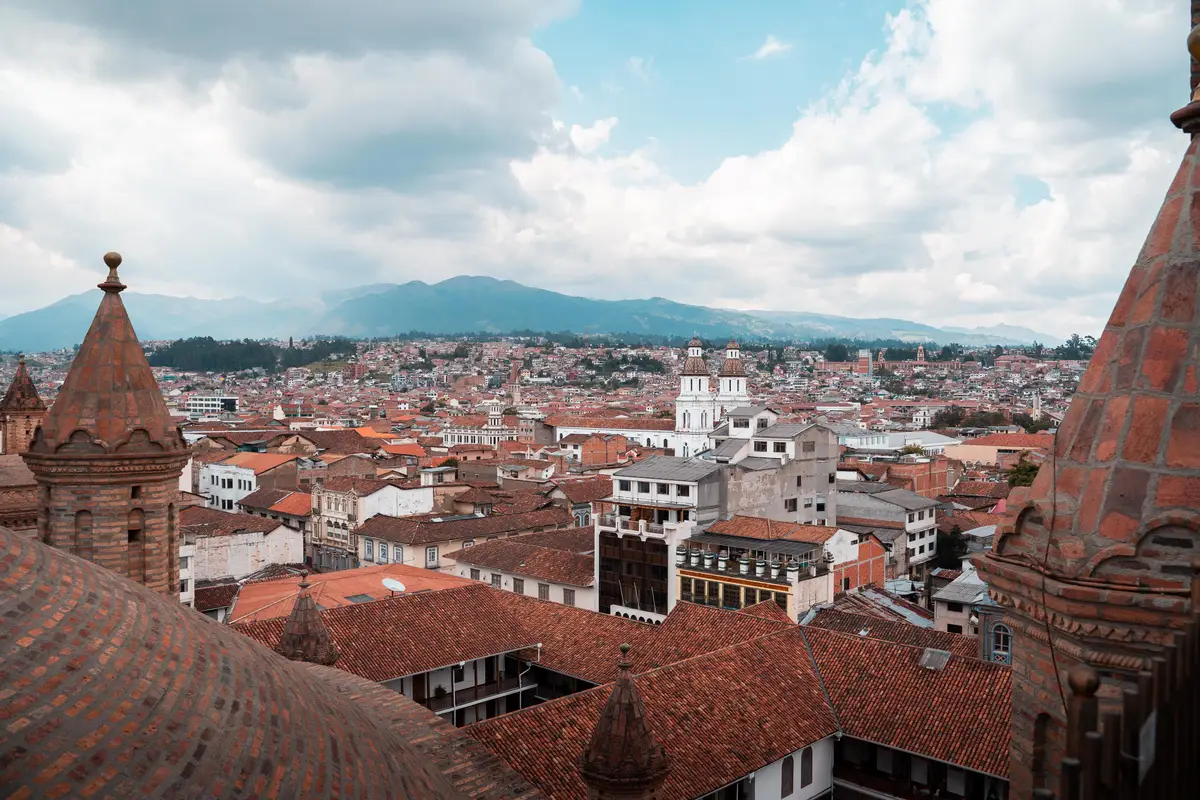
Start at Parque Calderón, between the New Cathedral and the Old Cathedral. Climb an authorized viewpoint on the domes if it’s open, visit nearby museums, and wander streets of republican architecture. The center of Santa Ana de los Ríos de Cuenca was recognized by UNESCO in 1999.
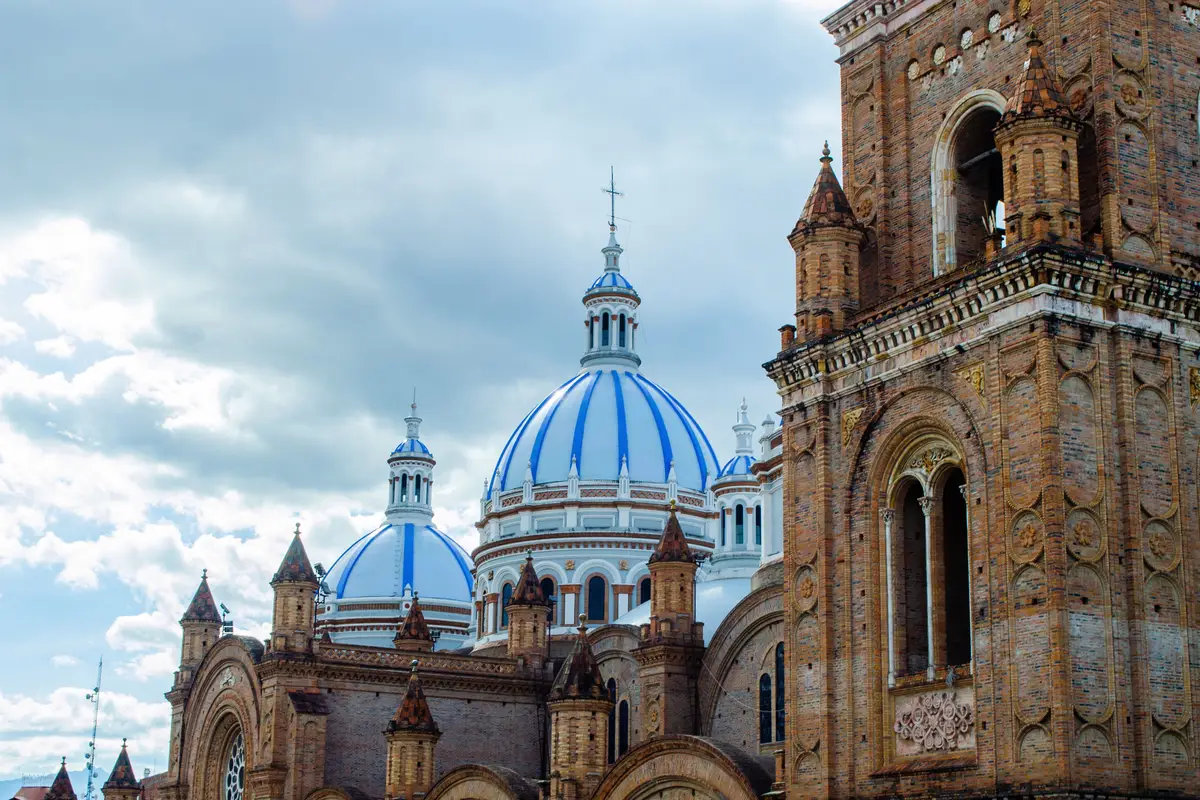
Day 2: Tomebamba, Pumapungo, and Turi
Head down to the Tomebamba River and walk the Barranco, the strip connecting the upper city to the river. The Pumapungo Museum brings together archaeology, ethnography, and remains of Tomebamba. In the late afternoon, head to the Turi viewpoint if the weather is clear. Don’t leave documents and your phone exposed at empty viewpoints.
Day 3: Cajas National Park
Cajas boasts over 200 lagoons in a páramo landscape with polylepis forest, according to Ecuador’s official tourism board. Trails vary in altitude and difficulty; fog can hide trail markers. Go with a guide if you’re unfamiliar with mountain environments, register your route when required, and carry water, snacks, and waterproof protection.
What to combine with Cuenca
Quito is the main cultural continuation; use our Quito in three days guide. Baños works as a nature stop between the Andes and the Amazon. For the archipelago, check out Galápagos in seven days. Don’t underestimate bus travel times in Ecuador.
Where to eat
Mercado 10 de Agosto and its surroundings offer everyday food, fruit, and hornado. Look for mote pillo, tamales, cuy, and traditional sweets. Restaurants near Parque Calderón are convenient; nearby neighborhoods offer lower prices. Filtered water and hygiene deserve attention on any trip.
Where to stay
The historic center makes walking and dining easy. El Barranco offers atmosphere by the river but can be hilly. Modern areas near El Vergel and Remigio Crespo have services and taxis. Check for noise, heating, and stairs in old mansions.
Where to stay in Cuenca
| Hotel | Rating | |
|---|---|---|
| Itza Hotel Boutique InternacionalHistoric centre · On the corner of Gran Colombia and Benigno Malo, in the historic centre | 9,5173 reviews | See prices |
| Hotel RaymipampaHistoric centre · On Gran Colombia, near the intersection with Tarqui | 9,3157 reviews | See prices |
| Four Points by Sheraton CuencaMall del Río · Inside Mall del Río, with direct access to the shops and the cinema | 9,3778 reviews | See prices |
| Hotel Boutique Casa Montalvo CuencaHistoric centre · On Juan Montalvo, a 5-minute walk from the Tomebamba River gorge | 9,7287 reviews | See prices |
| Hosteria DuranOutside the centre · With an outdoor pool, restaurant and thermal waters | 9,2140 reviews | See prices |
| Hotel El Dorado CuencaHistoric centre · On the corner of Gran Colombia and Luis Cordero | 9,0293 reviews | See prices |
| Kuna HotelAv. de las Américas · 4-star hotel with a garden, restaurant and bar | 9,0112 reviews | See prices |
| Hotel & Suites en Cuenca, Venue BatánBatán · On Avenida 12 de Abril, with rooms that have a balcony and city views | 8,9130 reviews | See prices |
Booking.com rating on 30/09/2026
Practical tips
Cuenca sits above 2,500 meters. Walk slowly on your first day and watch for symptoms. Ecuador Travel has information about the city and Cajas; UNESCO documents the historic center.
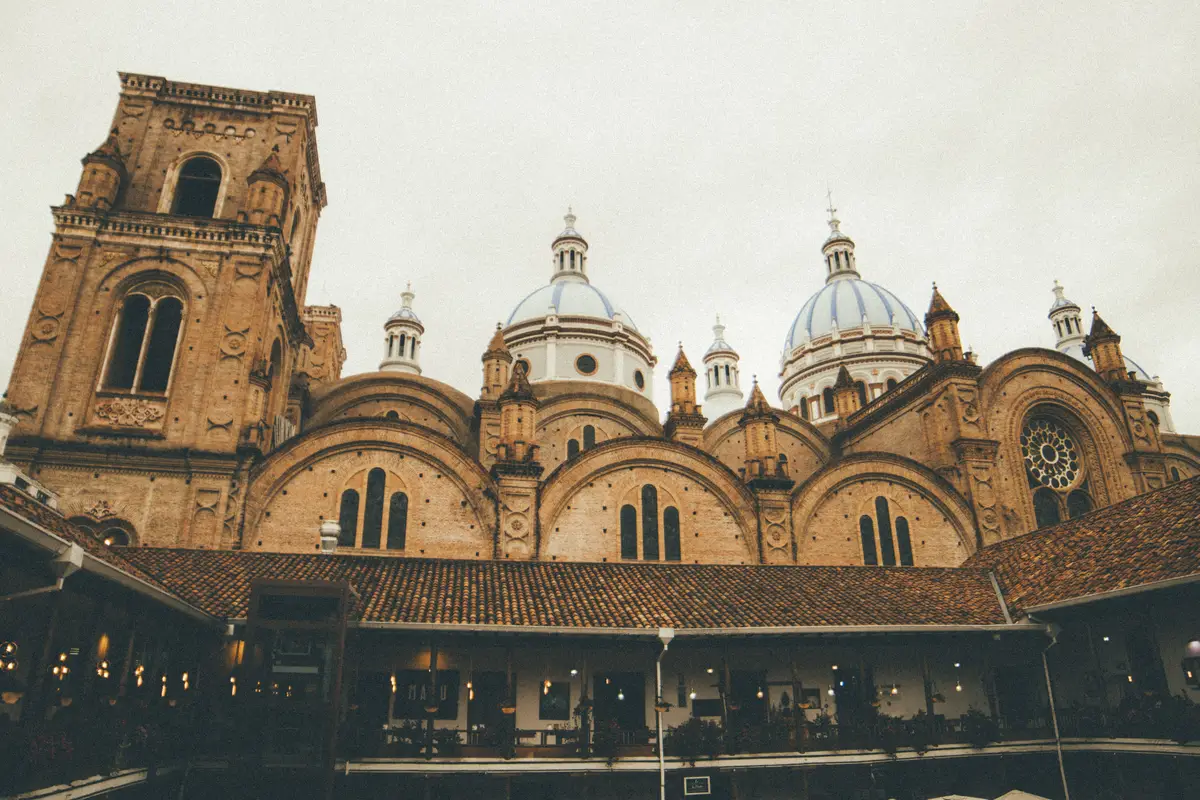
Buy paja toquilla hats from shops that explain their origin and the artisanal process. “Panama” is the hat’s international name, but the technique is Ecuadorian.
 HotelAs soon as you have datesCompare neighbourhoods and guest ratings.See hotels ↑
 ActivitiesBefore you travelBook ahead the ones with limited spots.Civitatis ›
 More activitiesTo compareTickets, day trips and tours with flexible cancellation.GetYourGuide ›
Frequently asked questions
How many days should you spend in Cuenca?
Three days for the center, rivers, and Cajas; four for a slower cultural pace.
Does Cuenca cause altitude sickness?
It can cause symptoms. Start slow and stay hydrated.
Do you need a car?
Not in the center. For Cajas, use a guide, tour, or planned transport.
Is Cajas worth visiting?
Yes, for those who enjoy páramo and hiking, respecting altitude and weather.
Is Cuenca walkable?
The center is, but the Barranco has hills and uneven sidewalks.
Conclusion
Cuenca delivers heritage without the fast pace of a capital. Reserve two days for the streets and rivers and one for Cajas; Voyage Voyage helps you fit culture and altitude into the same trip.