 Marcelo Oliveira
Tunisia is one of the most affordable destinations in North Africa for travelers coming from far and wide: it packs medieval medinas, Roman ruins, blue-and-white villages on the Mediterranean and the Sahara Desert into one small, budget-friendly country. The natural base is Tunis, the capital, where the most famous day trips depart from. The big question for anyone planning the trip is usually what to prioritize, how to get there and whether you need a visa.
Hotels in Tunisfree cancellation options onlySee hotels ›Booking.com partner (advertising): we may earn a commission at no extra cost to you.
What to do in Tunisia starts with Tunis: the medieval medina, the ruins of Carthage and the blue-and-white village of Sidi Bou Said form the classic circuit, all less than an hour from the capital. Many nationalities don’t need a visa for short-term tourism, but always double-check the current rules before you travel.
Why visit Tunisia
Tunisia condenses a rare mix into a small space: Arab influence, Roman heritage, Mediterranean beaches and the desert. It’s also a great-value destination, with lodging and food cheaper than in Europe, and relatively short connecting flights from European cities. For the international traveler, it’s an easy gateway into the Arab world and North Africa.
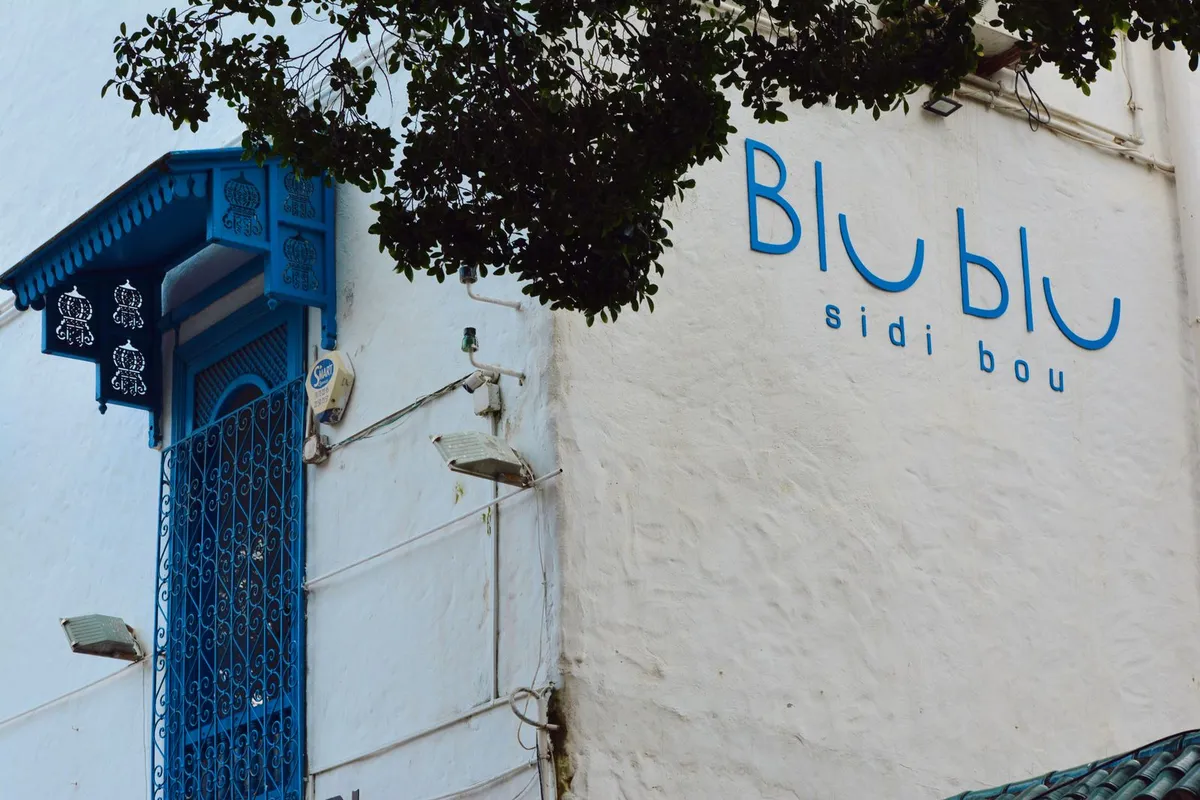
Add to that the relative safety in tourist areas, the ease of doing day trips from Tunis and the local hospitality, and you have a destination that can fill anywhere from four days to two weeks, depending on how ambitious your itinerary is.
What to do in Tunis and around
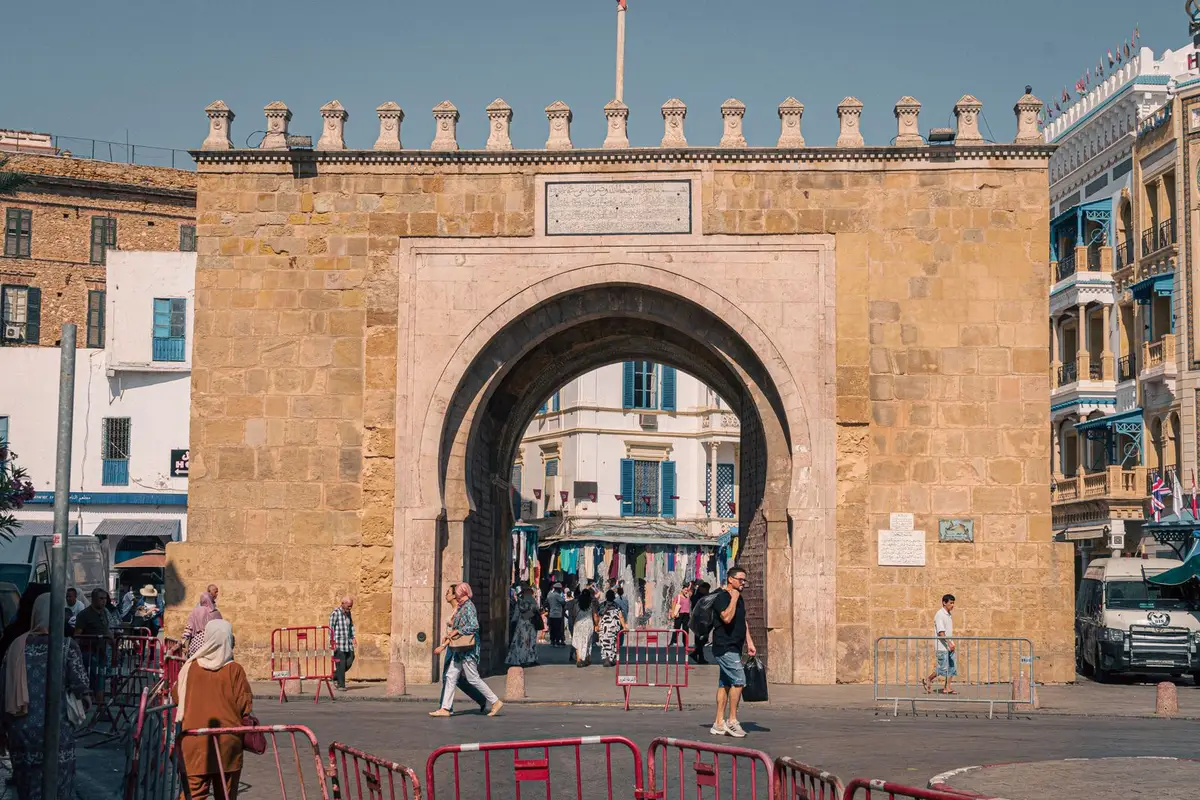
The starting point is the medina of Tunis, a UNESCO World Heritage Site: a maze of alleys, souks (markets), mosques and the imposing Zitouna Mosque. Set aside a morning to get lost among the stalls of rugs, spices and handicrafts, and keep in mind that haggling is part of the game around here.
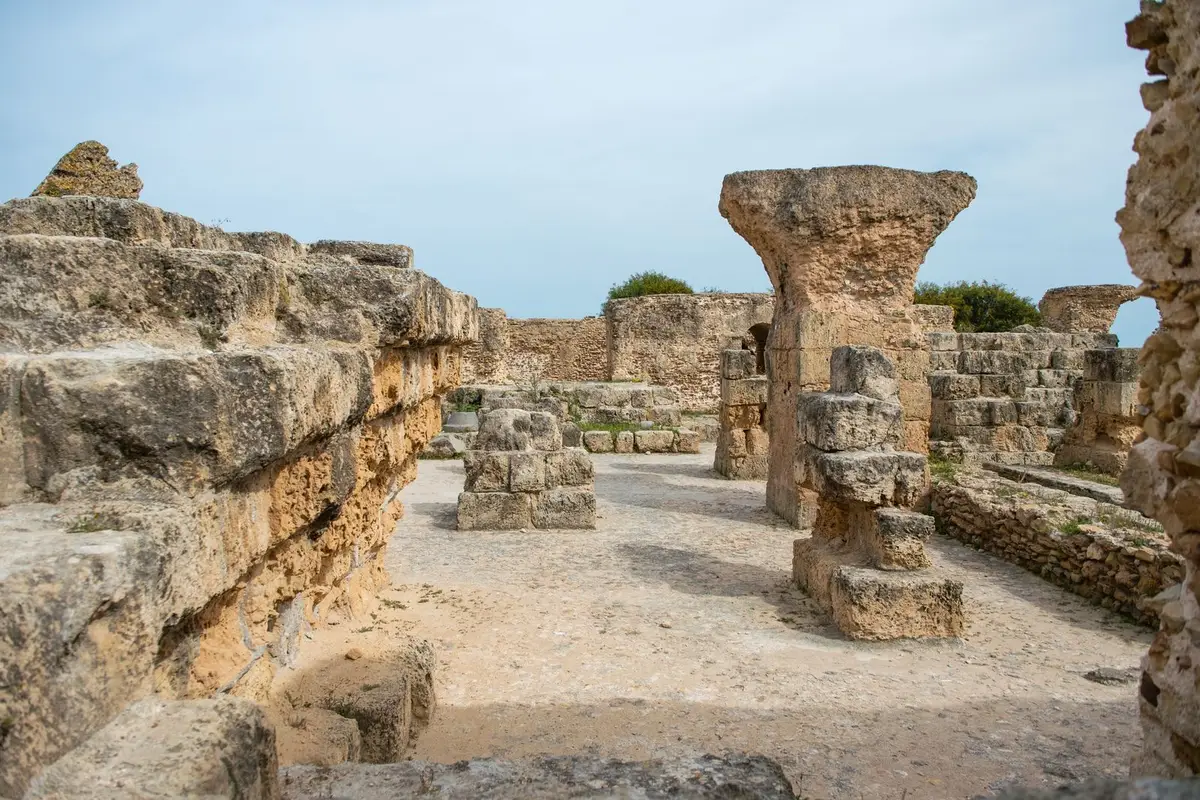
About 15 km from the capital lie the ruins of Carthage, the ancient power that rivaled Rome: you can see the Antonine Baths, the hill of Byrsa and Punic and Roman remains with sea views. Carthage and Sidi Bou Said are usually visited on the same half-day tour from Tunis, since they’re close to each other.
Neighboring Carthage, the village of Sidi Bou Said is the country’s postcard: white houses with blue doors and windows, cafés overlooking the Mediterranean and flower-filled lanes. Go in the late afternoon for the best light. If you want to make it easy, you can book the Carthage and Sidi Bou Said tour with a guide.
 Partner · Civitatissee all activities in Tunis ›
- See ›Sidi Bou Said Free TourRating 6.3 · 13 reviews on Civitatis
- Carthage & Sidi Bou Said TourRating 9.2 · 163 reviews on Civitatisfrom€90per personSee ›
- Kairouan, Douz & El Djem 2-Day TripRating 9.1 · 40 reviews on Civitatisfrom€150per personSee ›
- See ›Tunis Free Walking TourRating 9.2 · 213 reviews on Civitatis
Civitatis prices on 28/09/2026, from, per person. They may change. Want to compare? Activities in Tunis on GetYourGuide ›
What to see beyond Tunis
If time allows, Tunisia holds treasures outside the capital. The Bardo Museum, in Tunis, has one of the largest collections of Roman mosaics in the world. Further out, the amphitheater of El Djem impresses with its state of preservation, the holy city of Kairouan holds historic mosques, and the south leads to the Sahara desert, with camel rides departing from Douz and Tozeur.
For fans of Roman heritage, the country pairs naturally with Italy: it’s worth extending the trip with the Colosseum in Rome or exploring the Italian capital with our complete guide to Rome and the Villa Borghese, since many itineraries combine both shores of the Mediterranean.
How to get there and get around
There are no direct flights from the Americas to Tunisia. The most common routes connect through European cities like Lisbon, Paris, Rome or Istanbul before landing at Tunis-Carthage Airport (TUN), the country’s main airport, just a few kilometers from the city center. From there, taxis and the TGM light rail connect the capital to Carthage and Sidi Bou Said.
Within Tunisia, travel between cities is done by train, bus and the louages (shared vans). For the south and the desert, many travelers opt for a rental car or organized tours, which are more comfortable for covering long distances.
Best time to go
Spring (March to May) and fall (September to November) are the best times: mild weather, ideal for walking through the medina and the ruins without extreme heat. Summer is hot, especially inland and in the desert, but it’s beach season on the coast. Winter is mild on the coast and cold at night in the Sahara.
What to eat in Tunisia
Tunisian cuisine is flavorful and spicy. Try the couscous (the national dish), the brik (a crispy pastry with egg), harissa (a chili paste) and fresh fish on the coast. Meals at local restaurants are cheap by international standards, and mint tea with pine nuts is almost a ritual, especially in the cafés of Sidi Bou Said.
Practical tips: visa, currency and language
The currency is the Tunisian dinar (TND), which cannot be bought or taken out of the country — exchange money once you’re in Tunisia, at exchange offices or ATMs. The official languages are Arabic and French, which is very useful for getting around. As for paperwork, many nationalities don’t need a visa for short-term tourism, but confirm the updated rules on the consular portal before you travel.
Dress respectfully when visiting mosques and religious areas, with shoulders and knees covered. In the souks, haggling is expected; start by offering well below the asking price. Carry cash for small purchases, since not every shop accepts cards.
 HotelAs soon as you have datesCompare neighbourhoods and guest ratings.Booking ›
- ActivitiesBefore you travelBook ahead the ones with limited spots.Civitatis ›
 More activitiesTo compareTickets, day trips and tours with flexible cancellation.GetYourGuide ›
Frequently asked questions
Do I need a visa for Tunisia?
Many nationalities don’t need a visa for short-term tourism in Tunisia; entry is permitted with a valid passport. Since rules change, confirm the updated requirements on the consular portal before you travel.
What can you do in Tunis in one day?
In one day you can explore the medina of Tunis in the morning and, in the afternoon, visit Carthage and Sidi Bou Said, which are close by and are usually combined on the same half-day tour from the capital.
What’s the best time to visit Tunisia?
Spring (March to May) and fall (September to November) have mild weather, ideal for walking through the medina and the ruins. Summer is hot inland and in the desert, but it’s beach season on the coast.
Is Tunisia a cheap destination?
Yes. Lodging, food and transport in Tunisia tend to be cheaper than in Europe, which makes the country great value, especially for those already traveling around the Mediterranean.
Conclusion
Tunisia delivers medina, Roman ruins, blue villages and desert all in one accessible, affordable country. Start in Tunis, fit Carthage and Sidi Bou Said into a single day and, with more time, head to the Bardo, El Djem and the Sahara. Go in spring or fall and bring cash. Happy travels with Voyage.
This destination is part of our guide to the best Mediterranean destinations, with itinerary tips and the best time to go.