 Marcelo Oliveira
Paraty blends a historic center, bay, waterfalls, and Atlantic Forest, but each part deserves its own day. A three-day itinerary avoids the mistake of cramming a schooner ride, cachaça distilleries, and Trindade into the same schedule, leaving no time to walk the cobblestones or watch the tide roll into the streets.
Hotels in Paratyfree cancellation options onlySee hotels ›Booking.com partner (advertising): we may earn a commission at no extra cost to you.
Quick answer: dedicate one day to the center, one to the bay, and one to waterfalls or Trindade. Choose your boat tour by the size of the vessel and the length of the stops, not just the price.
How to get to Paraty
Paraty sits between Rio de Janeiro and São Paulo. Buses depart from both capitals and towns in the Vale do Paraíba. By car, the Rio-Santos highway is scenic, but rain, roadworks, and holidays can stretch the drive. The nearest airports still require ground transport. Avoid arriving in the middle of the night without a confirmed transfer.
Best time to visit and how many days to stay
Summer is hot, humid, and rainy, with full waterfalls and a higher risk of storms. Fall and spring strike a balance between temperature and crowds. In winter, days can be pleasant and nights cool; the water becomes less inviting. Events like the Flip literary festival and the Cachaça Festival pack the town and drive up prices.
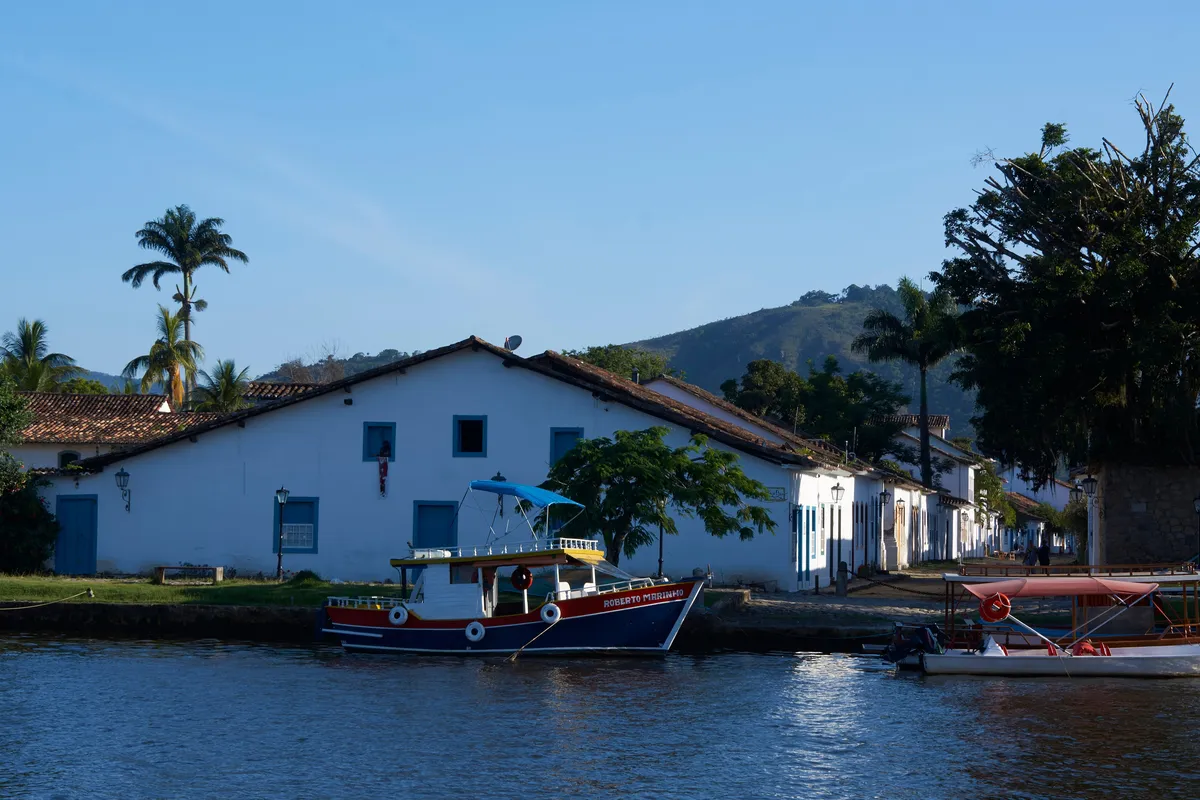
Three days cover the essentials; four or five allow for Saco do Mamanguá, Trindade, and a buffer for rain. Check the tide table if you want to see the controlled flooding of parts of the center. The tide is part of the city, not a flaw in the drainage.
Paraty in 3 days between stone, forest, and sea
Day 1: Historic Center
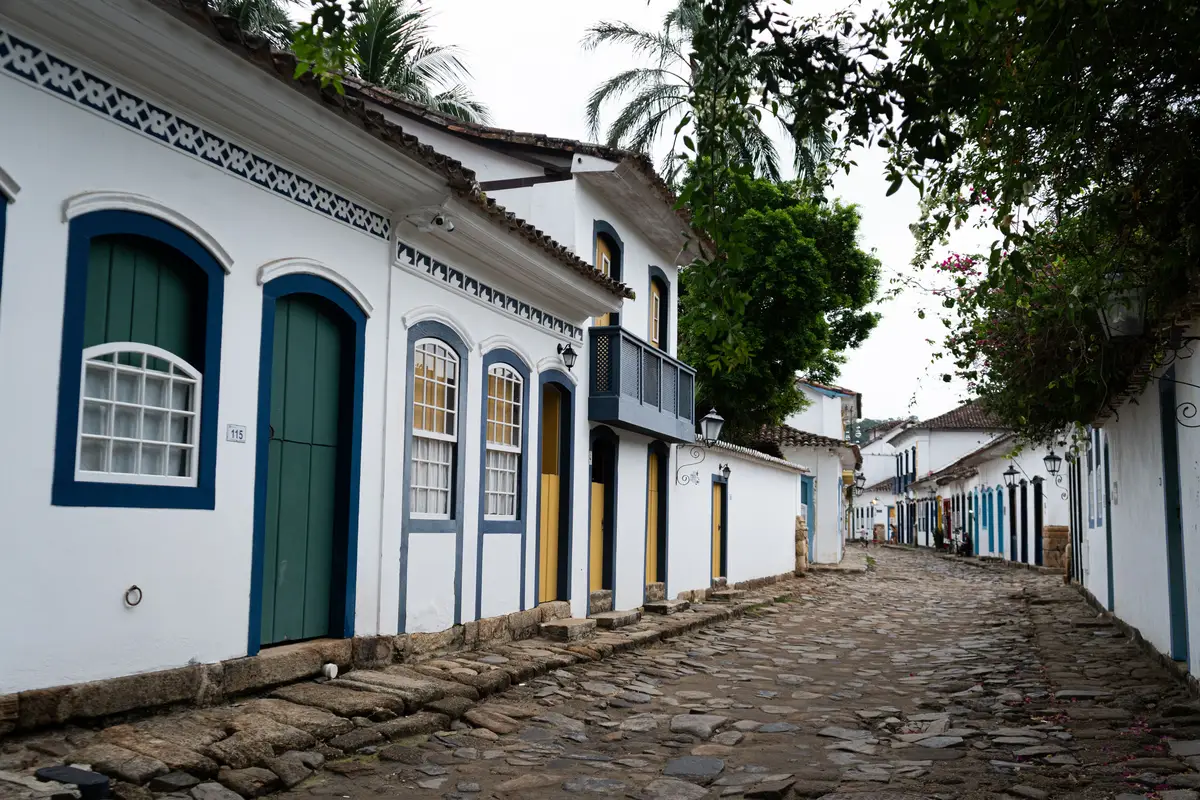
Walk at a leisurely pace through the car-free streets, visit Igreja de Santa Rita, the Casa da Cultura, and local art studios. The cobblestones are uneven: wear sturdy footwear. The official Visit Brasil portal reminds us that the Paraty and Ilha Grande ensemble received mixed World Heritage status in 2019.
Day 2: islands and bay beaches
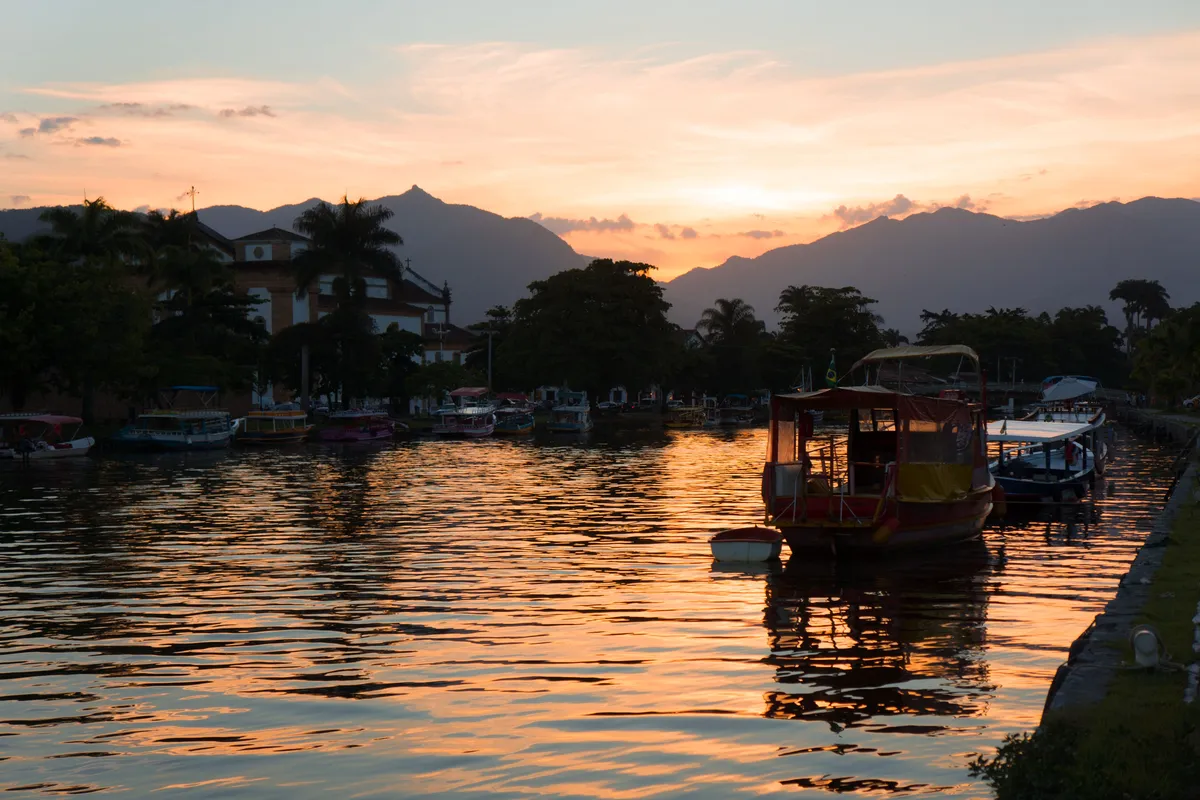
Schooners carry large groups and follow set routes. Smaller boats cost more but can adjust stops and access quiet coves. Ask about capacity, sailing time, life jackets, restrooms, and the actual duration of each stop. Compare tours in Paraty and confirm the departure dock.
Day 3: waterfalls, cachaça distilleries, or Trindade
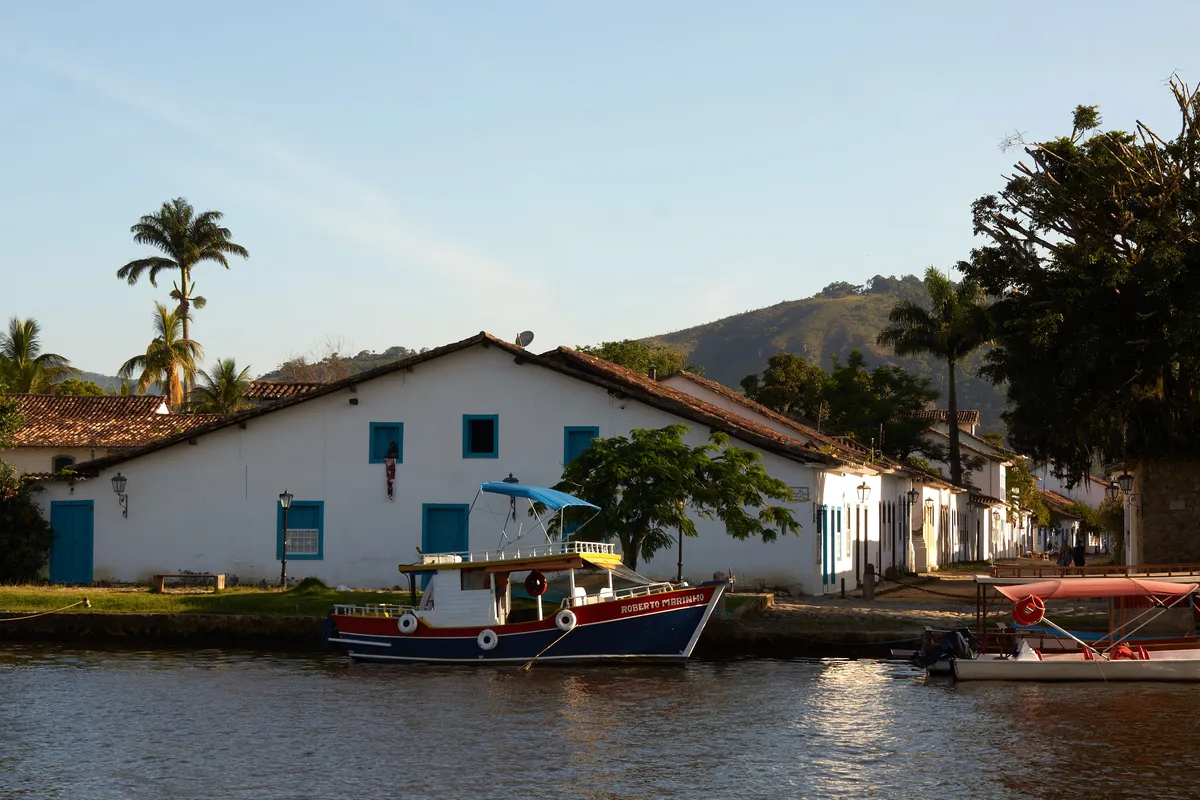
The Paraty-Cunha road is packed with waterfalls and distilleries, but swimming after rain requires caution. Trindade lies in another direction and combines beaches with a trail to a natural pool, subject to sea conditions. Pick one axis. Saco do Mamanguá deserves a full day and its own logistics with a boat and, if desired, a steep hike.
What to combine with Paraty
Ilha Grande forms a natural sequence along the Costa Verde, with connections via Angra or organized transport. Rio de Janeiro works as a gateway; check out our guide to the Arcos da Lapa and the Selarón Steps. Cunha offers mountains, ceramics, and stonewashed linen.
Where to eat
The center is packed with restaurants serving caiçara cuisine, fish, seafood, and contemporary dishes. Outside the historic core, prices tend to drop. Only taste cachaça with a known origin, and never drive afterward. During events, book dinner in advance or eat early. Ask about the day’s catch and portion sizes.
Where to stay
The Historic Center delivers atmosphere and walkability, but the cobblestones, noise, and outside parking are real factors. Pontal and Caborê balance access and tranquility. Jabaquara has a beach and guesthouses but requires a trip to the center. Confirm parking, accessibility, and noise risk before booking.
Where to stay in Paraty
| Hotel | Rating | |
|---|---|---|
| Pousada Taquinha ParatyHistoric centre · In the centre of Paraty, a walk from the Historic Centre | 9,4464 reviews | See prices |
| Pousada BanzayHistoric centre · In the centre of Paraty | 9,3721 reviews | See prices |
| Pousada Maravilha de ParatyHistoric centre · In the centre, on Rua João do Prado | 9,0153 reviews | See prices |
| Pousada Corsario ParatyHistoric centre · In the centre, on Rua João do Prado | 9,01.301 reviews | See prices |
| Magnus PousadaHistoric centre · In the centre of Paraty | 8,8371 reviews | See prices |
| Pousada Doce ParatyHistoric centre · In the centre; more than a thousand reviews | 8,51.379 reviews | See prices |
| Pousada Arte ColonialHistoric centre · Mansion in the historic centre | 8,3234 reviews | See prices |
| Pousada Solar D AlcinaPontal and Jabaquara · In Pontal, near Praia do Pontal | 8,8539 reviews | See prices |
Booking.com rating on 30/10/2026
Practical tips
Bring a rain jacket, insect repellent, sunscreen, and non-slip footwear. Don’t enter waterfalls during a storm or a sudden rise in water level. Use licensed boats and follow the Navy’s rules. Check the UNESCO page for the Paraty and Ilha Grande site.
In heavy rain, swap the boat and waterfall for cultural activities. Flexibility is safer than sticking to the plan.
 HotelAs soon as you have datesCompare neighbourhoods and guest ratings.See hotels ↑
 ActivitiesBefore you travelBook ahead the ones with limited spots.Civitatis ›
 More activitiesTo compareTickets, day trips and tours with flexible cancellation.GetYourGuide ›
Frequently asked questions
How many days should I spend in Paraty?
Three days for the center, bay, and nature; four or five for Mamanguá and Trindade.
What’s the best time to visit?
Fall and spring balance weather and crowds; summer is rainier.
Do I need a car?
Not for the center and boats. A car helps for waterfalls, Cunha, and Trindade.
Does the center flood?
Some streets take in water at high tide; check the tide table.
Schooner or small boat?
A schooner costs less; a small boat offers more flexibility and fewer people.
Conclusion
Paraty asks for one day for each landscape. Walk the center, sail the bay, and choose forest or beach on the third day; Voyage Voyage helps you leave room for rain, tide, and discovery.